The 1648 Codex

U.S. Civil War & Reconstruction

78 terms · 737 ladder clues · every clue is a real line from national play.

Swipe or use the arrows. Tap a clue to rate it; your taps shape what comes back.

#129 · Other Named Wars and Armed Conflicts · Level 1

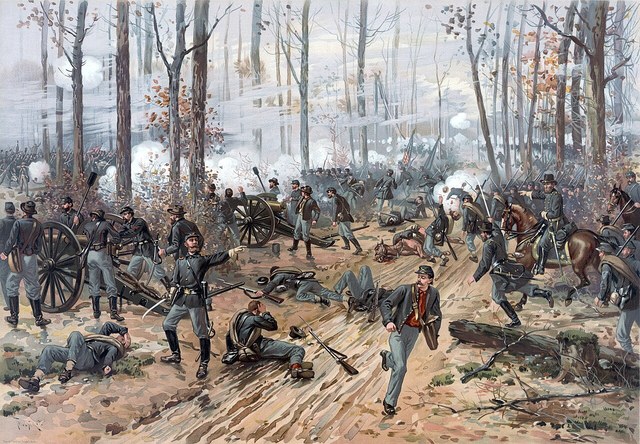
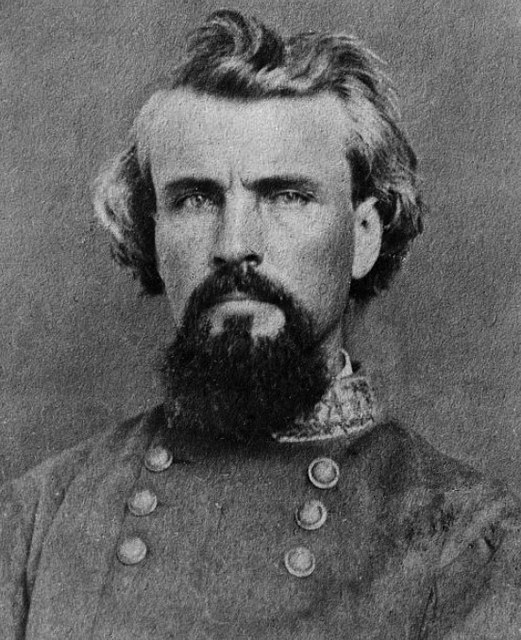
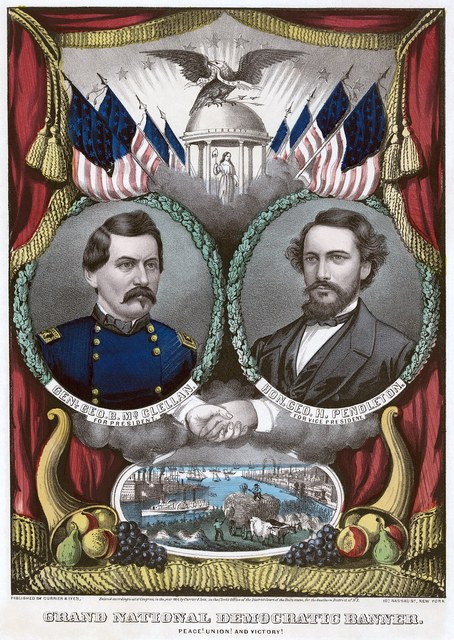
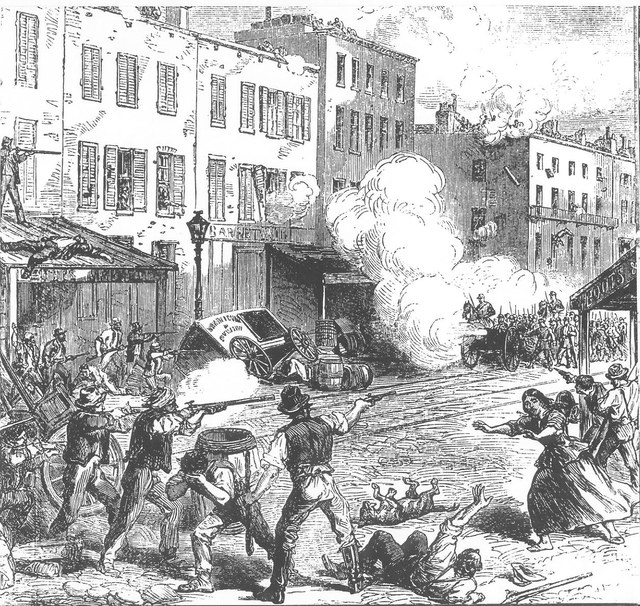
American Civil War

American Civil War
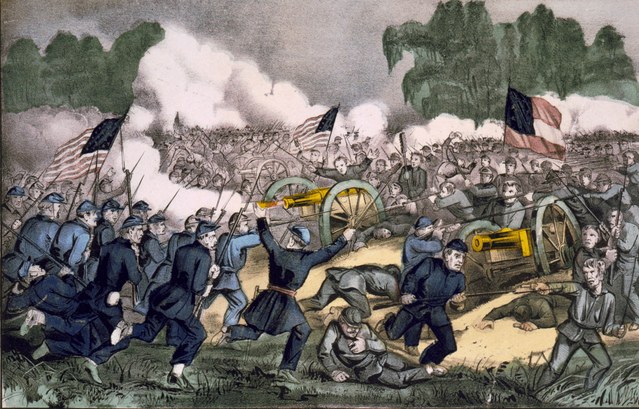
Nathaniel Currier and James Merritt Ives · Public domain

1861–1865 U.S. conflict · 1861–1865 · United States

American Civil War was the conflict between the Union and Confederacy that involved generals Grant, Lee, and Beauregard and ended with Union victory.

The kit

  • Participants — American Civil War involved Italian immigrants in both Union and Confederate armies, including the 6th Regiment European Brigade and prisoners from Garibaldi's Expedition of the Thousand.
  • Technology & tactics — American Civil War saw technological advances including Springfield rifles loading Minie balls, the Gatling gun, and ironclad warships Monitor and Merrimack clashing at Hampton Roads.
  • Medical service — American Civil War nursing included over 600 nuns, Clara Barton who founded the American Red Cross, and Dorothea Dix serving at battles like Fredericksburg.
  • Legacy — American Civil War generated the 'Lost Cause' historiography glorifying the Confederacy and resulted in Britain paying Alabama claims damages for illegally building Confederate ships in London.

Runs with

American Railway Union
occurred three decades after war's end open card →
Gettysburg
battle depicted in The Killer Angels open card →
CottonJames

The ladder · 15 clues

H

A poem about this war describes headstones positioned “row after row with strict impunity.” The Robert Gould Shaw Memorial is discussed in a Robert Lowell poem addressed to those who died in this war.

H

Timothy O’Sullivan photographed The Harvest of Death during this war, during which Mathew Brady photographed many battlefields.

H

In one story set during this conflict, Peyton Farquhar discovers that his escape from a summary execution was a dream, and in another story set during this conflict, Henry Fleming eventually earns self-respect after falsely gaining the title mark.

H

The historical fiction novel The Last Full Measure by Jeff Shaara ends a trilogy about this war that began with his father’s more famous work, The Killer Angels.

H

Throughout this conflict, ballroom dance instructor Edward Ferrero served as a general, despite being born in Spain to Italian parents.

H

The musicians Stobrod and Pangle are deserters from this war in a film that focuses on the love of Ada for carpenter W.P. Inman, who enlists in it.

H

Jerome Connor created a tribute to the more than 600 nuns who nursed soldiers during this conflict, and Loreta Janeta Velázquez likely masqueraded as a male soldier during this conflict.

M

Because most of one side’s ships were illegally built in London, the victor of this conflict received damages from the British government in the Alabama claims.

M

Frank Lawrence Owsley’s “The Irrepressible Conflict” in I’ll Take My Stand revolved around this war.

M

Michael Shaara's The Killer Angels takes place during a battle in this war, a deserter from which is the subject of Charles Frazier's Cold Mountain.

M

Richard Kirkland’s assistance to the wounded at a battle in this war earned him the nickname “The Angel of Marye’s Height.” The Christian Commission and the Sanitary Commission were founded during this war.

M

Alexander Stephens and Robert Toombs served in the F losing side’s Cabinet in this war, one side of which is glorified in the “Lost Cause” school of historiography.

E

In a short novel, Henry Fleming overcomes his cowardice by seeking the title injury during this war. name this war, the setting of The Red Badge of Courage.

E

Nurses who served during this war included Dorothea Dix and a woman who founded the American Red Cross. name this war in which Clara Barton served as a nurse at battles like Fredericksburg.

E

One side in this conflict utilized units such as the 6th Regiment, European Brigade, in addition to receiving prisoners who fought against the Expedition of the Thousand, led by Chatham Wheat. name this conflict in which Italian immigrants fought in the Union and Confederate armies.

10 more clues from the record
H

During this conflict, the Couronne escorted a ship under the command of Raphael Semmes [] away from a harbor in the prelude to the Battle of Cherbourg [[SHEHR- boorg]].

H

Ex parte Merryman challenged Abraham Lincoln’s suspension of habeas corpus during this war between the Union and the Confederacy.

H

Jennie Hodgers fought in this conflict while disguised as Albert Cashier.

H

Britain almost joined this conflict after the Trent Affair. :Name this bloody war that involved generals such as P. G. T. Beauregard, Robert E. Lee, and Ulysses S. Grant.

H

During this war, the submarine H.L. Hunley sank twice during testing and once more in a real attack.Name this war in which the Monitor and Merrimack, two ironclads, clashed at Hampton Roads.

H

The last shot of this war was fired at a whaling ship off the coast of Alaska by a ship that ultimately surrendered in Liverpool.

H

Technological advancements made during this war included the development of Springfield rifles that loaded Minie balls and the invention of the Gatling gun.

H

During this conflict, Henry Clay Work wrote about "how the sweet potatoes even started from the ground," and a popular song by Patrick Gilmore looked forward to "when Johnny comes marching home." "Home Sweet Home" was the most popular song for both sides in this war, for which "Marching Through Georgia" was composed. name this war in which opposing armies sang "The Battle Hymn of the Republic" and "Dixie."

H

A painting of this conflict shows Francis Barlow addressing a long-haired officer and other captured men; that work, Prisoners From the Front, was made by Winslow Homer, who created sketches of camp life in this war for the magazine Harper’s Weekly.

H

In a story set during this conflict, a child falls asleep while playing with a wooden sword in a forest; later, that deaf and mute boy stumbles upon the corpse of his dead parent.
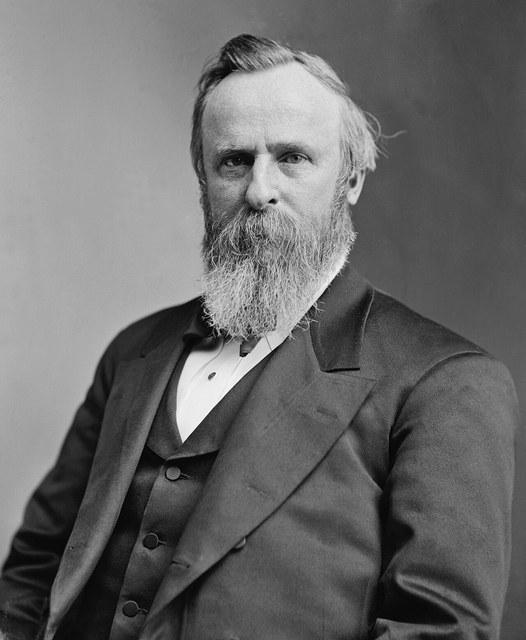
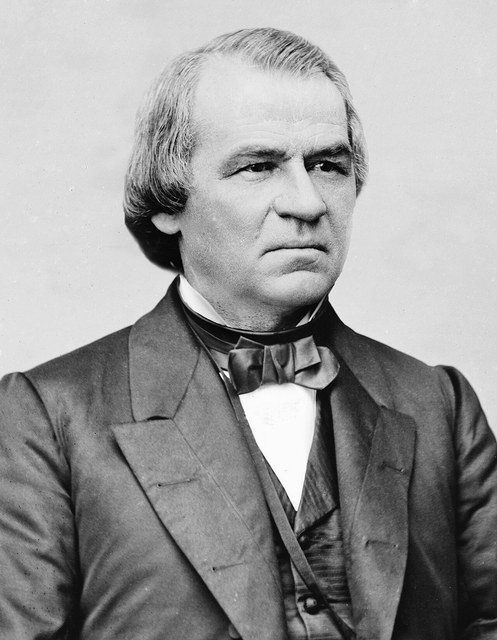
Watch out: The H.L. Hunley submarine sank twice during testing and once more during an actual attack (three total sinkings), not just before combat
#164 · US Congressional Figures · Level 1

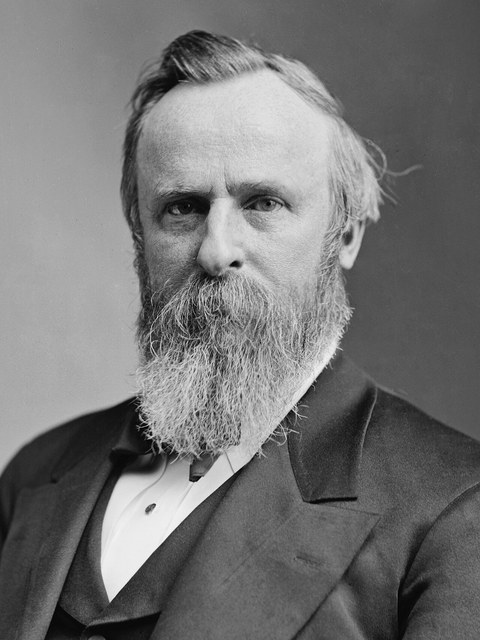
Rutherford B. Hayes

Rutherford B. Hayes
bdi Mathew Benjamin Brady /span /a · Public domain

19th US President · 1877–1881 · United States

Rutherford B. Hayes became president through the Compromise of 1877, ending Reconstruction in exchange for resolving the disputed 1876 election.

The kit

  • Rise — Rutherford B. Hayes served three terms as Governor of Ohio and was wounded at South Mountain during the Civil War.
  • Achievements — Rutherford B. Hayes arbitrated the War of the Triple Alliance, awarding Gran Chaco to Paraguay, which named a department for him.
  • Conflicts — Rutherford B. Hayes broke the Great Railroad Strike by sending federal troops to guard railway installations.
  • Legacy — Rutherford B. Hayes vetoed the Bland-Allison Act to preserve the gold standard, though Congress overrode his veto.

Runs with

Paraguay
arbitrated territorial dispute awarding Gran Chaco to Paraguay after War of Triple Alliance open card →
the Presidency
won disputed 1876 election through Compromise of 1877 open card →
1876 United States Presidential Election
defeated Samuel Tilden in disputed election resolved by Electoral Commission open card →
Ohio
served three terms as Governor of Ohio open card →

The ladder · 15 clues

H

During his time with Ohio’s 23rd Regiment in the Civil War, this man was wounded at the Battle of South Mountain and served alongside another future president, William McKinley.

H

This politician told his wife “I am ashamed to say, who is Wheeler?” shortly before William Wheeler was nominated as his running mate.

H

After this man arbitrated for Paraguay to receive what is now sixty percent of the nation, a department in Paraguay was named in his honor.

H

This President chose to break the Great Railroad Strike.

H

This man vetoed the Bland-Allison Act in order to preserve the gold standard.

H

This man was elected president in 1876 in a heavily-contested race.

H

This man sent Federal troops to guard railway installations, breaking the Great Railroad Strike.

M

This president, whose wife was known as “Lemonade Lucy” for banning alcoholic beverages in the White House, won the election of 1876.

M

A city and department in Paraguay are named for this man because he arbitrated the end of the War of the Triple Alliance.

M

name this president who won election due to the Compromise of 1877.

M

The back-door compromise that assured him the presidency promised the effective end of Reconstruction.

M

A department in Paraguay is named for this President, who awarded Gran Chaco to Paraguay after the War of the Triple Alliance.

E

The Compromise of 1877 determined that Samuel Tilden lost the presidency to this US President who ended Reconstruction.

E

This president advocated for the gold standard and vetoed the Bland-Allison Act.

E

He was the first man to win three elections as Governor of Ohio but required a little assistance from Congress to win election to higher office. who ended Reconstruction upon becoming President after the Compromise of 1877?

10 more clues from the record
H

Congress overturned his veto of a bill to put silver into circulation, the Bland-Allison Act.

H

This president’s Indian policy was largely dictated by his Secretary of the Interior, Carl Schurz.

H

This man's election was secured when David Davis took a Senate seat, leaving Joseph Philo Bradley with the deciding vote on the Electoral Commission.

H

This Ohio-born president believed in a government that treated people equally based on merit as shown by his appointment of reformer Carl Schurz to Secretary of the Interior.

H

This office was held by a man who praised the middle class in the “Forgotten People” speech, and by a man who disappeared while swimming in the ocean.

H

This president, who appointed Carl Schurtz to Secretary of the Interior, advocated for the gold standard and vetoed the Bland-Allison Act.

H

During this President’s administration, Southern senators limited federal use of domestic troops via the Posse Comitatus Act.

H

This president unsuccessfully tried to end the spoils system by appointing the German reformer Carl Schurz.

H

This president sent in federal troops after the Reading [[RED-ding]] Railroad Massacre.

H

After this politician arbitrated a land dispute between Argentina and Paraguay, a department in Paraguay was named for him.

Watch out: Samuel Tilden actually won the popular vote in 1876 but lost the presidency to Hayes
#166 · US Congressional Figures · Level 1

Andrew Johnson

Andrew Johnson
bdi Mathew Benjamin Brady /span /a · Public domain

17th U.S. President · 1865–1869 · United States

Andrew Johnson succeeded Abraham Lincoln and became the first president impeached after violating the Tenure of Office Act by dismissing Edwin Stanton.

The kit

  • Rise — Andrew Johnson was the only Southern senator not to resign when his state seceded and replaced Hannibal Hamlin as Lincoln's running mate in 1864.
  • Conflicts — Andrew Johnson lost support after his "Swing Around the Circle" speaking tour, during which he compared himself to Jesus Christ and accused Thaddeus Stevens of plotting assassination.
  • Impeachment — Andrew Johnson was impeached for violating the Tenure of Office Act after suspending Secretary of War Edwin Stanton, with Chief Justice Salmon P. Chase presiding over the trial.
  • Legacy — Andrew Johnson served in the Senate after leaving the White House, having backed quick re-instatement for the South and opposed civil rights legislation during Reconstruction.

Runs with

Tennessee
served as military governor and senator from Tennessee open card →
Edwin Stanton
impeached for dismissing Stanton as Secretary of War open card →
Abraham Lincoln
succeeded Lincoln after his assassination in 1865 open card →
Radical Republicans
clashed with Radical Republicans over Reconstruction policy open card →

The ladder · 15 clues

H

This man, who served in the Senate after leaving the White House, lost support after comparing himself to Jesus Christ in his “Swing Around the Circle” speeches.

H

During one speech meant to honor George Washington, this politician instead accused Thaddeus Stevens of plotting to assassinate him.

H

This president lost support after a speaking campaign known as the Swing Around the Circle.

H

This politician used the line "it is not for the purpose of making speeches that I now appear before you" when beginning his speeches.

H

This Democrat shouted “Why don’t you hang Thad Stevens and Wendell Phillips” at a heckler during the debacle that was his “Swing Around the Circle” speaking tour.

H

President who was impeached during the Reconstruction Era?

H

He replaced Hannibal Hamlin in one office after serving as governor of Tennessee.

M

This president claimed that the passage of a Civil Rights Bill would be an act “against the white race.” Landowners with property valuations exceeding $20,000 were surprisingly pardoned after being barred from giving oaths of allegiance under this man’s presidency.

M

This man was chosen for the position of running mate on the National Union Party due to his status as a leader of the War Democrats.

M

The Radical Republicans impeached this President who succeeded Abraham Lincoln.

M

This, according to the Senate, was a violation of that Tenure of Office Act and led to his impeachment.

M

That leader of the Tennessee unionist movement was this man, who became president after the assassination of Abraham Lincoln. His disagreements with Congress led to his impeachment.

E

This man was impeached for violating the Tenure of Office Act after suspending Secretary of War Edwin Stanton.

E

The first president to be impeached was this man who succeeded Abraham Lincoln.

E

This man violated the Tenure of Office Act after the attempted removal of Secretary of War Edwin Stanton, and which led to him being the first president to be impeached.

10 more clues from the record
H

After he was the only Southern senator not to resign when his state seceded, he was elevated to replace Hannibal Hamlin.

H

This embattled President vetoed the Tenure of Office Act and then dismissed against its terms when it was passed anyway.

H

This politician backed quick re-instatement for the South during reconstruction, angering Radical Republicans.

H

This leader gave a speech in the U.S. Senate stating that the phrase “all men are created equal” did not apply to African-Americans while attempting to position himself as a "compromise candidate" for the Democratic Party in 1860.

H

A Republican said, “I almost literally looked into my open grave” before casting the deciding vote in favor of this man at a trial presided over by Chief Justice Salmon P. Chase.

H

This man screamed “I don’t care about my dignity!” at a heckler during a campaign tour attended by assistants like Postmaster General Alexander Randall.

H

This politician, who attempted to stall the Fenian Raids into Canada, defeated William Brownlow for Congress in 1845 as a defender of the poor.

H

This man sent Lorenzo Thomas to deliver a dismissal notice to one of his subordinates, who had barricaded himself in his office.

H

This man was said to have given a "Post Orfis" appointment to the satirical Southern character Petroleum Vesuvius Nasby.

H

During his term as military governor of Tennessee, this man attempted to eliminate rebel influence, although he supported slavery.

Watch out: Edwin Stanton (the Secretary of War whose dismissal triggered Johnson's impeachment)
#174 · US Congressional Figures · Level 1

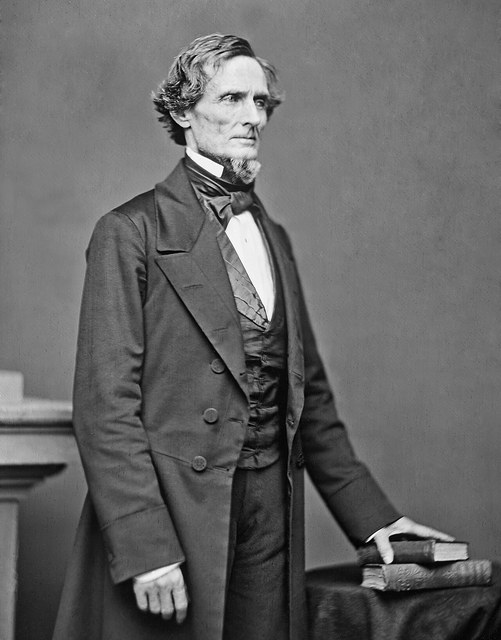
Jefferson Davis

Jefferson Davis
bdi Mathew Benjamin Brady /span /a · Public domain

Confederate president · 1808–1889 · Mississippi, Richmond

Jefferson Davis served as Secretary of War under Franklin Pierce before becoming the only president of the Confederate States of America.

The kit

  • Rise — Jefferson Davis was placed under house arrest for his role in the Eggnog Riot at West Point.
  • Achievements — Jefferson Davis promoted the Gadsden Purchase and created the experimental U.S. Camel Corps as Secretary of War.
  • Conflicts — Jefferson Davis appointed Robert E. Lee to command the Army of Northern Virginia as Confederate president.
  • Death & succession — Jefferson Davis had his citizenship restored by Jimmy Carter in 1978, nearly a century after his death.

Runs with

Secretary of War
Davis served as Secretary of War under Pierce open card →
Mississippi
Confederate States of America
Davis was the only president of the Confederacy open card →
Franklin Pierce
Davis served in Pierce's cabinet as Secretary of War open card →

The ladder · 15 clues

H

While a cadet at the United States Military Academy, this man was placed under house arrest for his role in Eggnog Riot.

H

Answer these questions about the presidency of Franklin Pierce, .Pierce’s Secretary of War was this Mississippian, who later served as President of the Confederacy.

H

This man was defeated by Henry S. Foote for the Mississippi governorship after returning from a foot wound at the Battle of Buena Vista.

H

After only seven months in office, this president was forced to shake-up his cabinet, firing Leroy Walker as Secretary of War and Robert Toombs as Secretary of State.

H

Gossip columnists reported on this man's appearance on a train with Virginia Clay, with whom he exchanged a three-year correspondence after being imprisoned with her husband, Clement, at Fort Monroe.

H

In 1855, this politician imported 33 camels and hired eight expert camel herders in order to create the experimental U.S. Camel Corps.

H

His vice president, Alexander Stephens, stated that this man’s government was founded “upon the great truth” of racial inequality.

M

This man, who served as Secretary of War under Franklin Pierce, assembled a group of advisers including Robert Toombs and Judah Benjamin in his highest post. name this man who resided in the Richmond White House as the Confederate president.

M

In contemporary political cartoons, this man was often depicted in a petticoat because of the rumor that he was captured while wearing his wife’s clothing.

M

As Secretary of War under Franklin Pierce, this man promoted the Gadsden Purchase of southern Arizona from Mexico.

M

Later, this man governed another country from Richmond. name this politician who served as president of the Confederacy.

M

With his wife, Varina, this person adopted the black orphan Jim Limber, who later ran away.

E

Command of the Army of Northern Virginia was given to Robert E. Lee by this only president of the Confederate States of America.

E

Alexander Stephens served as the only Vice President of this President of the Confederacy.

E

As Secretary of War, this person pushed for the use of camels in the American southwest (+) when horses and mules died of dehydration.

10 more clues from the record
H

This man was married to the daughter of Zachary Taylor, but she died after they both contracted malaria in 1835.

H

As Secretary of War, this man attempted to import camels for cavalry soldiers, an experiment which resulted in Douglas the Camel fighting for the 43rd Mississippi.

H

This Secretary of War under Franklin Pierce later appointed Judah Benjamin, James Seddon, and three others as his own Secretaries of War.

H

This man narrowly escaped a court martial for his role in smuggling whiskey into West Point in the Eggnog Riot.

H

On October 17, 1978, Jimmy Carter signed a bill restoring the citizenship of this man, who instated the U.S. Camel Corps.

H

The “Eggnog Riot” led to the confinement of this man, who was the subject of a myth claiming he was captured in women’s clothing.

H

During the Mexican-American War, while still a sitting U.S. Senator, this politician armed and outfitted the Mississippi Rifles.

H

In his early military career, this man was given the honor of escorting the captured chief Black Hawk.

H

This man and his aides were targeted in a failed assassination attempt by Ulric Dahlgren.

H

Answer the following about Wisconsin’s Fort Crawford, .This man met his first wife, Sarah Knox Taylor, while serving at Fort Crawford under Sarah’s father Zachary. As a Cabinet member, this man ordered the Pacific Railroad Surveys and appointed Henry Wayne as the first commander of the U.S. Camel Corps.

Watch out: Alexander Stephens was Davis's Vice President, not a rival president
#188 · Authors, Poets, and Playwrights · Level 1

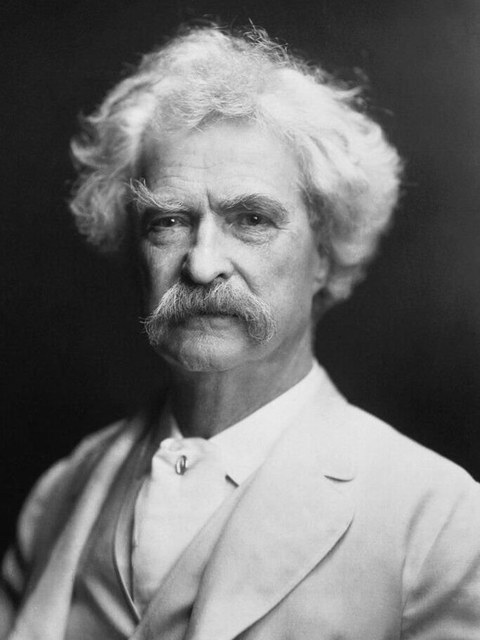
Mark Twain

Mark Twain
A.F. Bradley, New York · Public domain

American author · 1835–1910 · Missouri, United States

Mark Twain was the pen name of Samuel Langhorne Clemens, who chronicled Mississippi River life and criticized American imperialism.

The kit

  • Rise — Mark Twain worked as a steamboat pilot on the Mississippi before mining at Angels Camp, where he wrote about a jumping frog from Calaveras County.
  • Achievements — Mark Twain wrote The Adventures of Huckleberry Finn about a boy traveling downriver with enslaved man Jim, and co-wrote The Gilded Age satirizing political corruption.
  • Conflicts — Mark Twain criticized American imperialism in essays like To the Person Sitting in Darkness about the Philippine-American War and the Boxer Rebellion indemnities.
  • Legacy — Mark Twain's birth and death coincided with appearances of Halley's Comet, which he predicted would mark his passing in 1910.

Runs with

Ulysses S. Grant
Philippines
criticized the Philippine-American War and Moro Crater Massacre open card →
Mississippi River
depicted life along the Mississippi in Tom Sawyer and Huckleberry Finn open card →
Mississippi
described steamboat piloting in Life on the Mississippi open card →

The ladder · 15 clues

H

This author worked with Charles Dudley Warner on an 1873 book satirizing political corruption called The Gilded Age.

H

Author who wrote To the Person Sitting in Darkness criticizing the Philippine-American War

H

This author wrote a semi-fictional account of his travels out to the Wild West in the book Roughin’ It.

H

This writer’s opposition to the collection of indemnities by William Ament after the Boxer Rebellion prompted him to write an essay “To the Person Sitting in Darkness.” This author made a chronicle of a westward stagecoach journey with his brother Orion.

H

What American writer of travel books like Roughing It and A Tramp Abroad was both born and died in the years in which Halley's Comet was visible from Earth?

H

This author presented a fictionalized account of the USS Quaker City’s post-Civil War use in his travel book The Innocents Abroad.

H

This man's poor investments in ventures such as the Paige Compositor led to his bankruptcy, which he overcame with the help of Henry Huttleston Rogers.

M

Southern antebellum society inspired this author to write The Adventures of Huckleberry Finn.

M

This author, whose birth and death coincided with the arrival of Halley’s Comet, wrote about Tom Canty switching places with Prince Edward.

M

This man's publishing company, Charles L. Webster & Company, produced many of this man's works such as Personal Recollections of Joan of Arc. This man accurately predicted he would "go out with it" when referring to Halley's Comet as he died the day after its 1910 appearance. name this author who chronicled his travels in memoirs such as The Innocents Abroad and Roughing It.

M

This author of Roughing It also wrote about his early years as an apprentice to a steamboat captain in Life on the Mississippi, in which he explained the genesis of his pen name. name this author, born Samuel Langhorne Clemens, famous for his Adventures of Tom Sawyer.

M

While mining at Angels Camp, this man was inspired to write a story about a jumping frog from Calaveras County.

M

This author described his time traveling the American West in his semi-autobiographical work, Roughing It.

E

In a novel, this author wrote about a boy who encounters the Duke and the Dauphin [[doh-FAHN]] while traveling down the Mississippi with an enslaved man named Jim.

E

Characters created by this author include Becky Thatcher, Widow Douglas, and the slave Jim. name this American author, who depicted life along the Mississippi River in novels such as Tom Sawyer.

10 more clues from the record
H

This author of The Literary Offenses of James Fenimore Cooper set his novel The Prince and the Pauper in 16th century England.

H

This man co-wrote a satirical novel with Charles Warner subtitled A Tale of Today which lent its name to the Gilded Age.

H

This Southerner served a two-week stint in a Confederate militia known as the Marion Rangers before deserting.

H

This anti-imperialist openly criticized the U.S. for perpetrating the Moro Crater Massacre in his essay Incident in the Philippines.

H

This Missouri man described his time as a steamboat pilot in the antebellum period in Life of on the Mississippi.

H

is partially the setting of what author’s Roughing It?

H

This author wrote King Leopold’s Soliloquy, a satirical criticism of Leopold’s policy towards the Congo. This American author wrote about his tour of the Middle East in The Innocents Abroad.

H

This American author of such riveting works as “The Mysterious Stranger” and Pudd’nhead Wilson.

M

For ten points, name this writer whose Southern upbringing inspired The Adventures of Huckleberry Finn.

M

Zinn has drawn inspiration from this author, whose pacifist short story “The War Prayer” was not published until after his death. This author wrote admiringly about the Boxer rebels in “To the Person Sitting in Darkness.”

Watch out: Students confuse his real name Samuel Clemens with his pen name Mark Twain
#228 · Scientists, Mathematicians, and Inventors · Level 1

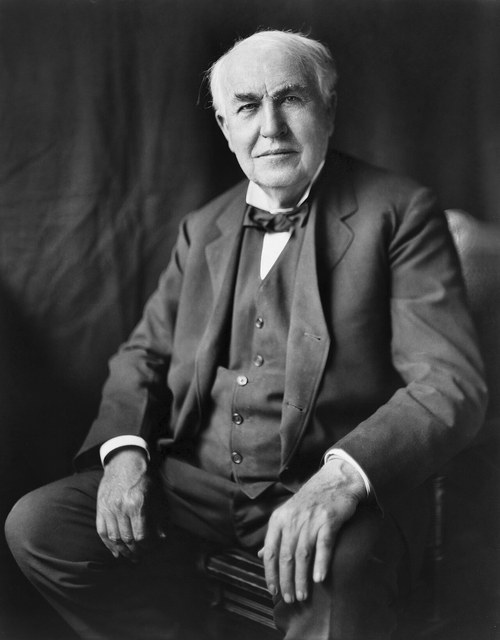
Thomas Edison

Thomas Edison
Louis Bachrach, Bachrach Studios /a , restored by Michel Vui · Public domain

American inventor · 1847–1931 · New Jersey

Thomas Edison held over 1,000 patents and created the Menlo Park Laboratory, earning the nickname "Wizard of Menlo Park."

The kit

  • Achievements — Thomas Edison invented the phonograph, developed the first mass-market incandescent light bulb, and improved carbon transmitter technology for telephones.
  • Conflicts — Thomas Edison championed direct current in the "War of the Currents" against alternating current, feuding with George Westinghouse and former employee Nikola Tesla.
  • Film work — Thomas Edison founded the Black Maria film studio in West Orange, where almost 1,200 films including The Great Train Robbery were produced.
  • Legacy — Thomas Edison created what may have been the world's first industrial research lab and popularized the stock ticker.

Runs with

New Jersey
operated laboratories at Menlo Park and West Orange open card →
J.P. Morgan
George
feuded with George Westinghouse over electrical current open card →
William
worked with William Kennedy Dickson on the Kinetoscope open card →

The ladder · 15 clues

H

This man and Emile Berliner each developed a carbon transmitter which improved on Alexander Graham Bell’s principles and was used in all subsequent pre-digital telephones.

H

worth golden rod to increase its latex output, this man operated a film studio called the Black Maria.

H

This man produced almost 1200 films including The Great Train Robbery and Frankenstein at his Black Maria [[muh-RYE-uh]] film studio.

H

The son-in-law of Nathaniel Hawthorne, George Lathrop, finished this man’s planned sci-fi novel titled Progress.

H

Two of this man's children were named "Dot" and "Dash". :Name this inventor who pioneered the phonograph and the motion picture camera. A prolific inventor, he was known as the "Wizard of Menlo Park".

H

While serving as head of the Naval Consulting Board during World War One, this man sought to discover a domestic source of rubber.

H

George Westinghouse feuded with this man, who participated in the “War of the Currents” against his former employee, Nikola Tesla.

M

This “Wizard of Menlo Park” was a proponent of direct current which differed from the alternating current of his rival, Nikola Tesla. name this inventor of the light bulb.

M

This man founded the Black Maria studio in West Orange and used the kinetoscope to shoot many early films, including one of Fred Ott sneezing.

M

This man may have created the world’s first industrial research lab at a site in West Orange, New Jersey.

M

This man organized an event to discredit a rival’s theory that involved an elephant named Topsy.

M

This man developed the Universal Stock Printer for a company that would become a subsidiary of his onetime employer Western Union.

E

This man, who had over 1,000 patents, created the Menlo Park Laboratory. name this inventor of the phonograph and incandescent light bulb.

E

Nicknamed the "Wizard of Menlo Park," this is this man who invented the phonograph and the first mass-market incandescent light bulb.

E

Often called “the Wizard of Menlo Park,” who was this prolific inventor with 1,093 patents, including one for the light bulb?

10 more clues from the record
H

This man stated “Gold is a relic of Julius Caesar, and interest is an invention of Satan” while advocating for monetary reform.

H

William Lawrence Saunders replaced this man as chairman of the Naval Consulting Board created after this man proposed it.

H

After the death of his wife, this man moved to West Orange where he built the Glenmont estate.

H

This man bankrolled Black Maria Studios so that he would have a chance to test his kinetoscope.

H

Inventor of the incandescent lightbulb, who Ford started working for at the beginning of his career.

H

This man popularized the stock ticker, which led to the growth of bucket shops.

H

With William Kennedy Dickson, this man made the "Kinetoscope," and his factories made Vitascopes.

H

Because of this man's vigorous enforcement of film patents, more French-made films appeared on American movie screens from 1906 to 1909 than American-made ones. :Identify this man who set up a facility for inventions in Menlo Park, New Jersey.

H

This man's hand-pressed newspaper business ended when he was kicked out of the train car where he printed it for causing a fire with a chemistry experiment.

H

Starting in 1914, Henry Ford and Harvey Firestone joined this man on much-publicized car camping trips each summer.

Watch out: Nikola Tesla was Edison's former employee, not merely an independent rival
#243 · Scientists, Mathematicians, and Inventors · Level 1

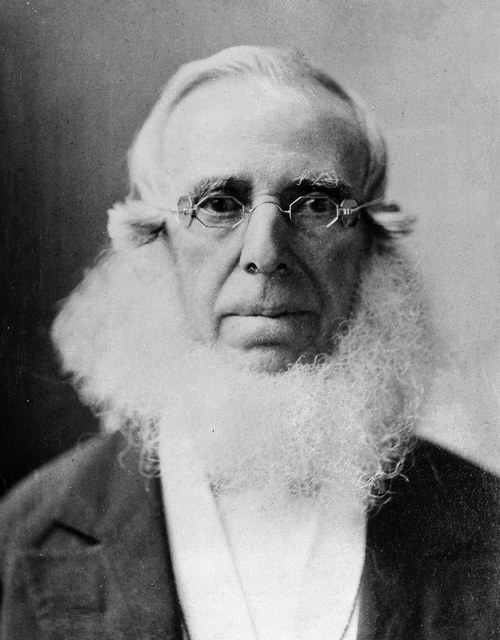
Peter Cooper

Peter Cooper
Brown Brothers · Public domain

American industrialist and inventor · 1791–1883 · New York and Baltimore

Peter Cooper built America's first steam locomotive, Tom Thumb, founded Cooper Union in Manhattan, and ran for president on the Greenback Party ticket in 1876.

The kit

  • Innovations — Peter Cooper invented a process for puddling iron using anthracite coal at his Canton Iron Works in Baltimore.
  • Tom Thumb — Peter Cooper built the Tom Thumb steam locomotive for the Baltimore and Ohio Railroad in a successful 1830 demonstration.
  • Cooper Union — Peter Cooper founded a tuition-free engineering and art school in Manhattan that offered free education until 2014.
  • Presidential run — Peter Cooper became the Greenback Party's first presidential nominee in 1876 at age 85, with Samuel Fenton Cary as running mate.

Runs with

Railroad
built Tom Thumb locomotive for B&O Railroad open card →
Iron
owned Canton Iron Works, developed anthracite coal iron-puddling process open card →
New York City
founded Cooper Union in Manhattan, lived in Gramercy Park open card →
Baltimore
established Canton Iron Works in Baltimore open card →

The ladder · 15 clues

H

A speech given at an institution named for this man contains historical analysis of which Founding Fathers voted to restrain slavery in the territories.

H

This man convinced the owners of the B&O railroad that steam power was effective by demonstrating his own steam-powered locomotive, called the Tom Thumb, in a wildly successful trial in 1830.

H

Patents owned by this man relating to gelatin were named by his wife as “Jell-O.” At age 85, this man ran with Samuel Fenton Cary for president.

H

De Witt Clinton approved of an endless chain this man invented to pull boats on the Erie Canal.

H

At one of this man's iron mills, he created the process for puddling iron using anthracite coal.

H

The notable quotations of this man include his advice "give a man a gift, but do not endorse his note" and his motto that "there must be no fee paid...for education ought to be as free as air and water." His sons Edward and Abram Hewitt both became mayors of New York.

H

This industrialist, who was one of Field’s collaborators in the Atlantic Telegraph Company, built an innovative steam locomotive called Tom Thumb for the B&O Railroad, and founded a namesake engineering and art school in Manhattan.

H

Shortly before his death, this man compiled his political speeches and letters into the collection Ideas for a Science of Good Government, which strongly advocated for fiat currency and condemned usury.

M

At the Canton Iron Works, this man built the Tom Thumb steam locomotive for the Baltimore and Ohio Railroad.

M

Abram Hewitt helped this man found an institution that offered free tuition to all students until 2014. name this man who ran in the 1876 Presidential Election with the Greenback Party, the namesake of a “Union” school in New York City.

M

The Greenbacks also made their debut in the election of 1876 by nominating this polymath and inventor, who patented a method of making gelatin and the first steam locomotive in the U.S.

M

This inventor and owner of an epic beard manufactured the first American locomotive and ran for president with the Greenback party in 1876.

M

He's also the namesake of a certain union set up in New York for the advancement of science.

E

In 1825, this inventor built the Tom Thumb, the first steam locomotive in America. In 1876, this opponent of the gold standard became the first presidential nominee of the Greenback Party. identify this founder of a long tuition- free arts and engineering school in Manhattan known as his "union."

E

He established an “open and free” college where Abraham Lincoln affirmed his opposition to the spread of slavery. name this industrialist, who founded a namesake “Union” in New York City.

5 more clues from the record
H

While fouling up the waterways of Gowanda with his glue factory, this man joined other Gramercy Park residents in backing Cyrus Field’s planned transatlantic telegraph line.

H

This man invented a circular elevator shaft before the first elevator was even invented in expectation of the imminent invention of a mechanism to transport people up and down buildings.

H

Originally a coachmaker's apprentice, he co-founded the Canton Iron Works in Baltimore after making money by opening a glue-making factory.

H

He took Samuel Cary as his running mate when he was nominated to run for president at the very old age of 85.

H

At a building named for this man, Clara Lemlich gave a Yiddish speech that sparked the Uprising of the 20,000.

Watch out: Abram Hewitt helped Cooper found Cooper Union but was not Cooper's son
#259 · US Presidents · Level 1

Abraham Lincoln

Abraham Lincoln
bdi Alexander Gardner /span /a · Public domain

16th U.S. President · 1809–1865 · United States

Abraham Lincoln led the Union through the Civil War, issued the Emancipation Proclamation, and delivered the Gettysburg Address before his 1865 assassination.

The kit

  • Rise — Abraham Lincoln debated Stephen Douglas in the 1858 Senate election, articulating anti-expansion views on slavery in his Cooper Union speech.
  • Achievements — Abraham Lincoln signed the Emancipation Proclamation and delivered the Gettysburg Address proclaiming government of the people shall not perish.
  • Conflicts — Abraham Lincoln suspended habeas corpus three times during the Civil War and nearly went to war with Britain over the Trent Affair.
  • Death & succession — Abraham Lincoln was assassinated by John Wilkes Booth at Ford's Theater near the start of his second term in 1865.

Runs with

American Railway Union
Illinois
Lincoln served as Illinois politician and delivered House Divided speech at Springfield capitol open card →
John Wilkes Booth
Booth assassinated Lincoln at Ford's Theater in 1865 open card →
Emancipation Proclamation
Lincoln signed this proclamation freeing slaves during Civil War open card →

The ladder · 15 clues

H

On the day that this man said “Let us have faith that right makes might” in the Cooper Union speech, he was photographed at Mathew Brady’s studio in New York.

H

A 2005 biography of this president reportedly inspired Barack Obama to name Hillary Clinton as Secretary of State. name this president, the focus of Doris Kearns Goodwin’s Team of Rivals, in which he appoints men like Salmon Chase and William Seward to his Cabinet before the Civil War.

H

A speech by this man notes “Fondly do we hope, fervently do we pray, that this mighty scourge of war may speedily pass away.” In that speech, this man advocated for a policy of “malice toward none with charity for all.” This man noted that a “government by the people... will not perish from this earth” in a speech that began “Four score and seven years ago...” name this President who delivered the Gettysburg Address.

H

Doris Kearns Goodwin wrote a work about this man’s cabinet titled Team of Rivals.

H

This man delivered the Peoria speech in opposition to the Kansas-Nebraska Act.

H

James Buchanan was succeeded as president by this man. He declared "A house divided against itself cannot stand" and delivered the Gettysburg Address.

H

This president’s only military service came as a militiaman in the Black Hawk War. Before becoming president, he debated Stephen A. Douglas.

M

At a speech at the capitol in Springfield, this man stated a “house divided against itself cannot stand.” name this Illinois politician who won the Presidential Election of 1860.

M

Near the start of his 2nd term, this President was assassinated while at Ford’s Theater by John Wilkes Booth. name this 16th President of the United States.

M

A brigade of international volunteers in the Spanish Civil War was named after this namesake of Nebraska’s capital city.

M

Another depiction of this man was carved by the Piccirilli brothers and designed by Daniel Chester French for his seated memorial, which is located opposite the Washington Monument. name this president, whose memorial and image are featured on the American penny.

M

Hank Thompson was the only person to ever throw this man, whom he fought while a soldier in the Black Hawk War.

E

This leader gave the "House Divided" speech, and he engaged in a series of debates with Stephen Douglas during the 1858 Senate election.

E

During the Civil War, this man suspended the writ of habeas corpus three times, to much controversy. :Name this man who signed the Emancipation Proclamation.

E

Stephen Douglas engaged in a series if debates with this man in 1856 for control of a Midwestern Senate seat.

10 more clues from the record
H

Douglas articulated the Freeport Doctrine during a series of debates against this Illinois politician, who served as president of the United States from 1861 until his assassination in 1865.

H

At the start of the Mexican-American war, he introduced the never debated Spot Resolutions and later established his anti-expansion views on slavery in his Cooper Union Speech.

H

A poem about this man describes how a “great star early droop’d in the western sky at night”.

H

Jim Kennally planned to steal this object and ransom it for $200,000, but was caught in a sting operation by Lewis Swegles.

H

The case Ex parte Merryman questioned this man’s decision to suspended habeas corpus in Maryland.

H

This man contested the Mexican-American War with his Spot Resolutions as a representative from Illinois.

H

A biography of this man ends with a Lydia Marie Child quote about how he was “willing to grow.” That book, The Fiery Trial, won a Pulitzer Prize for Eric Foner.

H

This President nearly went to war with Great Britain after the USS San Jacinto arrested John Slidell and James Mason from aboard the RMS Trent.
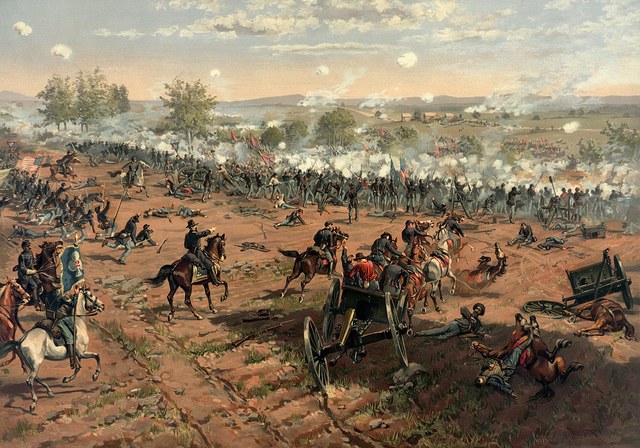
H

John Power created a “Guard of Honor” to protect this object, which he hid in a muddy basement for over 20 years before it was protected under concrete.

H

When this man’s re-election hopes looked grim, he asked his cabinet to sign a pledge to end an ongoing war during his lame duck term.

Watch out: Students may incorrectly date the Lincoln-Douglas debates to 1856 rather than 1858
#264 · US Presidents · Level 1

Ulysses S. Grant

Ulysses S. Grant
Brady-Handy Photograph Collection, Library of Congress · Public domain

18th US President · 1869–1877 presidency · United States

Ulysses S. Grant was the 18th US President and Union general-in-chief who accepted Lee's surrender at Appomattox Courthouse.

The kit

  • Rise — Ulysses S. Grant earned the nickname "unconditional surrender" after capturing Fort Donelson during the Civil War.
  • Achievements — Ulysses S. Grant established Yellowstone as the first national park and used the Justice Department to prosecute Klansmen.
  • Conflicts — Ulysses S. Grant's administration was plagued by the Whiskey Ring and Crédit Mobilier scandals involving widespread bribery.
  • Legacy — Ulysses S. Grant wrote his memoirs with the assistance of Mark Twain while dying of cancer.

Runs with

American Railway Union
No connection evident in clues open card →
John
No connection evident in clues open card →
Andrew Johnson
Grant succeeded Andrew Johnson as president in 1869 open card →
Battle of Shiloh
No connection evident in clues open card →

The ladder · 15 clues

H

This politician was inspired by the Quakers to appoint Ely S. Parker as his Commissioner for Indian Affairs.

H

During this man’s Presidency, Oakes Ames was caught overcharging the Union Pacific Railroad as part of the Credit Mobilier scandal.

H

This man’s Secretary of War appointed Caleb Marsh to be a trader at Fort Sill for a bribe; that man was William Belknap.

H

This man’s treasury secretary, Benjamin Bristow, exposed widescale bribery involving taxes on alcohol.

H

This man’s personal secretary, Orville Babcock, was implicated in the Whiskey Ring scandal.

H

While dying, this President wrote his memoirs with the assistance of Mark Twain.

H

As Union general-in-chief received Confederate surrender at Appomattox?

M

This man’s brother-in-law, Abel Corbin, provided inside information to Jay Gould and Jim Fisk as they tried to corner the gold market.

M

This man’s private secretary, Orville Babcock, helped St. Louis distillers create an infamous Whiskey Ring.

M

This man gained the nickname “unconditional surrender” after capturing Fort Donelson.

M

Benjamin Bristow resigned as Secretary of the Treasury after a conflict with this man’s personal secretary.

M

Answer some questions about controversial Secretary of War William Belknap {BELL-NAPP}. …Belknap was appointed as Secretary of War by this President, who succeeded Andrew Johnson in 1869.

E

The Whiskey Ring and Crédit Mobilier scandals plagued the administration of this 18th US president and prominent Civil War general.

E

This man accepted the surrender of the Army of Northern Virginia, under the command of Robert E. Lee, at Appomattox Courthouse. name this Civil War general who led the Union Army.

E

During this man’s re-election campaign against Horace Greeley, his opponents railed against his vice president, Schulyer Colfax, and others for taking bribes from a railroad construction company. name this U.S. president whose administration was plagued by the Whiskey Ring and Credit Mobilier [moh-beel-yay] scandals, but whose reputation as a Union general earned him re-election.

10 more clues from the record
H

A cabal of politicians and distillers working within this man's administration were revealed by Benjamin Bristow to be avoiding state taxes.

H

This president’s treasury secretary, George Boutwell, was influenced by businessman Daniel Butterfield.

H

This leader ordered a military expedition led by John Rodgers to the island of Gangwha in an unsuccessful attempt to establish trade relations with Korea.

H

This president, who established Yellowstone as the first national park in the United States, used the Department of Justice, which he created, to prosecute Klansmen.

H

Name these Civil War generals, .He was made general-in-chief of the Union army in 1864 following his victory at Vicksburg. Later he would accept Lee’s surrender at Appomattox Courthouse.

H

This president’s private secretary, Orville Babcock, was implicated in a scandal involving unpaid liquor taxes.

H

The Alabama Claims were resolved by his administration's Treaty of Washington made with Britain, and in order to stabilize the economy this president signed the Resumption of Specie Act.

H

This president fired John Lothrop Motley as ambassador to Great Britain in the aftermath of the Senate’s rejection of his plan to annex Santo Domingo.

H

His secretary of the interior, Columbus Delano, and his secretary of the navy, George Robeson, both got caught taking bribes for contracts.

H

The biographer of Alexander Hamilton, Ron Chernow, published a biography about this man in 2017.

Watch out: Andrew Johnson (Grant's immediate predecessor as president, succeeded Lincoln)
#274 · US Laws, Amendments, and Official Documents · Level 1

Fourteenth Amendment

Fourteenth Amendment
Ssolbergj · Public domain

Reconstruction-era constitutional amendment · 1868 · United States

Fourteenth Amendment granted citizenship to all persons born in the United States and established the Equal Protection and Due Process Clauses.

The kit

  • Citizenship & structure — Fourteenth Amendment's first section granted citizenship to all persons born in the United States, originally applied to freed slaves after the Civil War.
  • Key clauses — Fourteenth Amendment's Equal Protection Clause and Due Process Clause became the basis for incorporation doctrine, applying the Bill of Rights to states.
  • Ratification & rejection — Fourteenth Amendment was originally rejected by Georgia and former Confederate states were required to ratify it for re-admittance to the Union.
  • Section Three enforcement — Fourteenth Amendment's Section Three disqualifies officeholders for insurrection or rebellion and was used against Socialist Victor Berger in 1919.

Runs with

Lochner v. New York
struck down maximum work-hours law using Due Process Clause open card →
Bill of Rights
applied to states through incorporation doctrine open card →
Women's SuffrageBakumatsu Period

The ladder · 15 clues

H

The only usage of this amendment's Section Three was against the Socialist Victor Berger, who was convicted of violating the Espionage Act.

H

Oliver Wendell Holmes wrote that this amendment “does not enact Mr. Herbert Spencer’s Social Statics” in the case Lochner v.

H

Extends the guarantee of due process and equal protection to all persons, and grants citizenship to “all persons born... in the United States.”

H

In explaining his support for this text, Thaddeus Stevens claimed he voted for it “because [he lived] among men and not angels." This text was originally rejected by Georgia.

H

A district court in Texas ruled in 2019 that male-only conscription was unconstitutional as it breached the equal protection clause of this Constitutional amendment.
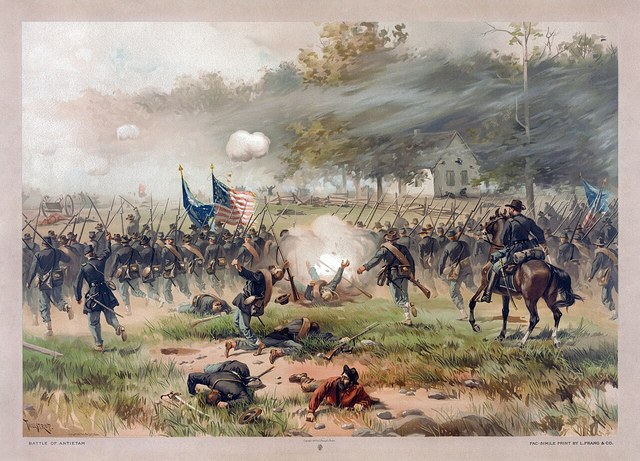
H

John Bingham reworded one section of this amendment to remove language describing racial discrimination in favor of broader protection.

H

Nancy Pelosi tried to invoke a little-known section of this amendment that disqualifies people for office on the basis of insurrection.

M

Its fourth section refused to honor debts made by the Confederacy, and its first section notes that “[no] State shall deprive any person of life, liberty, or property without due process of law.” The Equal Protection clause is contained in, what Reconstruction amendment that granted “all persons born [...] in the United States” citizenship?

M

Connecticut held that this amendment established a “right to privacy." name this Constitutional amendment that established the Equal Protection Clause.

M

The Supreme Court struck down restrictive covenants on the grounds that they violated the equal protection clause of this amendment to the Constitution.

M

The Chinese Exclusion Act led to the 1898 case United States v. Wong Kim Ark, which helped cement birthright citizenship as stated in this amendment, originally applied to freed slaves.

M

Ferguson created the doctrine of “separate but equal” to satisfy this amendment’s requirements. name this amendment, passed in 1868, which guaranteed due process to freed black slaves.

E

The Equal Protection and Due Process Clauses are found in, what second of the three reconstruction amendments that redefined citizenship.

E

It's not the Fifth Amendment, but this amendment’s Due Process Clause was used to apply the Bill of Rights to states.

E

Incorporation is typically justified by the “Equal Protection Clause” of this constitutional amendment, which was the second of three amendments passed after the end of the Civil War.

10 more clues from the record
H

The “Privileges and Immunities” Clause of this amendment were essentially read out of it by the Court’s decision in the 1873 Slaughter-house Cases.

H

Laws that are facially race-neutral were found to still potentially violate this amendment’s Equal Protection Clause.

H

In 1919, socialist Victor Berger’s seat in Congress was disqualified under this amendment’s third section.

H

Compulsory public education in Oregon was struck down in Pierce v.

H

Jurisprudence arising out of this amendment established the only two ways to lose citizenshsip, and Lochner vs New York used this amendment to strike down a law setting maximum work hours.

H

The case against Trump in Colorado focused on this constitutional amendment, which was adopted following the American Civil War to disqualify candidates who had engaged in “insurrection or rebellion against the United States”.

H

One Supreme Court case cited this constitutional amendment in order to strike down a California law limiting welfare benefits for recently-arrived residents.

H

Former Confederate states were required to ratify this amendment in order to secure re-admittance to the Union, and it contains provisions for incorporating the Bill of Rights. name this Amendment referenced in Saenz v.

H

The process of attributing rights to one of its clauses is called “incorporation doctrine” and was first laid out in Gitlow v.

H

Southern Pacific Railroad Company, allowing trusts to thwart state prosecutions in cases like Smyth v.

Watch out: Fifth Amendment also contains a Due Process Clause but applies to federal government, not states
#284 · US Laws, Amendments, and Official Documents · Level 1

Emancipation Proclamation

Emancipation Proclamation
Thomas Nast · Public domain

1863 executive order · January 1, 1863 · United States

Emancipation Proclamation was Abraham Lincoln's 1863 executive order freeing slaves in Confederate-controlled territory.

The kit

  • Timing — Emancipation Proclamation's preliminary version was issued five days after the Battle of Antietam in September 1862.
  • Scope — Emancipation Proclamation specifically excluded New Orleans, Tennessee, and areas becoming West Virginia from its provisions.
  • Military impact — Emancipation Proclamation allowed for black troops to serve and urged freed people to labor for reasonable wages.
  • Legacy — Emancipation Proclamation was replaced by the Thirteenth Amendment and referenced in King's "I Have a Dream" speech.

Runs with

Abraham Lincoln
Lincoln issued it after reading draft to cabinet members Seward and Welles open card →
Horace Greeley
Greeley advocated for it in "The Prayer of Twenty Million" editorial open card →
Battle of Antietam
Union victory at Antietam emboldened Lincoln to issue preliminary version five days later open card →
American Railway Union

The ladder · 15 clues

H

This executive order was called for in Horace Greeley’s “Prayer of Twenty Millions.” An early draft of this executive order was approved by Vice President Hannibal Hamlin.

H

Roughly sixth months before the issuing of this document, its author read a preliminary version to Gideon Welles and William Seward.

H

This document is labeled a hoax and part of an insidious scheme in Lerone Bennett Jr.’s book Forced Into Glory.

H

Martin Luther King’s “I Have a Dream” speech opens with a reference to this policy, which had been signed “five score years ago.” This policy said a class of people should “labor faithfully for reasonable wages” and offered military service as an option.

H

It specifically excluded the area surrounding New Orleans and most of Tennessee. –Name this 1863 executive order that allowed for black troops and declared Confederate-owned slaves free.

H

According to its invocation, this ruling was “sincerely believed to be an act of justice warranted by the Constitution.” This ruling came with one hundred days’ notice and specifically exempted New Orleans and the land that was to become West Virginia.

H

This document specifically exempted the cities of Norfolk and Portsmouth and it contained a window of three months during which targeted states could avoid its provisions.

M

The Thirteenth Amendment replaced this 1862 order by Abraham Lincoln issued to free slaves.

M

This edict was inspired by Horace Greeley’s “The Prayer of Twenty Million.” The Confiscation Act of 1861 served as a precursor to this executive order.

M

The preliminary version of this order was issued five days after the Battle of Antietam, and it did not apply to what would become West Virginia. name this 1863 order from Abraham Lincoln freeing all slaves in rebellious areas.

M

This 1863 speech freed all slaves in states under Confederate control.

M

The Second Confiscation Act and Militia Act preceded the issuing of this document.
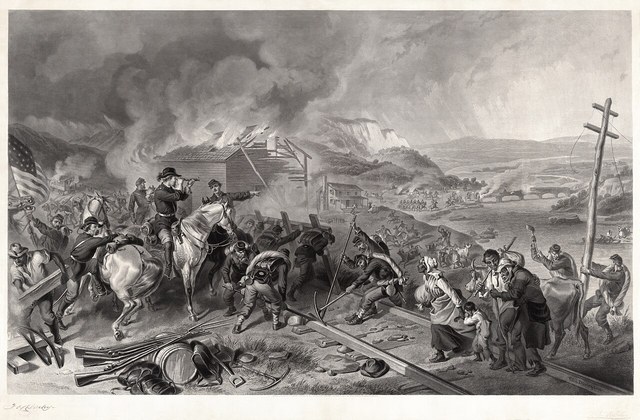
E

Document that President Lincoln announced after the victory, pledging to free slaves in the New Year.

E

Horace Greeley advocated for this document in “The Prayer of Twenty Million.” A Union victory at Antietam emboldened the formulator of this document. name this executive order issued by Abraham Lincoln which freed the slaves in Confederate territory.
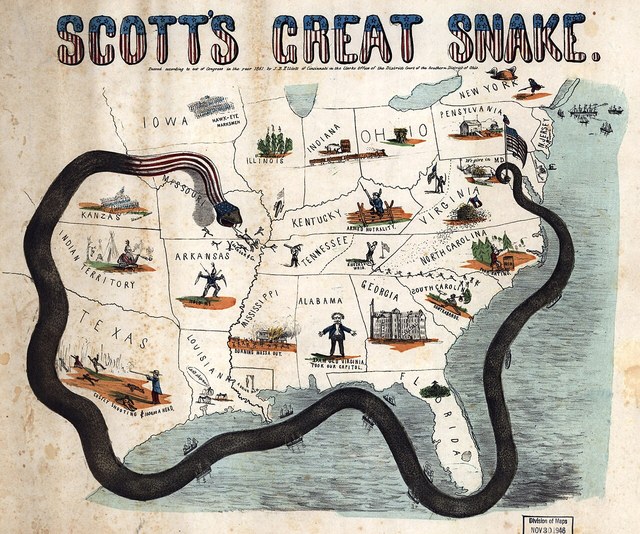
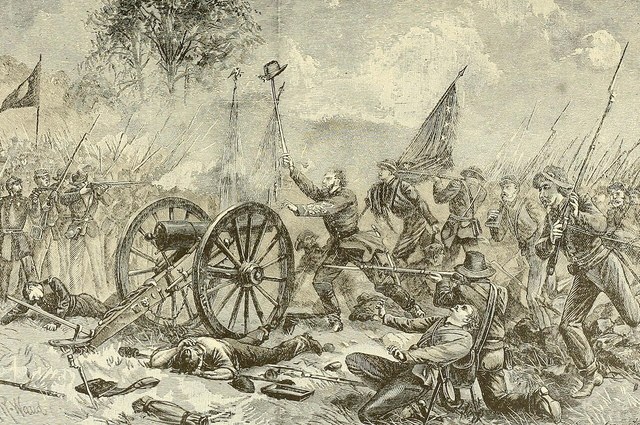
E

This document, issued after the Union victory at Antietam, only applied to civilians living in the “rebellious states” of the South.

10 more clues from the record
H

This document was a follow up to the Second Confiscation Act, which created a sixty day period before violators were subject to criminal proceedings.

H

Attempts to suppress news of this document were countered by a group of secret messengers called the 4Ls.

H

This document excluded twelve Louisiana parishes and seven Virginia counties.

H

The major turn away from that strategy came with the publication of this document dated January 1, 1863. It was given as an ultimatum to rebellious states on September 22, 1862, five days after the Battle of Antietam.

H

The goal of this policy was supported in Horace Greeley’s “The Prayer of Twenty Million.” New Orleans and recently-occupied Tennessee were excluded from this policy, as it only applied to territory in rebellion.

H

Massachusetts Senator Henry Wilson and two others helped pass a precursor to this legislation for the District of Columbia and urged its creator to hurry with a national version.

H

In a cartoon by Currier and Ives, this legislation is represented with an axe, which its drafter claims "is the only thing that can fetch" a chained dog labelled "Rebellion".

H

After the issuance of this document, Giuseppe Garibaldi congratulated its drafter by saying that he had gained "a more enviable title than any crown could be".

H

Greeley’s Tribune openly supported this 1862 Presidential decree by Lincoln which freed slaves in areas under Union control.

H

The "preliminary" version of this document set a deadline of January 1 the following year before its provisions would take force.

Watch out: Often misdated to 1862; the final order was January 1, 1863, though preliminary version issued September 1862
#306 · Historic Buildings and Museums · Level 1

Appomattox Court House

Appomattox Court House
Doug Coldwell · CC BY-SA 3.0

Virginia village · April 1865 · central Virginia

Appomattox Court House was the Virginia village where Robert E. Lee surrendered the Army of Northern Virginia to Ulysses S. Grant on April 9, 1865.

The kit

  • Retreat — Appomattox Court House was where Lee's army fled after losing the Siege of Petersburg and the Battle of Five Forks in late March 1865.
  • Surrender — Appomattox Court House was the site where Lee surrendered to Grant at Wilmer McLean's house, ending the Civil War in the eastern theater.
  • McLean House — Appomattox Court House featured the McLean House, where Wilmer McLean had moved after the war began in his front yard at Manassas.
  • Legacy — Appomattox Court House is now a national monument containing the Peers House, New County Jail, Sweeney Prizery, and Bocock-Isbell House.

Runs with

Virginia
village in central Virginia open card →
Robert E. Lee
site of Lee's surrender and Army of Northern Virginia's disbanding open card →
American Railway Union
Ulysses S. Grant
Grant accepted Lee's surrender at McLean House there open card →

The ladder · 11 clues

H

Ely Parker was told, "I'm glad to see one real American here," at a house in this place to which Wilmer McLean had moved four years prior.

H

This village and national monument currently contains the Peers House, New County Jail, Sweeney Prizery, and the Bocock-Isbell House.

H

While residing in this village, Wilmer McLean supposedly said, “The war began in my front yard and ended in my front parlor.” :Name this village in central Virginia, where Robert E. Lee fled after losing the Siege of Petersburg.

H

An army aiming to retreat to North Carolina after the Battle of Five Forks was eventually trapped at this place two weeks after the Petersburg Campaign ended.

H

After moving to Virginia to escape the fighting, McLean moved to this three-word village where Lee’s surrender to Grant occurred inside his home.

H

After Petersburg fell in late March 1865, Lee fled to this building, where he made his last stand but later surrendered in April.

H

Henry Wise said, "There is no country," to urge an action taken at this place, which was followed by General Order No. 9 and a later meeting at Bennett Place.

H

Identify the following relating to courthouses in the Civil War, .This courthouse was the site of Lee’s official surrender to Grant at the end of the war.

M

A battle in the U.S. Civil War was fought in this namesake Virginian village before Robert E. Lee and Ulysses S. Grant met at McLean House.

M

A president asked the Marine band to play "Dixie" after an event at this place, where the Army of Northern Virginia was disbanded days after the capture of Richmond. in what Virginia town did Ulysses Grant accept Robert E. Lee's surrender?

E

Lee surrendered to Grant at the McLean House near this Virginia town, whose name includes the appellation “Court House.”

Watch out: Petersburg (Lee fled there after losing the siege, but surrendered at Appomattox)
#311 · Historic Buildings and Museums · Level 1

Fort Sumter

Fort Sumter
Bubba73 /a (talk) /a , (Jud McCranie) · CC BY-SA 3.0

Charleston Harbor fort · 1861 · Charleston, South Carolina

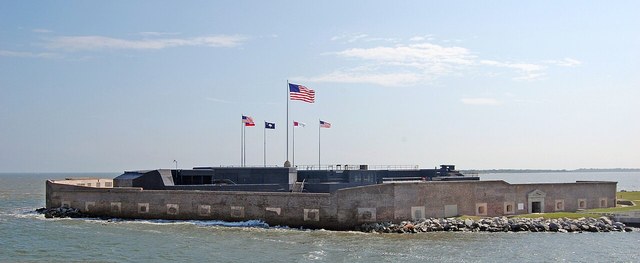
Fort Sumter was a pentagonal Union fort in Charleston Harbor whose Confederate bombardment on April 12, 1861 began the Civil War.

The kit

  • Construction & Location — Fort Sumter was built starting in 1829 as a pentagonal edifice on a man-made island of seashells and granite.
  • Opening bombardment — Fort Sumter was bombarded by P.G.T. Beauregard's Confederate forces after Union commander Robert Anderson refused to evacuate the garrison.
  • Failed resupply — Fort Sumter's resupply by the unarmed Star of the West failed when the ship was fired upon by batteries at Fort Moultrie.
  • Surrender — Fort Sumter was surrendered by Major Robert Anderson on April 13, 1861 after a 34-hour siege, with only two Union casualties from an accidental explosion.

Runs with

South Carolina
located in Charleston Harbor, South Carolina open card →
Charleston
situated in Charleston Harbor open card →
P.G.T. Beauregard
bombarded by Beauregard's Confederate forces open card →
American Railway Union

The ladder · 15 clues

H

The first shots fired from this location were overseen by Abner Doubleday, while Robert Anderson commanded its defense.

H

Abner Doubleday called himself the "hero" of this location for firing the first return shot, which completely missed.

H

The unarmed Star of the West was sent to resupply this location but was promptly fired upon.

H

Gustavus Fox’s attempt to relieve this location failed when the Powhatan was sent to Florida without his knowledge.

H

The ship Baltic was assigned to bring troops to this location under the command of Gustavus Fox.

H

The Star of the West attempted to reinforce this location but was stopped by heavy fire from the Citadel.

H

Abner Doubleday ordered a cannon salvo on Cummings Point to defend this location.

M

PGT Beauregard’s bombardment of this location began when Robert Anderson’s Union troops refused to vacate their defenses in Charleston harbor. name this South Carolina fort whose seizure in 1861 marked the beginning of the Civil War.

M

Robert Anderson was forced to surrender this location to P. G. T. Beauregard.

M

As South Carolina’s state inspector general, Gist helped secure arms in the run-up to an 1861 attack on this Charleston fort, which began the Civil War.

M

Confederate general from Virginia who surrendered at Appomattox Courthouse? ANSWER: Robert E Lee (3) South Carolina fort whose siege marked the start of the war?

M

Batteries at Fort Moultrie prevented the Star of the West from resupplying this location.

E

After James Buchanan refused Francis Pickens’s order to surrender this fort, a force led by P.G.T. Beauregard began its attack. name this fort in Charleston Harbor, the site of the first battle of the Civil War.

E

Students at the Citadel helped besiege this harbor fort in South Carolina where the first shots of the Civil War were fired.

E

In December 1860, Major Anderson sought to strengthen his position here, but Pierre Beauregard ordered fire upon it. —name this Charleston, South Carolina site which saw the start of the Civil War.

10 more clues from the record
H

name these forts that were sites of conflict during American history:The first battle of the Civil War occurred at this fort, which was besieged by Confederate general General P.G.T. Beauregard for 34 hours.

H

Major Robert Anderson led the Union troops during the battle at this location.Name this fort that was bombarded and captured by Confederate forces to begin the Civil War.

H

Daniel Hough and Edward Galloway died here in an explosion sparked during a 100-gun salute and were the only casualties of the losing side.

H

South Carolina’s secession was soon followed by the bombardment of this fort in Charleston Bay, thus commencing hostilities between the North and the South.

H

While visiting this location, Roger Pryor assumed a bottle of iodide was actually whiskey and almost died after he consumed it.

H

It was attacked on April 12 and by April 13, Major Robert Anderson had surrendered and evacuated his garrison. —Name this site in Charleston harbor.

H

In 1829, construction began on this pentagonal edifice, built on a man-made island of seashells and granite.

H

An object taken from this location inspired the Frederic Church painting Our Banner in the Sky.

H

A special award called the Gillmore Medal was created to commemorate a battle at this location.

H

Francis W. Pickens ordered an attack on this location after a leader refused to withdraw its garrison.

Watch out: Robert Anderson (Union commander at Fort Sumter) vs. Robert E. Lee (Confederate general who surrendered at Appomattox)
#358 · Companies, Corporations, and Financial Institutions · Level 1

Railroad

Railroad
a rel="nofollow" Carl Chapman /a from Phoenix · CC BY-SA 2.0

Transportation industry · 1830s–early 1900s peak · Britain, United States, Canada

Railroad was the transportation industry that built track networks for trains, dominated the Gilded Age economy, and sparked major labor conflicts.

The kit

  • Technology — Railroad technology began with George Stephenson's Rocket locomotive and suffered its first casualty when William Huskisson was killed after shaking hands with the Duke of Wellington.
  • Expansion — Railroad construction created a Transcontinental system built by Union Pacific and Central Pacific, commemorated by Leland Stanford driving a Golden Spike at Promontory Point, Utah.
  • Scandals — Railroad scandals included Congressman Oakes Ames's involvement in the fraudulent Credit Mobilier Company during Ulysses Grant's presidency and bribes that forced Canadian Prime Minister John MacDonald to resign.
  • Labor conflicts — Railroad workers launched the Great Strike of 1877, suppressed by federal troops under Rutherford B. Hayes, and Eugene V. Debs led a strike against the Pullman Company that resulted in his jailing.

Runs with

Pacific
Central Pacific built western half of Transcontinental Railroad open card →
American Railway Union
led Pullman strike against railroad companies open card →
Cornelius Vanderbilt
Gilded Age tycoon in railroad industry open card →
Gadsden Purchase

The ladder · 15 clues

H

Congressman Oakes Ames was implicated in a scandal in this industry involving the sale of stock in the fraudulent Credit Mobilier Company.

H

Monroe Heath, then the Mayor of Chicago, recruited five thousand men to suppress this industry’s 1877 “Great Strike.” Leland Stanford was a member of the “Big Four,” a group that dominated this industry west of the Mississippi.

H

That merger in this industry was declared an illegal monopoly in a 1904 Supreme Court case named for Hill’s Northern Securities Company.

H

Seven people were killed in a shootout between a company in this industry and farmers in the San Joaquin Valley during the Mussel Slough Tragedy.

H

John MacDonald resigned as the first Canadian Prime Minister due to bribes from this industry.

H

A strike of this industry in 1877 was ended when Rutherford B. Hayes sent in federal troops to put it down.

H

Santa Clara County’s 1886 lawsuit against a corporation of this type was relied upon by the Supreme Court in the Citizens United decision.

M

The completion of a project in this industry was commemorated by Leland Stanford driving in a “Golden Spike” at Promontory Point.

M

Eugene V. Debs led a strike against this industry's Pullman Company. name this industry, which employed thousands of workers to construct a transcontinental route.

M

This industry's rapid growth in 1840s Britain led to a stock bubble that was dubbed its namesake "mania," and George Hudson was nicknamed the "king of [this industry]." Early pioneers of this industry include Isambard Kingdom Brunel and George Stephenson. name this industry responsible for the "Rocket" Locomotive.

M

The Interstate Commerce Commission was established to regulate this industry.

M

George Stephenson developed the Rocket, an early version of this technology.

E

The Union Pacific and Central Pacific built a Transcontinental system in this transportation industry commemorated by a Golden Spike at Promontory Point.

E

At the time, the British were also attempting to build one of these projects to connect Cape Town to Cairo.

E

A golden spike in Promontory, Utah marks the completion of the first Transcontinental one of these structures. name these infrastructure projects used by trains.

10 more clues from the record
H

“Direct” and “indirect” burdens were at the center of an 1886 case involving a company of this type that established the Interstate Commerce Commission, the Wabash case.

H

Theodore Judah was a member of the “Big Four” who built one of these projects.

H

Eugene Debs was jailed for leading a strike of workers in this industry against the Pullman Company.

H

Union Pacific is a company in this industry. Cornelius Vanderbilt was a Gilded Age tycoon in this industry, which builds tracks on which trains run.

H

An early demonstration of this technology ended in an explosion while its operators, including Richard Trevithick, went to a pub for a meal of roast goose.

H

It’s not whiskey or gold, but the New York Sun broke a scandal involving this industry during the presidency of Ulysses S. Grant.

H

Scientific racist William Ripley authored a plan to consolidate this industry during the Great Depression.

H

Immediately after shaking the hand of the Duke of Wellington, William Huskisson became the first casualty of this technology.

H

In a case concerning Santa Clara County and a company in this industry, the Equal Protection clause was first used on corporations by equating them to “people.” The now dissolved ICC solely regulated this industry in the 19th century.

H

The Committee of Citizens asked a New Orleans man to challenge a law applying to companies of this type in 1892; that incident confirmed the notion of “separate but equal” via Plessy v.

#363 · Companies, Corporations, and Financial Institutions · Level 1

First Transcontinental Railroad

First Transcontinental Railroad
bdi Andrew J. Russell /span /a /bdi / bdi Adam Cuerden /a · Public domain

U.S. coast-to-coast railway · 1862–1869 · United States

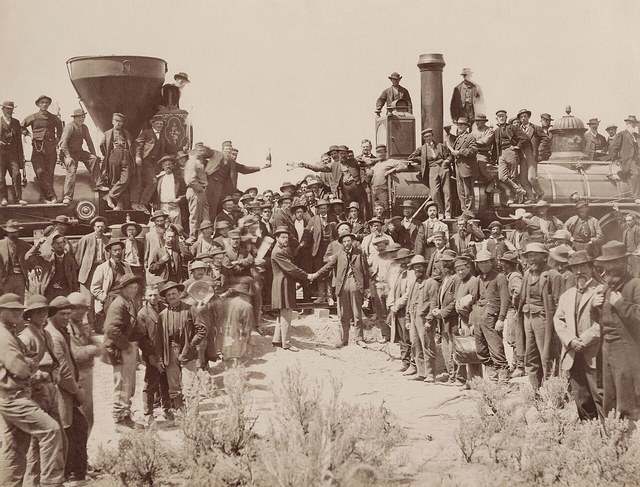
First Transcontinental Railroad was the railway linking America's coasts, completed when Leland Stanford drove a golden spike at Promontory Summit, Utah, in 1869.

The kit

  • Origins — First Transcontinental Railroad was originally endorsed by Asa Whitney and later championed by Theodore Judah, who surveyed routes with miner Daniel Strong.
  • Financing — First Transcontinental Railroad was funded by the Big Four: Collis Huntington, Mark Hopkins, Leland Stanford, and their associates through Acts passed in 1862 and 1863.
  • Construction — First Transcontinental Railroad's western portion was built by Stanford's company while the Union Pacific built eastward, with Congressman Oakes Ames laundering money through Credit Mobilier.
  • Completion — First Transcontinental Railroad was completed at Promontory Summit, Utah when the Central Pacific and Union Pacific lines met, ending the one-month wagon journey with a one-week trip.

Runs with

Pacific
Central Pacific and Union Pacific met to complete it open card →
Utah
completed at Promontory Summit, Utah in 1869 open card →
Gadsden Purchase
Gadsden Purchase obtained land for its southern route open card →
Land
1862 and 1863 Acts created land grants for it open card →

The ladder · 15 clues

H

This project was originally endorsed by Asa Whitney who inspired the later efforts of Theodore Judah.

H

This project was proposed to Congress by Asa Whitney and funded by Collis Huntington, Mark Hopkins, and the rest of the Big Four.

H

Stanford's company built the western portion of this project, which was finally completed with the hammering of a golden spike at Promontory, Utah.

H

A primary motivation behind the Gadsden Purchase was land for this project, which was finally finished at Promontory Summit, Utah, in 1869. name this project that connected the United States by train.

H

Acts passed in 1862 and 1863 created land grants and set a uniform gauge for these systems, one of which was finished at Promontory, Utah with a golden spike.

H

Prior to the U.S. Civil War, this project's most prominent advocate was Theodore Judah, who privately lobbied James Buchanan and surveyed a future route with miner Daniel Strong.

H

Navvies [[NAH-vees]] and coolies helped build one of these structures for Canada for which Craigellachie [[kruh-GEH-luh-kee]] was the site of the last spike.

M

Leland Stanford took part in an 1869 ceremony completing this project, which largely ended the use of wagon trains by providing a one-week trip through Promontory Point in Utah.

M

Congressman Oakes Ames was found to be laundering money from this project in the Credit Mobilier scandal.

M

Construction of one of these structures was led by Sandford Fleming, and the Pacific Scandal involved the building of one of these structures.

M

The placement of the golden spike marked the completion of this transport route at Promontory Summit. This route was created by the meeting of the Union Pacific and the Central Pacific lines.

M

This entity was financed by the Big Four, which included Leland Stanford.

E

This project was completed when Leland Stanford drove a golden spike at Promontory Summit.

E

The “Overland Route” was created by this projected whose completion at Promontory Point was marked with a golden spike.

E

The Union and Central Pacific Railroads were linked by, what railway which crossed the United States.

10 more clues from the record
H

A Thomas Hill painting depicting the result of this project shows the Wasatch Mountains in the distance and such members of the “Big Four” as Theodore Judah.

H

Theodore Whitney and Asa Judah pushed for the "central route" plan for this project, whose "Southern route" proponents engineered the Gadsden Purchase.

H

Thomas Durant helped finance this project, though scandal arose when Credit Mobilier attempted to overcharge a company for its construction.

H

During a race to build this structure, the message "Roving Delilah Fish Dance" was sent by Mark Hopkins to report rapid construction.

H

A.J. Russell’s photograph depicting the end of this project shows men holding bottles of liquor while standing on the Jupiter.

H

This project was funded by Charles Crocker and Mark Hopkins shortly after Samuel Curtis introduced a bill to build it.

H

A portion of one of these structures was built in Kicking Horse Pass on the border of Alberta and British Columbia.

H

Railroad first suggested by Asa Whitney to connect the West and East coasts of the U.S.

H

The Gadsden Purchase was completed to obtain good land for one these systems.

H

The Fuller Syndicate invested in these systems as part of the Gould system.

Watch out: Confusing the U.S. transcontinental railroad with Canada's, which was completed at Craigellachie with a last spike
#366 · Companies, Corporations, and Financial Institutions · Level 1

Union Pacific Railroad

Union Pacific Railroad
Union Pacific (Union Pacific Railroad and Union Pacific Corp · Public domain

American transcontinental railroad · 1862–present · Western United States

Union Pacific Railroad built the eastern half of the First Transcontinental Railroad westward from Omaha to Promontory Point, Utah.

The kit

  • Construction — Union Pacific Railroad recruited Irish immigrants to build westward from Omaha while the Central Pacific worked from Sacramento.
  • Scandal — Union Pacific Railroad directors drove the Crédit Mobilier scandal, which left the company near bankruptcy in the 1870s.
  • Expansion — Union Pacific Railroad acquired the Kansas Pacific under Jay Gould and later absorbed the Missouri Pacific, Chicago & Northwestern, and Southern Pacific.
  • Leadership — Union Pacific Railroad was chaired by Averell Harriman throughout the Franklin Roosevelt administration, who also founded Sun Valley in 1935.

Runs with

Pacific
met at Promontory Point open card →
American Railway Union
major western railroad open card →
Railroad
largest U.S. railroad company open card →
Credit Mobilier of America
directors drove the scandal open card →

The ladder · 14 clues

H

Half of the First Transcontinental Railroad was built by this major company which recruited many Irish immigrants to aid its westward construction from Omaha.

H

The only railroad in the world to use gas-turbine electric locomotives on a large scale, its early acquisitions included the Oregon Short Line and the Los Angeles & Salt Lake.

H

It founded Sun Valley in 1935 under W. Averell Harriman, and under Jay Gould it expanded with acquisitions such as the Kansas Pacific, though Gould's tenure left it financially unstable.

H

This company was chaired throughout the Franklin Roosevelt administration by the man who later lost his post as governor of New York to Nelson Rockefeller, Averell Harriman.

H

This entity was the respondent in a Supreme Court case which upheld Congress’s ability to levy income taxes not in proportion to state population and was brought by Brushaber.

H

The two railroads whose tracks were joined at Promontory were the Central Pacific, which ran from Sacramento to Utah, and this other railroad, which now connected Utah to Omaha, Nebraska.

H

After having a revelation while fleeing through the Black Hills, Grenville Dodge resigned from the military to join this company led by “Hub” Hoxie.

H

William Platt filed a lawsuit that exposed the difficulties this company encountered while selling federal land grants.

H

Later acquisitions, such as the Missouri Pacific, Chicago & Northwestern and Southern Pacific would greatly extend its reach.

H

This railroad was incorporated by an act of Congress in 1862. It was built going west from Council Bluffs, Iowa.

H

Its easternmost business was in Council Bluffs, Iowa, and it ultimately extended as far north as Portland.

H

A dubious project commissioned by this company was replaced by a rival’s Big Fill.

M

Still the largest firm of its kind in the U.S., this company’s directors were the driving force in the Crédit Mobilier scandal, and it started its major project at Omaha while a counterpart worked from Sacramento. name this railroad which built westward towards Promontory Point, forming a transcontinental link with the Central Pacific.

M

Left near bankruptcy with Credit Mobilier scandal, FTP, name this American railroad that built the eastern part of the first Transcontinental.

Watch out: Central Pacific Railroad built the western half of the transcontinental line from Sacramento
#373 · Companies, Corporations, and Financial Institutions · Level 1

Central Pacific Railroad

Central Pacific Railroad
Cave cattum · CC BY-SA 3.0

Western transcontinental railroad company · 1860s · California to Utah

Central Pacific Railroad built the western portion of the transcontinental railroad eastward from Sacramento to Promontory Point, Utah.

The kit

  • Builders — Central Pacific Railroad was founded by the "Big Four" shareholders: Leland Stanford, Charles Crocker, Mark Hopkins, and Collis Huntington.
  • Construction — Central Pacific Railroad primarily used Chinese labor to build eastward from Sacramento through the Sierra Nevada to Promontory Point.
  • Engineering — Central Pacific Railroad's chief engineer Theodore Judah planned the route, while Josiah Whitney conducted geological studies of the Sierra Nevada.
  • Legacy — Central Pacific Railroad built the locomotive El Gobernador and was later absorbed into the Union Pacific Railroad system.

Runs with

Pacific
built to Pacific coast open card →
Railroad
major western railroad company open card →
California
built eastward from Sacramento open card →
Utah
met Union Pacific at Promontory Point open card →

The ladder · 7 clues

H

Company that built the transcontinental railroad with Union Pacific, whose Pacific Union Express was acquired by Wells Fargo.

H

The governor of California Leland Stanford was among the “Big Four,” who were the largest shareholders in this company. :Name this company which, unlike a counterpart, primarily used Chinese labor to build a project eastward from Sacramento, California, to Promontory Point, Utah.

H

It was founded by a group called the "Big Four" that included Crocker, Bailey, and Hopkins. FTPE:Name that railroad, built largely with Chinese labor along a route that included Dutch Flat.

M

This project saw the building of a vehicle known as El Gobernador.

M

This regional project’s chief engineer was Theodore Judah.

E

Connecting Ogden, Utah to Sacramento, California, name this western project that later became absorbed into the Union Pacific Railroad.

E

Josiah Whitney did geological studies of the Sierra Nevada’s for this railroad project.

Watch out: Union Pacific Railroad (built the eastern portion of the same transcontinental line)
#376 · Companies, Corporations, and Financial Institutions · Level 1

Credit Mobilier of America

Credit Mobilier of America
bdi Andrew J. Russell /span /a /bdi / bdi Adam Cuerden /a · Public domain

Railroad construction shell company · 1867–1873 · United States

Credit Mobilier of America was a fraudulent construction company that allowed Union Pacific insiders and congressmen to profit from inflated railroad contracts.

The kit

  • Formation — Credit Mobilier of America was organized by George Train and Thomas Durant to hold inflated construction contracts with Union Pacific Railroad.
  • Corruption scheme — Credit Mobilier of America sold below-market stock to congressmen including Oakes Ames, who argued shares were too cheap to constitute bribes.
  • Exposure — Credit Mobilier of America was exposed in 1872 when Henry Simpson McComb leaked letters to the New York Sun during Grant's reelection campaign.
  • Consequences — Credit Mobilier of America scandal led to censure of Oakes Ames and James Brooks and ended Schuyler Colfax's political career after Luke Poland's investigation.

Runs with

Railroad
built transcontinental railroad through inflated contracts open card →
Union Pacific Railroad
shell company created by Union Pacific to fleece government open card →
Henry
Henry Simpson McComb leaked incriminating letters exposing scandal open card →
James
James Garfield profited from stock shares in company open card →

The ladder · 15 clues

H

Letters leaked by Henry Simpson McComb first exposed this company's actions to the New York Sun.

H

It held an inflated contract with the Union Pacific railroad. name this company at the center of an 1872 Grant administration scandal involving political graft.

H

This company was organized by George Train and Thomas Durant, and it began a cozy relationship with Congress following the installation of Oakes Ames as its president.

H

A Massachusetts congressman who took over this company noted that its shares were worth less than the price of a vote, and thus trading it could not constitute a bribe.

H

This event was brought to light when Henry McComb leaked incriminating letters to the Sun newspaper.

H

Duringthisevent,HenryWilsonclearedhisnamebyshowinghehadreturnedhiswife’sshareholdings.

H

One company with this name was founded by the staunchly positivist Sephardic Pereire brothers, and was accused by Marx of “trying to make Napoleon III the supreme dictator of France’s industry.” :Name this bank that made massive investments in railroad construction before going bust during the Panic of 1873. An admirer of that company, Thomas Durant, named an American bank he founded after that company.

H

10. Name this bad stuff that occurred during the Grant administration FTPE.Oakes Ames sold stock in this company at less than par to various Congressional officials. In 1872, it was revealed that Schuyler Colfax and James Garfield were among the stockholders.

M

Oakes Ames was in charge of this railroad construction company, a shell corporation formed by Union Pacific to assist in fleecing the US government.

M

Formed by Thomas Durant, vice-president of the Union Pacific Railroad, identify this company that gives its name to a scandal in which the company paid itself for building the transcontinental railroad.

M

This company names the ensuing scandal.

M

Three years after the completion of the railroad, a scandal broke out regarding this company involved in the Union Pacific Railroad. The scandal surrounding this company grew to include Vice President Schuyler Colfax.

M

The Coinage Act of 1873 occurred in the same year as this scandal, which implicated Henry Wilson, Schuyler Colfax, and James G. Blaine.

E

Oakes Ames, James Garfield, and Vice-President Schuyler Colfax all profited from this company's namesake scandal. name this shell company formed to allow politicians to profit from construction of the Union Pacific Railroad.

E

It involved Congressman Oakes Ames’ use of stock in a railroad company as bribes, and was revealed during the 1872 Presidential election. name this scandal that ended Schuyler Colfax’s political career but failed to prevent Ulysses Grant’s re-election.

7 more clues from the record
H

Identify these scandals of the Grant administration, FTPE:Oakes Ames allowed congress members to buy shares of this company at face value rather than the market price, leading to some misappropriation of government funds

H

James Brooks, the only accused Democrat, and Oakes Ames would be the only two Congressmen censured for their involvement in it, though Schuyler Colfax, James Garfield, and several other Representatives had also received shares in it.

H

This construction company was given a name meant to mirror that of a known French concern. :What was this mostly fraudulent company which under VP Thomas Durant was given huge federal contracts to build the transcontinental railroad?

H

An operation targeting Herbert Hoxie enabled Thomas Durant to gain effective control of this entity, about which Henry Simpson McComby soon after began leaking information.

H

Ames gave below-market value stock in this railroad construction company to various Congressmen and other government officials.

H

It was founded by George Francis Train, and Aaron Perry served as chief counsel in charge of investigating it.

H

The committee investigating it was headed by Luke Poland.

Watch out: French Crédit Mobilier bank founded by Pereire brothers that inspired the American company's name
#438 · Social Reform and Human Rights Activists · Level 1

Horace Greeley

Horace Greeley
Unknown author Unknown author /span or not provided · Public domain

American newspaper editor · 1811–1872 · New York

Horace Greeley founded the New York Tribune, popularized "Go West, Young Man," and lost the 1872 presidential election to Ulysses Grant.

The kit

  • Rise — Horace Greeley founded the New York Tribune and employed Margaret Fuller and Karl Marx as writers.
  • Achievements — Horace Greeley popularized the phrase "Go west, young man" during the California Gold Rush era.
  • Conflicts — Horace Greeley wrote "The Prayer of Twenty Million" urging Lincoln to free the slaves before the Emancipation Proclamation.
  • Death & succession — Horace Greeley died three weeks after losing the 1872 election, causing his 66 electoral votes to be split.

Runs with

York
founded the New York Tribune open card →
Emancipation Proclamation
urged Lincoln to issue it in "Prayer of Twenty Million" open card →
Abraham LincolnJefferson Davis

The ladder · 15 clues

H

Abraham Lincoln responded to one of this man’s letters by explaining “If I could save the Union without freeing any slave, I would do it,” a few weeks before issuing the Emancipation Proclamation.

H

This politician was nominated for president in the shortest convention in American hist ory.

H

This man's article "The Prayer of Twenty Million" led to Abraham Lincoln's response, "My paramount object in this struggle is to save the Union, and is not either to save or to destroy slavery." This man lost to the incumbent Ulysses S. Grant while running on the Liberal Republican ticket in the Election of 1872.

H

He penned a letter to Abraham Lincoln urging him to free the slaves in “The Prayer of Twenty Million.” Margaret Fuller served as an editor to one of this man’s newspapers which hired Karl Marx.

H

Founder of the New York Tribune whom he greatly impressed with that speech

H

In his last days, this man called Whitelaw Reid a "son of a bitch" and accused him of stealing his prized possession.

H

This author of the “Prayer of Twenty Millions” died a few weeks after he lost a Presidential election, so his 66 electoral votes were split to other candidates.

M

He died three weeks after losing a Presidential election to an opponent who faced the Credit Mobilier [mohb-eel-yay] and Whiskey Ring scandals. name this 1872 Liberal Republican Presidential candidate and founder of the New York Tribune.

M

This longtime employer of Charles Anderson Dana was attacked in a cartoon for his desire to “clasp hands over the bloody chasm” of North–South tension.

M

In 1872, Georgia’s electoral votes for this Liberal Republican candidate were rejected.

M

An early bill meant to encourage Homesteading was proposed by this New York Tribune editor who lost the 1872 general election to Ulysses S. Grant.

M

One of the reasons Seward lost the 1860 Republican nomination to Abraham Lincoln was the opposition of this man, the editor of the New York Tribune.

E

The phrase “Go west, young man!” was popularized by this editor of the New York Tribune, who lost to Ulysses Grant in the 1872 Presidential election.

E

This man coined the term "Go West, Young Man" at the height of the California Gold Rush. name this founder of the New York ​ Tribune. ​

E

name this newspaper editor who purportedly said, “go west, young man.”

10 more clues from the record
H

This man became the only major Presidential candidate to not receive any electoral votes, due to his untimely death.

H

This man gave support to William Henry Harrison’s presidential campaign by forming the newspaper Log Cabin.

H

This man wrote “We defy it, execrate it, spit upon it” in response to Winfield Scott’s unpopular platform.

H

After David S. Jackson was unseated for election fraud, this man was selected to replace him in a special election.

H

He failed to get Seward’s Senate seat in 1861, and two years later was unable to win his state’s other Senate seat thanks to the opposition of Thurlow Weed, though over the next decade he became a leader of the Liberal Republicans.

H

Charles Anderson Dana left his post as editor for this man's newspaper to serve as Assistant Secretary of War during the Civil War. :Name this man, who sent George Smalley to cover the Battle of Antietam. This man founded the New York Tribune.

H

During one election, this man quipped that he could not tell whether he was running for office “or the penitentiary.” This man helped to popularize the utopian theories of Albert Brisbane and the dietary reforms of Sylvester Graham, the inventor of the graham cracker.

H

He remarked that he didn't know whether he was running for the presidency or the penitentiary due to the fierce attacks to which he was subjected as the nominee of the Liberal Republicans, when he polled 86 electoral votes but died before the electoral college.

H

He led a faction called the Liberal Republicans against Ulysses Grant, leading to his nomination for President by the Democrats on a ticket with Benjamin Gratz in 1872. For 15 points—name this founding editor of the New York Tribune.

H

He wrote of the immediate time before the Civil War in his two-volume An Overland Journey, and admitted to knowledge of his famously illegible handwriting in his autobiography Recollections of a Busy Life.

Watch out: Charles Anderson Dana (also a New York Tribune editor who worked under Greeley)
#441 · Social Reform and Human Rights Activists · Level 1

Harriet Tubman

Harriet Tubman
Powelson, Benjamin F. 1823 - 1885 · Public domain

abolitionist and Underground Railroad conductor · 1820s–1913 · Maryland, northeastern U.S.

Harriet Tubman was an escaped slave who conducted over 70 people to freedom through the Underground Railroad without losing a passenger.

The kit

  • Rise — Harriet Tubman escaped slavery despite suffering lifelong seizures after an overseer threw a metal weight at her head.
  • Achievements — Harriet Tubman led over ten groups through the Underground Railroad and threatened slaves who tried to return to the South.
  • Conflicts — Harriet Tubman led forces under James Montgomery in the Raid on Combahee Ferry, rescuing hundreds during the Civil War.
  • Legacy — Harriet Tubman was proposed to replace Andrew Jackson on the twenty-dollar bill in 2016, though the decision was put on hold.

Runs with

Underground Railroad
conducted over 70 people to freedom through its network open card →
Moses
nicknamed by William Lloyd Garrison for leading people from slavery open card →
James
led forces under James Montgomery in Combahee River raids open card →
Maryland
escaped from slavery in this state open card →

The ladder · 15 clues

H

Sarah Hopkins Bradford wrote two biographies of this woman, including Scenes From the Life of [this person].

H

In 1863, this person and James Montgomery led a successful raid on the Combahee River.

H

This person’s life savings were swindled by two men who claimed to have gold from a distant relative.

H

Escaped slave known as “Moses” who helped more than 70 people escape to the North

H

This woman suffered lifelong seizures after a man named Barrett struck her in the head while trying to attack a fugitive.

H

This woman led the forces of James Montgomery in the Raid on the Combahee Ferry during the U.S. Civil War.

H

This woman helped the Fifty-Fourth Massachusetts Infantry Regiment rescue hundreds of people during the Raid on Combahee Ferry.

M

This person, whose picture has been proposed to be added to the $20 bill, helped John Brown plan the raid on Harper’s Ferry and later became a Union spy.

M

In 2016, in a decision that was later put on hold, Treasury Secretary Jack Lew announced that this woman would replace Andrew Jackson on the front of the twenty-dollar bill. name this abolitionist and Underground Railroad conductor who was known as the “Moses of her People.”

M

Sarah Hopkins wrote “Scenes in the Life” of this woman.

M

While serving as a scout under James Montgomery, this woman led a successful raid on Combahee Ferry.

M

This person aided James Montgomery’s raids along the Combahee River.

E

William Lloyd Garrison nicknamed this woman “Moses” due to her numerous trips to the South. name this escaped slave who led many people to freedom through the Underground Railroad.

E

This woman was asked to participate in an attack on a Virginia armory by an abolitionist, but was too sick to attend. name this woman nicknamed “Moses” who “never lost a passenger” while helping slaves escape on the Underground Railroad.

E

William Lloyd Garrison labeled this woman “Moses” due to her abolitionist activities. name this former slave who would routinely lead slaves out of the South.

10 more clues from the record
H

This figure helped three steamboats avoid mines during the Combahee River Raid and later served Robert Gould Shaw his last meal at Fort Wagner.

H

Sarah Hopkins Bradford wrote a biography of this person who was the victim of a gold transfer swindle by John Thomas.

H

William Seward sold this woman a house in Auburn, New York in 1859.

H

This woman's mother, Rit, defended her family from Edward Brodess, and this woman developed hypersomnia when an overseer threw a metal weight at her head.

H

Sarah Bradford wrote a book titled Scenes in the Life of this woman and returned all the proceeds to fund her activism.

H

This woman was struck with a brick as a child which may have led her to develop temporal lobe epilepsy.

H

This activist donated a portion of land to the AME Zion Church to establish a home for the elderly.

H

In a 2001 book, David Blight argued that narratives about this person were appropriated and claimed that this person is a "malleable icon." Secretary Robert W. Taylor wrote a glowing biography of this person in an attempt to get them money in old age.

H

The longest passage in a “Record” by newspaper editor Sydney Howard Gay is an exploit led by this “Captain.” This person only became eligible for a pension after marrying Nelson Davis.

H

This slave nicknamed “Minty” led over ten groups through the Underground Railroad. During the trip, she allegedly threatened any slaves that tried to return to the South.

Watch out: Moses (biblical figure who led Israelites from Egypt; Tubman earned this nickname from William Lloyd Garrison)
#446 · Social Reform and Human Rights Activists · Level 1

Clara Barton

Clara Barton
The Library of Congress · No restrictions

American Civil War nurse · 1821–1912 · United States

Clara Barton founded the American Red Cross and earned the nickname "Angel of the Battlefield" for her Civil War nursing work.

The kit

  • Rise — Clara Barton innovated battlefield medicine by using corn husks as makeshift bandages during the Battle of Antietam.
  • Achievements — Clara Barton established the Missing Soldiers Office in Gallery Place, which remained lost for over a century.
  • International work — Clara Barton led relief efforts during the Franco-Prussian War after the Siege of Paris and following the Hamidian massacre.
  • Legacy — Clara Barton directed Johnstown Flood relief, commandeering the Cambria Iron Company to build shelters for displaced merchants.

Runs with

American Civil War
served as battlefield nurse, appointed "lady in charge" of Army hospitals open card →
Geneva
learned of Red Cross movement there, read Dunant's book open card →
American Railway Union
Johnstown Flood
led relief efforts, built merchant shelters and retirement home open card →

The ladder · 13 clues

H

This person became known as the “Florence Nightingale of America” during the U.S. Civil War. name this founder of the American Red Cross, a nurse known as the “Angel of the Battlefield.”

H

Founder of the American Red Cross who became known as the "Angel of the Battlefield" for her revolutionary nursing practices.

H

During the Franco-Prussian war, this figure led efforts to get supplies to needy people after the Siege of Paris.

H

This humanitarian established a Missing Soldiers office in Gallery Place that was “lost” for over 100 years.

H

This person commandeered the Cambria Iron Company to create “hotels” for merchants who were then expected to pay for shelters after the Johnstown Flood; the flood produced the timber used to build this person’s retirement home in Glen Echo, Maryland.

H

This person met a key mentor, Frances Gage, while recovering from smallpox in a Hilton Head hospital and later returned to assist reconstruction efforts after the Sea Islands hurricane.

M

Known as the "Angel of the Battlefield," who is this woman who founded the American Red Cross?

M

This person innovated the use of corn husks to act as makeshift bandages during the Battle of Antietam.

M

This person learned about an organization formed in Geneva and led a similar group in Dansville, New York.

M

The first international office of an organization founded by this woman was established in the aftermath of the Hamidian massacre.

M

One of this woman's last jobs as president of the American Red Cross was leading relief efforts following the hurricane. She had earlier established the Office of Missing Soldiers.

E

Relief efforts in the flood’s aftermath were led by this person. This person began advocating for the creation of one organization after being introduced to Henry Dunant's book, A Memory of Solferino, during a trip to Geneva.

E

Benjamin Butler appointed this person as the “lady in charge” of the hospitals for the Army of the James. name this nurse who founded the American Red Cross.

Watch out: Florence Nightingale (British nurse whose nickname Barton shared)
#469 · Named Literary Works · Level 1

Our American Cousin

Our American Cousin
a rel="nofollow" Internet Archive Book Images · No restrictions

1858 comedic play · premiered 1858 · United States and England

Our American Cousin is a Tom Taylor farce famous as the play Abraham Lincoln was watching when he was assassinated at Ford's Theater.

The kit

  • Premiere — Our American Cousin premiered in 1858 with Joseph Jefferson playing Asa Trenchard in the original run.
  • Cultural impact — Our American Cousin coined the term "dundrearies" in 1861 for large side whiskers, named after comic character Lord Dundreary.
  • Lincoln assassination — Our American Cousin's line "you sockdologizing old man-trap" prompted laughter that John Wilkes Booth used to muffle his gunfire.
  • April 14, 1865 — Our American Cousin was performed at Ford's Theater on April 14, 1865 when Lincoln was shot during Act Three.

Runs with

Abraham Lincoln
Lincoln was watching this play when assassinated at Ford's Theater open card →
American Railway Union
no connection evident in clues open card →
Edward
assassination
performance provided cover for Lincoln's assassination by Booth open card →

The ladder · 5 clues

H

After Edward Sothern expressed discontent over a role in this play, Joseph Jefferson famously said, “There are no small parts, only small actors.” Jefferson played the role of Asa Trenchard in the original run of this play that premiered in 1858.

H

In this play’s third act, the greedy Mrs. Mountchessington was called a “sockdologizing old man-trap,” prompting a bout of laughter from the audience. :Name this play which was performed at Ford’s Theater on April 14, 1865. One assassin used the audience’s laughter during this play to conceal the sound of his pistol.

M

Lincoln was shot during a performance of this comedic play by Tom Taylor. Booth used the audience’s laughter after this play’s line “you sockdologizing old man-trap” to muffle the sound of his gunfire.

M

In 1861, a new word was coined for large side whiskers, “dundrearies”—from Lord Dundreary, a comic character from this Tom Taylor farce, the play Abraham Lincoln was watching when he was assassinated.

E

A line expressing the desirability of escaping the draft was modified in a performance of this play in 1865 in Washington, D.C. Written by English playwright, Tom Taylor, this play’s best known performance was interrupted by the cry, “Sic semper tyrannis!” what play was on stage when Lincoln was assassinated?

Watch out: American Railway Union—unrelated labor organization, not connected to this theatrical work
#501 · Massacres, Assassinations, and Named Violent Incidents · Level 2

Wounded Knee Massacre

Wounded Knee Massacre
Northwestern Photo Co. · Public domain

1890 massacre of Lakota · December 29, 1890 · Pine Ridge Reservation, South Dakota

Wounded Knee Massacre was the 1890 killing of several hundred Lakota by U.S. Cavalry forces at Pine Ridge Reservation in South Dakota.

The kit

  • Prelude — Wounded Knee Massacre was stoked by fears that Wovoka's Ghost Dance movement meant imminent attack by Lakota.
  • Violence — Wounded Knee Massacre began when soldiers attempted to disarm the deaf Black Coyote, prompting Colonel James Forsyth's men to open fire.
  • Weapons & casualties — Wounded Knee Massacre was perpetrated with four Hotchkiss machine guns, killing several hundred Lakota under Big Foot.
  • Legacy — Wounded Knee Massacre became the site of a 1973 AIM occupation protesting Richard Wilson's corruption and unfulfilled treaties.

Runs with

Ghost Dance
fears of the Ghost Dance movement stoked the massacre open card →
James
Colonel James Forsyth's men opened fire with Hotchkiss guns open card →
Lakota Sioux
several hundred Lakota under Big Foot were killed open card →
American Indian Movement
AIM occupied the site in 1973 protesting corruption open card →

The ladder · 9 clues

H

A popular history non -fiction book about this event by novelist Dee Brown is titled Bury My Heart at this event’s location.

H

During this event, James Forsyth’s American soldiers opened fire on residents at the Pine Ridge Reservation. name this infamous 1890 massacre of the Lakota tribe.

H

The day after this event, James Forsyth was attacked in the Bloody Pocket during the Drexel Mission Fight.

H

Name these events in military-Native American relations, .An 1890 massacre at this South Dakota site was the culmination of the Ghost Dance movement, and it was also the site of a 1973 action by the American Indian Movement.

M

The AIM participated in an occupation of this town in 1973, the site of an earlier massacre of Lakota Indians by US Cavalry forces in 1890.

M

James Forsyth’s men perpetrated this event, which was stoked by fears that Wovoka’s “ghost dance” movement meant imminent attack.

M

James Forsyth’s men initiated this event that began when soldiers attempted to take the rifle of the deaf Black Coyote.

E

In the prelude to this event, the deaf Black Coyote did not understand the order to hand over his rifle.

E

This event was p erpetrated with the help of four Hotchkiss machine guns by Colonel James (+) Forsyth.

10 more clues from the record
H

Leonard Colby rescued Little Lost Bird during this event, after which Nelson Miles criticized James Forsyth’s leadership.

H

Two years after occupying Alcatraz, the American Indian Movement invaded this location after the failed impeachment of Richard Wilson.

H

Participants in this event were declared to be not culpable in a trial stemming from Plenty Horses’ assassination of Edward Casey.

H

A 1973 occupation of this location was led by the group AIM in protest of Richard Wilson and unfulfilled treaties generally.

H

The Ghost Dance movement started to decline after this massacre in which the U.S. military killed several hundred Lakota people on the Pine Ridge reservation.

H

Soldiers involved in this event, which named the deep ground book, granted 19 Medals of Honor.

H

Stephen Vincent Benet’s poem “American Names” references this location, noting “I shall not be there.

H

Henry’s Brunettes helped protect the perpetrators of this event from reprisal in the following Drexel Mission Fight.

H

A group of people protesting Dick Wilson’s corruption occupied this site under the direction of Russell Means in 1973.

H

Answer the following about a historical event, :It was at this site, at a creek that flows to the White River, in 1890 that a band of Sioux under Big Foot were massacred by the 7th Cavalry.

Watch out: Drexel Mission Fight—separate battle the day after Wounded Knee where Forsyth was attacked
#521 · Medieval European Battles and Sieges · Level 2

Battle of Shiloh

Battle of Shiloh
bdi Thure de Thulstrup /span /a /bdi / bdi Adam Cuerden /a · Public domain

Civil War battle · April 1862 · Tennessee (Pittsburg Landing)

Battle of Shiloh was an 1862 Civil War engagement in Tennessee where Union forces under Grant repulsed a Confederate assault near Pittsburg Landing.

The kit

  • Confederate command — Battle of Shiloh saw Confederate general Albert Sidney Johnston killed, the highest-ranking officer on either side to die in the Civil War.
  • Key terrain — Battle of Shiloh featured fierce fighting around the Hornet's Nest, where Union defenders resisted Confederate attempts to push them toward Owl Creek swamp.
  • Union reinforcements — Battle of Shiloh's first day nearly ended in disaster when Lew Wallace's reinforcements took the wrong Shunpike Road, causing his later removal from command.
  • Strategic objective — Battle of Shiloh aimed to cut off the Memphis and Charleston Railroad, with Confederates retreating afterward to Corinth, Mississippi.

Runs with

Tennessee
fought in Tennessee near Pittsburg Landing open card →
Corinth
Confederate forces retreated to Corinth after the battle open card →
Ulysses S. Grant
Grant commanded Union forces at Pittsburg Landing open card →
American Railway Union

The ladder · 9 clues

H

This battle featured Nathan Bedford Forrest’s cavalry charge at the Fallen Timbers.

H

Ambrose Bierce described “What I Saw of [this battle]” in an 1874 short story.

H

Answer these questions about a Civil War battle, FTP each:What inconclusive April 1862 battle fought near the town of Pittsburgh Landing saw the death of Confederate general A.S. Johnston and the subsequent retreat of the Confederate troops to Corinth?

H

Beauregard was the other confederate commander at this 1862 battle in Tennessee that claimed the life of A.S. Johnston, and saw Union troops under Grant and Buell triumph after fierce fighting around the "Hornet's Nest."

M

After facing heavy casualties on one day during this battle, the Union commander said “Lick em’ tomorrow, though.” Albert Sidney Johnston was killed during this battle, in which Union forces defended an encampment called Pittsburg Landing. name this 1862 Civil War victory for Grant in Tennessee.

M

Albert Sidney Johnston was killed at this battle, in which heavy fighting took place at the Hornet’s Nest.

M

Cutting off the Memphis and Charleston Railroad was a central goal of this April 1862 Civil War battle in Tennessee.

E

Major Union victory in Tennessee in which Garfield participated and Albert Sidney Johnston was killed.

E

Albert Sidney Johnston was killed early in this battle as his troops attacked the Hornet’s Nest in an attempt to push Union forces away from Pittsburgh Landing. name this 1862 victory in Tennessee for Ulysses S. Grant.

10 more clues from the record
H

During this battle, one side was saved by timely naval support from the Lexington and Tyler.

H

Future African explorer Henry Morton Stanley was captured during this battle and ended up joining the other side.

H

Confederate general Albert Sidney Johnston was fatally wounded at this battle, becoming the highest-ranking officer on either side to die in the U.S. Civil War.

H

P.G.T. Beauregard surprise Grant’s forces near Pittsburg Landing?

H

In this battle, Confederates on Corinth Road hoped to force the Union into a swamp called Owl Creek.

H

A group of reinforcements missed the first day of this battle by trying to take the Shunpike Road while under the direction of Lew Wallace.

H

Although the adjectives of the Bloody Pond and Sunken Road from this other 1862 battle may be inaccurate, a ton of people, such as Albert Sidney Johnston, still died here.

H

During this battle, a barrage by gunboats near Pittsburg Landing prevented one side’s forces from being overwhelmed by a Confederate assault.

H

Before this battle, Lew Wallace sent reinforcements to the wrong location, causing his removal from one general’s army.

H

Future American explorer John Wesley Powell lost most of his right arm in this battle, which resulted in Lew Wallace being removed from command for his supposed tardiness.

Watch out: Antietam also featured a Bloody Pond and Sunken Road in 1862
#529 · US Civil Rights Figures and Events · Level 2

Reconstruction Era

Reconstruction Era
Excel23 · CC0

Post-Civil War period · 1865–1877 · United States (especially South)

Reconstruction Era was the period when the federal government reintegrated the defeated Confederate states and temporarily expanded civil rights for freed slaves.

The kit

  • Beginnings — Reconstruction Era began with debates over the ten percent plan and the pocket-vetoed Wade-Davis Bill for readmitting Southern states.
  • Federal programs — Reconstruction Era saw the Freedmen's Bureau under Oliver Howard assist refugees and displaced persons throughout the South.
  • Historiography — Reconstruction Era was studied by the Dunning School at Columbia, later refuted by W.E.B. Du Bois for white supremacist interpretations.
  • End — Reconstruction Era ended with the Compromise of 1877, which brought Rutherford B. Hayes to power and withdrew federal troops from the South.

Runs with

Rutherford B. Hayes
ended Reconstruction via Compromise of 1877 open card →
Radical Republicans
opposed Lincoln's ten percent plan during Reconstruction open card →
America
reintegrated Southern states into the Union open card →
W.E.B. Du Bois
refuted Dunning School in Black Reconstruction open card →

The ladder · 9 clues

H

Historians at Columbia created the Dunning School to study this period, which was called "America's Unfinished Revolution" by Eric Foner.

H

Preceding period of national repair and re-incorporation of the South following the Civil War.

H

Hayes ended this policy in the South after the Compromise of 1877. This namesake era began in response to the devastation the Civil War caused to the South.

H

A school of historiographical thought named for Columbia professor William Archibald Dunning was accused of taking "white supremacist" stances on this time period, leading to a direct refutation by W.E.B. Du Bois [[doo-BOYSS]] in his book Black [this era].

M

The Wade-Davis Bill was pocket vetoed at the beginning of this period by a president who aimed to follow the ten percent plan.

M

The Brooks-Baxter War took place in this period following the Civil War. This period was ended by the Compromise of 1877.

M

During this period, Oliver Howard led an organization that helped refugees and displaced persons known as the Freedman’s Bureau.

E

The election of Rutherford B. Hayes and the Compromise of 1877 ended this era in which the South was re-incorporated into the United States after the Civil War.

E

The Freedmen’s Bureau operated during this period of American history immediately after the Civil War.

10 more clues from the record
H

A governor during this period, James Alcorn, supported public schools and was an ally of Senator Hiram Revels.

H

An early event during this period was known as the New Orleans massacre.

H

Oliver Otis Howard led a federal agency during this period, which historian Eric Foner is best known for studying.

H

Radical Republicans opposed a plan for this period that would reintegrate a rebel state when 10% of its voting population had sworn an oath of allegiance. :Name this period of rebuilding following the Civil War, which ended with the Compromise of 1877.

H

All of that happened in this era of U.S. history, which followed the Civil War. This era, which was “redeemed” by Jim Crow Laws, spawned white terrorist groups like the White Knights in Louisiana, as well as the KKK.

H

A political cartoon from this era called the US a “black business”. :Name this era of American history following the Civil War administered under President Grant.

H

Joel Chandler Harris chronicled this period in short stories like “Free Joe and the Rest of the World.” Beardian School historians claimed that this era was a failure due to massive corruption, which came to a head during the concurrent Gilded Age.

H

This process went ahead without either the Ironclad Oath or the Wade-Davis Bill, but was nonetheless vigorously advocated by men such as Zachariah Chandler and Thaddeus Stevens.

H

This 19th-century period in the South after the U.S. Civil War led to a temporary expansion of civil rights for minorities before being replaced by the Jim Crow era.

H

This word names a 1988 book whose subtitle describes “America’s Unfinished Revolution,” which like the similar book Forever Free, is by historian Eric Foner.

Watch out: Jim Crow era (replaced Reconstruction after 1877)
#578 · Painters and Visual Artists · Level 2

Thomas Nast

Thomas Nast
bdi Napoleon Sarony /span /a · Public domain

Political cartoonist · late 19th century · United States

Thomas Nast was a Harper's Weekly cartoonist whose satirical drawings exposed Boss Tweed and created the Republican elephant and Democratic donkey symbols.

The kit

  • Achievements — Thomas Nast invented the modern images of Santa Claus, the Republican elephant, and the Democratic donkey for American political iconography.
  • Conflicts — Thomas Nast depicted Tammany Hall as a tiger killing democracy and drew corrupt politicians with bulging pockets in works like Who Stole the People's Money?
  • Legacy — Thomas Nast was called 'our best recruiting sergeant' by Abraham Lincoln for his Civil War illustrations and the Father of the American Cartoon.
  • Death & succession — Thomas Nast died of yellow fever in Guayaquil, Ecuador, where he served as consul under Theodore Roosevelt after accepting the position for money.

Runs with

Tammany Hall
depicted as a tiger and crocodile-infested river open card →
William Marcy Tweed
frequent target whose downfall Nast's cartoons helped cause open card →
New York CityConsul

The ladder · 9 clues

H

That criminal was this man’s frequent target, Tammany Hall’s Boss Tweed. name this man noted for his satirical cartoons, which saw the first usages of the Republican elephant and Democratic donkey.

H

One of this man’s works shows children about to be attacked by Catholic bishops who resemble crocodiles.

H

While on a trip to England, this man was convinced by a letter from Josh Billings to join James Redpath’s Lyceum Bureau, where he would give “chalk talks.” It’s not Mark Twain, but this man’s time in the Player’s Club introduced him to his biographer Albert Paine.

H

One work by this political cartoonist depicts members of the Tammany Hall political machine dropping children into a river infested with crocodiles resembling Catholic bishops. :Name this man employed by Harper's Weekly whose works led to the fall of Boss Tweed.

M

Politician cartoonist who frequently satirized the Tammany Hall machine and created the GOP’s elephant symbol.

M

Harper's Weekly cartoonist who depicted it as a tiger killing democracy.

M

Lincoln called his work the best recruiting tool of the Civil War, and this man’s depiction of the Americus Fire Company as a rapacious tiger helped to bring down Boss Tweed. name this Harper’s illustrator who invented the party symbolism of the elephant and donkey.

E

Boss Tweed and Tammany Hall’s corruption was exposed in the New York Times by this “Father of the American Cartoon.”

E

This cartoonist for Harper’s Weekly was famous for his depictions of Tweed, in addition to drawing the modern depiction of Santa Claus, the Democratic donkey and the Republican elephant.

10 more clues from the record
H

In a self-caricature, this man depicted himself sharpening a giant pencil like a spear. :Name this late-19th century cartoonist credited with mobilizing public opposition to Tammany Hall and its leader, William “Boss” Tweed.

H

This artist of The American River Ganges and Who Stole the People’s Money? produced a work in which obese vultures hide near a bone marked “City Treasury.” That work by this artist, Let Us Prey, was notably published in Harper’s Weekly.

H

This man’s depiction of the Rock Springs massacre features a sarcastic Chinese diplomat looking on the execution of Chinese workers, in a scene that is similar to Goya’s Third of May, 1808.

H

Grant attributed his presidential victory to “the sword of Sheridan and the pencil” of this man. :Name this editorial cartoonist whose drawings and caricatures led to the downfall of Tammany Hall.

H

His early days were spent popularizing Garibaldi’s mission to unify Italy and he later lived in Ecuador as consul under Teddy Roosevelt.

H

Desperate for money, this man accepted an offer from John Hay for a position as a consul in Guayaquil , where he died of yellow fever.

H

This man’s work for George William Curtis indirectly resulted in the extradition of one of his political rivals from Vigo, Spain.

H

Another shows a circle of men with bulging pockets pointing to the person on their right to answer the title question.

H

He collaborated with Petroleum Nasby on a series of writings that satirized the South.

M

Abraham Lincoln called this man “our best recruiting sergeant.” This man compared the Catholic Church to the “American River Ganges” and Tammany Hall to a Tiger in a medium influenced by John Tenniel’s work for Punch.

Watch out: Confused with Mark Twain (both associated with Albert Paine as biographer)
#583 · Painters and Visual Artists · Level 2

Mathew Brady

Mathew Brady
ul li Brady-Handy Photograph Collection (Library of Congress · Public domain

Civil War photographer · 1822–1896 · United States

Mathew Brady was a pioneering American photographer who documented the Civil War through thousands of battlefield images, many taken by his assistants.

The kit

  • Rise — Mathew Brady studied daguerreotype under Samuel F.B. Morse and created the Gallery of Illustrious Americans featuring prominent figures.
  • Achievements — Mathew Brady shocked audiences with realistic corpse depictions in The Dead of Antietam, photographed two days after battle.
  • Conflicts — Mathew Brady employed assistants Alexander Gardner and Timothy O'Sullivan to photograph battlefields and was nearly killed at Petersburg.
  • Legacy — Mathew Brady died penniless in a New York hospital after Levin Handy took over his business and archives.

Runs with

American Civil War
documented battlefields including Bloody Lane and Antietam open card →
Andrew Jackson
photographed elderly Jackson at the Hermitage estate open card →
York
died penniless at a New York hospital open card →
John Quincy Adams
included in Gallery of Illustrious Americans open card →

The ladder · 9 clues

H

Levin Handy took over the business of this man, who died penniless at a New York hospital.

H

Most of this man’s work was done by assistants like Alex Gardner and Timothy Sullivan, this man was almost killed in the line of fire at Petersburg.

H

Special end tables were named for this man's "Stands," which featured cast iron bases and an extendible pipe leg.

H

This man’s namesake stand was a cast iron base used to keep his subject still.

M

William Page trained this man, who created the Gallery of Illustrious Americans.

M

This man shocked contemporary audiences with his realistic depiction of corpses in works like The Dead at Antietam. name this photographer of the Civil War.

M

This man, who depicted an elderly Andrew Jackson at his estate and created portraits of Edgar Allan Poe, used the albumen print technique after originally working with daguerreotypes.

E

Alexander Gardner and Timothy O'Sullivan worked as assistants for this man, who produced works like The Dead of Antietam. name this Civil War photographer.

E

This man was able to capture photos of the carnage at Bloody Lane, and the face-side of the penny coin was lifted from a portrait this man took of Abraham Lincoln. name this eminent American photographer of the Civil War.

10 more clues from the record
H

This student of Samuel F.B. Morse ran ads in the New York Tribune saying he could take ​ ​ cartes de visite photos before husbands and sons went off to war.

H

One of this man’s works shows Ambrose Burnside lamenting a defeat, whilst another depicts bodies strewn across the Bloody Lane.

H

When Morse opened a studio and offered classes on a new imaging process he had learned in France, this man was one of his first students.

H

Timothy O’Sullivan, who created the “Harvest of Death,” was among those hired by this man to carry out his most famous art project.

H

A portrait taken at the Hermitage of an old Andrew Jackson was among the entries in this man’s Gallery of Illustrious Americans.

H

This man used that technique to capture the only daguerreotype of the aging FirRst Lady, Dolley Madison.

H

This man's apprentice, ​ Alexander Gardner, took controversial photos of the hanging of the Lincoln conspirators.

H

This man studied painting with William Page who introduced him to Samuel F.B. Morse.

H

John C. Taylor bought this man's work as part of the Ordway-Rand collection.

H

Photographer who documented “The Dead of Antietam” two days after the battle.

Watch out: Alexander Gardner, his assistant who independently photographed the Lincoln conspirators' hanging
#595 · Painters and Visual Artists · Level 2

Winslow Homer

Winslow Homer
bdi Napoleon Sarony /span /a · Public domain

American painter · 1836–1910 · United States

Winslow Homer was an American painter who depicted Civil War scenes and later became renowned for dramatic seascapes.

The kit

  • Civil War art — Winslow Homer served as a Harper's Weekly correspondent during the Civil War, creating drawings and engravings of battle scenes.
  • Achievements — Winslow Homer painted Prisoners from the Front, showing Union General Francis Barlow receiving surrendering Confederate officers at Petersburg.
  • Reconstruction themes — Winslow Homer depicted a formerly enslaved family's tense encounter in A Visit from the Old Mistress during Reconstruction.
  • Seascapes — Winslow Homer painted dramatic ocean scenes like The Gulf Stream, showing a black man in a damaged boat surrounded by sharks.

Runs with

American Civil War
served as Harper's Weekly correspondent, painted Prisoners from the Front open card →
American Railway Union
Maine
moved there and began painting more seascapes open card →
Enslaved People
painted A Visit from the Old Mistress showing formerly enslaved family open card →

The ladder · 6 clues

H

This artist’s painting of Francis Barlow and the title people at the Siege of Petersburg was based off drawings and engravings completed while serving as a correspondent for Harper’s Weekly.

H

During Reconstruction, this artist painted a former family of enslaved people giving a chilly greeting to a former plantation resident in A Visit from the Old Mistress.

M

This artist, who showed four Confederate soldiers in Prisoners From the Front, began painting more seascapes when he moved to Maine.

M

artist inspired by Cape Cod to paint the seascape Breezing Up?

E

A line of young boys play the title game in front of a red building in this artist’s Snap the Whip. name this American painter who showed a black man in a damaged boat surrounded by sharks in The Gulf Stream.

E

This painter depicted General Francis Barlow in a scene including surrendering Confederate officers, Prisoners from the Front.

#611 · Security, Police, Intelligence, and Paramilitary Organizations · Level 2

Ku Klux Klan

Ku Klux Klan
Original: /div KAMiKAZOW /a /div Vector: /div Estoves /a · Public domain

American white supremacist organization · 1865–present (major revivals 1915, 1950s) · United States, especially the South and Indiana

Ku Klux Klan is a white supremacist terrorist organization founded in 1865 that burned crosses, wore white hoods, and fought Reconstruction.

The kit

  • Rise — Ku Klux Klan was founded by Confederate general Nathan Bedford Forrest, its first Grand Wizard, whose forces committed the Fort Pillow Massacre.
  • Conflicts — Ku Klux Klan members styling themselves the Knights of Mary Phagan kidnapped and lynched Leo Frank in 1915.
  • Achievements — Ku Klux Klan experienced a revival after being glorified in D.W. Griffith's film The Birth of a Nation and a ceremony at Stone Mountain.
  • Legacy — Ku Klux Klan's popularity declined after leader D.C. Stephenson was convicted of kidnapping and murdering teacher Madge Oberholtzer in 1925.

Runs with

Nathan Bedford Forrest
founded the Klan and served as its first Grand Wizard open card →
Stone Mountain
site of a Klan revival ceremony after Birth of a Nation open card →
Indiana
over 30 percent of eligible males joined during the 1920s open card →
church

The ladder · 9 clues

H

This organization was damaged after Madge Oberholtzer was kidnapped and tortured by D.C. Stephenson.

H

This organization’s popularity declined after one of its leaders, DC Stephenson, was found guilty of the murder of Madge Oberholtzer.

H

Membership in this group swelled after the Knights of Mary Phagan formed to murder Leo Frank.

H

Elizabeth Tyler owned and operated a newspaper for this organization called The Searchlight, which ran articles written by Edward Young Clarke.

M

Founded by Nathan Bedford Forrest, this group experienced a revival after it was glorified in D.W. Griffith’s film The Birth of a Nation. name this American white supremacist group.

M

A revival of this group at Stone Mountain took place after it was depicted suppressing voters in D. W. Griffith’s film Birth of a Nation.

M

Edward Jackson was elected governor of Indiana when over 30 percent of eligible males belonged to this organization, which also counted Supreme Court justice and Alabama senator Hugo Black among its members.

E

Nathan Bedford Forrest founded this organization and was its first Grand Wizard. name this white supremacist group known for burning crosses and wearing white sheets.

E

This organization was led by Confederate general Nathan Bedford Forrest who was its first Grand Wizard. name this white supremacy group known for burning crosses while wearing white hoods.

10 more clues from the record
H

This organization was infiltrated by Stetson Kennedy, who revealed this organization’s secret code words to the “Superman” radio show.

H

This organization offered the anti-clerical Mexican government ten million dollars to purge the Catholic Church during the Cristero War.

H

A war veteran from Evansville led a splinter faction of this group and revealed the “Little Black Boxes,” lists of politicians under its influence, after he was imprisoned for kidnapping and torturing teacher Madge Oberholtzer in 1925.

H

The first leader of this organization was a general whose forces committed the Fort Pillow Massacre.

H

The “imminent lawless action” test was formed after Clarence Brandenburg, a member of this group, sued the state of Ohio.

H

Members of this group styling themselves the “Knights of Mary Phagan” kidnapped and lynched Leo Frank.

H

This organization was founded by a nut who styled himself its “Grand Dragon,” Nathan Bedford Forrest.

H

This group’s size in Indiana shrank after the rape and murder trial of its leader D.C. Stephenson.

H

Nathan Bedford Forrest was the Grand Dragon of this terrorist organization, which along with the Knights of the White Camelia fought to overturn Reconstruction.

H

Members of this group were routed by Lumbee Native Americans in the Battle of Hayes Pond.

Watch out: Knights of the White Camelia—a separate Reconstruction-era terrorist organization that fought alongside the Klan
#647 · Technologies, Inventions, and Scientific Discoveries · Level 2

the telegraph

the telegraph
Ambanmba /a ( talk /a ) · Public domain

long-distance communication device · 1830s–early 1900s · United States and Britain

The telegraph transmitted messages over long distances using electrical signals encoded as dots and dashes in Morse code.

The kit

  • Invention — The telegraph was invented by Cooke and Wheatstone in Great Britain in the 1830s before being popularized in America.
  • First message — The telegraph's first U.S. message was "What hath God wrought" from the Book of Numbers, transmitted by Samuel Morse.
  • Expansion — The telegraph was expanded to global scale when Cyrus West Field financed the crew of the Great Eastern to lay transatlantic cables.
  • Applications — The telegraph enabled newspapers to publish sensational Civil War stories quickly and soldiers to communicate across battlefields using Morse code.

Runs with

Samuel Morse
popularized the telegraph and invented Morse code for it open card →
Pony Express
Texas
promised to Mexico in Zimmermann Telegram sent via telegraph open card →
America
first U.S. telegraph message sent by Morse open card →

The ladder · 8 clues

H

The first message transmitted using this invention in the United States was “What hath God wrought” from the Book of Numbers. :Name this invention that uses dots and dashes to transmit signals over long distances. It was originally invented by Cooke and Wheatstone in Great Britain in the 1830s.

H

In England, an early use of this invention was credited with “hanging John Tawell,” and it only became popular after it was brought to Slough by William F. Cooke and Charles Wheatstone.

H

This invention was expanded to global scale by the crew of the Great Eastern as part of an endeavor financed by Cyrus West Field.

M

One of López’ saner endeavors was installing the first example of this device in South America. Samuel Morse famously sent the message “What hath God wrought” while demonstrating this machine.

M

Newspapers were able to quickly publish sensational Civil War stories thanks to this invention. Soldiers used Morse code on this invention to communicate across the battlefield.

M

In the United States, the company that monopolized this invention was founded by Ezra Cornell and later went on to popularize the stock ticker.

E

This invention was used to promise a return of Arizona and Texas to Mexican control when it was operated by Arthur Zimmerman during World War I. The subject of the book The Victorian Internet, name this invention popularized by Samuel Morse.

E

During the election of 1884, a mob threatened Gould to not manipulate the use of this technology. Samuel Morse invented a system for sending messages using this technology.

Watch out: Zimmermann Telegram (WWI diplomatic message sent via telegraph, not the invention itself)
#769 · US Political Parties and Factions · Level 2

Radical Republicans

Radical Republicans
PRS · Public domain

Reconstruction-era Republican faction · 1860s–1870s · United States

Radical Republicans were a faction that pushed for harsh treatment of former Confederates and civil rights for freedmen during Reconstruction.

The kit

  • Leadership — Radical Republicans were led by Thaddeus Stevens and Charles Sumner, who advocated emancipation and equality for former slaves.
  • Conflicts — Radical Republicans clashed with Andrew Johnson over lenient Reconstruction policies, tabling the harsh Wade-Davis Bill against his Ten-Percent plan.
  • Achievements — Radical Republicans passed the Tenure of Office Act anticipating Edwin Stanton's dismissal and created five military districts ruled by generals.
  • Legacy — Radical Republicans were demonized by the Dunning School for allegedly botching Reconstruction by advocating civil rights for freedmen.

Runs with

Andrew Johnson
clashed with him over lenient Reconstruction and impeached him open card →
Reconstruction Era
dominated this era's politics pushing harsh Confederate treatment open card →
Bakumatsu Period
Charles Sumner
co-led this faction alongside Thaddeus Stevens open card →

The ladder · 9 clues

H

This faction tabled the harsh Wade-Davis Bill in contrast to the lenient Ten-Percent plan of the president.

H

One of the leaders of this political movement introduced the Joint Committee of Fifteen, whose members included John Bingham and chair William Fessenden.

H

The Dunning School demonized a branch of the Republican party this took on this alliterative moniker, for botching Reconstruction by advocating for civil rights.

H

This movement, which was heavily criticized by the Dunning School, lobbied for passage of the Wade-Davis Bill and worked with “Scalawags” to expand their influence.

H

Group of Republicans who pushed for civil rights for former slaves and the impeachment of Andrew Johnson.

M

Thaddeus Stevens led this Reconstruction-era political faction that tried to impeach Andrew Johnson.

M

Johnson frequently clashed with this group of politicians led by Thaddeus Stevens and Charles Sumner. This group denounced Lincoln’s Reconstruction plans as too lenient.

M

During and after the Civil War, this “radical” group advocated emancipating the slaves and equality for freedmen.

E

Led by men like Charles Sumner and John C. Fremont, this faction pushed for harsh treatment of secessionists. name this post Civil War faction of Republicans that refused to compromise on their values.

4 more clues from the record
H

This political faction was opposed by the White League and the Red Shirts, paramilitary groups that supported the Redeemers.

H

Anticipating the dismissal of War Secretary Edwin Stanton, this faction passed the Tenure of Office Act.

H

This faction passed legislation that created five districts, each ruled by a different general.

H

This faction proposed the Ironclad Oath to prevent their enemies from taking office.

Watch out: Ten-Percent plan (Lincoln's lenient Reconstruction plan, not the Radicals' harsh Wade-Davis Bill)
#771 · US Political Parties and Factions · Level 2

Stalwart Republicans

Stalwart Republicans
Mayer, Merkel, & Ottmann: lithographers br James Albert Wale · Public domain

Republican Party faction · 1870s–1880s · New York

Stalwart Republicans were a New York-based Republican faction led by Roscoe Conkling that championed the spoils system and opposed civil service reform.

The kit

  • Rise — Stalwart Republicans flexed political muscle by torpedoing A.T. Stewart's nomination as Treasury Secretary and supporting Grant for a third term through the Immortal 306.
  • Conflicts — Stalwart Republicans clashed with Rutherford Hayes over his firing of Chester Arthur as New York Customs House collector and opposed William Robertson's port appointment.
  • Achievements — Stalwart Republicans engineered a huge assessment producing $135,000 benefit in the moiety system for a Phelps, Dodge, and Company shipment.
  • Legacy — Stalwart Republicans were angered when Chester Arthur introduced civil service reform despite being part of their faction, which had opposed the Half-Breeds' reform efforts.

Runs with

York
based in New York and controlled patronage through the New York Customs House open card →
Republican Party
faction within the Republican Party during the late 19th century open card →
William
opposed William Robertson's appointment as port collector in New York open card →
Charles
assassin Charles Guiteau falsely claimed to be a Stalwart supporter open card →

The ladder · 9 clues

H

The assassin Charles Guiteau was a supporter of this Republican Party faction which favored the spoils system.

H

The leader of this political faction was the last individual who, after being confirmed, refused a seat on the Supreme Court.

H

A man from this group fought with Rutherford Hayes after Hayes fired the collector of the New York Customs House, Chester Arthur.

H

Members of this faction were behind the huge assessment of a shipment to Phelps, Dodge, and Company that produced a $135,000 benefit in the "moiety [[MOY-eh-tee]] system." The leader of this faction died while on a hopeless foot trek through Manhattan during the blizzard of 1888.

M

Roscoe Conkling was a member of this faction which was opposed to the Half-Breeds.

M

This faction of the Republican Party supported Grant and championed the spoils system. Charles Guiteau was a self-proclaimed member of this faction, which opposed the Half-Breeds.

M

This group’s Thomas Platt encouraged Ulysses S. Grant to run for a third term.

E

Roscoe Conkling served as leader of this group, which fought to prevent the breakup of the spoils system. name this Republican group based in New York whose rival faction was the Half-Breeds.

E

Arthur’s introduction of civil service reform angered many in this faction of the Republican Party, of which he was a part. This faction was led by Roscoe Conkling and opposed by the Half-Breeds.

10 more clues from the record
H

One of the first times this group flexed its political muscle was when it torpedoed A.T. Stewart’s nomination as Treasury Secretary.

H

The appointment of William Robertson to a port collector position in New York earned the ire of this faction.

H

This group included the Immortal 306, which would back their president at every turn.

H

Prominent opponents of this faction included Carl Schurz and William Robertson.

H

That leader of this faction had served as Thaddeus Stevens's bodyguard in the House.

H

Two Senators from this political faction resigned to protest the violation of a patronage deal known as the "Treaty of Fifth Avenue." One member of this faction was nicknamed “Me Too" and later became a political boss who united the five boroughs of New York into a single city to increase his power.

H

Name these things about a political group, FTP each:The Republican party near the end of the 19th century was divided into two factions. This one favored patronage, thus opposing civil service reform, unlike their counterparts the Half-Breeds.

H

That member of this faction was ridiculed for his “haughty disdain” and “turkey-gobbler strut,” and had earlier declared that the president had “treacherously betrayed a sacred trust” when he nominated Judge William Robertson to a certain position.

H

A member of this group gave a dramatic nominating speech that featured him leaping on the reporter’s table and sucking a lemon.

H

A leader of this group had an afair with Kate Sprague, and was reportedly chased out of her home with a gun by her husband.

Watch out: Charles Guiteau claimed to be a Stalwart but was not an actual member of the faction
#775 · US Presidential Also-Rans · Level 2

George McClellan

George McClellan
bdi Mathew Benjamin Brady /span /a · Public domain

Union general and politician · 1860s · United States

George McClellan commanded the Army of the Potomac early in the Civil War, then ran against Lincoln in 1864.

The kit

  • Rise — George McClellan assumed dual roles as commander and general-in-chief after Winfield Scott retired.
  • Achievements — George McClellan led the Peninsular Campaign, which included the Battle of Williamsburg and Seven Days Battles.
  • Conflicts — George McClellan commanded Union forces at the Battle of Antietam but failed to pursue retreating Confederates.
  • Legacy — George McClellan ran as the Democratic candidate in 1864 on a platform of ending the Civil War.

Runs with

Battle of Antietam
commanded Union troops there, met Lincoln afterward open card →
American Railway Union
Abraham Lincoln
ran against him in 1864 election open card →
John

The ladder · 9 clues

H

This man who led Union troops at the Battle of Antietam was relieved of his duties afterward and went on to run against Lincoln in the 1864 presidential election.

H

Former general he soundly defeated in the Election of 1864

H

Leader of the Army of the Potomac whose dislike of Lincoln became a political campaign in 1864.

H

Alexander Gardner also photographed Abraham Lincoln meeting with this Union general after the Battle of Antietam.

M

After his dismissal, this general became the Northern Democrat candidate in the Election of 1864. name this general who mustered and led the Army of the Potomac.

M

This man was the Union commander at the Battle of Antietam. The Battle of Williamsburg and the Seven Days Battles were part of his Peninsular Campaign.

M

A political cartoon of this man depicts him urging his soldiers to fight while sitting on the mast of a boat with a telescope.

E

Was relieved of his command after Antietam, then ran against Lincoln in the 1864 election?

E

Union army commander who later ran for President in 1864

10 more clues from the record
H

This man ran against Lincoln for president in the 1864 election, but lost, partly due to Sherman’s very successful March to the Sea.

H

Answer the following about opposition to the Civil War in the North, :This loser of the Battle of Antietam ran as the Democratic candidate against Abraham Lincoln in the Election of 1864 on a platform of ending the Civil War.

H

After achieving one of his positions, this man told his wife he would not be a dictator and praised his “admirable self-denial.” That post came after he won the Battle of Rich Mountain.

H

The statehood of Nevada was rushed in an attempt to guarantee Abraham Lincoln's victory over this Copperhead Democrat and former commanding general of the U.S. Army in the presidential election of 1864.

H

Secretary of War Jefferson Davis sent this man to Europe to study the tactics of the Crimean War, and later in his life, he would serve as governor of New Jersey.

H

In an effort to gain reconnaissance about this man’s army, Jeb Stuart and over 1,000 cavalrymen rode completely around it.

H

This man’s forces retreated to Malvern Hill at the end of the Seven Days Battles, bringing this man’s Peninsular Campaign to a disappointing end.

H

Union general who failed to press the advantage against the retreating Confederates, costing him his job.

H

A political cartoon depicted this man as a “gunboat general,” watching the battle from afar on the A Galena.

H

This man assumed the dual roles of commander and general-in-chief after Winfield Scott retired.

Watch out: He lost the Battle of Antietam (clues call him 'loser' there despite commanding Union forces)
#778 · US Presidential Also-Rans · Level 2

Samuel J. Tilden

Samuel J. Tilden
José María Mora · Public domain

New York governor · 1876 election · New York

Samuel J. Tilden was a Bourbon Democrat who won the 1876 popular vote but lost the presidency to Hayes.

The kit

  • Rise — Samuel J. Tilden managed Horatio Seymour's unsuccessful 1868 presidential campaign before becoming New York governor.
  • Achievements — Samuel J. Tilden broke up the Canal Ring and fought Tammany Hall as New York's reform-minded governor.
  • Conflicts — Samuel J. Tilden was hurt by the Cipher Dispatches, telegrams alleging his staff offered bribes for electoral votes.
  • Legacy — Samuel J. Tilden lost the 1876 election when the Electoral Commission awarded disputed votes to Rutherford B. Hayes.

Runs with

York
served as governor open card →
Rutherford B. Hayes
lost 1876 election despite popular vote win open card →
Tammany Hall
fought against as reform governor open card →
the Presidency
denied by Electoral Commission in 1876 open card →

The ladder · 9 clues

H

In his highest position, this politician broke up the Canal Ring after busting Boss (+) Tweed.

H

This politician was damaged by the Potter Committee, which failed to find serious wrongdoing by a political rival.

H

Defeated Rutherford B. Hayes in the popular vote, but not the Electoral College, in 1876.

H

Thomas Nast analogized this man’s political agenda to pursuing a fox in the cartoon “Still Hunting.” This man’s assistant William Pelton was a party to some of the telegrams that Whitelaw Reid published as the Cipher Dispatches.

M

For the points, name this New York governor who lost the Election of 1876 to Rutherford B.

M

Bourbon Democrat who successfully fought Tammany Hall but lost the Presidential election of 1876.

M

Reconstruction ended when the Democrats and Republicans agreed to the Compromise of 1877, in which Rutherford B. Hayes was elected to be President over this Democratic candidate.

E

name this New York governor who lost the Election of 1876 to Rutherford B. Hayes.

E

The defeat of this politician in one election led to concessions that included an end to Reconstruction after this politician was denied the presidency by a rigged election commission.

10 more clues from the record
H

This man was hurt by allegations of corruption after the discovery of the Cipher Dispatches, though as Governor of New York he had gained an upstanding reputation for breaking the Canal Ring.

H

In his early career, this man managed Horatio Seymour’s unsuccessful 1868 campaign for the presidency.

H

Opposition from in-state rivals like Honest John Kelly and Fernando Wood did not dissuade Robert Kernan from nominating him for president in St. Louis, where he beat out Winfield Scott Hancock.

H

Thanks to the Electoral Commission, Hayes defeated this Democratic opponent, a former reform-minded Governor of New York noted for taking on such crooks as Boss Tweed and the Canal Ring.

H

Although he received partial vindication through the Potter Committee, he was hurt by a series of telegrams obtained from Senator Oliver P. Morton that alleged his staff offered bribes for votes; those were the Cipher Dispatches.

H

He would later fail to directly challenge a body including Joseph Philo Bradley, who was appointed because the independent David Davis had resigned his position on the Supreme Court.

H

Hayes' opponent in the Election of 1876 was this Bourbon Democrat from New York, who won the popular vote. He was tainted by the Cipher Dispatches and had fought against Tammany Hall.

H

One of this man’s most important achievements as governor culminated in the fight around the Costigan Bill and included negotiations with Commissioner Wales and a political group led by Jarvis Lord.

H

This son of the “Oracle of New Lebanon” was turned out of one of his earliest offices by James Harper and gained his fortune by managing the merger of the Galena & Chicago Union and Northwestern Railroads.

H

In the cartoon “A Hard Summer for the Soft Rag Baby,” this man holds a fan over baby, which has passed out after drinking high bock beer, symbolizing confusion of his policies.

Watch out: Boss Tweed (Tilden prosecuted Tweed but was not himself part of Tammany Hall)
#780 · Other Pre-1800 Military Commanders · Level 2

Robert E. Lee

Robert E. Lee
bdi Julian Vannerson /span /a · Public domain

Confederate general · 1807–1870 · Virginia

Robert E. Lee commanded the Confederate Army of Northern Virginia and surrendered to Ulysses S. Grant at Appomattox Court House, ending the Civil War.

The kit

  • Rise — Robert E. Lee served on Winfield Scott's officer staff during the Mexican-American War and captured John Brown at Harpers Ferry.
  • Achievements — Robert E. Lee won the Seven Days Campaign repelling George McClellan and defeated Ambrose Burnside at the Battle of Fredericksburg.
  • Conflicts — Robert E. Lee fought defensive battles at Spotsylvania and the Wilderness before his final campaign ended at Appomattox Courthouse.
  • Legacy — Robert E. Lee was the subject of a four-volume biography by Douglas Southall Freeman that won the 1935 Pulitzer Prize.

Runs with

American Railway Union
Virginia
Lee's home state whose secession led him to refuse Union command open card →
Battle of Gettysburg
Ulysses S. Grant
Grant accepted Lee's surrender at Appomattox Court House open card →

The ladder · 9 clues

H

Shortly after fighting a series of defensive battles at Spotsylvania and the Wilderness, this man spoke at Appomattox Courthouse with Ulysses S. Grant. name this commander of the Army of Northern Virginia whose surrender ended the American Civil War.

H

Confederate leader and head of the Army of Northern Virginia who successfully retreated after the battle.

H

This man lamented “It is well that war is so terrible, or we should grow too fond of it” during his victory over Ambrose Burnside at the Battle of Fredericksburg.

H

This man finished second in his 1829 graduating class from West Point below George Mason, though both achieved the highest graduating scores ever.

M

Confederate general from Virginia who surrendered at Appomattox Courthouse?

M

This man served in the officer staff of Winfield Scott during the Mexican-American War, and he captured John Brown during an attempted seizure of a Virginia armory. name this army officer who put down the Harpers Ferry insurrection, a future major general of the Confederacy.

M

Most famously, during the Civil War Grant led the Union army to victory, culminating with the surrender of this Confederate general at Appomattox Court House.

E

Led the Confederate Army until surrendering at Appomattox Court House?

E

After Joseph Johnston was injured at the Battle of Seven Pines, this man assumed command of the Army of Northern Virginia.

10 more clues from the record
H

This man commanded the winning side of the Seven Days Campaign which succeeded in repelling an invasion force under George McClellan.

H

Narciso López approached this man and Jefferson Davis to help fund his plan to liberate Cuba from Spanish rule.

H

A failed campaign against this man’s troops was bogged down by heavy river quagmires and called the Mud March.

H

This person was the subject of a four-volume biography by Douglas Southall Freeman that was criticized by Eric Foner as a “hagiography.” This commander lost the Battle of Malvern Hill, in which his subordinate Lewis Amistad led a charge against the hill.

H

Douglas S. Freeman received a 1935 Pulitzer Prize for a four-volume biography of this person. :Name this general, whose “Lieutenants” title a Douglas Freeman book about subordinate officers in the Army of Northern Virginia.

H

That subordinate was mortally wounded in another battle at a low stone wall called “the angle,” sometimes called the “high-water mark” of this commander’s cause.

H

In the “Testimony of Wesley Norris,” this person ordered Dick Williams to brutally whip Wesley and his cousin Mary, then wash their backs with brine.

H

This winning general at Fredericksburg and commander of the Army of North Virginia refused an offer to fight for the Union after his home state, Virginia, seceded.

H

This man's first Civil War leadership was a loss at Cheat Mountain.

M

This Virginia man served as an engineer during the Mexican-American war and found routes for Scott’s troops through tough terrain, leading to American victories like Cerro Gordo. He co-names a university with his grandfather-in-law.

Watch out: Joseph Johnston—Lee assumed command of the Army of Northern Virginia after Johnston was injured at Seven Pines
#785 · Other Pre-1800 Military Commanders · Level 2

William Tecumseh Sherman

William Tecumseh Sherman
bdi Mathew Benjamin Brady /span /a · Public domain

Union general · 1820–1891 · United States

William Tecumseh Sherman was the Union general whose March to the Sea employed scorched-earth tactics to break Confederate will.

The kit

  • Rise — William Tecumseh Sherman survived two bullet wounds at Shiloh and was promoted to Major General afterward.
  • Achievements — William Tecumseh Sherman captured Atlanta in a decisive 1864 victory over John Bell Hood that secured Lincoln's reelection.
  • March to the Sea — William Tecumseh Sherman's forces destroyed railroad rails into "Sherman's neckties" while foraging soldiers called "bummers" ravaged the countryside.
  • Legacy — William Tecumseh Sherman issued Special Field Orders No. 15 promising freed slaves "forty acres and a mule."

Runs with

Atlanta
captured it in 1864 open card →
Georgia
marched through it to Savannah open card →
Ohio
John
defeated John Bell Hood at Atlanta open card →

The ladder · 9 clues

H

A man of this last name said "if nominated I will not run, if elected I will not serve" to quash a rumored Presidential campaign.

H

This man's skillful turning maneuvers resulted in a decisive victory at Kennesaw Mountain, which Liddell Hart cited in calling this man the first "modern general." While leading the Division of the Mississippi, this man's Special Field Orders No. 15 resulted in the phrase "forty acres and a mule." In the wake of the Battle of Atlanta, this man's forces undertook the "March to the Sea" to the Confederate port of Savannah.

H

This general’s “neckties” were formed using railroad rails he destroyed in one campaign. :Name this general, who made use of scorched earth tactics in his “March to the Sea”.

H

This man was replaced in his early career by Don Carlos Buell after a visit with Secretary of War Simon Cameron convinced the general public that this man was insane.

M

As he rampaged through the South, this commander employed “scorched earth” tactics to break the will of the Confederates, and captured Savannah as a “Christmas present” to President Lincoln. name this Union leader who took Atlanta during his March to the Sea.

M

This general offered “twenty-five thousand bales of cotton” and a captured city as a “Christmas gift” to one leader.

M

This man issued Special Order Number 15, which legendarily gave freed slaves “forty acres and a mule.” The election of 1864 was turned in favor of the Republicans thanks to this man’s timely victory against John Bell Hood in the Battle of Atlanta.

E

Led the “March to the Sea,” capturing Savannah, Georgia just before Christmas 1864?

E

This man ravaged the Carolinas and Georgia during his most famous campaign. name this general who launched the March to the Sea during the Civil War.

10 more clues from the record
H

After Grant’s promotion, this man was given command of the Army of the Tennessee which he led against Braxton Bragg during the Chattanooga Campaign.

H

This man married the daughter of the first Secretary of the Interior, Thomas Ewing.

H

A man with this surname served as Secretary of the Treasury under Rutherford B. Hayes and Secretary of State under William McKinley.

H

The name of one of this general’s campaigns was coined in an S. H. M. Byers poem and featured soldiers nicknamed “bummers” for their destructive foraging.

H

That man's brother, also of this surname, sponsored a "Silver Purchase Act" as well as an 1890 bill aimed at monopolies, his Antitrust Act.

H

The only time this man held political office was as Ulysses Grant’s acting Secretary of War for seven weeks in 1869.

H

During one campaign, he constantly outflanked Joseph Johnston and decisively defeated John Bell Hood.

H

In his memoirs, this man related that his noteworthy middle name stemmed from his father’s admiration of a Shawnee chief.

H

The forces of Leonidas Polk were defeated in a campaign led by this man that ended with the capture of Meridian.

H

After this man survived two bullet wounds at Shiloh, he was promoted to Major General.

Watch out: John Sherman, his brother, sponsored the Sherman Antitrust Act and Silver Purchase Act
#806 · Monumental Statues and Memorials · Level 2

Stone Mountain

Stone Mountain
a rel="nofollow" formulanone · CC BY-SA 2.0

Georgia Confederate monument · carved 1915–1972 · DeKalb County, Georgia

Stone Mountain is a Georgia bas-relief carving depicting Confederate leaders Robert E. Lee, Jefferson Davis, and Stonewall Jackson.

The kit

  • Creation — Stone Mountain was designed initially by Gutzon Borglum, who was fired in 1925 and destroyed his models before fleeing arrest.
  • KKK connection — Stone Mountain was the site where William Simmons burned a cross in 1915, marking the rebirth of the Ku Klux Klan.
  • Fundraising — Stone Mountain fundraising included 5 million commemorative half-dollars depicting soldiers on horseback and a 1925 silver dollar.
  • Scale — Stone Mountain is the world's largest bas-relief, centerpiece of a park opened on the 100th anniversary of Lincoln's assassination.

Runs with

Georgia
located in DeKalb County, Georgia open card →
Ku Klux Klan
site of 1915 cross-burning that marked KKK's rebirth open card →
Gutzon Borglum
initial designer fired in 1925 after destroying models open card →
Mount Rushmore
called the Confederate equivalent of Mount Rushmore open card →

The ladder · 9 clues

H

Sixty-five mounted figures were to be included in this work, which was once managed by the Venable Brothers.

H

The second incarnation of the KKK was formed at this site in 1915. :Name this Georgia monument that shows the faces of Stonewall Jackson, Robert E. Lee, and Jefferson Davis.

H

North Carolina governor Angus McLean offered protection from extradition to Gutzon Borglum, who fled arrest in 1925 after being fired from the design of this monument and destroying his models.

H

A 1925 silver dollar attempted to raise funds for a project at this location, which Marvin Griffin pushed his state’s legislature to buy in 1958.

M

Little Sorel and Traveller are among the horses in this work.

M

This monument, the world’s largest bas relief, is the centerpiece of a park that opened on the 100th anniversary of Abraham Lincoln’s assassination. name this controversial Georgia monument that honors three Confederate leaders.

M

The second iteration of the Ku Klux Klan was founded at, what mountain in Georgia on which images of Stonewall Jackson, Jefferson Davis, and Robert E. Lee are carved?

M

This landmark’s most notable use was the idea of Helen Plane and Scott Candler, and was executed by such figures as Walker Hancock and Augustus Lukeman after Gutzon Borglum quit. name this protrusion in DeKalb County, Georgia, where monuments to such figures as Robert E. Lee comprise the “Confederate Mount Rushmore.”

E

Jason Kessler organized a "Unite the Right" Rally to protest the removal of one component of this work, which was built in Georgia by Gutzon Borglum. name this monument considered the Confederate equivalent of Mount Rushmore.

5 more clues from the record
H

Helen Plane created a Memorial Association named for this work, whose creation may have been inspired by the physician Francis Ticknor.

H

Georgia park where those two aforementioned men, as well as Stonewall Jackson, are carved on the face of a rock dome.

H

Fundraising for this monument included the creation of 5 million half-dollar coins that depicted two chatting soldiers on horseback.

H

William Simmons and Samuel Venable climbed it in 1915 to burn a cross, signifying the rebirth of the Ku Klux Klan, which is why it is mentioned in the “I Have a Dream” speech.

H

Farm plots on this feature were given away for nineteen dollars during the Fourth Land Lottery, and it was named by the founder of Mercer College, Adiel Sherwood.

Watch out: Gutzon Borglum also carved Mount Rushmore, but only began Stone Mountain before being fired
#828 · American Civil War Battles and Campaigns · Level 2

Battle of Gettysburg

Battle of Gettysburg
bdi Thure de Thulstrup /span /a /bdi / bdi Adam Cuerden /a · Public domain

Civil War battle · 1863 · Pennsylvania

Battle of Gettysburg was the turning point of the Civil War fought in Pennsylvania in 1863.

The kit

  • Opening — Battle of Gettysburg began when Henry Heth sent Johnston Pettigrew to search for shoes, only to find enemy troops.
  • Key terrain — Battle of Gettysburg saw Joshua Chamberlain defend Little Round Top with a bayonet charge after his forces ran out of ammunition.
  • Climax — Battle of Gettysburg culminated in Pickett's Charge, the farthest north Confederate troops reached during the war.
  • Command — Battle of Gettysburg was commanded by George Meade for the Union after John Reynolds was killed on the first day.

Runs with

George
George Meade commanded Union forces open card →
American Railway Union
John
John Reynolds killed first day; John Buford engaged Confederates open card →
Pennsylvania
fought in Pennsylvania open card →

The ladder · 9 clues

H

The Peach Orchard and Devil’s Den were key locations at this battle, where Joshua Chamberlain’s volunteer regiment led a successful defense of Little Round Top. name this 1863 battle, the turning point of the Civil War in Pennsylvania.

H

Michael Shaara’s The Killer Angels immortalizes one side’s actions at this battle, during which John Reynolds was killed while organizing the Iron Brigade.

H

This battle began when Henry Heth sent Johnston Pettigrew to search for shoes, only for him to find enemy troops.

H

During preparation for this battle, John Reynolds was killed, forcing Abner Doubleday to take command of the First Corps.

M

The order of “fix bayonets” was given at this battle by Joshua Chamberlain when his forces ran out of ammunition defending Little Round Top.

M

Important sites at this battle included the Wheatfield, Devil's Den, and Little Round Top, which was secured by Joshua Chamberlain.

M

George Meade commanded Union forces at this battle that culminated in a failed Confederate charge led by George Pickett. name this decisive 1863 Civil War battle that took place in Pennsylvania.

E

During the second day of this battle, Joshua Chamberlain ordered a bayonet charge to defend Little Round Top.

E

Pickett’s Charge occurred during, what 1863 Civil War battle fought around a Pennsylvania town.

10 more clues from the record
H

During this battle, Strong Vincent was killed at a site where the downhill bayonet charge led by Joshua Chamberlain occurred.

H

General Reynolds was killed on the first day of this battle, as John Buford’s men engaged Harris Heth’s army in the Cambersburg Pike area.

H

Marcellus Jones reportedly fired the first shot at this battle which began when John Reynolds engaged Confederate forces at McPherson Ridge.

H

This battle was the subject of a "counter-counterfactual" essay by Winston Churchill, explaining World War One was avoided because of it.

H

A house belonging to a freed black man named Abraham Brian was occupied by one side during this battle.

H

General Heth decided to attack the Union soldiers from Herr’s Ridge and through McPherson’s Ridge on its first day.

H

Pickett’s Charge during this battle represents the farthest north Confederate troops reached.

H

The 1st Minnesota regiment’s charge bought time for one side to rescue Sickle’s beleaguered III Corps, and battle was met despite the absence of one side’s main cavalry.

H

In this battle, Abner Doubleday was forced to take command following his commander’s death at the hands of an enemy bullet.

H

Colonel Vincent managed to defend Little Round Top during this battle, which also saw fighting at Devil’s Den and Culp's Hill. :Identify this battle.

Watch out: Abner Doubleday, who took command after Reynolds died, is often wrongly credited with inventing baseball
#829 · American Civil War Battles and Campaigns · Level 2

Battle of Antietam

Battle of Antietam
bdi Thure de Thulstrup /span /a /bdi / bdi Adam Cuerden /a · Public domain

Civil War battle · September 17, 1862 · Maryland

Battle of Antietam was the bloodiest single day in American history, prompting Lincoln to issue the Emancipation Proclamation.

The kit

  • Early fighting — Battle of Antietam saw intense early combat around Miller's Cornfield and the Dunker Church, with Joseph Hooker leading the Union assault.
  • Bloody Lane — Battle of Antietam produced 5,500 casualties at Sunken Road, earning it the nickname "Bloody Lane" during the September 17th fighting.
  • Burnside's Bridge — Battle of Antietam featured Ambrose Burnside's costly capture of a creek bridge, though A.P. Hill's Confederate reinforcements from Harpers Ferry halted his advance.
  • Aftermath — Battle of Antietam ended with Robert E. Lee's withdrawal from Maryland and George McClellan's removal from command for failing to pursue.

Runs with

George McClellan
commanded Union forces, removed afterward for failing to pursue Lee open card →
church
Dunker Church was focal point of early fighting open card →
Maryland
battle site, Lee withdrew from state afterward open card →
Ambrose Burnside
led IX Corps, captured bridge despite heavy losses open card →

The ladder · 9 clues

H

Three days prior to this battle, Union forces won the nearby Battle of South Mountain.

H

At this battle, General McClellan was so impatient to get his forces moved that he issued the command, “Tell him if it costs 10,000 men he must go now.” “Bloody Lane” earned its nickname after being the site of 5500 casualties at this September 17th, 1862 battle.

H

Ambrose Burnside was told to take a bridge in this battle “even if it cost 10,000 men.” In the aftermath of this battle, George McClellan was removed from command after failing to pursue Confederate forces. name this 1862 battle in Maryland, the bloodiest single-day battle in American history.

H

Troops attacking through the West Woods and the Miller Cornfield tried to take the Dunker Church during this battle.

M

The Emancipation Proclamation was issued after this 1862 battle in Maryland, the bloodiest single day in US history.

M

Fighting over the Sunken Road led to a stalemate in this battle, which was followed by Robert Lee’s withdrawal of the Confederate army from Maryland. name this Civil War battle with the highest one-day death toll in American history.

M

An early offensive in this battle was Joseph Hooker’s assault on the Dunker Church, which led to heavy fighting in Miller’s Cornfield.

E

This battle emboldened Abraham Lincoln who, soon after its end, issued the Emancipation Proclamation. name this 1862 battle in Maryland, the bloodiest day in American history.

E

George McClellan repulsed a Confederate attack in Maryland at this 1862 battle, fought on the single bloodiest day of the Civil War.

10 more clues from the record
H

Prior to this battle one side in it decided to cross a river despite knowing the only path of retreat was at Boteler’s Ford.

H

Early in this battle, fighting was centralized around a 30-acre cornfield owned by David Miller.

H

At this battle, A.P. Hill crucially brought a group of Confederate reinforcements from Harpers Ferry, preventing the collapse of the right flank to Ambrose Burnside’s troops.

H

Rufus Dawes took command of the Iron Brigade’s 6th Wisconsin Regiment during this battle in which he repeatedly clashed with enemy forces at the Hagerstown turnpike.

H

During this battle, reinforcements sent down the Hagerstown turnpike dissolved almost immediately when commander Joseph Mansfield was shot.

H

Burnside’s IX Corps captured what is now called Burnside’s Bridge at this battle, the bloodiest day in American history. Lincoln wrote the Emancipation Proclamation shortly after it.

H

Arriving Confederate reinforcements under A.P. Hill forced General Burnside to call off his assault, though he had earlier captured a bridge that allowed Union troops to cross a creek.

H

The conditions at this battle, featured in the opening scenes of the Academy Award winning 1989 film Glory, were described by one soldier as “almost impossible for a rat to live in.” Some of the earliest fighting at this 1862 battle swirled around Dunker Church.

H

The 1st Texas Infantry lost over 80 percent of its men at this battle, the highest regimental casualty rate on either side of the entire war.

H

During this battle, John Bell Hood replied that his division was "Dead on the Field" due to suffering 60% casualties after men arrived from the Mumma and Nicodemus Farms.

Watch out: Battle of South Mountain (fought three days before Antietam nearby)
#830 · American Civil War Battles and Campaigns · Level 2

Sherman's March to the Sea

Sherman's March to the Sea
bdi F. O. C. Darley /span /a /bdi / bdi Alexander Hay Ritchi · Public domain

Union scorched-earth campaign · 1864 · Georgia

Sherman's March to the Sea was an 1864 Union campaign that devastated Georgia from Atlanta to Savannah, causing $100 million in damage.

The kit

  • Route & destruction — Sherman's March to the Sea followed Special Field Order Number 120 and used four parallel routes to deny Confederate autonomy.
  • Tactics — Sherman's March to the Sea employed "bummers" who stole from civilians and created "neckties" from twisted railroad tracks.
  • Battles — Sherman's March to the Sea saw the Battle of Griswoldville against Joseph Wheeler's cavalry and the 15-minute capture of Fort McAllister by William Hazen.
  • Conclusion — Sherman's March to the Sea ended with Savannah's capture, which Sherman offered to Lincoln as a Christmas gift in a telegram.

Runs with

Atlanta
departure point of the march open card →
Georgia
state devastated by the campaign open card →
William
William Tecumseh Sherman
Union general who led the campaign open card →

The ladder · 9 clues

H

Orlando Metcalfe Poe led engineers in this event, which succeeded the Meridian campaign and was governed by Special Field Order Number 120.

H

Men known as “bummers” stole freely during this event in which William Hazen captured Fort McAllister in a mere 15 minutes.

H

A telegram in which a president said “go as you propose” gave its leader permission to carry out this campaign, during which Orlando Poe was tasked with dismantling bridges.

H

The first major battle of this campaign occurred at Griswoldville, when a detachment of Joseph Wheeler’s cavalry engaged the forces of Charles Walcutt.

M

An estimated $100 million dollars in damage was caused by this campaign through Georgia led by William Tecumseh Sherman.

M

An ill-fated defensive maneuver during this campaign prompted its leader to remark “If he will go to the Ohio River, I’ll give him rations.” Men recruited to forcibly take goods from civilians during this campaign were referred to as “bummers.” The leader of this campaign had railroads twisted into what became known as his namesake “neckties.” At the endpoint of this campaign, its leader sent Abraham Lincoln a telegram offering a Christmas gift of the captured city of Savannah. name this scorched earth campaign that devastated Georgia during the Civil War.

M

After its completion, this event’s leader gave an entire city to President Lincoln as a Christmas gift.

E

Ending with the capture of Savannah, name this 1864 campaign in which a Union General departed Atlanta and scorched some Confederate earth en route to the coast.

E

This “Scorched Earth” campaign, led by a Union general, included the use of the leader’s namesake “neck ties” to destroy the South’s railway infrastructure. name this military campaign by a namesake general and friend of Ulysses Grant from Atlanta to Savannah, Georgia.

10 more clues from the record
H

Special Field Orders Number 15 was issued after this campaign concluded with the capture of thousands of bales of cotton and a crucial port city.

H

Henry Clay Work wrote a song about this event, during which hundreds drowned at Ebenezer Creek.

H

George Barnard collected a set of 61 prints in his Photographic Views of this campaign.

H

The destroyed rail lines left behind by this campaign were known as “neckties.” :Name this scorched-earth campaign of late 1864, which tore up the countryside between Atlanta and its namesake goal, the port of Savannah. It was led by William Tecumseh Sherman.

H

Oliver Howard and Henry Slocum were put in charge of the two divisions that executed this campaign. :Name this military campaign that ended with William Hardee’s evacuation of a certain city following the Battle of Fort McAllister.

H

“Bummers” in this campaign accompanied the victor of the Battle of Chattanooga, who allotted freed slaves forty acres and a mule and built “neckties” out of destroyed railroads.

H

Prisoners were forced to clear makeshift explosive “torpedoes” by Kilpatrick's vanguard during this action, which relied on four parallel routes partially chosen to deny autonomy to H.W. Slocum.

H

During this event, the amusingly-named General Jefferson Davis ordered his men to cut a pontoon bridge loose, causing freed slaves to drown in the Ebenezer Creek.

H

A 1986 documentary titled for this event by Ross McElwee shifts between discussions of this event’s cultural memory, the director’s recent breakup, and nuclear proliferation.

H

After this action's success, the “Christmas gift” telegram was sent and Special Field Order No. 15 partitioned land into 40-acre tracts.

Watch out: A general named Jefferson Davis ordered a pontoon bridge cut during this campaign, causing freed slaves to drown at Ebenezer Creek.
#831 · American Civil War Battles and Campaigns · Level 2

Anaconda Plan

Anaconda Plan
J.B. Elliott · Public domain

Union blockade strategy · 1861 · Confederate States

Anaconda Plan was Winfield Scott's Civil War strategy to blockade Confederate ports and control the Mississippi River, strangling the South economically.

The kit

  • Strategy — Anaconda Plan called for blockading vital Southern ports and marching 80,000 men down the Mississippi River to split the Confederacy.
  • Implementation — Anaconda Plan included the Stone Fleet, purchased whaling ships deliberately sunk in Confederate harbors to enforce the blockade.
  • Success — Anaconda Plan achieved a major goal when Union forces captured Vicksburg, securing control of the entire Mississippi River.
  • Impact — Anaconda Plan's blockade of Confederate ports severely undermined the South's cotton diplomacy strategy by preventing exports to Europe.

Runs with

Winfield Scott
devised the plan as Union General-in-Chief open card →
American Railway Union
Mississippi River
plan required seizing control of river open card →
American Civil War
Union strategy to defeat Confederacy open card →

The ladder · 9 clues

H

Union plan, devised by Winfield Scott, to blockade Confederate ports.

H

Winfield Scott proposed this plan to “constrict” the flow of supplies to the Confederacy.

H

The capture of Vicksburg gave the Union control of the Mississippi River, one of the three tenets of this plan advocated by Winfield Scott, which is named after a type of snake.

H

Part of this initiative involved the purchase of whaling ships for the sole purpose of sinking them in harbors, called the Stone Fleet.

M

The Union blockade formed the “tale” of this strategy devised by Winfield Scott to pinch the Confederacy.

M

The Confederacy’s cotton diplomacy strategy failed in large part due to the Union blockade of Confederate ports, which was part of this plan envisioned by Winfield Scott.

M

Scott came up with this plan to defeat the Confederacy at the outset of the Civil War, which would involve the blockading of Southern ports and the seizure of the Mississippi Valley.

E

This strategy suggested marching a force of 80,000 men down the Mississippi River and blockading ports. name this Civil War strategy outlined by Winfield Scott that sought to strangle the South like a certain animal.

E

The Confederate capture of Charleston, South Carolina, presented a problem for this Union strategy, proposed by Winfield Scott, of blockading the Confederacy into a slow war of attrition.

10 more clues from the record
H

This strategy’s developer made a suggestion to “act according to circumstances” if marching across Nashville failed to achieve a certain goal.

H

Vessels circumventing this initiative were controversially built in Great Britain and included Raphael Semmes’ ship Alabama.

H

This plan called for the blockade of vital ports like Mobile Bay and control of the Mississippi River.

H

Rowena Reed argued that this strategy attempted to “conceptualize orderliness” in one side’s approach to war.

H

Scott’s blockade of the South was given this name meant to evoke the squeezing and suffocation caused by this reptile.

H

A map regarding this strategy displays the phrase “Armed Neutrality” in Kentucky.

H

Give the following about one of the most underrated generals in American history, Winfield Scott, forten points each.Scott's reputation is artificially low because he was too young to serve in the Revolution, and too old to be onthe battlefield during the Civil War. He did contribute to the Civil War, though, with this proposed blockade of theConfederacy.

H

This plan was proposed by the Union General-in-Chief at the outset of the Civil War. :What plan aimed to squeeze Confederate troops between a blockade of ports and a huge force moving south along the Mississippi?

H

In an attempt to end the Civil War, Winfield Scott developed this plan to economically “strangle” the South. This plan, commonly depicted in newspapers as a snake, was a massive blockade of every Southern port.

H

The capture of Vicksburg was a part of this plan. This strategy aimed to cut the South in two by blocking Southern ports, in order to “suffocate” the Union.

Watch out: American Railway Union (unrelated labor organization from 1890s)
#832 · American Civil War Battles and Campaigns · Level 2

Pickett's Charge

Pickett's Charge
a rel="nofollow" Internet Archive Book Images · No restrictions

Confederate assault · July 3, 1863 · Gettysburg, Pennsylvania

Pickett's Charge was a failed Confederate frontal assault on the final day of Gettysburg that marked the Confederacy's deepest penetration into Union territory.

The kit

  • The Attack — Pickett's Charge began with a 170-cannon bombardment by Porter Alexander before 12,500 troops advanced across open ground toward Cemetery Ridge.
  • High Water Mark — Pickett's Charge reached its furthest point at a low stone wall called 'the angle,' establishing what became known as the High Water Mark of the Confederacy.
  • Leadership & Casualties — Pickett's Charge saw Lewis Armistead killed after reaching the copse of trees on Cemetery Ridge, while divisions were led by George Pickett, J. Johnston Pettigrew, and Isaac Trimble.
  • Aftermath — Pickett's Charge ended with George Pickett telling Lee 'General, I have no division' after the assault's catastrophic failure against Winfield Scott Hancock's Union forces.

Runs with

Battle of Gettysburg
climactic action on the third day open card →
Winfield Scott
Hancock commanded Union defense open card →
William
Faulkner wrote of Southern boys imagining this moment open card →
Water
established the High Water Mark open card →

The ladder · 9 clues

H

Futile Confederate action on the last day that established the “High Water Mark of the Confederacy.”

H

A “copse of trees” was the supposed end goal of this event, in which soldiers were taunted with chants of “Fredericksburg!” The left flank of this action was destroyed by the 8th Ohio Infantry regiment.

H

This action was supposed to have taken place at the same time as an attack on the enemy’s right flank by “Allegheny” Johnson.

H

Henry Hunt ordered his cannons to slowly stop firing before this action.

H

Lewis Armistead was killed during this event after reaching the “copse of trees” on Cemetery Ridge.

H

During this event, the late William Pender’s division was commanded by Isaac Trimble.

M

The namesake leader’s divisions eventually reached a low stone wall called “the angle,” which was the furthest incursion of Confederate troops into Union territory. name this Confederate action during the Battle of Gettysburg.

M

The namesake of this event sadly told his superior, “General, I have no division” afterwards. name this so-called “high water mark of the Confederacy,” a failed attack on the last day of the Battle of Gettysburg.

M

North Carolinians object to being blamed for this event’s failure, an assessment usually singling out Johnston Pettigrew’s regiments.

10 more clues from the record
H

This event began with a 170-cannon bombardment by Porter Alexander.

H

William Faulkner, in Intruder in the Dust, wrote that every 14-year-old Southern boy is able to imagine the moment before this historical event began, considering the possibility of a different outcome.

H

Isaac Trimble and J. Johnston Pettigrew led two of the three divisions involved in this military maneuver. :Name this July 3, 1863 assault that failed to capture Cemetery Ridge from Winfield Scott Hancock.

H

In Confederates in the Attic, Horwitz participates in a reenactment of this failed Confederate operation named for a commander who states, "General Lee, I have no division" near the end of the 1993 film Gettysburg.

H

The term microhistory originates from a book by George R. Stewart about this Confederate frontal assault which took place on the third day of the Battle of Gettysburg.

H

Certain fourteen-year-old boys constantly picture this event, according to an oft-quoted passage from Intruder in the Dust.

H

This futile charge, led by James Longstreet and its namesake, was disastrous for the Confederacy. The Union’s Winfield Scott Hancock commanded against it.

H

The brigades of General James Kemper were fired upon at this event by a division of Abner Doubleday’s men on Cemetery Ridge.

H

After a long campaign from Wisconsin politicians, Alonzo Cushing posthumously received the Medal of Honor in 2014 for his actions in this event.

H

The attacking force at this event crossed Emmitsburg Road and turned northeast.

Watch out: North Carolinians dispute blame for the failure being placed on Johnston Pettigrew's regiments rather than other units
#833 · American Civil War Battles and Campaigns · Level 2

First Battle of Bull Run

First Battle of Bull Run
William Ridgway after Felix Octavius Carr Darley · Public domain

Civil War battle · July 1861 · Manassas, Virginia

First Battle of Bull Run was the opening major engagement of the Civil War, ending in Confederate victory and Union rout.

The kit

  • Opening moves — First Battle of Bull Run began with Nathan Evans defending Stone Bridge and the Warrenton Turnpike against Union forces advancing from Centreville.
  • Stonewall's stand — First Battle of Bull Run saw Barnard Bee compare Thomas Jackson's defense of Henry House Hill to a "stone wall," giving Jackson his famous nickname.
  • Turning point — First Battle of Bull Run was decided when Joseph Johnston's reinforcements arrived by rail from the Shenandoah Valley, overwhelming Irvin McDowell's Union army.
  • Aftermath — First Battle of Bull Run ended with Union forces routing across Stone Bridge back to Washington, shattering Northern hopes for a quick war.

Runs with

Henry
civilian Judith Henry killed by artillery fire during the battle open card →
P.G.T. Beauregard
commanded Confederate forces alongside Joseph Johnston open card →
Virginia
fought near Manassas in northern Virginia open card →
Stonewall Jackson
earned his "Stonewall" nickname defending Henry House Hill open card →

The ladder · 9 clues

H

The commander of the Balloon corps, Thaddeus Lowe, flew his Enterprise balloon to recon the battlefield.

H

Three days before this battle, a division under Daniel Tyler attempted to attack a confederate flank, which resulted in a skirmish at Blackburn’s Ford.

H

During this battle, the elderly civilian Judith Henry was targeted by artillery, and Edward Porter Alexander utilized “wig-wag signalling” to tell Nathaniel “Shanks” Evans of an impending flank.

H

At this battle, Samuel Heintzelman was tasked with attacking Sudley Springs Ford.

M

The Enterprise provided balloon reconnaissance at this battle which included fighting at Blackburn’s Ford.

M

In this early Civil War battle, Confederate generals P.G.T. Beauregard and Joseph E. Johnston stopped the Union advance under Irvin McDowell. Thomas Jackson received his nickname “Stonewall” at this battle.

M

A cannonball landed in McLean’s fireplace during this battle of the Civil War, during which Irvin McDowell’s forces were defeated.

E

Barnard Bee compared a fellow general’s defense of Henry House Hill to a “stone wall” in this battle where Thomas Jackson earned his nickname. name this first major battle of the Civil War.

E

At this battle, a rallying exhortation by Barnard Bee gave Stonewall Jackson his nickname.

10 more clues from the record
H

Before this battle, a Union attack forced M.L. Bonham to retreat to Centreville.

H

This battle opened with Confederates under Nathan Evans defending the Warrenton Turnpike and Stone Bridge.

H

Joseph Johnston's reinforcements would prove to be a major turning point in this battle, and after his defense of Henry House Hill here, Stonewall Jackson earned his nickname.

H

This battle began after westward movement from Centreville resulted in skirmishing at Matthews Hill, and was decided when Joseph Johnston’s reinforcements arrived via railcars.

H

Early skirmishing in this battle occurred at Blackburn's Ford, leading P.G.T. Beauregard to send a telegraph to Joseph E. Johnston asking for reinforcements.

H

Ironically, Wilmer McLean moved his family to Appomattox to avoid the war; his farmland had been the site of this early battle of the war.

H

During this battle, officer Nathan George Evans had a military aide carry abarrelof whiskey on his back.

H

After being captured during this battle, Congressman Alfred Ely spent six months as a prisoner of war.

H

This battle included the destruction of Wilmer McLean’s home near Matthews Hill.

H

Francis Bartow and Barnard Bee helped stop that attack at Henry Hill, and the arrival of fresh units from the Shenandoah by rail under Joe Johnston caused Union forces under Irwin McDowell to retreat and then rout across the Stone Bridge.

Watch out: Second Battle of Bull Run (fought August 1862 at same location)
#834 · American Civil War Battles and Campaigns · Level 2

Siege of Vicksburg

Siege of Vicksburg
bdi Thure de Thulstrup /span /a · Public domain

Civil War siege · May–July 1863 · Mississippi

Siege of Vicksburg was Ulysses S. Grant's 1863 campaign culminating in the July 4th surrender of the Mississippi fortress city.

The kit

  • Campaign — Siege of Vicksburg featured preliminary victories at Port Gibson, Raymond, Champion's Hill, and Big Black River Bridge before the siege itself.
  • Siege conditions — Siege of Vicksburg saw residents build dugout shelters called Prairie Dog Villages to hide from Union shelling during the prolonged bombardment.
  • Confederate relief attempts — Siege of Vicksburg prompted Edmund Kirby Smith to attack Union supply depots at Milliken's Bend and Lake Providence to relieve the besieged garrison.
  • Surrender — Siege of Vicksburg ended on July 4, 1863 when Confederate commander John Pemberton surrendered the city to Grant's forces.

Runs with

Mississippi
fortress city in Mississippi open card →
John
John Pemberton surrendered open card →
Ulysses S. Grant
Grant commanded Union forces open card →
Mississippi River
gave Union control of river open card →

The ladder · 9 clues

H

This battle featured the capture of Jackson along with smaller engagements at Champion’s Hill and Port Gibson.

H

This battle featured the digging of Prairie Dog Village, a series of cave settlements to house civilians.

H

During this siege, Edmund Kirby Smith attempted to attack all of his opponent’s supply depots, including Miliken’s Bend and Lake Providence.

H

The losing side in this battle felled trees across Deer Creek to block David D. Porter's attempt to reach the Yazoo in the Steele's Bayou Expedition leading up to it.

M

This campaign ended on July 4th, 1863 when John Pemberton surrendered. name this Union victory, where U.S. Grant laid siege to a Mississippi fortress city.

M

Victories at Port Gibson and Raymond set up the winning commander in this battle along a major river, and the losing commander at this battle failed to repel attacks on Champion Hill and Big Black River Bridge.

M

Residents built dugouts that the enemy called “Prairie Dog Villages” to hide from shelling during this siege, which ended on July 4th after General John Pemberton surrendered.

E

Confederates in this city finally surrendered on July 4th, 1863. name this site of a prolonged siege by Ulysses S. Grant to give the Union control of the Mississippi River.

E

This campaign’s most famous battle ended with the surrender of John Pemberton on July 4th.

10 more clues from the record
H

Hermann Lieb and the African Brigade were victorious in a smaller engagement during this battle at Milliken’s Bend.

H

At this battle, Colonel Bevier and his corps of sharpshooters attempted to avenge the death of Douglas the Camel, a domesticated pack animal killed by a Union sniper.

H

In a battle during this campaign, the USS Choctaw was hit more than fifty times without suffering any casualties.

H

At this engagement, the appropriately named Confederate leader States Rights Gist attempted to reinforce Joseph Pemberton's besieged troops.

H

The battle of Champion Hill helped lead to the capture of this location.

H

Richard Taylor tried to assist troops stationed here with an ultimately unsuccessful counter-attack against a regiment of black soldiers at Milliken’s Bend, while John Hunt Morgan almost crossed into Pennsylvania in an attempt to draw opposing forces from this city.

H

In one battle in this campaign, a brigade of United States Colored Troops repulsed Henry McCulloch’s attempts to cut the other side’s supply lines at Miliken’s Bend.

H

Calvary raids by Earl van Dorn and Nathan Bedford Forrest stopped the first attempt at this battle, which Lincoln referred to as “the key” to ending the war.

H

Despite appealing to the President to raise an independent army to fight this battle, press-loving John McClernand was dismissed from command of the XIII (thirteenth) Corps during it.

H

In this campaign, Theophilus Holmes attacked the city of Helena, while Alfred Ellet and William Parsons squared off at Goodrich’s Landing.

#835 · American Civil War Battles and Campaigns · Level 2

Battle of Chancellorsville

Battle of Chancellorsville
Public domain

Civil War battle · May 2-4, 1863 · near Fredericksburg, Virginia

Battle of Chancellorsville was a Confederate victory where Robert E. Lee defeated Joseph Hooker's larger Union force but lost Stonewall Jackson to friendly fire.

The kit

  • Union advance — Battle of Chancellorsville started after Joseph Hooker crossed the Rappahannock River to engage Robert E. Lee with the Army of the Potomac.
  • Confederate tactics — Battle of Chancellorsville saw Lee split his forces, leaving Jubal Early at Prospect Hill while Stonewall Jackson flanked Oliver Howard's 11th Corps.
  • Jackson's death — Battle of Chancellorsville ended in Confederate victory but cost them Jackson, who was shot by friendly fire and later died of his wounds.
  • Union failures — Battle of Chancellorsville featured Union setbacks including George Stoneman's failed cavalry raid and Daniel Sickles withdrawing from Hazel Grove, allowing Porter Alexander to establish an artillery platform.

Runs with

Chancellor
John
John Sedgwick delayed at Salem Church open card →
Stonewall Jackson
killed by friendly fire during battle open card →
George
George Stoneman's raid failed open card →

The ladder · 9 clues

H

During this battle, George Stoneman’s cavalry raided the wrong spot, completely missing Confederate supply lines.

H

name these Civil War battles.This May 2-4, 1862 battle in Virginia saw the Union under Gen. Hooker defeated by the Confederates, under Gen. Lee. It was notable as the site of the death of Thomas “Stonewall” Jackson.

H

In this battle, Charles Wellford revealed a road to cartographer Jedidiah Hotchkiss to shield forces from enemy pickets. John Reynolds made a daylight march to the Rappahannock in this battle while Jubal Early desperately tried to keep John Sedgwick at bay.

H

During this battle, former New York representative Daniel Sickles withdrew from Hazel Grove, which allowed Porter Alexander to set up an artillery platform.

M

Cadmus Wilcox forced the Battle of Salem Church to delay John Sedgwick’s forces from reinforcing one side in this battle.

M

The Union commander at this battle quipped, “May the Lord have mercy on General Lee for I will have none,” shortly before his troops were forced back across the Rappahannock River.

M

Oliver Otis Howard’s 11th Corps were encircled in this battle when Stonewall Jackson secretly moved around their flank.

E

This battle started after forces under Joseph Hooker crossed the Rappahannock River to engage Robert E. Lee.

E

After a friendly fire incident in this battle, Robert E. Lee proclaimed “he has lost his left arm; I have lost my right.” name this 1863 battle where Stonewall Jackson was killed.

10 more clues from the record
H

This battle began with the defeat of Oliver Howard.

H

This battle’s winning commander decided to split his forces into two, leaving Jubal Early to defend Prospect Hill against John Sedgwick.

H

Darius Couch was so disgusted by his commanding officer’s behavior at this battle that he resigned his major general commission.

H

George Stoneman’s failure at this battle may have been the reason for the Union defeat.

H

Kineiving asshattery on the part of the losing side in the month's before this battle included a series of failed cabals that led one man to demand the issuance of his General Order No. 8, and a jealous reaction to the appointment of Daniel Sickles, which led the biggest screwup at this battle to demand he replace Franz Sigel as commander of the unusually German XI Corps.

H

During this campaign, anger over the retreat of a group of German soldiers led them to be infamously called the “Flying Dutchmen.” Plans to cut off a railroad supply during this campaign were stopped after the failure of Stoneman’s Raid.

H

Joseph Hooker's Army of the Potomac lost this battle, even though they outnumbered the Confederate forces by more than 2-to-1.Name this May 1863 battle near Fredericksburg, Virginia. The Confederate army lost an important general at this victory.

H

Given a description, identify these Civil War battles, .Joe Hooker commanded Union forces in this battle that saw Confederate forces shoot "Stonewall" Jackson after mistaking him for a Northerner.

H

However, the inability of Howard’s troops to speak English and the refusal of one side’s commander to turn control over to Darius Couch after being injured led to failure.

H

Another celebrated Confederate general was Stonewall Jackson. Unfortunately for the Confederacy, Jackson was shot by friendly fire and later died of his wounds following this battle.

Watch out: One clue incorrectly dates this battle to 1862 instead of 1863
#836 · American Civil War Battles and Campaigns · Level 2

Battle of Chickamauga

Battle of Chickamauga
Unknown author Unknown author · Public domain

Civil War battle · September 1863 · northern Georgia

Battle of Chickamauga was a Confederate victory in northern Georgia that forced Union forces to retreat to Chattanooga, becoming the Civil War's second bloodiest battle.

The kit

  • Confederate victory — Battle of Chickamauga saw Braxton Bragg's Confederate army defeat William Rosecrans's Army of the Cumberland in September 1863.
  • Turning point — Battle of Chickamauga turned when James Longstreet's reinforcements exploited a gap created by a misunderstood order to Thomas J. Wood's division.
  • Union defense — Battle of Chickamauga featured George Thomas's defense of Snodgrass Hill, earning him the nickname "Rock of Chickamauga" and preventing complete disaster.
  • Aftermath — Battle of Chickamauga forced Union troops to retreat to Chattanooga, leading directly to the later Chattanooga Campaign.

Runs with

Georgia
fought in northern Georgia near Chattanooga open card →
William
William Rosecrans commanded defeated Union forces open card →
James
James Longstreet's reinforcements exploited Union gap open card →
George
George Thomas held Snodgrass Hill during retreat open card →

The ladder · 9 clues

H

James Longstreet arrived to lead the main assault, but was unable to dislodge the “Rock” of this battle, George H. Thomas. name this 1863 defeat for Union General William Rosecrans that resulted in the later Chattanooga Campaign.

H

This battle featured the death of Abraham Lincoln’s brother-in-law, Benjamin Helm.

H

Due to confusion, the Union commander ordered Thomas J. Wood to move northward to fill a nonexistent gap during this battle, opening up a real gap for Longstreet’s troops to exploit.

H

James Negley’s forces were able to participate in this battle because Thomas Hindman’s delayed attack at McLemore’s Cove allowed them to withdraw from an earlier battle.

M

Braxton Bragg led the Confederate army to this victory. This second bloodiest battle of the Civil War took place near a namesake town in northern Georgia.

M

A misunderstood order to Thomas J. Wood's division fatally compromised the defending lines in this battle, allowing the attackers to push across the Lafayette Road toward Rossville Gap.

M

John Bell Hood’s right leg was amputated after this battle, leading Union forces to retreat to Chattanooga.

E

Reinforcements sent from James Longstreet helped turn the tide of this battle, whose losing side was forced to retreat to Chattanooga. name this 1863 battle in Georgia in which William Rosecrans was defeated by Braxton Bragg.

E

The defense of Snodgrass Hill led George Thomas to be called the “rock” of this battle.

10 more clues from the record
H

The losing side of this battle hastily retreated across the Rossville and McFarland Gaps, leaving John Brannan’s army trapped at Snodgrass Hill.

H

During this battle, one side’s defense was breached when Thomas Wood obeyed an erroneous command to march north.

H

In This Terrible Sound, Peter Cozzens disputed the etymology of a locale near this battle as “river of death.” On its first day, John Wilder’s mounted infantry used Spencer repeating rifles to repulse Confederates.

H

During this battle, the president told his secretary that the enemy general was “confused and stunned like a duck hit on the head.” A general in this battle hoped to trap James Negley by attacking through McLemore’s Cave from the northeast.

H

Union officers at Kennesaw Mountain included George Thomas, who became known as the “Rock” of this 1863 battle in Georgia for holding firm against Braxton Bragg.

H

In this battle, Zachariah Deas forced the retreat of General William Carlin from La Fayatte Road, before an attack on Lytle Hill caused confusion among opposing generals.

H

The victorious general here had kept command despite the agitations of Leonidas Polk and William Hardy, while another of that general's critics began the fighting at this battle.

H

A side in this battle retreated through Lafayette Road due to a miscommunicated order to Thomas J. Wood’s division, opening an opportunity for James Longstreet’s reinforcements.

H

Bragg earlier led the Confederates to a victory at this battle, largely due to the arrival of James Longstreet. This battle saw the defeat of William Rosencrans’s Army of the Cumberland.

H

By ordering his troops to stand and fight on Snodgrass Hill, George Thomas averted a complete disaster, which earned him the sobriquet "The Rock of" this battle.

Watch out: Kennesaw Mountain (different 1864 Georgia battle where Thomas also fought)
#837 · American Civil War Battles and Campaigns · Level 2

Battle of Fredericksburg

Battle of Fredericksburg
Waud, Alfred R. (Alfred Rudolph), 1828-1891, artist · Public domain

Civil War battle · December 13, 1862 · Fredericksburg, Virginia

Battle of Fredericksburg was a lopsided Confederate victory in December 1862 when Union forces failed to dislodge defenders from Marye's Heights.

The kit

  • Offensive — Battle of Fredericksburg began when Ambrose Burnside's Army of the Potomac crossed the Rappahannock River toward Richmond.
  • Marye's Heights — Battle of Fredericksburg saw late arrival of pontoon bridges allow James Longstreet to fortify Marye's Heights against six failed Union charges.
  • Casualties — Battle of Fredericksburg resulted in about 12,500 Union casualties, making it one of the most lopsided Confederate victories of the war.
  • Aftermath — Battle of Fredericksburg prompted Burnside's resignation and led to the Mud March offensive that bogged down in winter rains.

Runs with

Ambrose Burnside
commanded Union Army of the Potomac, relieved after defeat open card →
Mud March
subsequent offensive launched after this battle's failure open card →
James
Longstreet fortified Marye's Heights for Confederates open card →
Robert E. Lee
commanded Confederate victory, remarked war is terrible open card →

The ladder · 9 clues

H

An offensive, prompted by this battle’s result, became bogged down in heavy winter rains and was subsequently called the Mud March.

H

Richard Rowland Kirkland saved numerous enemy soldiers in this battle.

H

The late arrival of pontoon bridges allowed James Longstreet to successfully fortify Marye’s Heights during this battle.

H

A crossing at this battle was planned at Skinkers Neck, and artillery was placed at Stafford Heights.

M

Confusion at this battle arose from using the less forceful phrase "to seize" rather than "to carry." The Right Grand Division at this battle was led by Edwin Vose Sumner.

M

While watching this battle, one general noted “It is well that war is so terrible, or we should grow too fond of it.” :Name this December 1862 battle in which Ambrose Burnside’s forces were routed. Much of the casualties occurred during the failed attack at Marye’s Heights.

M

That location was the site of a failed assault by Edwin Sumner that was repulsed by the First Corps of James Longstreet.

E

This battle began when Ambrose Burnside’s Army of the Potomac crossed the Rappahannock. name this 1862 victory for Robert E. Lee in Virginia.

E

Due to his failure in this battle, Ambrose Burnside was relieved of his command. name this crushing defeat for the Union in December 1862 in Northern Virginia.

10 more clues from the record
H

This battle nearly turned thanks to a a woody 600-yard gap undefended by the men of James Lane and James Archer.

H

A sudden appearance of the aurora borealis occurred near the end of this battle.

H

Prior to this battle, the losing side had crossed the Rappahannock River, and instead of ordering a flanking maneuver, the losing general instead ordered six charges on defensive fortifications. :Identify this Civil War battle of December 13, 1862, which resulted in about 12,500 Union casualties.

H

In 2006, the Department of the Interior awarded a $2 million grant to help preserve this battlefield's Slaughter Pen Farm. :Name this costly December 1862 Union loss in which Ambrose Burnside's army failed to dislodge James Longstreet's troops from Marye's Heights.

H

Answer the following about major Confederate victories during the Civil War, .General Ambrose Burnside tried to cross the Rappahannock River during this battle in order to get closer to the Confederate capital of Richmond. It is often cited as the most lopsided Confederate victory of the war.

H

At this battle, Robert E. Lee remarked, “It is glorious to see such courage in one so young!” after “Gallant” John Pelham stalled the lines of the Left Grand Division with horse artillery.

H

According to one source, during this battle, John Pelham proclaimed, “Tell the General I can hold my ground.” Inaccurate maps during this battle led to confusion regarding Telegraph Road.

H

After George Meade broke through a gap in Stonewall Jackson’s lines, Jubal Early saved the Confederate right flank at this battle with his counterattack.

H

The "second battle" at this location pitted Jubal Early against John Sedgwick, who was attempting to relieve the pressure on Joseph Hooker during the Battle of Chancellorsville.

H

Lee commented on his fondness for war after this 1862 battle. In the aftermath of this battle, Ambrose Burnside offered his resignation over his poor use of pontoon bridges.

Watch out: Battle of Chancellorsville (a 'second battle' at Fredericksburg occurred during Chancellorsville when Sedgwick fought Early)
#838 · American Civil War Battles and Campaigns · Level 2

Gettysburg

Gettysburg
bdi Thure de Thulstrup /span /a /bdi / bdi Adam Cuerden /a · Public domain

Civil War battle · July 1863 · Pennsylvania

Gettysburg was a three-day Civil War battle in Pennsylvania that ended with the failure of Pickett's Charge.

The kit

  • First day — Gettysburg began when John Buford spread defenses around Herr Ridge, McPherson Ridge, and Seminary Ridge anticipating Confederate arrival.
  • Key terrain — Gettysburg saw fierce fighting at Little Round Top, Culp's Hill, Cemetery Hill, and locations called the Slaughter Pen and Devil's Den.
  • Climax — Gettysburg ended when Longstreet reluctantly ordered Pickett's Charge, after which Meade failed to pursue Lee's retreat.
  • Lincoln's Address — Gettysburg was the site where Abraham Lincoln promised 'government of the people, by the people, for the people, shall not perish'.

Runs with

American Railway Union
no connection shown in clues open card →
American Civil War
turning point battle of the war open card →
Abraham Lincoln
delivered famous address at the battlefield open card →
Rongorongo Script
no connection shown in clues open card →

The ladder · 8 clues

H

On the first day of this battle, John Buford spread his defenses around Herr Ridge, McPherson Ridge, and Seminary Ridge, anticipating the arrival of the Confederate army.

H

In a speech given at this site, Joshua Chamberlain referred to it as “the vision-place of souls.” :Name this Pennsylvania battlefield where, decades earlier, Abraham Lincoln promised that “government of the people, by the people, for the people, shall not perish from the earth.” Lincoln’s speech at this location begins with the phrase “fourscore and seven years ago.”

H

It came about when Confederates arrived at a Lutheran seminary to take a much needed shoe supply. :The slaughter pen, the devil’s den, and the valley of death were parts of what battle of the Civil War, in which Lee was defeated by Meade?

M

The day before, Pettigrew’s North Carolina Brigade encountered Federal cavalry at the site, but Lee had already ordered 70,000 troops in that direction.

M

A key early development in this battle was the failure of Ewell’s Second Corps to storm the Union forces on the first evening of fighting.

M

Longstreet remains controversial to this day for his conduct during this three day battle that was the turning point of the Civil War.

E

This battle, which saw fierce fighting at Little Round Top, was lost for one side following the failed Pickett’s Charge. name this U.S. Civil War battle fought over three days in 1863 in and around a namesake town in Pennsylvania.

E

Much of the fighting centered on elevated positions like Culp’s Hill, Seminary Ridge, and Cemetery Hill, and saw Meade fail to follow up on Lee’s retreat, which came after Longstreet reluctantly ordered Pickett’s Charge. what was this February 1863 battle in Pennsylvania, the site of a subsequent address by Lincoln?

#839 · American Civil War Battles and Campaigns · Level 2

Battle of the Crater

Battle of the Crater
bdi Alfred Waud /span /a · Public domain

Civil War battle · July 30, 1864 · Petersburg, Virginia

Battle of the Crater was a disastrous Union defeat during the Siege of Petersburg caused by troops charging into an exploded mine.

The kit

  • Planning — Battle of the Crater began when Henry Pleasants and the 48th Pennsylvania dug a mineshaft and planted 320 kegs of gunpowder under Confederate trenches.
  • Explosion — Battle of the Crater saw the mine detonate at 4:44 AM, creating a gap at Elliott's Salient in Petersburg's defenses near Richmond.
  • Disaster — Battle of the Crater became a Union catastrophe when James Ledlie sent white troops directly into the crater instead of around it after political interference changed plans.
  • Aftermath — Battle of the Crater ended Burnside's military career and saw William Mahone's "turkey shoot" inflict heavy casualties; Grant called it the saddest affair he witnessed.

Runs with

Ambrose Burnside
commanded Union forces; career ended after the defeat open card →
American Railway Union
Virginia
battle fought at Petersburg during siege open card →
Pennsylvania
48th Pennsylvania coal miners dug the mine tunnel open card →

The ladder · 9 clues

H

The idea for creating this structure was proposed by Henry Pleasants after overhearing a stray remark from the 48th Pennsylvania.

H

Burnside’s military career ended with this battle, which saw the Union army continuously plant explosives in an attempt to kill Confederate soldiers.

H

A delay in movement toward this location may help explain the high casualties James Ledlie’s troops faced at the hands of William Mahone’s “turkey shoot.” Such heavy casualties in this location were described as “the saddest affair...witnessed in [the Civil] war” by Ulysses Grant.

H

Initially creating a gap in the Petersburg defenses, this location was formed with the help of Pennsylvania miners under Ambrose Burnside.

M

This 1864 battle during the Siege of Petersburg near Richmond was a Confederate victory and is named for the result of a mine detonated by Ambrose Burnside.

M

This battle, which followed the bloody Battle of Cold Harbor, was named for a charge that occurred in the area around an exploded mine. Ulysses S. Grant called this battle “the saddest affair I have witnessed in this war.”

M

A large mineshaft explosion created this location that was the namesake of a major Union defeat.

E

After political interference with a plan to send Black troops around this structure, James Ledlie disastrously sent white troops directly into this location, which was instantly formed at 4:44 AM on July 30, 1864. identify this land feature created by a Union-orchestrated gunpowder explosion that names a Civil War battle fought in Petersburg, Virginia.

E

During this battle in Grant’s Petersburg Campaign, William Mahone led a “turkey shoot” after the Union Army detonated a mine and created a gap near Elliot’s Salient.

5 more clues from the record
H

Ledlie's troops, who led the initial confused assault on “Elliott's Salient” during this battle, had been last-minute replacements for Edward Ferrero's division of United States Colored Troops.

H

This battle fought during the Siege of Petersburg involved the detonation of a large mine below Elliott's Salient. It turned into a disaster for the Union troops under Ambrose Burnside.

H

Many of Ferrero's men, sent in to restore order, were executed or returned to slavery by the victors, who were led by a future Readjuster Party senator from Virginia, William Mahone.

H

General James Ledlie was dismissed from service for spending this battle drinking rum in a bombproof shelter.

M

Preparations for this battle were made by Henry Pleasants, whose 48th Pennsylvania regiment, recruited from Schuylkill County coal miners, planted “320 kegs of gunpowder” in the tunnel they dug under the Confederate trenches.

Watch out: James Ledlie spent the battle drinking rum in a bombproof shelter rather than leading his troops
#840 · American Civil War Battles and Campaigns · Level 2

Seven Days Battles

Seven Days Battles
Hlj · Public domain

Civil War battles · June 25–July 1, 1862 · near Richmond, Virginia

Seven Days Battles were a series of engagements in which Johnston's replacement launched a counteroffensive that forced McClellan to retreat from Richmond.

The kit

  • Context — Seven Days Battles occurred during the Peninsular Campaign when McClellan's indecision led to his failure to capture Richmond.
  • Key engagements — Seven Days Battles included skirmishes at Oak Grove, Beaver Dam Creek, Savage's Station, Frayser's Farm, and Malvern Hill.
  • Casualties — Seven Days Battles saw General Fitz-John Porter's V Corps suffer heavy losses during the engagements.
  • Outcome — Seven Days Battles forced McClellan to drop his plans to attack Richmond despite a number of Confederate defeats in the series.

Runs with

American Railway Union
no connection shown in clues open card →
George McClellan
McClellan's indecision during these battles led to failure to capture Richmond open card →
John
no connection shown in clues open card →
Chancellor
no connection shown in clues open card →

The ladder · 6 clues

H

During the Peninsular Campaign in summer 1862, McClellan’s indecision led to his failure to capture Richmond in this set of battles, including skirmishes at Oak Grove and Malvern Hill.

H

This battle led John Magruder to be sacked, even though he had successfully launched a diversionary attack at Beaver Dam Creek.

H

This battle, which culminated with an engagement at Malvern Hill, was immortalized in a political cartoon that depicted a commander watching via telescope on a ship’s mast.

H

The V Corps of General Fitz-John Porter suffered heavy losses during one of these engagements. :Identify these series of engagements that included the battles of Savage's Station and Frayser's Farm.

H

Johnston's replacement launched a counteroffensive in this series of conflicts, which made McClellan retreat and drop his plans to attack Richmond, in spite of a number of Confederate defeats.

M

Series of battles from June 25th to July 1st, 1862.

Watch out: John Magruder was sacked even though he had successfully launched a diversionary attack at Beaver Dam Creek
#841 · American Civil War Battles and Campaigns · Level 2

Mud March

Mud March
National Society for Women's Suffrage · Public domain

Failed Union offensive · January 1863 · Rappahannock River, Virginia

Mud March was Ambrose Burnside's aborted January 1863 offensive halted when rain-drenched roads prevented Union troops from crossing the Rappahannock River.

The kit

  • Planning — Mud March sought to build five pontoon bridges at Banks' Ford to cross the Rappahannock after Fredericksburg.
  • Conditions — Mud March required planks placed under cannons every time men rested to prevent artillery from sinking into mud.
  • Confederate mockery — Mud March prompted Confederates to erect mocking signs reading "This is the way to Richmond!" while watching from across the river.
  • Aftermath — Mud March led Burnside to draft General Order No. 8 calling for Franklin and Hooker's resignations in frustration.

Runs with

Battle of Fredericksburg
Burnside launched this offensive to restore morale after his defeat at Fredericksburg open card →
American Railway Union
no connection evident in clues open card →
Women's Suffrage
no connection evident in clues open card →
Ambrose Burnside
Burnside commanded this operation and drafted General Order No. 8 after its failure open card →

The ladder · 6 clues

H

On the second day of this operation, a Maine regiment got dragged into massive fistfight between Pennsylvania and Massachusetts troops after whiskey was distributed.

H

In frustration over this operation, its architect drafted General Order No. 8 which called for William B. Franklin and Joseph Hooker’s resignations.

M

Confederates put up mocking signs like "This is the way to Richmond!" while watching this operation from across the Rappahannock.

M

It sought to build five pontoon bridges at Banks’ Ford.

E

During this operation, planks had to be placed under canons every time the men pulling them rested to prevent them from sinking. name this failed operation where General Burnside's troops could not surmount rain-drenched roads following the Battle of Fredericksburg.

E

After his defeat at Fredericksburg, Burnside attempted to revive the morale of his men by planning this aborted offensive. It was named after the poor weather that prevented Burnside’s men from crossing the Rappahannock.

#860 · Other Twentieth-Century Battles and Campaigns · Level 2

Battle of the Little Bighorn

Battle of the Little Bighorn
bdi Charles Marion Russell /span /a · Public domain

1876 battle in Montana · 1876 · Montana Territory

Battle of the Little Bighorn was an 1876 clash in Montana where Lakota and Cheyenne forces annihilated George Armstrong Custer's 7th Cavalry.

The kit

  • Prelude — Battle of the Little Bighorn was made possible by blocking Crook's join-up at the Battle of the Rosebud eight days earlier.
  • The fight — Battle of the Little Bighorn saw Custer's men massacred on a hilltop after Buffalo Calf Road Woman knocked him from his horse.
  • Divided forces — Battle of the Little Bighorn isolated Custer from Marcus Reno and Frederick Benteen, who fought separately on Reno Hill and survived.
  • Aftermath — Battle of the Little Bighorn prompted Congress to add a "sell or starve" provision seizing Paha Sapa despite the Native victory.

Runs with

Horse
Comanche, a horse, was among the survivors open card →
George
George is Custer's first name open card →
Sitting Bull
Sitting Bull's vision preceded his 8000 Lakotas and Cheyennes defeating Custer open card →
George Armstrong Custer
Custer commanded the 7th Cavalry and died with brothers Tom and Boston open card →

The ladder · 9 clues

H

This battle was made possible by blocking a join-up with George Crook at the Battle of the Rosebud.

H

A non-participant in this battle had a vision of "grasshoppers falling from the sky" prior to its start.

H

This battle caused Congress to add a “sell or starve” provision to an existing bill.

H

This battle was preceded by the losing side’s withdrawal from Rosebud Creek.

M

After getting isolated from Frederick Benteen and Marcus Reno, the losing commander at this battle became trapped at Minneconjou Ford.

M

The vague orders given by Alfred Howe Terry allowed the losing commander to engage in this battle where his brothers, Tom and Boston, both were killed.

M

Frederick Benteen arrived in time to save Marcus Reno’s detachment during this battle, whose losing commander was knocked off his horse by Buffalo Calf Road Woman while his men were surrounded on a hilltop.

E

This battle was a victory for Chief Gall and Crazy Horse against the 7th Cavalry. name this 1876 clash in Montana which destroyed the army of George Armstrong Custer.

E

Buffalo Calf Road Woman is credited with striking the enemy commander off his horse in this battle as his men were massacred around him.

10 more clues from the record
H

Pivotal fighting took place on Reno Hill at this battle.

H

The losing commander of this battle earlier refused an offer of two Gatling guns, and an instruction to “bring packs” in this battle was ignored by Frederick Benteen, who instead reinforced Marcus Reno’s troops.

H

Sitting Bull’s vision came just before his combined 8000 Lakotas and Cheyennes defeated five companies of US soldiers in this battle, otherwise known as “Custer’s Last Stand”

H

Despite the outcome of this battle, the Maypenny Commission still seized control of “Paha Sapa.” Mitch Bouyer, a scout hired by the United States Crow Agency, died during this battle.

H

Despite assisting a battalion led by Marcus Reno, Frederick William Benteen received criticism after this battle for failing to join a lieutenant colonel in a surprise attack.

H

Since it occurred the same year as Anheuser-Busch started brewing Budweiser, it inspired an oft-reprinted lithograph the company sent to numerous saloons.

H

The leader of one side in this battle rejected Alfred Terry’s offer of gattling guns, preferring to stay a mobile force.

H

After attacking a village filled with women and children, forces under Marcus Reno were isolated from the rest of this battle.

H

This battle was where Mark Kellogg became the first AP correspondent to die in the line of duty.

H

Survivors of this battle included the horse Comanche.

Watch out: Custer was surrounded on a hilltop, not trapped at Minneconjou Ford (a different location in the battle)
#918 · Native American Peoples · Level 2

Lakota Sioux

Lakota Sioux
bdi David Francis Barry /span /a · Public domain

Great Plains Native American tribe · 19th century conflicts · Black Hills, Great Plains

Lakota Sioux were a Great Plains tribe who defeated Custer at Little Bighorn and later lost the Black Hills.

The kit

  • Conflicts — Lakota Sioux ambushed Captain William Fetterman during Red Cloud's War over the Bozeman Trail.
  • Achievements — Lakota Sioux allied with Arapaho and Cheyenne to annihilate US forces at Little Bighorn under Crazy Horse and Sitting Bull.
  • Loss of territory — Lakota Sioux were expelled from the Black Hills after Custer's defeat, despite Fort Laramie Treaty protections.
  • Legacy — Lakota Sioux Ghost Dance practitioners were massacred at Wounded Knee by troops under John Forsyth.

Runs with

Wounded Knee Massacre
Ghost Dance practitioners massacred by Forsyth's troops open card →
Cheyenne
Allied with Lakota at Little Bighorn victory open card →
Mount Rushmore
Battle of the Little Bighorn
Annihilated Custer's forces under Crazy Horse and Sitting Bull open card →

The ladder · 7 clues

H

This group ambushed Captain William Fetterman during a war fought over the Bozeman Trail.

H

In a noted victory, this tribe allied with the Arapaho and Cheyenne to annihilate a US army before General Alfred Terry’s forces arrived.

H

After one war in which George Custer was killed at the Battle of the Little Bighorn, this tribe was expelled from the Black Hills.

H

That conflict, Red Cloud’s War, was ended by the Treaty of Fort Laramie.

M

The Treaty of Ft. Laramie granted this tribe control over the Black Hills, to the consternation of Cheyenne and Arapaho leaders.

M

Later on, practitioners of the Ghost Dance movement among this tribe were massacred by troops under John Forsyth at Wounded Knee.

E

F This tribe defeated General Custer at that victory, the Battle of Little Bighorn. name this Native American tribe that was led by Crazy Horse and Sitting Bull.

Watch out: Cheyenne and Arapaho were allies at Little Bighorn, not the same tribe
#921 · Native American Peoples · Level 2

Cheyenne

Cheyenne
Wolfgang Sauber · CC BY-SA 3.0

Great Plains Native American tribe · 18th–19th centuries · Great Plains, Wyoming, Colorado

Cheyenne were a Great Plains tribe divided into Northern and Southern branches in 1832, governed by the Council of Forty-Four and defended by the Dog Soldiers military society.

The kit

  • Governance & culture — Cheyenne chiefs from ten bands formed the Council of Forty-Four, which controlled military societies including the backwards-riding Contrary Society.
  • Sand Creek Massacre — Cheyenne Chief Black Kettle was shot while waving a white flag and wearing Lincoln's medals during John Chivington's 1864 Sand Creek Massacre.
  • Dog Soldiers conflicts — Cheyenne Dog Soldiers suffered defeat at the Battle of Beecher Island, where leader Roman Nose died after eating food cooked with an iron fork.
  • Later resistance — Cheyenne leaders Dull Knife and Little Wolf broke out of confinement at Fort Robinson after their people were driven from the Black Hills by the Lakota.

Runs with

Wyoming
inspired the name of Wyoming's capital city open card →
Joe Hill
Colorado
Sand Creek village attacked in Colorado open card →
Comanche
both Great Plains tribes; Yellow Wolf led Cheyenne not Comanche open card →

The ladder · 9 clues

H

Along with the Arapaho, John Chivington massacred members of this tribe at Sand Creek, whose military arm was run by the Dog Soldiers.

H

A member of this tribe escaped on a distinctive white horse that William Cody shot after a battle in which Eugene Carr engaged Chief Tall Bull.

H

A leader of this tribe named Lean Bear protested the signing of the Treaty of Fort Wise with the Arapaho.

H

Inspired the name of the capital of Wyoming?

M

This tribe lost the Battle of Summit Springs, in which its Dog Soldiers participated.

M

Though not the Comanche, Yellow Wolf was a leader of this tribe which faced a cholera epidemic that prompted many members to join its Dog Soldiers.

M

On a tributary of the Republican, this tribe suffered a devastating defeat at the Battle of Beecher Island, in which their leader Roman Nose died. They’re not the Arapaho, but they had previously separated into Northern and Southern portions in 1832.

E

John Chivington massacred members of this tribe and their Arapaho allies in an 1864 attack on a village in Colorado, and their chief Black Kettle was killed by the U.S. 7th Cavalry under George Custer at the Battle of the Washita River. name this Native American tribe that was attacked in the Sand Creek Massacre and whose name was given to the largest city in Laramie County, the capital of Wyoming.

E

This tribe's Chief Black Kettle flew a white flag that was ignored during the Sand Creek Massacre. name this Great Plains tribe whose territory fittingly included part of what is now Wyoming.

10 more clues from the record
H

Black Kettle was a chief from this people’s Northern Branch who married into its Southern one. :Identify this plains-dwelling Native American people, dozens of whom were killed by U.S. Army troops despite flying flags of allegiance during the Sand Creek massacre.

H

A warrior of this tribe thought he would be invincible unless he ate like a white man, and in fact died after his meal was cooked with an iron fork before the Battle of Beecher Island.

H

Silas Soule tried to stop, and was likely killed for publicizing, a massacre of this tribe in which a chief of it was shot while waving a white flag and wearing medals bestowed by Abraham Lincoln.

H

Chiefs from ten bands of these people made up the Council of Forty-Four, which exerted control over their military societies, such as the backwards-riding Contrary Society.

H

This tribe believed that the Great Spirit Maiyun gave their culture hero Sweet Medicine four Sacred Arrows, which they gathered to ritually renew after a murder.

H

Buffalo Bill claimed to have scalped a warrior of this Native American tribe named Yellow Hair at the Battle of Warbonnet Creek. The Sutaio are one branch of this tribe.

H

After a prophet known as “Ice” convinced this tribe’s warriors that they could stop bullets with their hands, they were slaughtered when cavalry charged with sabers.

H

Members of this Native American people included Owl Woman, who helped settlers establish the Santa Fe Trail.

H

Under Dull Knife and Little Wolf, a group of these people broke out of confinement in Fort Robinson.

H

Before the Lakota drove them out, these people inhabited the Black Hills during the 18th century.

Watch out: Arapaho were allies also massacred at Sand Creek and co-signed the Treaty of Fort Wise
#983 · US Civil War Commanders · Level 2

George Armstrong Custer

George Armstrong Custer
Photographer is Mathew Brady (died 1896) and his field staff · Public domain

U.S. cavalry commander · 1839–1876 · American West

George Armstrong Custer commanded the 7th Cavalry and died at the Battle of Little Bighorn in 1876, overwhelmed by Lakota and Cheyenne forces.

The kit

  • Rise — George Armstrong Custer graduated last in his West Point class in 1861 with 726 demerits but commanded the Michigan Cavalry Brigade at Gettysburg.
  • Achievements — George Armstrong Custer led the 1874 Black Hills Expedition with photographer William Illingworth, and his reports of gold sparked a rush.
  • Conflicts — George Armstrong Custer defeated Black Kettle at the Battle of the Washita River and was ordered to lead reconnaissance after George Crook's Rosebud defeat.
  • Death & succession — George Armstrong Custer died at his "Last Stand" at Little Bighorn in 1876, where Crazy Horse and Sitting Bull annihilated his entire force.

Runs with

Horse
only horse Comanche survived Little Bighorn open card →
West Point
graduated last in 1861 with 726 demerits open card →
Gold
1874 Black Hills reports sparked gold rush open card →
William
expedition included engineer Ludlow and photographer Illingworth open card →

The ladder · 9 clues

H

After George Crook lost at the Battle of the Rosebud, this man was ordered to lead reconnaissance with Marcus Reno. This man, who defeated Cheyenne Indians under Black Kettle at the Battle of the Washita River, led forces in a battle where a horse named Comanche was the only survivor.

H

This leader of the 1874 Black Hills Expedition graduated last in his class at West Point with an amazing 726 demerits in four years.

H

This man's widow, who outlived him by 57 years, wrote books including Boots and Saddles and Following the Guidon [["GUY"-don]] glorifying his actions.

H

This man was demoted, then reinstated after he claimed that Ulysses Grant’s brother was involved in the Trader Post Scandal.

M

Crazy Horse and Sitting Bull’s forces overwhelmed this commander of the 7th Cavalry who lost his “last stand” at the 1876 Battle of Little Bighorn.

M

US army leader known for his namesake Last Stand at the Battle of the Little Bighorn.

M

In the Battle of Little Bighorn, Sitting Bull defeated this rash cavalry commander, who lost his entire force after a famous “last stand.”

E

Myles Keogh [[KEE-oag]] died fighting under this man in a confrontation with Gall and Crazy Horse in 1876. name this colonel who led half of the 7th Cavalry to destruction at Little Bighorn.

E

His pronouncements of gold in the Black Hills led to a gold rush, and he met his end after leading an attack on a force led by Sitting Bull. name this American general who died while fighting the Sioux at the Battle of Little Bighorn.

10 more clues from the record
H

This person won the Battle of Washita River, destroying Black Kettle’s village.

H

This person’s wife was given the desk on which Robert E. Lee signed his surrender in the Civil War.

H

Whether this man fathered a child with the captured daughter of Little Rock is a matter of debate, because it is thought that this man became sterile after catching a venereal disease at West Point, where he graduated at the bottom of his class in 1861.

H

This man commanded a retinue including engineer William Ludlow and photographer William Ilingworth during a gold prospecting expedition in the Black Hills throughout summer of 1874.

H

During a mission led by this man, William Ludlow paid William Illingworth to take extensive photographs of potential gold mining sites in the Black Hills.

H

In his early career, this man served as the aide for Alfred Pleasonton, who gave this man command of the Wolverine cavalry brigade during the Civil War.

H

This man yelled “Come on, you Wolverines” to rally the Michigan Cavalry Brigade, which he commanded at Hanover and at Gettysburg during the Civil War.

H

This person was court-martialed for visiting his wife following the failure of the Hancock campaign due to the Kidder massacre.

H

This man defended the Union back lines while commanding the First Michigan Cavalry at the Battle of Gettysburg.

H

He legendarily amassed a record 726 demerits during his time at West Point.

Watch out: George Crook (another general defeated by Native forces in 1876 campaigns)
#984 · US Civil War Commanders · Level 2

Stonewall Jackson

Stonewall Jackson
Public domain

Confederate general · 1824–1863 · Virginia

Stonewall Jackson was a Confederate general whose troops held Henry House Hill at First Bull Run, earning his famous nickname.

The kit

  • Rise — Stonewall Jackson taught at Virginia Military Institute before the war, where students nicknamed him "fool" and "square box" for his eccentricities.
  • Achievements — Stonewall Jackson's swift-moving "foot cavalry" outmaneuvered larger Union armies during the successful Shenandoah Valley campaign through Kernstown and Winchester.
  • Conflicts — Stonewall Jackson arrived late at Gaines' Mill and failed to ford White Oak Swamp at Glendale, contributing to his ineffectiveness during the Seven Days Battles.
  • Death & succession — Stonewall Jackson died from friendly fire at Chancellorsville, prompting Robert E. Lee to lament "I have lost my right arm."

Runs with

Virginia
taught at VMI; his horse Little Sorrel's hide displayed there open card →
American Railway Union
First Battle of Bull Run
earned nickname when troops held Henry House Hill open card →
Battle of Chancellorsville
killed by friendly fire during Lee's pyrrhic victory open card →

The ladder · 9 clues

H

At First Bull Run, this man’s troops stood their ground on Henry House Hill, a key turning point in the Confederate victory.

H

After this commander’s men led a successful campaign through Kernstown and Winchester in the Shenandoah Valley, they were exhausted and generally ineffective during the Seven Days’ Battles.

H

Barnard Bee pointed at this man’s troops on a hill during first Bull Run.

H

Nathan Kimball inflicted this general’s only battlefield defeat at the Battle of Kernstown, which took place during the Shenandoah Valley campaign.

M

At the Battle of Cross Keys, this man outmaneuvered John C. Fremont.

M

Confederate general who died after Chancellorsville whose "foot cavalry" spooked Union forces into retreating.

M

This man’s troops were so well-trained that they were called “foot cavalry” due to their swift movement.

E

This man was killed by friendly fire at the Battle of Chancellorsville. name this Confederate general, nicknamed "Stonewall."

E

This man earned one nickname while rallying his troops at the First Battle of Bull Run.

10 more clues from the record
H

This man’s late arrival at the Battle of Gaines’ Mill was one of several mistakes that he made during the Seven Days Battles.

H

During his tenure at the Virginia Military Institute, this man was nicknamed "fool" by several students, though he later earned the nickname "Old Blue Light" for his zeal in battle.

H

Upon his death, this general's commander stated "I have lost my right arm." This man's forces notably held control of Matthew's Hill, earning this general's nickname.

H

Robert E. Lee triumphed over Joseph Hooker at Chancellorsville, though it is considered a pyrrhic victory due to the loss of which subordinate general from friendly fire?

H

This man attempted to have his cadets punished after they drew caricatures of him with the nickname "square box" due to his exceptionally large shoe size.

H

This man failed to decisively influence the Skirmish at Glendale during the larger Battle of the Seven Pines after failing to ford White Oak Swamp.

H

The preserved hide of this man's horse, Little Sorrel, is on display at the Virginia Military Institute, where this man once taught.

H

Though he opened with a tactical defeat at Kernstown, this man successfully outmaneuvered several larger Union armies in the Shenandoah Campaign.

H

On the eve of secession, this man organized a raid on the B & O Railroad by blowing up a bridge in Martinsburg in his home state of West Virginia.

H

This man’s division rebuilt bridges over the Chickahominy River prior to the Battle of Savage’s Station.

Watch out: Nathan Kimball defeated Jackson at Kernstown, his only battlefield defeat
#985 · US Civil War Commanders · Level 2

Ambrose Burnside

Ambrose Burnside
bdi Mathew Benjamin Brady /span /a /bdi / bdi Levin Corbin H · Public domain

Union general · 1824–1881 · Rhode Island, Civil War theaters

Ambrose Burnside was a Union general who replaced McClellan after Antietam but suffered a disastrous defeat at Fredericksburg in December 1862.

The kit

  • Rise — Ambrose Burnside won early amphibious victories at Roanoke Island and New Bern along the North Carolina coast in 1862.
  • Conflicts — Ambrose Burnside's slow pontoon bridge construction contributed to his catastrophic defeat at Fredericksburg, earning him the nickname "Butcher of Fredericksburg."
  • Achievements — Ambrose Burnside successfully defended Fort Sanders from James Longstreet and arrested Copperhead Clement Vallandigham as head of the Department of the Ohio.
  • Legacy — Ambrose Burnside served as Rhode Island governor (1866–1869), first NRA president, and U.S. senator, and lent his name to sideburns.

Runs with

Battle of Fredericksburg
suffered major defeat due to slow bridge-building open card →
American Railway Union
Battle of the Crater
devised failed mine explosion scheme during Petersburg siege open card →
Battle of Antietam
replaced McClellan as Army of Potomac commander afterward open card →

The ladder · 9 clues

H

In a campaign named after this man, he won a series of victories at Elizabeth City, New Bern, and other locations along the North Carolina coast.

H

Loser at Fredericksburg who now names his style of facial hair.

H

This man successfully defended Fort Sanders from James Longstreet as head of the Department of the Ohio, a post he held when he ordered the arrest of Clement Vallandigham.

H

This general repulsed a raid led by and named for John Hunt Morgan before going on to serve as the first president of the NRA.

M

One of this man’s offensives was thwarted by torrential rain leading to his replacement by Joseph Hooker.

M

A type of carbine was named after this general, who suffered major defeats at the Battle of the Crater and Fredericksburg. name this Union general who replaced McClellan as commander of the Army of the Potomac after Antietam.

M

This general resigned after his namesake “mine,” a disastrous attempt to explode a hole under the Confederate lines during the Siege of Petersburg, an incident also known as the Battle of the Crater.

E

The failed scheme in the Battle of the Crater was devised by this Union general, today best known for his facial hair.

E

The slow speed at which his engineers built pontoon bridges over the Rappahannock River contributed to this man’s defeat at an 1862 Virginia battle which earned him the nickname “Butcher of Fredericksburg.” Though reluctant to succeed George McClellan, this man was compelled to do so out of dislike for the other candidate, Joseph Hooker. name this Union general and governor of Rhode Island.

10 more clues from the record
H

This man was commander of the Department of Ohio, and he defeated Longstreet at Campbell’s Station and ordered the arrest of Clement Vallandigham.

H

After an ensuing meeting with Lincoln and Grant, this man wrote “I was not informed of any duty upon which I am to be placed,” having been removed from command after the aforementioned disaster failed to end the Siege of Petersburg.

H

This man forced his commanders to draw lots after George Meade withdrew his specially-trained black troops; the “winning” commander, James Ledlie, was drunk and blundered this man’s mission.

H

Stormy weather thwarted an effort led by this man, known as the "Mud March," to capture Richmond.

H

This man commanded George McClellan's right wing at the Battle of South Mountain during the Maryland campaign.

H

In 1875, this man succeeded William Sprague IV [[SPRAYG "the fourth"]] as senator of Rhode Island.

H

This man avoided combat at Campbell’s Station but was finally caught at Knoxville.

H

The governor of his home state from 1866 until 1869, he resigned his military commission in 1853 but later assumed command of the Rhode Island Militia at the start of the Civil War.

H

Early in the Civil War, he won amphibious victories at Roanoke Island and New Bern that helped close off North Carolina shipping for the rest of the war.

H

This inaugural president of the NRA surrendered his Rhode Island senate seat to Nelson Aldrich. :Name this Union general who was defeated by Robert E. Lee at Fredericksburg.

Watch out: The Battle of the Crater mine scheme was Burnside's plan, though subordinate James Ledlie's drunkenness caused the immediate tactical failure
#986 · US Civil War Commanders · Level 2

P.G.T. Beauregard

P.G.T. Beauregard
bdi Mathew Benjamin Brady /span /a · Public domain

Confederate general · 1861–1865 · South Carolina, Virginia, Tennessee

P.G.T. Beauregard was a Confederate general who commanded the attack on Fort Sumter and won First Bull Run.

The kit

  • Rise — P.G.T. Beauregard was appointed West Point superintendent but resigned five days later due to Louisiana's secession.
  • Achievements — P.G.T. Beauregard organized the siege and bombardment of Fort Sumter and commanded the winning Confederate army at First Bull Run.
  • Conflicts — P.G.T. Beauregard controversially paused the Confederate offensive on the first day of Shiloh and later withdrew from Corinth.
  • Legacy — P.G.T. Beauregard criticized Jefferson Davis in postwar military books and helped convince Davis to surrender to the Union.

Runs with

Fort Sumter
commanded the bombardment that started the Civil War open card →
First Battle of Bull Run
commanded Confederate forces with Joseph Johnston open card →
Battle of ShilohAmerican Railway Union

The ladder · 9 clues

H

This man commanded the attack on Fort Sumter, and later would be defeated at Shiloh. :Name this confederate general who defeated Union soldiers at 1st Bull Run.

H

Controversially paused the Confederate offensive on the first day of the Battle of Shiloh?

H

This commander First Bull Run saw his command given to Braxton Bragg after he withdrew from Corinth without a major battle and took unauthorized medical leave. :Name this Acadian confederate commander who was in charge of Charleston’s defenses the night Fort Sumter was attacked.

H

This man's brother-in-law, John Slidell, helped him get appointed superintendent of West Point, but he was forced to resign five days into the job because of his state's secession.

M

Name these Civil War generals, :This man sieged Fort Sumter and also saw action at the Battle of Shiloh.

M

In May 1862, Butler’s men found the wife of this Confederate general living in New Orleans. This French Creole captured Fort Sumter and, with Joseph Johnston, defeated Irwin McDowell at the First Battle of Bull Run in 1861.

M

This engineer eloquently argued for the decision to attack Chapultepec. He would also go on to fight for the Confederacy and order the bombardment of Fort Sumter in 1861, as well as winning at First Bull Run.

M

Brady took photos of many Confederate leaders during the war, including this defender of Ft. Sumter at the war’s start. This Louisiana general later helped convince Jefferson Davis to surrender to the Union.

E

With the help of reinforcements brought by Joseph E. Johnston, this general commanded the winning Confederate army at First Bull Run. Earlier, he organized the siege and bombardment of Fort Sumter.

7 more clues from the record
H

He nearly resigned his commission to join the filibusterer William Walker as second-in-command, but a flattering letter from Winfield Scott persuaded him to change his mind.

H

A Tony Horwitz book includes a story about this man bringing his own cow to war because he could not stand any other milk.

H

After the war, he criticized Jefferson Davis in a series of military books, including one analyzing the first battle of Manassas, where he commanded.

H

Identify these Confederate generals, .Along with Joe Johnston, he led the army encountered by McDowell near Manassas Junction. Earlier, he was the Confederate hero of .

H

His last major victory was at Drury’s Bluff.

M

Near the end of the Civil War, he was given command of the Department of the West, but clashed with John Bell Hood, failed to stall Sherman, and was replaced with Joseph Johnston.

M

He assumed command after the death of Albert Sidney Johnston at Shiloh. name this Louisiana-born Creole who presided over the bombing of Fort Sumter.

Watch out: Albert Sidney Johnston (also commanded at Shiloh)
#987 · US Civil War Commanders · Level 2

Nathan Bedford Forrest

Nathan Bedford Forrest
Likely "T. J. Selby, Corinth, Mississippi" · Public domain

Confederate cavalry general · 1821–1877 · Tennessee and Mississippi

Nathan Bedford Forrest was a Confederate cavalry general who became the first Grand Wizard of the Ku Klux Klan.

The kit

  • Rise — Nathan Bedford Forrest distinguished himself by leading 4,000 troops in an escape from Fort Donelson despite no formal military training.
  • Achievements — Nathan Bedford Forrest defeated Samuel Sturgis at the Battle of Brice's Crossroads and conducted a raid on Memphis in 1864.
  • Conflicts — Nathan Bedford Forrest's forces massacred Lionel Booth's interracial forces at Fort Pillow, allegedly shooting surrendering African American Union soldiers.
  • Legacy — Nathan Bedford Forrest founded the Ku Klux Klan in Pulaski, Tennessee in 1868 and served as its first Grand Wizard.

Runs with

Ku Klux Klan
founded it in Pulaski in 1868 and served as first Grand Wizard open card →
Tennessee
founded the KKK in Pulaski and had Memphis park named for him open card →
Battle of ShilohAmerican Railway Union

The ladder · 9 clues

H

This commander’s horsemen defeated Samuel Sturgis’s cavalry in an attack on Union supply lines in the Battle of Brice’s Crossroads.

H

A black woman gave this man a bouquet of flowers which he accepted while speaking at the Independent Order of Pole-Bearers Association.

H

A raid on Memphis in 1864 was carried out by this general, who defeated Samuel Sturgis at Brice’s Cross Roads.

H

This man’s great-grandson with the same name carried out an ill-fated air raid on Kiel, becoming the first American general to be killed in World War II.

M

Led a surrender of fleeing soldiers at Fort Pillow before becoming the first Grand Wizard of the Ku Klux Klan?

M

Lionel Booth’s interracial forces were massacred by this man at Fort Pillow.

M

This Confederate general was a prominent early leader of the KKK.

E

Answer the following about the Ku Klux Klan, .This Confederate general, known as the Wizard of the Saddle, became the first head of the KKK.

E

An organization founded by this man in Pulaski, Tennessee in 1868 named him Grand Wizard. name this Confederate Civil War general who founded the Ku Klux Klan.

10 more clues from the record
H

Near the end of this man’s life, after his railroad ventures bombed, he ran a prison work farm on President’s Island in the Mississippi River.

H

Prior to the 2013 signing of the aforementioned Tennessee law, Health Sciences Park was named for this Civil War general and early leader of the KKK, a Memphis native whose equestrian statue was removed from the park.

H

In his final public appearance, this man said “I accept the flowers as a memento of reconciliation” in a speech to a group of Pole-Bearers.

H

After the Battle of Chickamauga, this man was reassigned for making death threats against superior Braxton Bragg.

H

This officer first distinguished himself by leading 4,000 troops in an escape from Fort Donelson.

H

Although never formally trained in military techniques, this man nevertheless became a standout among the Confederate army brain trust, using his intimidating physical presence and considerable leadership skills to motivate his troops to victories in such conflicts as the Battle of Brice's Crossing.

H

He’s not “Mad” Anthony Wayne, but this man allegedly used an opposing soldier as a shield at Fallen Timbers and defeated Albert Streight’s numerically superior force by repeatedly parading his troops around a hill.

H

However, his darker side manifested itself in the Fort Pillow Massacre, where this man allegedly shot down multitudes of unarmed African American Union soldiers in cold blood.

H

Jacksonville’s Westside High School had the name of this treasonous Confederate removed only in 2014. FTPE:What Confederate general ordered the murder of surrendering Union soldiers in the Fort Pillow massacre?

H

This person is depicted in the best-known artwork by a lawyer who ruined his client James Earl Ray’s case by convincing Ray to take a polygraph, which he failed, as part of a Playboy interview.

Watch out: Not "Mad" Anthony Wayne, who also fought at a different Battle of Fallen Timbers
#1082 · US Presidential Elections · Level 3

1876 United States Presidential Election

1876 United States Presidential Election
bdi Mathew Benjamin Brady /span /a · Public domain

disputed presidential election · 1876 · United States

1876 United States Presidential Election saw Rutherford B. Hayes defeat Samuel Tilden despite losing the popular vote.

The kit

  • Outcome — 1876 United States Presidential Election resulted in Rutherford B. Hayes winning by one electoral vote over Samuel Tilden.
  • Controversy — 1876 United States Presidential Election featured disputed results in Louisiana, Florida, and South Carolina resolved by a fifteen-member electoral committee.
  • Compromise — 1876 United States Presidential Election was settled when Tilden conceded in 1877 in exchange for ending Reconstruction.
  • Turnout — 1876 United States Presidential Election recorded the highest voter turnout by percentage of eligible voters in American history.

Runs with

Rutherford B. Hayes
won presidency despite losing popular vote open card →
Oregon
governor Lafayette Grover attempted to replace elector John Watts open card →
Senate
vice-presidential winner later told off Roscoe Conkling per Profiles In Courage open card →
David

The ladder · 6 clues

H

Peter Cooper ran as a member of the Greenback Party in this election year, whose losing presidential candidate had won fame for breaking up the Canal Ring.

H

Thomas Hendricks was the running mate for the Democratic candidate in this election.

M

In this election year, a fifteen member electoral committee was assembled to rule on allegations of fraud in Louisiana, Florida, and South Carolina.

M

Nominees for one party's candidate in this election included Roscoe Conkling, and this election saw an attempt to replace John Watts made by Oregon governor Lafayette Grover.

E

Year in which Rutherford B. Hayes’ Presidential victory ended Reconstruction.

E

In a compromise enacted the year after this election, the Democrat candidate Samuel Tilden conceded the presidency in exchange for Republicans agreeing to end Reconstruction. name this controversial election year in which Rutherford B. Hayes lost the popular vote.

10 more clues from the record
H

In this year, an investigation by Clarkson Potter found evidence of bribery in the Cipher dispatches.

H

During this election year, the Greenback Party nominated 85-year old Peter Cooper, the founder of the Cooper Union school.

H

Thomas Hendricks and William Wheeler were the vice presidential candidates in this election.

H

James Alexander Walker ran on the American Party ticket in this election, while the Prohibition Party nominated Green Clay Smith.

H

In the leadup to this election, the Hamburg Massacre was committed by violent supporters of Wade Hampton’s bid for governor of South Carolina.

H

One section of Profiles In Courage details an incident in which the vice-presidential winner of this election told off Roscoe Conkling.

H

A loser in this election year was hurt by the discovery of the Cipher Dispatches, which alleged election fraud; however, his reputation was also helped by his work breaking up the Canal Ring and his opposition to Boss Tweed.

H

The highest voter turnout by percentage of eligible voters occurred during this election year in which the winning candidate won one more electoral vote than his opponent.

H

This outcome of this year’s election completed the final goal of the Redeemers faction.

H

Despite getting more popular votes than Rutherford B. Hayes, Tilden lost the presidential election in this year. Three states’ disputed results in this presidential election were settled by a compromise the next year.

Watch out: Samuel Tilden won the popular vote but lost the electoral college
#1088 · US Presidential Elections · Level 3

United States Presidential Election of 1864

United States Presidential Election of 1864
bdi Currier and Ives /a · Public domain

U.S. presidential election · 1864 · United States

United States Presidential Election of 1864 was Abraham Lincoln's second presidential victory, won during the Civil War against Democrat George McClellan.

The kit

  • Parties & candidates — United States Presidential Election of 1864 saw Republicans temporarily rebrand as the National Union Party for the contest.
  • Democratic opposition — United States Presidential Election of 1864 featured Democrat George McClellan, whom Lincoln had previously removed from command, with running mate George Pendleton.
  • Campaign dynamics — United States Presidential Election of 1864 produced the slogan "Don't change horses in the middle of a stream" supporting Lincoln's continuity.
  • Result — United States Presidential Election of 1864 ended in a landslide victory for Lincoln due to recent military success in the Civil War.

Runs with

Abraham Lincoln
won second term with Andrew Johnson replacing Hamlin open card →
Democratic Party
nominated McClellan and Pendleton on anti-war platform open card →
democracy
Radical Democracy Party split from Republicans open card →
George
George McClellan lost to Lincoln open card →

The ladder · 6 clues

H

In this election year, the Republican Party temporarily re-branded itself as the National Union Party.

H

George Pendleton was the Vice Presidential candidate for the Democratic party during this election.

M

The slogan "Don't change horses in the middle of a stream" was used during this election, which resulted in a loss for George McClellan. name this election during the Civil War, the second presidential victory for Abraham Lincoln.

M

George Pendleton was the running mate for the losing side in this election, whose incumbent replaced Hannibal Hamlin as his running mate.

E

Hannibal Hamlin was replaced by Andrew Johnson as the Vice Presidential candidate in this election year. name this election year which resulted in Abraham Lincoln’s 2nd term.

E

George McClellan lost the Presidential election in this year to a man who had previously removed him from command.

10 more clues from the record
H

John C. Fremont ran as a candidate for the Radical Democracy Party during this election before withdrawing.

H

The Radical Democratic Party arose during this election, during which the word “miscegenation” was coined in campaign literature.

H

Following the death of his friend, Nathaniel Hawthorne, Franklin Pierce declined a nomination for president during this election.

H

During this election, the Radical Democracy Party ran John C. Frémont on its ticket.

H

A hoax pamphlet published before this election in the New York World invented the word “miscegenation.” This election’s eventual winners exaggerated the threat of secret “Sons of Liberty” organizations in the Northwestern states.

H

The anti-war Copperheads and the War Democrats divided the Democratic party in the leadup to this election. :Name this presidential election, during which Abraham Lincoln was re-elected in a landslide victory due to recent military success in the Civil War.

H

The incumbent had his cabinet sign the “blind memorandum” in the event that he lost this election, during which Wendell Phillips supported a party that withdrew its candidate after the removal of postmaster general Montgomery Blair.

H

One candidate in this election year was replaced by Francis W. Pickens as Minister to Russia, while another later led the California Battalion and the capture of Sonoma.

H

The Republican convention in this year was held at the Front Street theatre, where the “Radical Democracy” party split from the Republicans.

H

One party in this election year transferred convalescents to Indiana, as it was one of the few states to not introduce absentee ballots that year.

Watch out: John C. Frémont ran as Radical Democracy Party candidate before withdrawing
#1277 · Named Political and Social Movements · Level 3

New York City Draft Riots

New York City Draft Riots
Public domain

Civil War anti-draft riots · July 13-16, 1863 · New York City

New York City Draft Riots were violent protests against Civil War conscription that killed over a hundred people and destroyed large parts of Manhattan.

The kit

  • Spark — New York City Draft Riots began when Irish-American laborers seized the Second Avenue armory to protest conscription.
  • Targets — New York City Draft Riots saw rioters burn the Colored Orphan Asylum and destroy James McCune Smith's business.
  • Commutation controversy — New York City Draft Riots were fueled by a $300 commutation fee allowing wealthy men to avoid service.
  • Suppression — New York City Draft Riots were put down by John Wool and troops from Gettysburg after three days of violence.

Runs with

John
John Wool commanded forces that suppressed the riots open card →
Battle of Gettysburg
occurred ten days before the riots began open card →
Gettysburg
troops were re-routed from this battle to stop riots open card →
Wool
resigned over Treaty of New Echota, put down riots open card →

The ladder · 6 clues

H

The Bull’s Head Hotel and the Colored Orphan Asylum on Fifth Avenue were also destroyed during this event.

H

During this event, the house of prison reform activist Abigail Hopper Gibbons was burned to the ground.

M

During this event, the Colored Orphan Asylum was burned to the ground by a group of Irish-Americans.

M

A $300 commutation fee helped spark this 1863 riot over conscription.

E

John E. Wool and a force which recently fought at Gettysburg put down these riots which first began in Lower Manhattan. name these riots which resisted the 1863 Enrollment Act in a Mid-Atlantic state.

E

The arrival of John Wool and fresh troops from Gettysburg stopped this event, which was sparked by a policy in which the rich could pay $300 commutation fee to avoid going to war. name this Civil War riot in which civilians burned cards calling them into service.

10 more clues from the record
H

Henry Jarvis Raymond manned a Gatling gun to defend the Times building during this event, to which soldiers were re-routed fresh from a victory at Gettysburg.

H

People participating in this event cut down telegraph lines near the post office to prevent troops from being called in to stop it.

H

This event was eventually put down by a general who resigned in protest over the signing of the Treaty of New Echota, John Wool.

H

This event led to the destruction of James McCune Smith’s business, the first run by a black man in the United States.

H

Answer the following about an incident in New York history, :Primarily taking place from July 13 to 16 in 1863, these large, scale disturbances began when laborers, mostly Irish-Americans, seized the Second Ave. armory to protest the loophole that would allow the wealthy to pay $300 to avoid conscription.

H

Horatio Seymour referred to this practice as a, “revolutionary doctrine of public necessity.” During one of these events, New York City firemen burned down and demolished several buildings on Third Avenue, including the conscription office.

H

This event effectively ended the re-election chances of Mayor George Opdyke, and included raids on the homes of James and Abby Gibbons, who had previously aroused local resentment with their celebration of the Emancipation Proclamation.

H

Protest over the 1862 Conscription Act during the Civil War led to these riots, which lasted for three days and destroyed large parts of Manhattan, killing over a hundred.

H

One faction active during this event was the Black Joke Engine Company, whose members were led at one point during this event by local politician Peter Masterson.

H

One precipitating event for this incident may have been the battle of Gettysburg, which ended just ten days earlier.

Watch out: The clues mention both the 1862 Conscription Act and the 1863 Enrollment Act as sparking the riots
#1279 · Named Political and Social Movements · Level 3

Copperheads

Copperheads
Public domain

anti-war Northern Democrats · 1861–1865 · Northern United States

Copperheads were Northern Democrats who opposed the Civil War and advocated immediate peace with the Confederacy during 1861–1865.

The kit

  • Rise — Copperheads gained their pejorative snake nickname for criticizing the war effort and calling for Washington to give in to Confederate demands.
  • Conflicts — Copperheads clashed with Union authorities when General Ambrose Burnside issued Order Number 38, making it a crime to criticize the Civil War in Ohio.
  • Achievements — Copperheads included prominent leaders like Clement Vallandigham, who headed the Knights of the Golden Circle and defied military orders.
  • Legacy — Copperheads' hopes for the 1864 presidential election were crushed when Sherman captured Atlanta in September 1864.

Runs with

Ohio
Burnside's Order 38 targeted Copperheads in Ohio open card →
George
George E. Pugh was an Ohio Copperhead senator open card →
Pennsylvania
Edward G. Roddy promoted Copperhead ideas in Pennsylvania's Genius of Liberty open card →
Indiana
Copperheads plotted to overthrow Indiana's state government open card →

The ladder · 6 clues

H

The Pratt Street Riot was sparked by an angry mob composed of a faction of anti-war Democrats given this name.

H

Clement Vallandigham was perhaps the most prominent member of the group of anti-war northerners who were given this pejorative nickname.

M

An editor who spoke for this group opined that one president was "Fungus from the corrupt womb of bigotry and fanaticism." Soldiers clashed with this group in the 1864 Charleston Riot in Illinois.

M

A presidential letter written to Matthew Birchard concerned a leader of this group who headed the Knights of the Golden Circle and was defended by George Pugh for violating General Order number 38.

E

Order Number 38 was used to punish members of this group including Lambdin Milligan and Clement Vallandigham, both part of the Knights of the Golden Circle. name this group of "Peace Democrats" who opposed the Civil War.

E

Sherman's capture of Atlanta crushed their chances of winning the 1864 presidential election. name these conservative, anti-war Democrats who called for Washington to give in to Confederate demands.

10 more clues from the record
H

George E. Pugh was an Ohio senator from this group, as was Congressman Alexander Long.

H

Another member of this group plotted to seize the arsenal in Indianapolis and overthrow the Indiana state government; that plot led to David Davis writing an opinion that martial law has no jurisdiction in areas with functional civil courts in an ex Parte case involving another member.

H

Clement Vallandigham, a leader of this political faction, died after shooting himself in in the stomach in court while trying to prove that the person his client was accusing had accidentally shot himself in the stomach. :Identify this faction of northern Democrats in the Union who opposed the Civil War.

H

The subject of a namesake Harold Frederic novel, their members included Daniel Vorhees and Edward G. Roddy, who promoted their ideas in the Pennsylvania newspaper The Genius of Liberty.

H

In 2016, this specific animal’s name was given to a newly discovered spaceship in Conway’s Game of Life that is only 28 cells and is the first to move at a speed of c over ten.

H

Another prominent member of this group conspired with William Bowles, Joshua Bullitt, and others to seize Johnson’s Island and Camp Chase and was condemned to death.

H

Not everyone in the North was against the Confederacy during the Civil War. :Indiana senator Daniel Voorhees was a member of this group of Democrats opposed to the Civil War that was named after a snake.

H

Vallandigham belonged to this faction of the Democrats, along with Alexander Long. This faction, named after a type of snake, pushed for an immediate peace during the American Civil War.

H

This criticism prompted General Ambrose Burnside’s Order Number 38, which made it a crime in Ohio to criticize the Civil War in any way.

H

One member of this group, Nelson Wells, shot at Oliver Sallee in what some accounts claim instigated the Charleston Riot.

Watch out: Knights of the Golden Circle (secret society some Copperheads belonged to, not synonymous with Copperheads)
#1288 · US Supreme Court Justices and Federal Judges · Level 3

Salmon P. Chase

Salmon P. Chase
The original uploader was The Mystery Man /a at English Wiki · Public domain

Chief Justice, Treasury Secretary · 1808–1873 · United States

Salmon P. Chase served as Lincoln's Treasury Secretary before becoming Chief Justice, presiding over Reconstruction-era cases.

The kit

  • Rise — Salmon P. Chase drafted the 1848 Free Soil Party platform and created the slogan 'Free Soil, Free Labor, Free Men.'
  • Achievements — Salmon P. Chase served as Lincoln's first Treasury Secretary and led the charge to place 'In God We Trust' on US money.
  • Chief Justice — Salmon P. Chase wrote that Southern states had no right to secede in Texas v. White and ruled secession illegal.
  • Legacy — Salmon P. Chase presided over Andrew Johnson's impeachment trial and was the first person on an American $1 bill.

Runs with

Texas
wrote majority opinion in Texas v. White declaring secession illegal open card →
Ohio
Secretary of the Treasury
served as Lincoln's first Treasury Secretary from 1861-1864 open card →
Abraham Lincoln
served as Treasury Secretary under Lincoln, later appointed Chief Justice open card →

The ladder · 6 clues

H

Roger Taney was replaced as Chief Justice by this man who served as Lincoln’s Secretary of the Treasury.

H

Lincoln's first Treasury Secretary was this man, a major figure in the Free Soil Movement. In 1864, he became Chief Justice of the Supreme Court.

M

Both the Texas and Hepburn decisions were written by this Chief Justice, the successor to Roger Taney and a former Secretary of the Treasury under Lincoln.

M

Johnson’s impeachment trial the following year was presided over by this monocle-wearing Chief Justice of the , who had earlier served as ’s Treasury Secretary.

E

This man wrote that the Supreme Court could not issue an injunction against the President after Mississippi asked it to, aiding the beginning of Reconstruction. name this Chief Justice in the Reconstruction era who had served as Lincoln’s Treasury Secretary.

E

This politician created the Free Soil slogan, “Free Soil, Free Labor, Free Men.” This man, who ruled that Southern states didn’t have the right to secede in Texas v.

10 more clues from the record
H

Seward lost the 1860 Republican nomination for President, as did this man who would serve as Treasury Secretary under Lincoln.

H

This man wrote the majority opinion in a Supreme Court case declaring that it was unconstitutional to make U.S. Notes legal tender; that case was Hepburn v.

H

This lawyer, who was nicknamed the “Attorney General for Fugitive Slaves,” drafted the 1848 platform of the Free Soil Party.

H

This man wrote that Texas never left the Union because secession is illegal in his majority opinion in Texas v.

H

This man was passed over as the nominee for the Liberal Republicans in favor of Horace Greeley during the Election of 1872.

H

This man ruled that privileges and immunities applied to national citizenship, not state citizenship, in the Slaughterhouse Cases.

H

This politician was the first person to appear on an American $1 bill.

H

Among the trustees of Freedman’s Savings Bank was this man, who led the charge to place “In God We Trust” on US money. Andrew Jackson and this man are depicted on alternate versions of the $10,000 bill.

H

Answer the following about the hard life of Andrew Johnson, FTPE.The oath of office was administered to a drunken Johnson by this Chief Justice, who'd resigned as Secretary of the Treasury in 1864.

H

This chief justice joined Stephen J. Field in authoring the Slaughter-House Cases. This chief justice also oversaw the Legal Tender Cases, upholding the government’s authority to print money.

Watch out: William Seward also lost the 1860 Republican nomination to Lincoln alongside Chase
#1404 · Named Works of Visual Art · Level 3

Equestrian Statue

Equestrian Statue
Daderot · Public domain

statue of rider on horse · ancient Greece to present · worldwide

Equestrian Statues are sculptures depicting a rider mounted on a horse, created from ancient times to the present day.

The kit

  • Ancient examples — Equestrian Statue examples from ancient Greece include the Rampin Rider, an early work in this sculptural tradition.
  • American West — Equestrian Statue works include Frederic Remington's Bronco Buster, which depicts a cowboy of the Old West.
  • Largest bronze — Equestrian Statue's largest bronze example depicts Governor Juan de Oñate, the controversial conquistador who massacred the Acoma Pueblo.
  • Brandenburg Gate — Equestrian Statue tradition influenced the Quadriga atop the Brandenburg Gate, a sculpture depicting a vehicle driven by the Goddess of Victory.

The ladder · 4 clues

H

The largest bronze example of this type of artwork depicts the controversial conquistador who committed a massacre of the Acoma Pueblo, Governor Juan de Oñate [[oh-NYAH-teh]].

H

One sculpture of this type known as the "Quadriga," depicting a vehicle driven by the Goddess of Victory, tops the Brandenburg Gate.

H

Frederic Remington's Bronco Buster, a sculpture of this type, depicts a cowboy of the Old West.

M

Ancient Greece's Rampin Rider is an early example of this type of statue.

#1476 · General · Level 3

Louisiana

Louisiana
Curtis Vann, Jr. · Public domain

U.S. state · acquired 1803 · Gulf Coast, lower Mississippi

Louisiana is a Gulf Coast state acquired by the U.S. in 1803, known for its Creole culture and turbulent Reconstruction history.

The kit

  • Acquisition — Louisiana was acquired by the Treaty of Fontainebleau, held by Spain for 38 years, then secretly returned by the Third Treaty of San Ildefonso.
  • Reconstruction violence — Louisiana witnessed the Colfax Massacre in 1873 when white Democrats attacked a courthouse and killed Black militiamen, prompting the Supreme Court's U.S. v. Cruikshank ruling.
  • Segregation landmark — Louisiana's Separate Car Act was challenged by Homer Plessy, who sat in a whites-only car to St. Tammany Parish, creating the landmark Plessy case.
  • Political figures — Louisiana governor Huey P. Long formulated the Share Our Wealth program and dominated state politics during the Depression era.

Runs with

Huey Long
served as governor and formulated Share Our Wealth program open card →
New Orleans
largest city, occupied by Benjamin Butler during Civil War open card →
Paris
Lewis and Clark Expedition
explored territory after U.S. acquisition in 1803 open card →

The ladder · 6 clues

H

After Republican victories in this state’s 1872 elections, white Democrats attacked a courthouse and committed the Colfax Massacre; in the aftermath, the Supreme Court ruled in U.S. v.

H

In April 2017, an obelisk dedicated to members of the White League who died at this state’s Battle of Liberty Place was demolished.

M

Homer Plessy intentionally violated this state’s Separate Car Act by sitting in a whites-only car headed to St. Tammany Parish, leading to a landmark U.S. Supreme Court case. name this state whose diversity is exemplified by its Creole culture.

M

It was acquired by the Treaty of Fontainebleau and held for 38 years until it was secretly returned by the Third Treaty of San Ildefonso.

E

Benjamin Butler oversaw a military occupation in this state where the cotton trade was hampered by Union troops stationed in New Orleans.

E

The “Share our Wealth” program was formulated by a governor of this state, Huey P. Long.

10 more clues from the record
H

State ruled by the first African-American governor, P. B. S. Pinchback.

H

In 1873, Sheriff Christopher Columbus Nash orchestrated a massacre of Black militiamen in this state’s Colfax massacre.

H

The "Red River of the South" once formed part of the U.S.-Mexico border in this state and flows past this state's third-largest city, located mostly in Caddo Parish.

H

In this state, a set of six semicircular earthworks constructed by Native Americans form the center of the Poverty Point World Heritage Site.

H

A Supreme Court case from this state drew a distinction between “national citizenship” and “state citizenship.” The Slaughterhouse Cases arose from this state, where an 1872 gubernatorial election sparked a massacre of African Americans in Colfax.

H

A governor of this state joked that he would only lose an election if he was caught in bed with a “dead girl or a live boy.” Bumper stickers in this state quoted “Vote for the Lizard” after George H.W. Bush withdrew support for a Republican.

H

As governor of this colony, O’Reilly introduced the manumitting practice of coartación to it.

H

Blaze Starr was the mistress of a governor who ran this state from a mental hospital.

H

A popular governor of this colony gave out his own money to locals and built tents for the homeless after a fire destroyed most of this colony’s largest city on Good Friday.

H

Until it was taken down in 2017, an obelisk commemorated the White League’s attempt to depose William Pitt Kellogg from this state’s governorship in the Battle of Liberty Place.

Watch out: The Slaughterhouse Cases (about butcher monopolies) are often confused with civil rights cases like Plessy from this state
#1573 · General · Level 3

Tennessee

Tennessee
-xfi- · Public domain

U.S. state · admitted 1796 · southeastern United States

Tennessee was the site of major Civil War battles including Shiloh, Fort Donelson, Stones River, and Grant's relief of the Army of the Cumberland.

The kit

  • Civil War battles — Tennessee saw Ulysses S. Grant capture Fort Donelson, Albert Sidney Johnston die at Shiloh, and the Fort Pillow Massacre of black troops.
  • Chattanooga campaign — Tennessee was where Grant fought at Lookout Mountain and Missionary Ridge to relieve the besieged Army of the Cumberland after Chickamauga.
  • 20th-century development — Tennessee was electrified by the Tennessee Valley Authority led by David Lilienthal and saw 1968 sanitation protests after workers were crushed.
  • Political figures — Tennessee was represented by Sam Houston as governor and congressman before he moved to Texas and by Estes Kefauver, Adlai Stevenson's 1956 running mate.

Runs with

American Railway Union
site of Coal Creek War convict-labor uprising open card →
Battle of Shiloh
where Albert Sidney Johnston died fighting open card →
Andrew Johnson
John
John Sevier led statehood petition in 1785 open card →

The ladder · 6 clues

H

During a battle in this state, future Kentucky governor Simon Bolivar Buckner was captured by Brigadier General Ulysses S. Grant at Ft. Donelson [[DAH-nel-sun]].

H

Union forces turned back Confederates at the “Round Forest” salient in a battle in this state over New Year’s Day 1863.

M

In this home state of Fort Henry, Fort Donelson, and Stones River, surrendering black troops were massacred at Fort Pillow.

M

After Chickamauga, Ulysses S. Grant fought at Lookout Mountain and Missionary Ridge in this state to relieve the Army of the Cumberland.

E

State where Albert Sidney Johnston died in fighting at Shiloh.

E

It's not New York, but Beale and Broadway are two streets in this state that are known for their honkey-tonks and live music. Replicas of the Hermitage and the Parthenon can be found in this southern U.S. state. name this neighbor of Kentucky that contains Vanderbilt University and the Country Music Hall of Fame in its capital, Nashville.

10 more clues from the record
H

John Price Buchanan, a governor of this state, faced a Knights of Labor-led uprising relating to the company use of convict labor in the Coal Creek War.

H

In this present-day state, John Sevier led a government that petitioned Congress for statehood in 1785.

H

State electrified by a namesake “Valley Authority” led by David Lilienthal.

H

In this state, an African-American corps of Union soldiers led by Lionel Booth were massacred by Nathan Bedford Forrest’s men in the Ft. Pillow Massacre.

H

Adlai Stevenson’s running mate in the 1956 election was from this state.

H

The night before a battle in this state, Union and Confederate bands traded off playing “Yankee Doodle” and “The Bonnie Blue Flag” before joining together to play “Home!

H

People held signs reading “I Am a Man!” during protests in this state after Echol Cole and Robert Walker were crushed to death.

H

Prior to moving to Texas, Sam Houston represented this state in Congress and served as its governor.

H

This state was represented in the Senate by a man who led the Anti-Mafia Committee and conducted hearings which led to the establishment of the Comics Code Authority.

H

At a battle in this state, a general told Daniel Govan “if we are to die, let us die like men.” The “Stonewall of the West,” Patrick Cleburne, died in this state.

Watch out: Fort Pillow Massacre occurred in Tennessee, not Mississippi
#1650 · US Congressional Figures · Level 3

William Marcy Tweed

William Marcy Tweed
bdi Mathew Benjamin Brady /span /a · Public domain

Tammany Hall boss · mid-to-late 1800s · New York City

William Marcy Tweed was the corrupt boss of Tammany Hall who stole over $200 million before dying in jail.

The kit

  • Rise — William Marcy Tweed chaired the State Senate Finance Committee and bought votes from the corrupt Black Horse Cavalry to pass a municipal charter.
  • Corruption — William Marcy Tweed's downfall began when his puppet auditor James Watson died in a horse-sleigh accident and financial records were seized.
  • Exposure — William Marcy Tweed was mocked in Thomas Nast cartoons depicting him with a money bag for a head in Harper's Weekly.
  • Death — William Marcy Tweed escaped from Ludlow Street Jail and fled to Spain as a sailor before recapture and death in prison.

Runs with

Tammany Hall
Tweed served as boss of this political machine open card →
Thomas Nast
Nast drew mocking cartoons of Tweed in Harper's Weekly open card →
York
Tweed operated as Tammany boss in New York open card →
Spain
Tweed fled to Spain after escaping jail open card →

The ladder · 6 clues

H

As chairman of the State Senate's Finance Committee, this man bought the votes of the corrupt Black Horse Cavalry in order to pass a devolved municipal charter.

H

This man once fled to Spain and worked as a sailor after escaping from the Ludlow Street Jail.

M

This man stoked racial unrest as the foreman of the “Big Six”, a volunteer company working for Americus Fire.

M

Richard Connolly’s management of financial records helped protect this man, though he lost popularity after the Orange Riots broke out.

E

Thomas Nast drew many cartoons mocking this corpulent, corrupt “boss” of the Tammany Hall political machine.

E

Boss of Tammany Hall who was depicted with a money bag for a head in one cartoon.

10 more clues from the record
H

A sheriff turned against this man after the Orange riot broke out between Irish and Catholic Protestants.

H

After his arrest, this man offered to testify to the Board of Alderman in return for release but was rebuffed by Governor Samuel Tilden.

H

This man's downfall began when his puppet auditor, James Watson, died in a horse-sleigh accident.

H

Boss depicted as a portly man with a money bag for a head in Harper's Weekly.

H

This politician died in jail after stealing more than $200 million and once offered $500 thousand to get a Harper’s Weekly employee to leave him alone.

H

Future presidential candidate Samuel Tilden refused to let this political figure free from prison even after he testified to the Alderman Committee.

H

Tilden had come to prominence and won the Democratic nomination after crusading against what Tammany Hall boss in New York?

H

An informal group led by this man was embarrassed by articles printed using information obtained from Sheriff James O’Brien and bookkeeper James Watson.

H

This man’s downfall occurred when his dead bookkeeper’s financial records were seized by a sheriff and were forwarded to the New York Times.

H

This man led a campaign to boycott school textbooks produced by Harper’s to blackmail the company into firing one of its employees.

Watch out: Samuel Tilden refused Tweed's release offer, but clues do not specify Tilden's office at that time
#1680 · Native American Peoples · Level 3

Sioux

Sioux
David F. Barry, Photographer, Bismarck, Dakota Territory · Public domain

Great Plains Native American tribe · pre-contact to present · Great Plains, Black Hills

Sioux were a Great Plains tribe who defeated George Custer at Little Bighorn and signed the 1868 Treaty of Fort Laramie.

The kit

  • Rise — Sioux historically organized themselves into Seven Council Fires and included subgroups like the Oglala, Miniconjou, and Santee branches.
  • Conflicts — Sioux warriors under Crazy Horse defeated George Custer's 7th Cavalry at the Battle of Little Bighorn during Red Cloud's War.
  • Achievements — Sioux signed the Treaty of Fort Laramie in 1868 after Red Cloud's War, temporarily securing control of the Black Hills.
  • Legacy — Sioux suffered the largest mass execution in US history when thirty-eight Santee members were hanged at Mankato in 1862.

Runs with

Sitting Bull
Sitting Bull led Sioux forces at Little Bighorn open card →
HorseJoe HillWounded Knee Massacre

The ladder · 6 clues

H

In the largest mass execution in US history, thirty-eight members of this tribe’s Santee branch were hanged.

H

A subgroup of these people were given the French name Sans Arc, or “Without Bows.” The “Planters by the Water,” or the Miniconjou, were a subdivision of these people who lived mostly in Western South Dakota.

M

These people signed the Treaty of Fort Laramie after winning Red Cloud’s War, which temporarily granted them control of the Black Hills.

M

A chief from this tribe ambushed U.S. soldiers in the Fetterman Fight and signed the 1868 Treaty of Fort Laramie.

E

While led, in part, by Crazy Horse, this tribe defeated the 7th Cavalry led by George Custer. name this Great Plains tribe led by Sitting Bull.

E

A member of this tribe wrote the libretto for the first Native American opera, The Sun Dance Opera, as well as the article "Oklahoma's Poor Rich Indians." Buffalo Calf Road Woman saved her brother at the Battle of the (+) Rosebud during a war named for this tribe, which included the defeat of George Custer by its leader Crazy Horse at the Battle of the Little (*) Bighorn.

10 more clues from the record
H

The documentary series Lost Children, Shattered Families chronicles members of this tribe who had their kids taken and put in Indian schools.

H

Thirty-eight members of this group were hanged at Mankato in 1862.

H

A conflict involving this tribe was started by the killing of a Mormon settler’s cow, the Grattan Massacre.

H

One leader of these people was a foe of George Crook who led military victories at the Wagon Box fight and the Fetterman massacre.

H

One group of these people carried out the Grattan massacre after the murder of their leader, Conquering Bear.

H

At the behest of Frederic Remington, one of this tribe's members, a skilled artist named Kicking Bear painted the Battle of Greasy Grass from memory for the Smithsonian.

H

Sculptor James Earle Fraser used a diplomat from this tribe, Iron Tail, to model for the first Buffalo Nickels commissioned in 1913.

H

Marsh earned the right to excavate for dinosaur fossils in which native tribe's Black Hills by negotiating with Chief Red Cloud?

H

These people historically selected four rulers from their Seven Council Fires, and one of their leaders was treated on his deathbed by Doctor Valentine McGillycuddy. 303 of these people were sentenced to be hanged following an uprising put down by John Pope.

H

Despite his reserved personality, Crazy Horse is remembered as a brave warrior who fiercely resisted the spread of American settler colonialism.Crazy Horse was a war leader for the Oglála band of this Native American people, a subgroup of the Sioux.

Watch out: Confusion with other Plains tribes like Cheyenne or Arapaho who also fought at Little Bighorn
#1753 · General · Level 3

Geronimo

Geronimo
bdi Adolph F. Muhr /span /a · Public domain

Apache warrior and leader · 1829–1909 · American Southwest and Mexico

Geronimo was a Bedonkohe Apache leader who resisted Mexican and American forces before surrendering to Nelson Miles in 1886.

The kit

  • Rise — Geronimo developed lifelong hatred of Mexico after Jose Maria Carrasco's raid killed his family at Bedonkohe village.
  • Conflicts — Geronimo led multiple raids against Mexican soldiers and escaped captivity repeatedly before final surrender at Skeleton Canyon.
  • Death & succession — Geronimo spent his last 23 years in federal captivity, selling buttons to tourists at Fort Sill.
  • Legacy — Geronimo's name became a paratrooper battle cry and was used as code during the Osama bin Laden raid.

Runs with

Nelson Miles
accepted Geronimo's surrender at Skeleton Canyon in 1886 open card →
Arizona
site of Geronimo's final surrender at Skeleton Canyon open card →
St. Louis World's FairCharles

The ladder · 6 clues

H

Ramsey Clark filed a 2009 lawsuit, claiming that the Yale secret society Skull and Bones stole the skull of this man from Fort Sill.

H

This man was expelled from the Dutch Reformed Church due to his problems with gambling, and his life story was recorded by biographer S. M. Barrett.

M

This man’s name was reportedly used as a code name during Operation Neptune Spear, the raid that killed Osama bin Laden.

M

This man was known for his brutality towards Mexican soldiers, who in turn massacred his followers at Casas Grandes, Chihuahua.

E

This man, a de facto successor of Mangas Coloradas, surrendered to the command of Nelson Miles at Skeleton Canyon in 1886.

E

A military leader of the Bedonkohe Apache was this man whose name is shouted by paratroopers when jumping out of planes.

10 more clues from the record
H

After Abiel Smith threatened to kill this man, Charles Gatewood supposedly threatened to shoot Leonard Wood, causing Smith to back down.

H

A raid against this man's village of Bedonkohe [[bee-don-KO-heh]] by Jose Maria Carrasco led to his lifelong hatred of the Mexican army.

H

This man’s negotiations with George Crook were captured in a series of photographs by C.S. Fly.

H

One theory claims the bones of this figure were stolen by several Yale alumni led by Prescott Bush while serving as Army volunteers at Ft. Sill.

H

Some of the best known photographs of C. S. Fly depict this man and some of his armed companions.

H

While in federal custody, this man would buy buttons to sew onto his shirt and then cut the buttons off to give to sell to tourists.

H

This "Tiger of the Human Race" spent the last 23 years of his life in captivity following his surrender to Nelson Miles in Skeleton Canyon.

H

Known as Goyahkla [[gaw-YAHK-lah]] at birth, this man became better known by another name after a series of raids in Mexico.

H

Multiple escape attempts by this figure were followed by his formal surrender to Nelson A. Miles in Arizona.

H

Prescott Bush was accused of stealing this man's skull on behalf of a Yale secret society.

Watch out: Mangas Coloradas (Apache leader whom Geronimo succeeded)
#1756 · General · Level 3

John Wilkes Booth

John Wilkes Booth
bdi Alexander Gardner /span /a · Public domain

Lincoln's assassin · 1838–1865 · United States

John Wilkes Booth assassinated Abraham Lincoln at Ford's Theatre in 1865, shouting "Sic semper tyrannis" before fleeing.

The kit

  • Rise — John Wilkes Booth was an actor whose reputation allowed him to sneak into Ford's Theatre undetected on April 14, 1865.
  • Assassination — John Wilkes Booth shot Abraham Lincoln during a performance of Our American Cousin and jumped onto the stage shouting "Sic semper tyrannis."
  • Flight & death — John Wilkes Booth fled to Richard Garrett's barn in Virginia, where Boston Corbett shot and killed him in the burning structure.
  • Conspirators — John Wilkes Booth's co-conspirators included Mary Surratt, who became the first woman executed by the U.S. government.

Runs with

Abraham Lincoln
Shot Lincoln at Ford's Theatre April 14, 1865 open card →
American Railway Union
Brother Edwin saved Robert Lincoln from train open card →
Richard
Hid in Richard Garrett's barn before death open card →
Boston
Boston Corbett shot him in burning barn open card →

The ladder · 6 clues

H

This man assassinated Abraham Lincoln, shooting him in Ford's Theater and promptly fleeing before being shot in a burning barn.

H

This man's brother Edwin once saved Robert Lincoln from being crushed by a train.

M

While hiding in the barn of Richard H. Garrett, this man was shot and killed by Boston Corbett.

M

This man was treated for a broken leg by Samuel Mudd before dying in a shootout with federal troops on a farm in northern Virginia.

E

During one event, this man exclaimed “Sic semper tyranis” before fleeing Ford’s Theater. name this man who assassinated Abraham Lincoln.

E

This man’s reputation as an actor allowed him to sneak into a performance at Ford’s Theatre, where he jumped onto the stage and shouted “Sic Semper Tyrannis” after shooting a U.S. president. name this assassin of Abraham Lincoln.

10 more clues from the record
H

Because of her connections to this person, boarding house owner Mary Surratt became the first woman to be executed by the U.S. government.

H

This man planned to kidnap a politician as he returned from a performance of Still Waters Run Deep, but was unaware that his target was instead visiting this man’s hotel.

H

This actor shot Abraham Lincoln during a production of Our American Cousin, yelling “sic semper tyrannis” during his escape.

H

This man told Richard Garrett that he was a wounded Confederate soldier to gain refuge on his farm, where he was later killed after being cornered in a burning barn.

H

This man's co-conspirators included Mary Surratt, who became the first woman executed by the U.S. government as a result, and the doctor Samuel Mudd.

H

This man helped raise money for a Central Park sculpture of Shakespeare by joining his brothers, Junius and Edwin, for a production of Julius Caesar.

H

Lucy Hale was secretly engaged to this man, and is rumored to have thrown herself at his body aboard the USS Montauk.

H

He plotted to kidnap a man at the Old Soldiers’ Home with the help of David Herold and George Atzerodt.

H

During an early performance, this actor forgot his own character’s name, stammered, and finally shouted, “Dammit!

H

This man played Horatio to his brother’s Hamlet in Virginia in 1858.

Watch out: His brother Edwin Booth once saved Robert Lincoln from a train accident
#1811 · General · Level 3

Cornelius Vanderbilt

Cornelius Vanderbilt
Produced by Mathew Brady /a 's studio, restored by Michel Vu · Public domain

American railroad magnate · 19th century · New York

Cornelius Vanderbilt was a steamboat and railroad tycoon nicknamed 'The Commodore' who founded the New York Central Railroad.

The kit

  • Rise — Cornelius Vanderbilt began his career captaining a steamboat for Thomas Gibbons between New Jersey and New York.
  • Achievements — Cornelius Vanderbilt founded the New York Central Railroad and used the slogan 'The People's Line' for his ventures.
  • Conflicts — Cornelius Vanderbilt was sold overpriced shares by Daniel Drew, Jay Gould, and James Fisk during the Erie War.
  • Legacy — Cornelius Vanderbilt was the original benefactor to a namesake university in Nashville, Tennessee.

Runs with

Railroad
founded New York Central Railroad open card →
York
operated steamboats and railroads in New York open card →
University
benefactor to Vanderbilt University in Nashville open card →
Gibbons v. Ogden
partnership with Gibbons led to this case open card →

The ladder · 6 clues

H

This robber baron entered into a partnership with Thomas Gibbons to captain a steamboat between New Jersey and New York; that partnership led to the Supreme Court case Gibbons v.

H

This man protected his interest in the Accessory Transit Company by dispatching agents to Nicaragua to oust filibuster William Walker.

M

“The Commodore” was the nickname of this steamboat-turned-railroad tycoon who names a university in Nashville, Tennessee.

M

This man's career began working for steamboat owner Thomas Gibbons of Gibbons v.

E

The original benefactor to a namesake university in Nashville this railroad magnate "Commodore".

E

This man founded the New York Central Railroad and clashed with James Fisk and Jay Gould. name this rail magnate nicknamed "the Commodore."

10 more clues from the record
H

This man was engaged in the “Erie War” with Jay Gould and Daniel Drew, and this railroad king had earlier worked for Gibbons’ steamboat enterprise.

H

This man’s first successful business venture was a precursor to the Staten Island Ferry. :Name this industrialist, who fought against James Fisk and Jay Gould for control of one asset in the “Erie War.”

H

The first American businessman to be labeled a robber baron was this man, who made his fortunes via the steamboat and railroad industries. This “Commodore” names a university in Tennessee.

H

This man lost seven million dollars in an attempt to outmaneuver Daniel Drew and partners for control of a railroad in the "Erie War." In his 70s, this man engaged in a controversial affair with feminist activist Tennessee Claflin.

H

This man was the victim of a scam where he was sold overpriced company shares by Daniel Drew, Jay Gould, and John Fisk during the Erie War.

H

This man vowed to never travel by train again after suffering an injured leg in the Hightstown rail accident with John Quincy Adams.

H

This man was a major financial backer of William Walker's invasion of Nicaragua, though he later withdrew his support.

H

Was known as "The Commodore" and made his fortune in steamship lines before forming the New York Central railroad.

H

This man used the slogan "The People's Line" to capitalize on populist support for one of his business ventures.

H

This man's company operated the Water Level Route and the High Line, which is now a park.

Watch out: Thomas Gibbons (his early employer, not a partner in railroad ventures)
#1840 · General · Level 3

Sitting Bull

Sitting Bull
David F. Barry, Photographer, Bismarck, Dakota Territory · Public domain

Hunkpapa Lakota chief · died 1890 · Great Plains

Sitting Bull was a Hunkpapa Lakota chief who led Plains Indians with Crazy Horse to victory at Little Bighorn.

The kit

  • Rise — Sitting Bull had a vision of soldiers falling like grasshoppers from the sky before his greatest military victory.
  • Achievements — Sitting Bull gave sharpshooter Annie Oakley the nickname "Little Sure Shot" while touring with Buffalo Bill's Wild West show.
  • Conflicts — Sitting Bull eradicated George Custer's 7th Cavalry at Little Bighorn after refusing the Treaty of Fort Laramie.
  • Death & succession — Sitting Bull was shot by Standing Rock Agency members in 1890 for supporting the Ghost Dance movement.

Runs with

Sioux
led Lakota confederation at Little Bighorn open card →
Ghost Dance
killed for supporting this movement open card →
James
told by James McLaughlin to work fields open card →
Battle of the Little Bighorn
led coalition to victory here open card →

The ladder · 6 clues

H

This man was joined by interpreter Caroline Weldon while attempting to help those affected by the Dawes Act.

H

This leader did not agree to the Treaty of Fort Laramie after fighting in Red Cloud’s War.

M

This leader’s most notable military victory took place after he had a vision of soldiers falling into his camp like grasshoppers from the sky.

M

After returning from Canada and performing in Buffalo Bill’s Wild West show, this man was killed for supporting the Ghost Dance movement.

E

After his initial capture, this man went on tour with Buffalo Bill’s Wild West show. name this Lakota Chief who, with Crazy Horse, led a confederation of Plains Indians against George Custer at the Battle of Little Bighorn.

E

With Crazy Horse, this man eradicated the 7th Cavalry of George Custer at the Battle of Little Bighorn. The Ghost Dance movement was supported by this Hunkpapa Lakota chief.

10 more clues from the record
H

This man likely gave the sharpshooter Annie Oakley her nickname "Little Sure Shot." Alfred Sully's deployment of artillery led to his victory over this general during the Battle of the Badlands, a part of the larger Dakota Wars.

H

This man was shot by members of the Standing Rock Agency in 1890.

H

This man claimed he was determined to become a farmer after he was given a hoe and told to work in the fields by James McLaughlin.

H

This man paid $65 to have a photograph with a famous woman he met in Minnesota.

H

The movements of John Gibbon led this leader to participate in one battle, though he later died following an altercation at Standing Rock due to fears that he would endorse the Ghost Dance movement.

H

This person described enemies falling like “grasshoppers from the sky.” This person gave the nickname “Little Sure Shot” to Annie Oakley while touring with Buffalo Bill’s Wild West Show.

H

In his later life, this man was allowed out of captivity to participate in Buffalo Bill’s Wild West show, but he was killed in a skirmish during the Ghost Dance uprising.

H

This leader was killed at the beginning of the Wounded Knee Massacre. He also toured with Buffalo Bill’s Wild West and he led the coalition that won the battle of Little Bighorn.

H

This man and his followers lived in exile near Wood Mountain for four years and allied with a leader of the Siksika first nation while there.

H

Caroline Weldon served as this leader’s personal secretary but left shortly before he was killed by Lieutenant Henry Bullhead and Red Tomahawk.

Watch out: He was killed in a skirmish during the Ghost Dance uprising, not at the beginning of the Wounded Knee Massacre.
#1850 · General · Level 3

Confederate States of America

Confederate States of America
Original: /div Nicola Marschall (1829–1917) /div Vector: /di · Public domain

Secessionist Southern nation · 1861–1865 · Southern United States

The Confederate States of America was an unrecognized breakaway nation led by President Jefferson Davis with capital in Richmond, Virginia.

The kit

  • Leadership — Confederate States of America had Jefferson Davis as its only president and Alexander Hamilton Stephens as its sole vice president.
  • Diplomacy — Confederate States of America failed to gain recognition from Britain and France due to sufficient cotton production in Egypt and India.
  • Military actions — Confederate States of America employed generals A. P. Hill and George Pickett and was constricted by Winfield Scott's Anaconda Plan.
  • Domestic unrest — Confederate States of America saw housewife Mary Jackson organize a bread riot using Belvidere Baptist Church in Richmond.

Runs with

Jefferson Davis
served as its only president throughout its existence open card →
Virginia
had its capital in Richmond, Virginia open card →
American Civil War
fought against the United States in this conflict open card →
John
John Pool led Red Strings society seeking its peaceful dissolution open card →

The ladder · 6 clues

H

In this nation, the housewife Mary Jackson used Belvidere Baptist Church to organize a bread riot in its capital city.

H

One ship from this country took prizes off the coast of South Africa before being sunk off the French coast in the Battle of Cherbourg.

M

Alexander Hamilton Stephens served as vice-president of this unrecognized nation whose only president, Jefferson Davis, resided in Richmond, Virginia.

M

Two diplomats from this country were illegally seized from a British ship in the Trent Affair.

E

A figure from this country nicknamed "Little Pale Star" defended its existence in the "Cornerstone Speech." This country that met with the U.S. at the Hampton Roads Conference had only one vice president in its history. identify this short-lived country led by its only president, Jefferson Davis.

E

Britain and France refused to recognize this country due to sufficient cotton production in Egypt.

10 more clues from the record
H

Soldiers from this country attempted to invade Vermont through Canada during the St. Albans Raid.

H

U.S. prisoners, including Cyrus Smith, escape from this country in a novel in which they domesticate an orangutan named Jupiter.

H

A leader of this country mistakenly believed it had been recognized by the Holy See after Ambrose Dudley Mann mistranslated a letter from Pope Pius IX.

H

John Pool led the Red Strings society, aiming to peacefully end a war fought by this breakaway state and return to its mother nation.

H

Cotton imports from India and Egypt allowed the United Kingdom to refuse to recognize this group, which employed A. P. Hill and George Pickett in its armed forces.

H

Buried gold from this country is sought by the three mercenaries Blondie, Angel Eyes, and Tuco in the film The Good, the Bad, and the Ugly.

H

Failed country saw some of its citizens move to Brazil because it still accepted slavery in 1865?

H

A spy working for this country gained information about American troops by romancing US Senator Henry Wilson.

H

Jesse James led “Bushwhackers” for this short-lived nation that was constricted by Winfield Scott’s Anaconda Plan.

H

Parson Brownlow was a vocal opponent of joining this group, using his Knoxville Whig newspaper to oppose it.

Watch out: Alexander Hamilton Stephens was CSA vice president, not the founding father Alexander Hamilton
#1908 · US Vice Presidents, Cabinet Secretaries, and Executive Officials · Level 3

Edwin Stanton

Edwin Stanton
The original uploader was The Mystery Man /a at English Wiki · Public domain

Union Secretary of War · 1814–1869 · United States

Edwin Stanton served as Lincoln's Secretary of War during the Civil War and was dismissed by Andrew Johnson in 1868.

The kit

  • Rise — Edwin Stanton defended Representative Daniel Sickles in an 1859 murder trial after Sickles killed Philip Barton Key II for adultery.
  • Achievements — Edwin Stanton replaced Simon Cameron as Secretary of War and managed Union military operations throughout the Civil War.
  • Conflicts — Edwin Stanton's dismissal by Andrew Johnson violated the Tenure of Office Act and triggered Johnson's impeachment in 1868.
  • Death & succession — Edwin Stanton was appointed to the Supreme Court by Ulysses Grant but died four days after Senate confirmation.

Runs with

Secretary of War
Stanton held this position under Lincoln and Johnson open card →
Andrew Johnson
Johnson's firing of Stanton led to his impeachment open card →
San Lorenzo
no connection evident in clues open card →
assassination
Stanton said Lincoln 'belongs to the ages' after his death open card →

The ladder · 6 clues

H

James T. Brady and this man were part of the legal defense team that helped Daniel Sickles get an acquittal for the murder of Philip Barton Key II.

H

John Henry Manny’s legal defense team against infringement on Cyrus McCormick’s patents prominently included this man, who was preceded in his highest post by Simon Cameron.

M

Included what Secretary of War who Andrew Johnson couldn’t fire due to the Tenure of Office Act?

M

This man was appointed an Associate Justice of the Supreme Court by Ulysses S. Grant but died four days after being confirmed by the Senate.

E

After this man was removed from office, Stevens quipped "if you don't kill the beast, it will kill you." This Secretary of War claimed that his dismissal by President Andrew Johnson violated the Tenure of Office Act.

E

Lorenzo Thomas was selected to replace this man in one post during an ordeal that violated the Tenure of Office Act. name this Civil War-era Secretary of War whose dismissal led to the impeachment of Andrew Johnson.

10 more clues from the record
H

Secretary of War who faced dismissal under the Johnson presidency

H

In the 1930s, Austrian chemist Otto Eisenschiml [["EYE"-zen-shih-mul]] wrote a book claiming this cabinet member masterminded the Lincoln assassination.

H

This future politician defended Representative Daniel Sickles after he gunned down Francis Scott Key's son for sleeping with his wife.

H

This politician claimed that a man should have the right to defend his marriage in the closing arguments of Daniel Sickles's murder trial.

H

After Benjamin Franklin, this man was the first American who did not serve as president to appear on a U.S. postage stamp.

H

This man said, "Now he belongs to the ages" after the assassination of Abraham Lincoln.

H

Person did Johnson fire to break that law?

H

Because this man made accusations of disloyalty over the generous truce terms negotiated at Bennett Place, William Tecumseh Sherman refused to shake his hand during the Grand Review of the Armies.

H

Answer the following about the history of impeachment in the U.S., per part.Andrew Johnson was impeached in 1868 for violating the Tenure of Office Acts by dismissing of this Secretary of War.

H

He died after only four days on the Surpreme Court and was the legal advisor to Simon Cameron whom he replaced therby entering his most famous office.

Watch out: Lorenzo Thomas was selected to replace Stanton as Secretary of War
#1988 · General · Level 3

Credit Mobilier Scandal

Credit Mobilier Scandal
bdi Andrew J. Russell /span /a /bdi / bdi Adam Cuerden /a · Public domain

Gilded Age bribery scandal · 1872–1873 · United States

Credit Mobilier Scandal was a Gilded Age bribery scheme in which Oakes Ames sold discounted stock to congressmen to conceal Union Pacific Railroad construction fraud.

The kit

  • Scheme — Credit Mobilier Scandal involved a puppet company created by Thomas Durant and George Francis Train to inflate Union Pacific construction costs.
  • Exposure — Credit Mobilier Scandal was exposed when Henry McComb leaked letters to the New York Sun after disagreeing with Oakes Ames over stock distribution.
  • Victims — Credit Mobilier Scandal implicated Vice President Schuyler Colfax and Congressman Henry Wilson, leading to Colfax's replacement as Grant's running mate.
  • Investigation — Credit Mobilier Scandal was investigated by an Aaron Perry commission and mocked in cartoons showing congressmen committing hara-kiri under Carl Schurz's watch.

Runs with

Ulysses S. Grant
occurred during Grant's presidency open card →
Pacific
involved Union Pacific Railroad construction open card →
Railroad
centered on Union Pacific construction fraud open card →
American Railway Union

The ladder · 6 clues

H

This scandal was exposed using letters leaked to the New York Sun by Henry Simpsons McComb.

H

This event caused Schuyler Colfax to be replaced by Henry Wilson as vice president.

M

George Francis Train and Thomas Durant created the company at the center of this scandal.

M

This scandal was partly the brainchild of businessman Thomas C. Durant, while Oakes Ames added a later component of graft to it.

E

Blaine and then-Vice President Schuyler Colfax. name this scandal during Grant's presidency that involved the construction of the Union Pacific Railroad.

E

In this scandal, a puppet company was used to greatly increase Union Pacific’s costs of construction.

10 more clues from the record
H

It implicated Congressman Henry Wilson as well as Grant’s Vice President, Schuyler Colfax. :Name this scandal in which Oakes Ames sold stock in the namesake company to other congressmen at discounted rates during Andrew Johnson’s presidency.

H

It was reported on by the New York Sun after congressmen were bribed with discounted stock in a scheme concocted by Oakes Ames.

H

The press’s role in this scandal was lambasted by the political cartoon “Every Public Question With An Eye Only To The Public Good.” This scandal was exposed when a set of incriminating letters were published by the New York Sun, which wanted to hinder a re-election campaign.

H

It was brought to light when Henry McComb leaked incriminating letters to the Sun newspaper after disagreeing with Oakes Ames, who had undersold stock to Congressmen.

H

A man involved in this scandal later took a worldwide trip that inspired Jules Verne’s Around the World in Eighty Days and was named George Francis Train.

H

James Brooks and James Bayard were the major Democrats implicated in this mostly-Republican scandal, which involved a company founded by Thomas Durant and George Francis Train.

H

A cartoon mocking this scandal features congressmen told to commit hara-kiri as Carl Schurz watches.

H

The contract that allowed this scandal to occur was signed by Herbert Hoxie.

H

This event was investigated by a commission headed by Aaron Perry.

H

This company was founded by the Péreire brothers, who were basically the French equivalent of the Rothschilds. :Identify this financial institution, which made a ton of interest off loans to the French government during the Crimean War. Its name was borrowed by an unaffiliated American firm to gain a veneer of credibility.

Watch out: The French Crédit Mobilier (founded by Péreire brothers) was unrelated; American firm borrowed the name for credibility
#1992 · US Federal Programs and Agencies · Level 3

Freedmen's Bureau

Freedmen's Bureau
Waud, Alfred R. (Alfred Rudolph), 1828-1891, artist · Public domain

Reconstruction-era federal agency · 1865–1872 · Southern and border states

Freedmen's Bureau was a federal agency led by Oliver Otis Howard that provided aid, education, and land assistance to former slaves during Reconstruction.

The kit

  • Mission — Freedmen's Bureau provided rations, constructed over 1,000 schools, established hospitals, and promised former slaves "forty acres and a mule."
  • Leadership — Freedmen's Bureau was headed by Oliver Otis Howard, the "Christian General," who also founded a Washington, D.C. university bearing his name.
  • Institutions — Freedmen's Bureau sponsored the founding of Fisk University and Tougaloo College and dispatched teachers like George Ruby to southern states.
  • Demise — Freedmen's Bureau was shut down under Southern pressure while Howard addressed conflicts in Arizona, never fulfilling one-tenth of expectations placed upon it.

Runs with

Andrew Johnson
vetoed funding bill for the Bureau in 1866 open card →
University
founded Howard University in Washington, D.C. open card →
Land
promised "forty acres and a mule" land distribution open card →
Radical Republicans
overrode Johnson's veto to recharter the Bureau open card →

The ladder · 6 clues

H

Oliver Otis Howard headed this government agency, whose main objective was to provide aid to former slaves in the southern and border states.

H

In a cartoon, a man kicks a set of drawers representing this institution, while standing under a sign reading “THE VETO.” This institution was shut down while its head was out west, addressing a conflict between settlers and natives in Arizona.

M

This organization was led by Oliver Howard after the Civil War. :Name this governmental organization which provided education and welfare for former slaves.

M

This organization dispatched teachers like George Ruby to southern states, and, under the leadership of O.O. Howard, it provided people with access to forty acres and a mule. name this organization that provided services to former slaves after the Civil War.

M

This organization established a Washington, D.C. university named for its leader, the "Christian General." That leader of this organization, Oliver O. Howard, hoped to implement the promise of "forty acres and a mule." name this Reconstruction-era organization that sought to aid former slaves.

E

Agency led by Oliver Otis Howard that provided aid to former slaves, legendarily including “40 acres and a mule.”

10 more clues from the record
H

A number of AME churches were established by this group, whose agents also helped establish hospitals and provide education under the oversight of Oliver O. Howard.

H

This organization’s Circular Number Thirteen directly competed with a land ownership policy outlined by the sitting president.

H

The leader of this organization was told that it was not possible for it to accomplish “one-tenth of the expectations” placed upon it.

H

Supporters of this organization pointed to the success of a colony that it managed on Port Royal in the Sea Islands.

H

Sponsorship from this agency led to the founding of institutions like Fisk University and Tougaloo College.

H

After its founding, this organization was joined by many volunteers at the Port Royal Experiment.

H

After Andrew Johnson vetoed a bill providing funding to this organization, Thomas Nast depicted him kicking a cabinet down stairs while miniature people fell. :Name this organization that provided support to a namesake class of people after the civil war before being dismantled under Southern pressure.

H

Frederick Douglass was the head of this institution’s savings bank, mere months before it would file for bankruptcy. :Name this Reconstruction agency designed to help former slaves acquire their own land, as well as change Southern society after the Civil War.

H

Although its duties included the distribution of rations and the construction of hospitals, it is probably best known for constructing over 1,000 schools. :Identify this government agency, created to provide aid to newly emancipated African-Americans.

H

The Radical Republicans later managed to get past Andrew Johnson's veto to recharter this organization which raided former slaves. On the other hand, it never lived up to its promise of "forty acres and a mule."

Watch out: Port Royal Experiment (separate colony that predated and later joined with the Bureau)
#1994 · Religious Movements and Awakenings · Level 3

Ghost Dance

Ghost Dance
Public domain

Native American religious movement · 1889–1890 · Great Plains

Ghost Dance was a Native American religious movement founded by Wovoka that prophesied the end of white expansion and the return of the dead.

The kit

  • Rise — Ghost Dance began after Paiute prophet Wovoka (Jack Wilson) experienced a vision during a solar eclipse on January 1, 1889.
  • Beliefs — Ghost Dance promised that rhythmic circular dancing performed in cycles every six weeks would bring back deceased Native Americans and rid the plains of whites.
  • Conflicts — Ghost Dance participants wore wakan shirts believed to be bulletproof, modeled on Mormon temple garments and added by Kicking Bear.
  • Legacy — Ghost Dance ended when the U.S. Seventh Cavalry massacred followers at Wounded Knee in 1890, concluding the Indian Wars.

Runs with

Wounded Knee Massacre
Ghost Dance practitioners were killed at Wounded Knee open card →
Sitting Bull
Sioux
Ghost Dance spread among Plains Indians including Sioux open card →
James
anthropologist James Mooney studied Ghost Dance movement open card →

The ladder · 6 clues

H

A "weather doctor" who led this movement had a vision of a solar eclipse on January 1 and was named Jack Wilson, or Wovoka.

H

This ceremony, which James Mooney thought was partly spread by Mormon temple garments, was revived by the author of the "Messiah Letters" after he fell into a coma in 1889.

M

Members of this movement wore wakan shirts to try to stop bullets, but many of its members were still killed in the Wounded Knee Massacre.

M

This movement, which wore supposedly bulletproof shirts, was founded by Wodziwob and popularized by Wovoka. identify this religious and social movement of 1890s Plains Indians whose practitioners were killed at Wounded Knee.

E

Religious movement promoted by Wovoka, which sought to bring peace through the spirits of the dead.

E

For the points, name this Native American ceremony, a type of dance that provoked fear among white settlers, leading to the Wounded Knee Massacre.

10 more clues from the record
H

Religious movement led by Wovoka that prophesied the end of white expansion.

H

This religious movement was the subject of a study by anthropologist James Mooney. :Name this religious movement begun by Wovoka after seeing a solar eclipse.

H

This movement advocated four evenings of ritual followed by an all-night session that concludes with bathing in a river, in a cycle repeated every six weeks.

H

Kicking Bear adapted a Mormon belief into an auxiliary practice of this movement, in which bullet-repelling shirts were worn.

H

Kicking Bear added a sacred article of clothing to this movement that was possibly modeled on the temple garments of Mormons.

H

The first ceremonies as part of this movement may have been led by the prophet Wodziwob.

H

The Wounded Knee massacre was contemporaneous with the popularity of this Paiute religious ritual, which Wovoka taught would rid the plains of the White Man. It involved rhythmic circular motions.

H

The Seventh United States Cavalry later massacred followers of this Native American religious revival practice established by Wovoka at Wounded Knee, ending the Indian Wars.

H

One offshoot of that version was the Bole-Maru movement founded by Lame Bill, while another offshoot was the Big Head movement which flourished among the Yuki, Wailaki, and Kato.

H

Originating near the end of the 19th Century, it preached that Native Americans and their dead would rise up and overthrow white Americans. :Name this movement led by Wovoka.

Watch out: Wodziwob led earlier ceremonies that may have inspired the movement, but Wovoka founded and popularized the 1890s Ghost Dance