Cusco
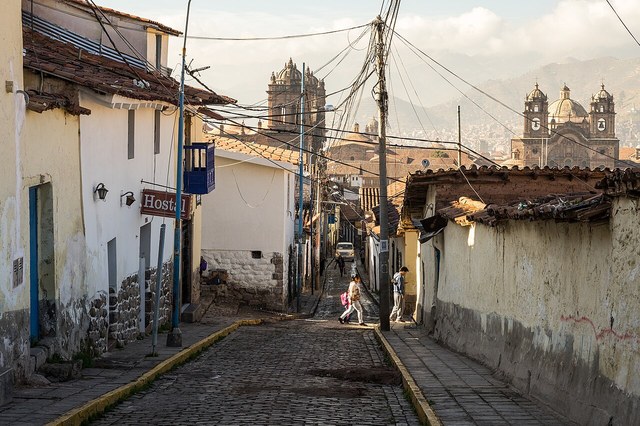
Incan capital city · founded 12th century; fell 1533 · Andes highlands, Peru
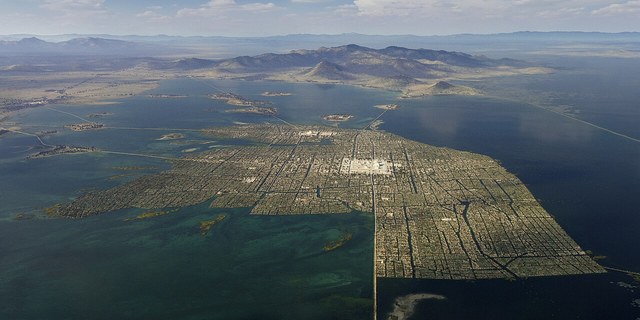
Cusco was the capital of the Incan Empire, shaped like a sacred puma and home to the gold-covered Coricancha temple.
The kit
- Layout — Cusco was shaped like a sacred puma, with the Sacsayhuamán fortress forming its head and divided into hanan and hurin sections.
- Coricancha — Cusco's Coricancha temple featured walls covered in gold sheets and was dedicated to worshiping the sun god Inti.
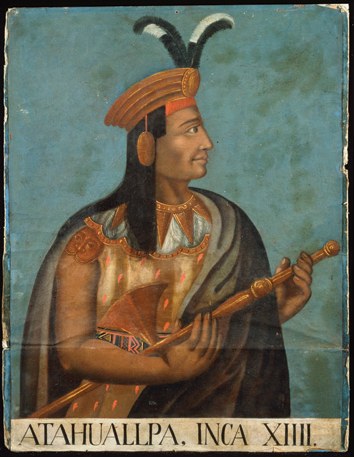
- Spanish conquest — Cusco's gold was stripped to pay ransom for its captured ruler, and the Church of Santo Domingo was built atop Coricancha's ruins.
- Sieges — Cusco withstood a ten-month siege by Manco Yapanqui despite his force of over two hundred thousand soldiers after the Spanish conquest.
Runs with
Incan Empire
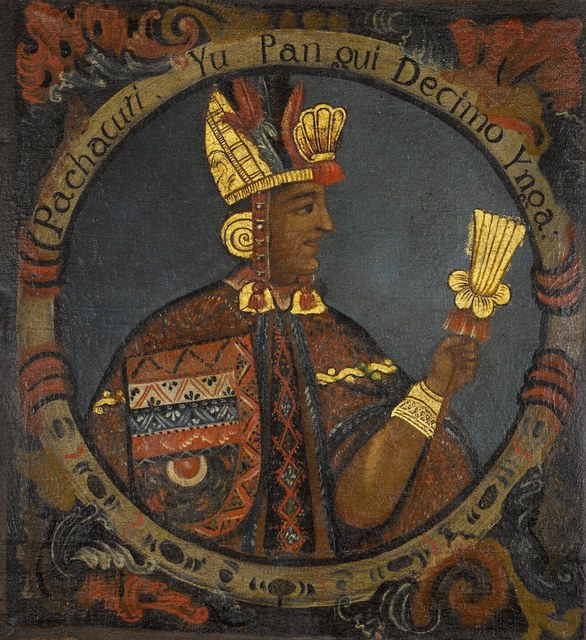
Pachacuti
Peru
The ladder · 15 clues
This city, which was divided into sections called hanan and hurin, was the site of a temple whose walls once featured sheets of gold.
This Inca city was shaped like a puma and served as the capital of the empire. Legend holds that it was built by Pachacuti.
This city, built in the shape of the sacred puma, had its Coricancha temple stripped of gold in order to pay a ransom for its ruler.
Conflict over the jurisdiction over this city resulted in the Battle of Las Salinas, after which Diego de Almagro was executed.
This city’s fortress of Sacsayhuamán [“sawk-say-wah-MAHN”] was constructed by the Killke [“KEY-ke”] culture.
Manco Yapanqui failed to capture this city after a ten-month siege, despite possessing over two hundred thousand soldiers.
One ruler was locked in this city’s “Ransom Room”after being ambushed at nearby Cajamarca by conquistadors.
This city’s Church of Santo Domingo was built atop the ruins of the Temple of the Sun after its destruction.
This city is defended by the fortress of Sacsaywaman , which forms the “head” of its puma-shaped layout.
A Late Intermediate kingdom based in this city built a mortarless ashlar house where women learned to weave, the main acllahuasi .
This city’s Saksaywaman (SAK-say-WHY-man) walls were built by the Killke (KILL-ik) culture during its early history.
Pachacuti built the empire from this city.
This capital city of the Incan Empire is home to the Coricancha temple.
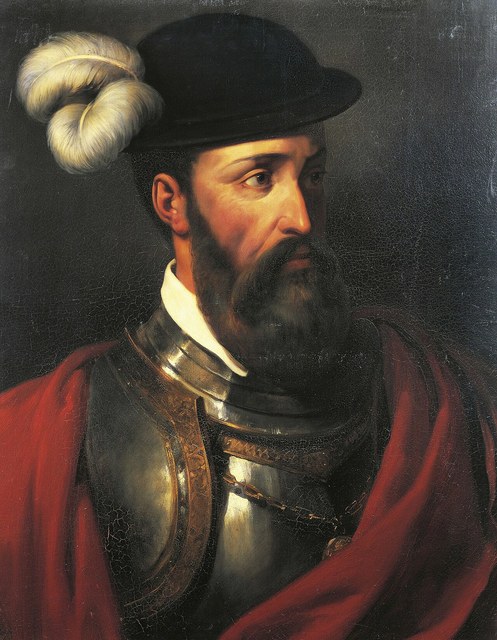
Atahualpa was strangled to death by Francisco Pizarro in this former capital city of the Incan Empire.
A temple called the Coricancha was one of the most important landmarks in this city and was used to worship the sun god Inti.
10 more clues from the record
Incan capital city, the site of the Sacsayhuaman [sak-say-wha-man] fortress.
In order to pay his mita public service tax that finances roads and temples, Andy might have to travel to this Incan capital. He might just travel there anyway, because he heard they are in need of high school tossups on PEP carboxylase.
Watered by the Hua·ta·nay, Huan·ca·ro, and Chun·chull·ma·yo rivers, this city experienced an earthquake in 1650, allowing for its namesake “Baroque” period. :Name this city whose Quechua name means “center.”
This city’s name means “navel” due to its central temple, whence 41 paths called ceques led out to sacred huacas in the “Four Parts Together,” or suyus.
The “stone of the twelve angles” was an archaeological relic found in this city and exemplifies its builders’ common technique of cutting stones geometrically to do away with the need for mortar.
The so-called “navel of the world”, it was said to be founded when Mama Ocllo and her brother-husband Manco arrived at the hill Huanacaure and saw a scepter submerge.
One citadel on the northern outskirts of this city was the site of a siege by the puppet ruler Manco II who retreated to the jungle where his son succeeded him.
A man who claimed to be a direct descendant of that son two centuries later staged an indigenous uprising before being executed in this city.
Juan Veramendi erected a Basilica Cathedral here, and Vicente Valverde served as the first bishop of this city, where Diego Almagro was executed.
The Battle of Las Salinas was fought just outside this city, which later became the center of a rebellion led by Mateo Pumacagua.

_-_Interior_HDR.jpg)
