The 1648 Codex

The Roaring Twenties

15 terms · 208 ladder clues · every clue is a real line from national play.

Swipe or use the arrows. Tap a clue to rate it; your taps shape what comes back.

#272 · US Laws, Amendments, and Official Documents · Level 1

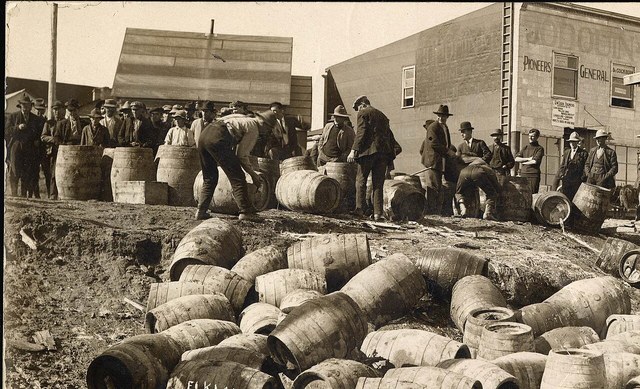
Prohibition

Prohibition
Archives of Ontario, C.H.J. Snider fonds, Reference Code F 1 · Public domain

U.S. alcohol ban · 1920–1933 · United States

Prohibition was the nationwide ban on alcohol sale and transport enacted by the Eighteenth Amendment and enforced by the Volstead Act.

The kit

  • Rise — Prohibition was promoted by the Woman's Christian Temperance Union led by Frances Willard and the Anti-Saloon League led by Wayne Wheeler.
  • Achievements — Prohibition became law when the Volstead Act was enacted in 1920 to carry out the Eighteenth Amendment's alcohol ban.
  • Conflicts — Prohibition was widely circumvented through speakeasies and bootleggers, while the Purple Gang thrived and committed the St. Valentine's Day Massacre.
  • Legacy — Prohibition ended in 1933 when the Twenty-first Amendment repealed the Eighteenth Amendment after the Cullen-Harrison Act liberalized the policy.

Runs with

Volstead Act
enforced Prohibition's alcohol ban nationwide open card →
Maine
passed early "Maine Law" enacting alcohol ban open card →
Carrie Nation
violently promoted it with hatchet attacks open card →
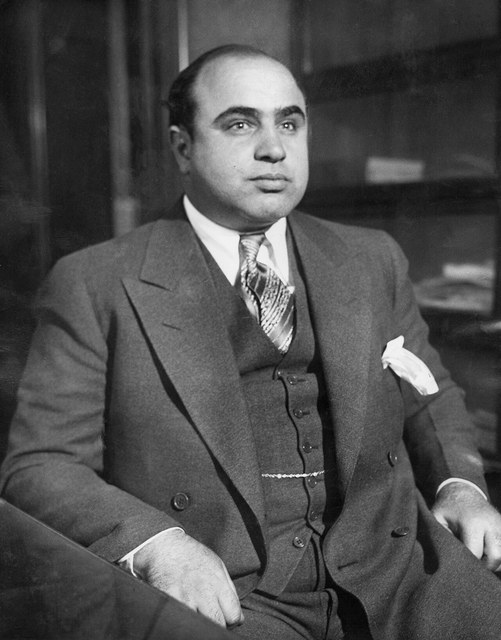
Al Capone

The ladder · 15 clues

H

The signing of the Cullen-Harrison Act liberalized this policy, which ended later the same year.

H

This policy was enabled by the Volstead Act, and its promoters included the Woman's Christian Temperance Union and the Anti-Saloon League.

H

An early success for this cause was Neal Dow’s passing of the “Maine Law,” though that was eventually overturned by a riot in Portland.

H

A riot in Portland, Maine resulted from the “Maine Law” enacting this policy that was advanced by James Appleton and Neal Dow.

H

13-year period of American history when sale and transport of alcohol was banned by the 18th Amendment.

H

For supporting this movement, Rutherford B. Hayes’ wife, Lucy, received a derisive nickname.

H

This policy was largely ignored by Congress as senators flocked to buy from “the man in the green-hat,” George Cassiday.

M

This policy became law when the Volstead Act was enacted to carry out the Eighteenth Amendment. name this 1920s policy that banned liquor throughout the US.

M

A Christian organization within this movement was led by feminist Frances Willard and was called the WCTU.

M

Wayne Wheeler drafted the Volstead Act that enforced this period.

M

A group promoting this cause advocated for “Protection for the home” and was led by Matilda Carse and Frances Willard.

M

This cause, which the WCTU’s Carrie Nation helped enforce with an axe, was circumvented by the establishment of “speakeasies.” The 1920 Volstead Act was the ultimate success for this cause, but was overturned in 1933 by the 21st Amendment. name this social cause that seeks to ban intoxicating liquors.

E

This policy was supported by the hatchet-wielding Carrie Nation and enacted nationwide by the Volstead Act. name this policy that was repealed by the 21st amendment and banned the sale of most alcohol.

E

The Volstead Act allowed federal enforcement of this policy, and Speakeasies became commonplace as Americans attempted to skirt this policy. name this policy implemented via the 18th Amendment and repealed in 1933.

E

The Anti-Saloon League backed this policy that banned the sale of alcohol.

10 more clues from the record
H

The Jewish-led Purple Gang thrived during this period and were suspected of committing the St. Valentine’s Day Massacre.

H

Wayne Wheeler founded an organization promoting this policy, and the hatchet-wielding Carrie A. Nation promoted it violently.

H

To promote this cause, Howard Hyde Russell signed children up to the Lee-Lincoln Legion.

H

Attempts to circumvent this policy led to people developing “jake leg” syndrome.

H

Speakeasies began to be established during this period following the passage of the Eighteenth Amendment, during which alcohol was banned in the United States.

H

The so-called “Napoleon” of this movement was Neal Dow, who later fought in the Civil War, but was wounded at the siege of Port Hudson.

H

The Volstead Act was passed to carry out this legislation, whose passage led to a rise in speakeasies and bootleggers.

H

Walt Whitman’s terrible early novel Franklin Evans was circulated by a group supporting this cause called the Washingtonian Society.

H

A violent advocate of this cause interpreted a tornado striking Kansas as God's approval for her first-ever protests in Kiowa in 1900.

H

The concept of “pressure politics” was pioneered by a group supporting it whose leaders included William “Pussyfoot” Johnson.
Watch out: Lucy Hayes (Rutherford B. Hayes' wife) received a derisive nickname for supporting this movement but was not its primary leader
#283 · US Laws, Amendments, and Official Documents · Level 1

Nineteenth Amendment

Nineteenth Amendment
a rel="nofollow" The U.S. National Archives · No restrictions

U.S. constitutional amendment · ratified 1920 · United States

The Nineteenth Amendment prohibits denying American citizens the right to vote based on sex, granting women's suffrage in 1920.

The kit

  • Passage — The Nineteenth Amendment was introduced by Senator Aaron Sargent more than forty years before ratification and passed Congress as a war measure.
  • Ratification — The Nineteenth Amendment's adoption was secured when Harry Burn cast the deciding vote in Tennessee after being persuaded to "put the rat in ratification."
  • Legal challenges — The Nineteenth Amendment overruled Minor v. Happersett and survived challenge in Leser v. Garnett, where the Supreme Court unanimously upheld it.
  • Legacy — The Nineteenth Amendment came seventy-two years after the Seneca Falls Convention and is sometimes called the Anthony Amendment in Susan B. Anthony's honor.

Runs with

women
granted women the right to vote open card →
Women's Suffrage
codified women's suffrage into U.S. law open card →
Woodrow Wilson
passed during his administration with his support open card →
Susan B. Anthony
sometimes called the Anthony Amendment in her honor open card →

The ladder · 15 clues

H

Answer the following about the women’s rights movement, .Ratified in 1920, this amendment prohibits American citizens from being denied the right to vote based on sex.

H

Supporters of this legislation organized the “Prison Special” in which members of the Silent Sentinels traveled from city to city giving speeches.

H

The deciding vote for this amendment was cast by Harry Burn, a Tennessee legislator who was persuaded to “put the rat in ratification.” This amendment overruled Minor v.

H

Senator Aaron Sargent introduced this amendment in Congress more than forty years before it was adopted.

H

This amendment effectively reversed the Supreme Court’s 1875 case of Minor v.

H

Garnett upheld this piece of legislation after declaring one process a “federal function.” To promote this amendment, Carrie Chapman Catt endorsed U.S entry into World War One.

H

Tennessee’s ratification of this amendment guaranteed its adoption, although Mississippi would not actually ratify it until 1984.

M

Constitutional amendment which stopped states from denying the right to vote to women.

M

Women's right to vote was officially codified into U.S. law with the passing of this amendment to the Constitution, seventy-two years after the Seneca Falls Convention.

M

This amendment was supported by a group of picketers known as the Silent Sentinels.

M

Carrie Chapman Catt worked to ratify this amendment adopted in 1920 guaranteeing women’s suffrage.

M

Women’s suffrage was officially granted by what amendment to the Constitution?

E

The actions of the group NAWSA eventually led to Woodrow Wilson expressing support for this amendment.

E

Passed during the administration of Woodrow Wilson, this amendment is sometimes called the Anthony Amendment in honor of a Susan B. Anthony. name this American amendment to the Constitution that allowed women to vote.

E

Number of the constitutional amendment that gave suffragists the right they sought.

10 more clues from the record
H

Oscar Leser sued to stop this amendment, saying that Maryland’s constitution directly contradicted it.

H

Happersett, and its ratification was upheld in Leser v.

H

After an unexpected setback for this legislation in Delaware, all eyes turned to a state where opponents of it plied people with liquor in the so-called Jack Daniels Suite.

H

Specters of a new Force Bill were used by "antis" like Josephine Parker to argue against this legislation on racial grounds.

H

Despite popular legend, Harry T. Burn was not chased out of a building by opponents of this piece of legislation after voting in favor of it.

H

Governor Albert H. Roberts waffled on whether it was legal to call a special session to vote on this legislation without a new election.

H

This amendment passed Congress with the justification that it was a war measure, rather than a woman's rights issue.

H

This amendment was necessary due to the failure of test cases like Bradwell v.

H

Garnett unsuccessfully argued that this amendment violated the Maryland State Constitution.

H

Garnett, the Supreme Court unanimously ruled this legislation was constitutional.

Watch out: Minor v. Happersett - earlier Supreme Court case that denied women's voting rights, overruled by this amendment
#289 · US Laws, Amendments, and Official Documents · Level 1

Volstead Act

Volstead Act
U.S. Government · Public domain

Prohibition enforcement legislation · 1919 · United States

The Volstead Act was 1919 legislation that enabled the Eighteenth Amendment by defining intoxicating liquor and establishing enforcement mechanisms.

The kit

  • Drafting & passage — The Volstead Act was drafted by Wayne Wheeler of the Anti-Saloon League and named for Minnesota Representative Andrew Volstead.
  • Key provisions — The Volstead Act defined intoxicating liquor as beverages exceeding 0.5% alcohol and gave enforcement power to the Commissioner of Internal Revenue.
  • Opposition & modification — The Volstead Act passed despite Woodrow Wilson's veto and was later modified by the Cullen-Harrison Act to allow 3.2% beer.
  • Enforcement — The Volstead Act's violations were upgraded to felonies by the Jones Law, though states like Maryland openly refused enforcement.

Runs with

Prohibition
enforced the Eighteenth Amendment's prohibition open card →
Minnesota
named for Minnesota Congressman Andrew Volstead open card →
Bakumatsu Period
no connection shown in clues open card →
American Railway Union
no connection shown in clues open card →

The ladder · 15 clues

H

This law named for the Chair of the House judiciary Committee enabled the Eighteenth Amendment by defining “intoxicating liquor” and listing the penalties for breaking the law.

H

"Act" named for a Chairman of the House Judiciary Committee which enforced Prohibition.

H

This legislation's namesake, a Minnesota Congressman, also co-sponsored a bill that made farm combines exempt from anti-trust laws with Arthur Capper.

H

1919 Congressional act that legislated prohibition once it became constitutional law.

H

It was supported by rectangular yellow pamphlets encouraging voters to vote yes on May 24 “for the sake of our boys and girls.” This support was galvanized by the WCTU and was lobbied for in Washington under the aegis of its formulator Wayne Wheeler.

H

This act was drafted by Wayne Wheeler and named after the Chairman of the House Judiciary Committee. :Name this Act that prohibited the production, transport, and sale of a certain class of substances, but did not explicitly prohibit their consumption.

H

This act drafted by Wayne Wheeler defined the scope of the Eighteenth Amendment’s prohibitions, and its “non-intoxicating cider and fruit juice” exception effectively legalized home winemaking.

H

Carrie Nation would have been pleased at the passage of this 1919 act named for a Minnesota senator. It enforced the alcohol prohibition of the eighteenth amendment.

M

Sponsored by a namesake Minnesota representative, this act passed despite Woodrow Wilson’s veto.

M

To enforce the 18th Amendment, in 1919 Congress passed the National Prohibition Act, which is better known by this name after the Minnesota Congressman who proposed it.

M

This legislation's restriction of 0.5% as the legal limit for certain substances were ignored by operators of blind pigs and speakeasies. name this legislation which enforced the 18th Amendment.

M

It was supported by organizations like the Anti-Saloon League. name this companion piece to the Eighteenth Amendment that enforced prohibition.

M

The 18th Amendment was reinforced by this act prohibiting the production of "intoxicating liquors," which President Wilson tried to veto.

E

What act, drafted by the Anti-Saloon League’s Wayne Wheeler and named for a Minnesota Congressman, helped to enforce the 18th Amendment?

E

Legislative act that defined the regulations of Prohibition.

10 more clues from the record
H

The Cullen-Harrison Act of 1933, which allowed beer at 3.2% alcohol-by-weight, marked the beginning of the end for this legislation. :Name this act that established the enforcement of the 18th Amendment.

H

This act was passed in 1919 to enforce the Eighteenth Amendment. As a result, gangs took over production and distribution of alcoholic beverages.

H

John Collier introduced one attempt to modify this piece of legislation, the violation of which led to the wire-tapping case Olmstead v.

H

It was sponsored by the chair of the House Judiciary Committee, a congressman from Minnesota, and it gave power of enforcement to the Commissioner of Internal Revenue.

H

It defined as being illegal items with more than one-half of one percent of the involved substance.

H

Maryland governor Albert Richie openly refused to enforce this act, which was drafted by Wayne Wheeler.

H

A mother of ten named Etta Mae Miller was sentenced to life in prison for violating this legislation.

H

The Cullen-Harrison bill modified it to set a limit of 3.2 percent, raised from the original 0.5 percent.

H

Name these acts from US history .This law authorized enforcement of the Eighteenth Amendment.

H

Violations of this law were changed from misdemeanors to felonies by the Jones Law.

#463 · Named Literary Works · Level 1

Harlem

Harlem
Momos · Public domain

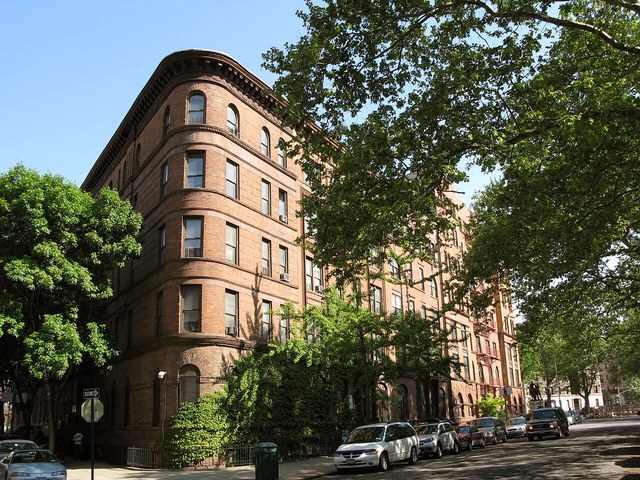
Manhattan neighborhood · 1880s–present · New York City

Harlem is a Manhattan neighborhood that became the center of African American culture and the 1920s Harlem Renaissance.

The kit

  • Rise — Harlem experienced a building boom in the 1880s, but the Panic of 1893 caused high vacancy rates that led landlords to rent to Black tenants along Lenox Avenue.
  • Renaissance — Harlem became the epicenter of a 1920s literary Renaissance featuring Langston Hughes, Countee Cullen, and Alain Locke, with cultural venues like the Apollo Theatre and Savoy Ballroom.
  • Conflicts — Harlem witnessed a 1935 race riot after a Puerto Rican shoplifter was beaten, and 1965 riots that prompted Project Uplift and HARYOU programs.
  • Legacy — Harlem's 369th Infantry Regiment, the "Hellfighters," became the first Allied unit to cross the Rhine, with Henry Johnson earning the Croix de Guerre.

Runs with

New York City
Harlem is a neighborhood in Manhattan, New York City open card →
Renaissance
Harlem gave its name to the 1920s Harlem Renaissance open card →
Malcolm X
Malcolm X led Nation of Islam Temple Number 7 in Harlem open card →
Marcus Garvey
Marcus Garvey centered his Back to Africa movement in Harlem open card →

The ladder · 15 clues

H

Izola Curry stabbed Martin Luther King Jr. with a penknife while at a book signing in this neighborhood.

H

Kenneth Clark and Cyril deGrasse Tyson led HARYOU in this neighborhood, where 1965's Project Uplift responded to riots.

H

An experimental Great Society program in this district included a LeRoi Jones-run theater program as part of Project Uplift.

H

In 1935, a Puerto Rican shoplifter was beaten in this area, leading to a race riot.

H

Asa Philip Randolph founded the activist newspaper The Messenger in this neighborhood, and sculptor Augusta Savage was associated with a revitalizing art movement in this city.

H

A Lorraine Hansberry play about the Younger family’s struggle with housing discrimination takes its title from this Hughes poem.

H

The so-called "Black Eagle" of this place, Hubert Julian, helped defend Ethiopia as a pilot in the Arbegnoch during the Second Italo-Ethiopian War. :Name this place, which named the first Allied unit to cross the Rhine into Germany. Henry Johnson received the Croix de Guerre fighting for the 369th Infantry Regiment, which was nicknamed for this place.

M

During World War One, a group of “hellfighters” came from this area. name this district of Manhattan.

M

This area’s 133rd street was known as “Swing Street,” and the Lindy Hop became famous at this district’s Savoy Ballroom.

M

The Apollo Theatre is located in this neighborhood, which was long represented in Congress by Adam Clayton Powell.

M

The Nation of Islam’s Temple Number 7 in this neighborhood was led by Malcolm X. One movement named for this region influenced many Black thinkers and authors. name this New York City neighborhood home to a namesake “Renaissance.”

M

Alain Locke was a leader of a movement named for this neighborhood that also included Countee Cullen and Langston Hughes. name this Manhattan neighborhood that experienced a 1920s "Renaissance" in Black culture.

E

This neighborhood, named for a Dutch city, was the epicenter of a namesake literary “Renaissance’ by black authors such as Langston Hughes. name this neighborhood, a historical New York City borough.

E

This area is where Marcus Garvey centered his Back to Africa movement.

E

Langston Hughes wrote about white people storming this neighborhood’s businesses such as The Cotton Club during Prohibition. name this New York City neighborhood where Black art flourished during a namesake “Renaissance.”

9 more clues from the record
H

Answer the following about the African American war hero Henry Johnson. :Johnson earned the French Croix de Guerre by fighting as part of this neighborhood’s “Hellfighters” during WWI. A 1920’s “renaissance” centered on this black neighborhood in New York City.

H

This area witnessed the Freddie’s Fashion Mart riot in 1995 shortly after it was targeted along with Inwood and Washington Heights as part of an Empowerment Zone during the Clinton administration.

H

The “Garbage Offensive” was launched in this region, where an X-ray truck was later forcefully seized and used to conduct tuberculosis screenings by the socialist Young Lords party.

H

A story told by an activist who manages this place's namesake "Children's Zone" titles Davis Guggenheim's documentary Waiting for "Superman;" that activist is Geoffrey Canada.

H

The Federal Contested Elections Act was passed after John MacCormack excluded a representative from this place from Congress.

H

A popular summer residential community, it experienced a building boom in the 1880’s.

H

Real estate baron Philip Payton was called the “Father of” this region.

M

But the Panic of 1893 resulted in a high vacancy rate, so property owners and apartment landlords rented space to blacks, especially along Lenox Avenue. name this area centered on “The Main Stem” (125th Street) that soon became a term synonymous with the black community living in New York City.

M

This place's Renaissance Casino hosted LGBTQ events and cross-dressing contests in the 1920s. Lesbian singer Gladys Bentley sang at rent parties in this place, whose Gang of Four included Charles Rangel.

Watch out: The Cotton Club, though located in Harlem, primarily served white patrons during Prohibition
#733 · Natural Disasters · Level 1

Great Molasses Flood

Great Molasses Flood
a rel="nofollow" BPL · Public domain

1919 industrial disaster · January 15, 1919 · Boston, Massachusetts

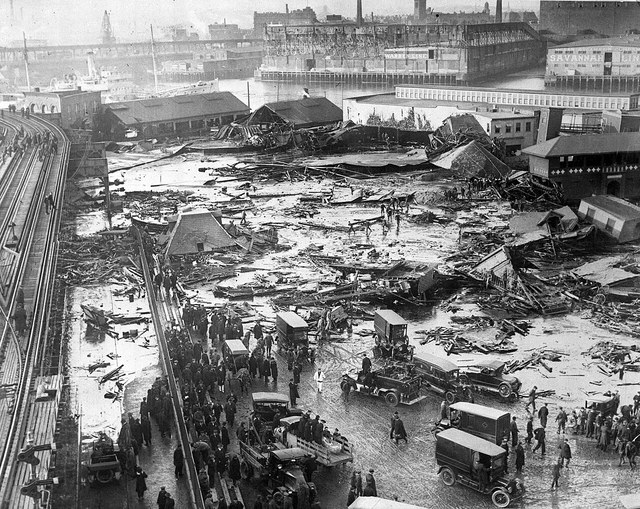
Great Molasses Flood was a 1919 disaster when a Purity Distilling Company storage tank burst, releasing two million gallons into Boston's North End.

The kit

  • Cause — Great Molasses Flood began at 529 Commercial Street when a tank exploded, creating a 25-foot high wave of molasses.
  • Casualties — Great Molasses Flood killed 21 people including Patrick Breen and injured 150, crushing and burying victims in the sticky substance.
  • Response — Great Molasses Flood prompted Lieutenant Commander H. J. Copeland to lead 116 USS Nantucket cadets in pulling out survivors.
  • Aftermath — Great Molasses Flood led to a class action lawsuit against United States Industrial Alcohol Company, which was found liable after blaming anarchists.

Runs with

Boston
occurred in North End neighborhood open card →
ParisLondon
Massachusetts
occurred in state capital open card →

The ladder · 11 clues

H

This event began at the Purity Distilling Company and involved a burst storage tank in the North End Neighborhood of a certain New England city. identify this January 15, 1919 event in which two million gallons of a brown, sticky substance spilled into the streets of the Massachusetts capital.

H

This event began at 529 Commercial Street, and its aftermath involved a class action lawsuit against the United States Industrial Alcohol Company.

H

During this event, Lieutenant Commander H. J. Copeland led 116 cadets from the USS Nantucket to pull out ​ ​ survivors.

H

This event led to the deaths of 21 people including Patrick Breen.

H

Apologies to our American friends, but, answer some questions about hypocrisy in American history:This event of 1919 killed 21 and injured 150 people, more than four times as many fatalities as the Boston massacre in the same city.

H

A plaque at Puopolo Park commemorates this event, which saw 21 people die and 150 casualties, as a result of an event at the Purity Distilling Company. :Name this 1919 event, in which a 40-foot wave of a namesake substance rampaged through a Northeastern city at speeds of up to 35 miles per hour.

H

This event was caused by a drastic change in the ambient temperature on January 15, 1919. :Name this event, a non-water flood with waves over 9 feet high that caused the city it occurred in to smell of the substance for decades after on hot days.

H

The Boston Evening Globe reported that this event was caused by an anarchist-set bomb. :Name this event in which 21 people died after a tank belonging to the Purity Distilling Company exploded in Boston’s North End.

M

The elevated railway along Atlantic Avenue was destroyed by a 25-foot high black wave during this 1919 event which was initiated when a tank exploded at the Purity Distilling Company. name this event during which a New England city experienced a "Great Flood" of a remnant of boiled sugarcane?

M

Fannie Farmer’s cookbook was named for the city where this event took place. In this event, the rupture of a large tank at the Purity Distilling Company killed 21 in a flood of the namesake substance in the North End.

M

The USIA tried to blame this disaster on anarchists, but were found liable after a tank of the namesake substance burst in Boston, crushing and burying 21 people.

Watch out: Boston Massacre (also occurred in Boston but was 1770, had fewer fatalities)
#735 · Natural Disasters · Level 1

Great Mississippi Flood of 1927

Great Mississippi Flood of 1927
Coast and Geodetic Survey · Public domain

catastrophic river flood · 1927 · Mississippi River valley, Southern U.S.

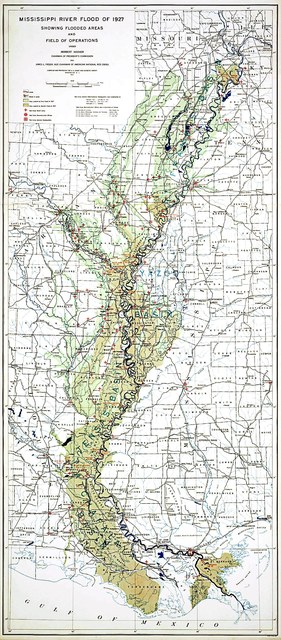
Great Mississippi Flood of 1927 was the worst flood in U.S. history, displacing over 600,000 people and breaking 145 levees.

The kit

  • Scale & destruction — Great Mississippi Flood of 1927 broke 145 levees and inundated cities including Mounds Landing and Arkansas City across multiple Southern states.
  • Racial injustice — Great Mississippi Flood of 1927 spawned refugee camps marked by extreme racial inequality, where Black evacuees in Greenville were forced to work at gunpoint.
  • Political impact — Great Mississippi Flood of 1927 boosted Herbert Hoover's career through his relief supervision, helping secure his 1928 Republican presidential nomination.
  • Legacy — Great Mississippi Flood of 1927 inspired cultural works including "Backwater Blues" by Bessie Smith and contributed to the Great Migration northward.

Runs with

Herbert Hoover
supervised relief efforts and later built world's largest levee system open card →
Water
catastrophic overflow of Mississippi River open card →
Calvin Coolidge
signed act authorizing Army Corps of Engineers projects in response open card →
Arkansas
particularly hard hit by flooding open card →

The ladder · 12 clues

H

Richard M. Mizelle Jr.'s history of this event "in the African American imagination" is titled for Bessie Smith's song, "Backwater Blues".

H

A Randy Newman song about this event features the President at the time saying “little fat man, isn’t it a shame?” The Colored Advisory Commission led by Robert Moton investigated the treatment of African Americans in refugee camps created after this event.

H

Mounds Landing and Arkansas City were some of the worst hit cities in this event, which contributed to the Great Migration.

H

In response to this event, Calvin Coolidge signed an act authorizing new Army Corps of Engineers projects.

H

During this disaster, evacuees to the town of Greenville were denied food and water and instead forced to work at gunpoint. :Name this natural disaster, the worst of its kind in U.S. history. It displaced over 600,000 people, most of them Black farmers.

H

Robert Russa Moton of the Tuskegee Institute was pressured into not releasing a scathing report on the racism in the response to this event until the man who led that response had become President.

H

A bill responding to this event co-sponsored by Wesley Jones and Frank Reid allocated three hundred twenty five million dollars in relief.

H

Major General Edgar Jadwin's namesake plan written in the aftermath of this event called for protecting the city of Cairo ["CARE"-oh].

M

Herbert Hoover oversaw the construction of the world's largest system of levees following this event.

M

This event spawned a series of refugee camps known for their extreme racial inequality, inspiring musical pieces including "Backwater Blues" and "High Water Everywhere." name this event, sometimes called the “High Water of 1927," the worst event of its kind in U.S. history.

M

Hoover helped secure the 1928 Republican nomination by overseeing relief efforts for one of these natural disasters a year earlier. Arkansas was particularly hard hit by the 1927 instance of one of these disasters.

M

Secretary of Commerce Herbert Hoover supervised the response to this event, in which 145 levees broke. name this natural disaster during Calvin Coolidge's presidency which inundated many Southern states.

Watch out: High Water of 1927 (alternate name for same event)
#1186 · Popular Musicians and Groups · Level 1

Duke Ellington

Duke Ellington
Unknown author Unknown author · Public domain

Jazz pianist and bandleader · 1899–1974 · New York City, Harlem

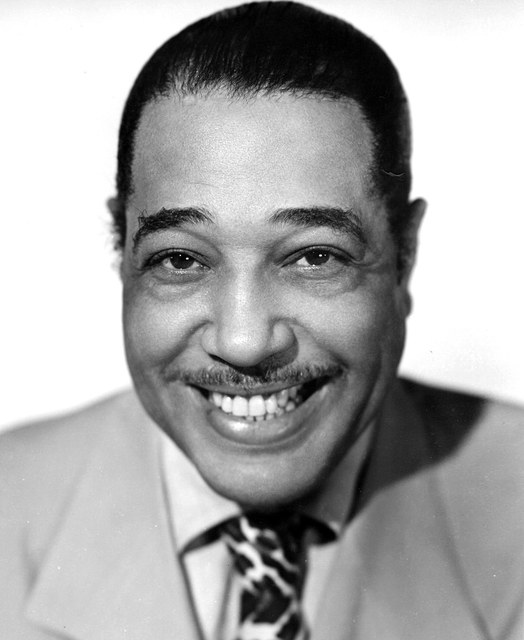
Duke Ellington was a jazz pianist and bandleader whose signature song was Billy Strayhorn's "Take the A Train."

The kit

  • Rise — Duke Ellington wrote his first song "Soda Fountain Rag" by ear while working at Poodle Dog Café.
  • Achievements — Duke Ellington composed "It Don't Mean a Thing (If It Ain't Got That Swing)" and the three-part suite Black, Brown, and Beige.
  • Achievements — Duke Ellington created the first significant African-American film score for 1959's Anatomy of a Murder with Billy Strayhorn.
  • Legacy — Duke Ellington was eulogized by Miles Davis in the song "He Loved Him Madly" after his death.

Runs with

Harlem
signature song referenced **the A Train to Harlem** open card →
New York City
based in **New York City and Harlem** open card →
America
composed **Black, Brown, and Beige** about Negro history in America open card →
William Shakespeare
wrote twelve-part suite **based on Shakespeare's work** open card →

The ladder · 12 clues

H

Paul Gonsalves played a 27-chorus solo in the middle of “Diminuendo and Crescendo in Blue” at the 1956 Newport Jazz Festival, where this bandleader was begged to stick to a curfew.

H

This musician included tracks like “Sonnet for Sister Kate” and “Sonnet for Caesar” in a twelve-part suite based on the work of William Shakespeare.

H

In the autobiography Music is My Mistress, this man recalled playing baseball as a child while being watched by Theodore Roosevelt.

H

This artist made what is considered the first significant African-American film score for 1959's Anatomy of a Murder, created with Billy Strayhorn. name this legendary jazz pianist and band leader.

H

This man quipped “Fate doesn’t want me to be famous too young” when the Pulitzer committee did not award anyone in 1965.

H

He included the spiritual “Come Sunday” in a three-part composition about the history of the Negro in America, Black, Brown, and Beige.

H

This bandleader’s signature song, written by his frequent collaborator Billy Strayhorn, was named for the subway train that went to Harlem.

M

In the autobiography Music is my Mistress, this musician wrote about writing the song “Soda Fountain Rag” by ear.

M

Teddy Roosevelt was known to ride up on his horse to watch this musician play baseball as a child.

M

Juan Tizol and saxophonist Johnny Hodges played in this man’s orchestra.

E

This musician’s most famous composition is “It Don’t Mean a Thing (If It Ain’t Got That Swing).” name this jazz pianist who popularized “Take the A Train.”

E

After his death, this man was eulogized in a song by Miles Davis called “He Loved Him Madly.” While working at Poodle Dog Café, this man composed his first song, “Soda Fountain Rag.” This man protested racial discrimination in Harlem in the short film Black and Tan.

#1306 · East Asian Arts and Literary Traditions · Level 1

Art Deco

Art Deco
a rel="nofollow" Tony Hisgett /a from Birmingham, UK · CC BY 2.0

1920s-30s design movement · 1920s–1930s · Europe and United States

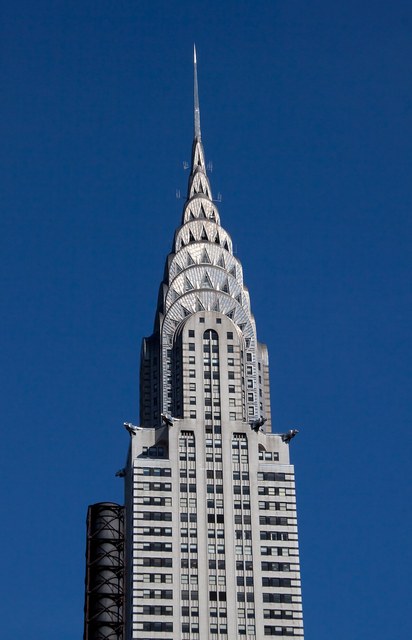
Art Deco was an ornamental yet industrial design movement that flourished in the 1920s and 1930s, exemplified by New York's Chrysler Building.

The kit

  • Architecture — Art Deco's architectural varieties included Zigzag and Streamline Moderne, which emphasized long, smooth horizontal curves on buildings and cars.
  • Iconic buildings — Art Deco buildings include the Chrysler Building decorated with radiator caps and gargoyles and numerous Works Progress Administration structures.
  • Visual arts — Art Deco visual works include Tamara de Lempicka's self-portrait in a Green Bugatti and Horace Taylor's London Underground escalator poster.
  • Prohibition era — Art Deco hidden bars with mirror-topped tables were created to conceal liquor during Prohibition in the United States.

Runs with

New York City
home to the Chrysler Building open card →
Paris
Henri Sauvage built early example on rue Benjamin Franklin open card →
London
Horace Taylor created Underground poster in this style open card →
York

The ladder · 8 clues

H

The ornamental, yet industrial art movement that inspired New York’s Chrysler building?

H

This movement’s three-dimensional varieties included Zigzag and Streamline Moderne, which emphasized long, smooth horizontal curves on cars and numerous buildings built by the Works Progress Administration.

H

Another building designed in this style was decorated with radiator caps and gargoyles and, upon completion in 1931, surpassed the Empire State Building as the tallest building in the world.

H

A self-portrait from this movement shows Tamara de Lempicka in a Green Bugatti with half-lidded eyes and a tight hat.

H

A street named for Benjamin Franklin is home to one of the earliest buildings in this style created by Henri Sauvage in Paris.

H

To promote the London Underground, Horace Taylor created a poster of commuters on escalators in this artistic style.

H

Hidden bars with mirror-topped tables were created in this style to conceal liquor during Prohibition.

M

The Chrysler Building exemplifies this highly modern style that flourished in the 1920s.

#1502 · General · Level 1

Teapot Dome Scandal

Teapot Dome Scandal
bdi Boyd Norton /span /a · Public domain

Harding-era bribery scandal · 1922–1923 · Wyoming oil fields

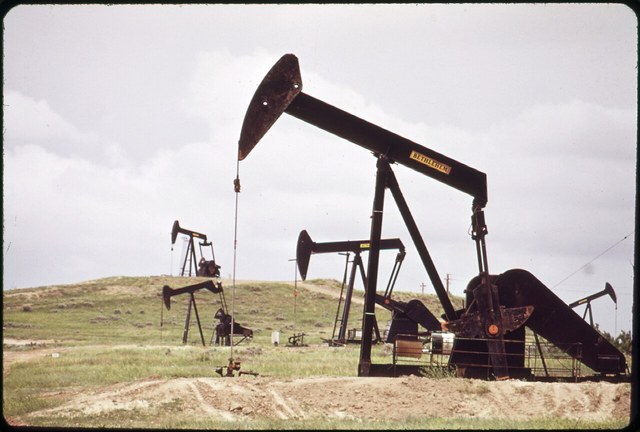
Teapot Dome Scandal saw Secretary of the Interior Albert Fall accept bribes from oilmen Harry Sinclair and Edward Doheny for leasing Navy oil reserves.

The kit

  • Corruption scheme — Teapot Dome Scandal involved Albert Fall leasing Navy oil lands including Elk Hills to private companies in exchange for kickbacks totaling over $100,000.
  • Investigation — Teapot Dome Scandal was investigated by Montana Senator Thomas Walsh after John Kendrick introduced a resolution and Robert La Follette led the inquiry.
  • Legal consequences — Teapot Dome Scandal resulted in Albert Fall becoming the first cabinet member imprisoned and established Congress's power to compel testimony in McGrain v. Daugherty.
  • Political fallout — Teapot Dome Scandal was planned at the Little Green House on K Street and damaged William Gibbs McAdoo's presidential hopes when his Doheny payments were revealed.

Runs with

Edward
Edward Doheny paid Fall a $100,000 bribe for oil leases open card →
Warren G. Harding
scandal occurred during Harding's presidency and tarnished his legacy open card →
the Presidency
scandal plagued the Harding administration in 1922 open card →
John
Senator John Kendrick introduced the resolution for official investigation open card →

The ladder · 15 clues

H

Robert La Follette believed that his Senate office was burgled because he led an investigation into this event.

H

The Supreme Court ruled Congress could compel testimony in a case about this event, which Attorney General Harry Daugherty was accused of not investigating. This scandal revolved around Edward Doheny and Harry Sinclair's bribing of Secretary of the Interior Albert Fall for contracts to oil fields in Wyoming. Name this scandal that plagued Warren Harding's administration in 1922.

H

During this scandal, Albert Fall leased public land owned by the Navy, such as Elk Hills, to private oil companies. name this land scandal during the administration of Warren G. Harding.

H

A court case arising from this event, McGrain v.

H

The Supreme Court affirmed the Congressional power to compel testimony in a response to Mally Daugherty, whose brother, Attorney General Harry Daugherty, refused to investigate this event.

H

This incident was investigated by Thomas Walsh's commission and gave rise to the Supreme Court case McGrain v.

H

The details of this event were almost certainly planned at the Little Green House on K Street.

M

As a result of this event, the Supreme Court upheld the right of Congress to compel witness testimony in McGrain v.

M

Following this event, Congress was granted the power to compel testimony by the Supreme Court’s ruling in McGrain v.

M

Daugherty set a precedent allowing Congress to force a testimony.

M

John Kendrick introduced a resolution for an official investigation into this event, which was led by Robert LaFolette and Thomas Walsh.

M

Montana senator Thomas Walsh led an investigation into this event, which resulted in the imprisonment of Secretary of the Interior Albert Fall.

E

Harry Sinclair and Edward Doheny paid kickback bribes to Secretary of the Interior Albert Fall during this scandal in which Navy oil lands were leased during the Harding presidency.

E

Involving improper leasing of Navy Oil fields to Harry Sinclair and Edward Doheny, what bribery scandal occurred during the presidency of Warren G. Harding?

E

Thomas J. Walsh's enquiry into this event found a $100,000 loan from Edward Doheny, which resulted in Albert Fall becoming the first presidential cabinet member to go to prison. name this scandal involving a Wyoming oil field that further tarnished the legacy of President Warren G. Harding.

10 more clues from the record
H

A commission led by Robert La Follette Sr. began investigating this event after the ransacking of the Senate Office Building.

H

This event was investigated after a mysterious raid on Robert La Follette’s office occured.

H

Atlee Pomerene and Owen Roberts led a bipartisan investigation into this event.

H

The planning of this event occurred at the Little Green House on K Street, and this event resulted in the resignation of Edwin Denby.

H

The investigation began after future governor Leslie Miller reported suspicious dealings and a Senate probe into its occurrence was introduced by John Kendrick.

H

This event was planned at the Little Green House on K Street, and future Supreme Court Justice Owen Roberts investigated this event alongside Atlee Pomerene.

H

In one scene in this film the protagonist asks another man why he doesn’t seem alarmed toRwhich that man replies “would it help?” A scene in this film sees the protagonist meet Wolfgang Vogel to discuss the arrest of an American student named Frederic Pryor.

H

On trial for their roles in this event, tycoons Edward L. Doheny and Harry Ford Sinclair were acquitted, but Sinclair served time for jury tampering.

H

This scandal hurt William Gibbs McAdoo’s presidential hopes when it was revealed he had received $25,000 from Edward Doheny.

H

Carl Magee [[mah-GEE]], the inventor of the first usable parking meter, helped bring attention to this scandal.

Watch out: Attorney General Harry Daugherty was accused of not investigating the scandal but was not the bribe-taker; Albert Fall was the corrupt official
#1533 · US Presidents · Level 1

Calvin Coolidge

Calvin Coolidge
bdi Harris & Ewing /span /a · Public domain

30th U.S. President · 1923–1929 · United States

Calvin Coolidge became president after Warren Harding's death and was known for his taciturn nature and repeated vetoes of farm relief legislation.

The kit

  • Rise — Calvin Coolidge gained national recognition as Governor of Massachusetts by breaking the 1919 Boston Police Strike with Edwin Curtis.
  • Achievements — Calvin Coolidge signed the Indian Citizenship Act (Snyder Act) enfranchising all Native Americans and agreed to the Kellogg-Briand Pact outlawing war.
  • Conflicts — Calvin Coolidge repeatedly vetoed the McNary-Haugen farm relief bill that would have established a federal board to purchase crop surplus from farmers.
  • Legacy — Calvin Coolidge earned the nickname "Silent Cal" for his quiet nature, allegedly telling a woman "you lose" after a bet to make him say more than two words.

Runs with

Boston
broke the Boston Police Strike open card →
John
defeated John W. Davis in 1924 election open card →
Warren G. Harding
succeeded Harding after his death open card →
Massachusetts
served as Governor of Massachusetts open card →

The ladder · 15 clues

H

This man, who repeatedly vetoed the McNary-Haugen farm relief bill, agreed to the Kellogg- Briand Pact outlawing war.

H

Twice did Congress fail to pass a bill over this man’s vetoes that would have established a federal farm board that would have purchased crop surplus from farmers.

H

He was criticized for his leadership during the “Great Mississippi Flood.” This man signed the Indian Citizenship Act into law.

H

Vice President who was sworn in as president at 3 AM after Harding’s death.

H

This president declined to veto the Asian Exclusion Act due to it being an election year during which he defeated a compromise candidate who had been nominated on the 103rd ballot, John W. Davis.

H

His reputation greatly increased after working with Edwin Curtis in handling the Boston Police Strike while serving as the governor of Massachusetts.

H

This president pardoned a raccoon sent to be eaten and kept it as a pet in the White House.

M

While Governor of Massachusetts, this man gained national recognition for his response to the 1919 Boston Police Strike.

M

Democrat John W. Davis and Progressive Robert LaFollette both lost an election to this man.

M

Became President after the death of Warren Harding.

M

This man refused to visit victims of the Great Mississippi Flood due to his belief that it would be political grandstanding.

M

Dawes served as VP under this President, a Vermont native who arose to the position following Warren Harding’s death.

E

He came to prominence as the governor of Massachussetts, where he broke the Boston police strike. name this taciturn successor of Warren Harding.

E

This man allegedly told a woman “you lose” after she made a bet to get him to say more than two words, a tale reflecting his quiet nature.

E

This man succeeded the scandal-plagued Warren Harding. name this 30th President of the United States, a man labeled “Silent Cal.”

10 more clues from the record
H

In one position, he repeatedly vetoed the McNary-Haugen Farm bill, and his victory over Robert La Follette and John W. Davis led to his presidential inauguration being the first one broadcast live on radio.

H

This president’s 16-year-old son died of an infected blister while playing tennis on the White House lawn.

H

Kurt Shmoke's 2013 article on this President's little-known civil rights record discussed his advocacy of increasing funding for the medical college at Howard University.

H

This man's inauguration was administered by his father at his family home in Vermont, where he was born on Independence Day.

H

This man signed the Snyder Act, which provided for the enfranchisement of all Native Americans.

H

His "Silent" predecessor in the White House

H

In addition to opposing the McNary-Haugen Act, the Washington Naval Treaty was ratified during his term, and during this man's presidency the United States ratified an agreement outlawing warfare "as an instrument of national policy," the Kellogg-Briand Pact.

H

This President granted citizenship to all American Indians. :Name this Republican, an Amherst graduate who “did not choose to run”, having finished his own term after his predecessor’s death in office.

H

Harlan Fiske Stone served as chief justice during the internment camp cases. He had earlier been appointed Attorney General by this president, who defeated John W. Davis to become president.

H

John Derbyshire wrote a novel about Chai, a former Red Guard member who becomes fascinated with this president, who was the subject of Gamaliel Bradford's essay "The Genius of Average".

Watch out: Preceded, not succeeded by, Warren G. Harding
#1551 · US Congressional Figures · Level 1

Warren G. Harding

Warren G. Harding
Harris & Ewing, photographer · Public domain

29th U.S. President · 1921–1923 · United States

Warren G. Harding was the 29th U.S. President who promised a 'return to normalcy' after World War I but died in office amid corruption scandals.

The kit

  • Rise — Warren G. Harding was nominated at the Blackstone Hotel in a 'smoke-filled room' before routing James Cox in the 1920 election.
  • Achievements — Warren G. Harding's Secretary of State Charles Evans Hughes chaired the Washington Naval Conference, producing the Five-Power Naval Limitation Treaty.
  • Conflicts — Warren G. Harding appointed the corrupt 'Ohio Gang' including Attorney General Harry Daugherty, whose associate Jess Smith committed suicide after confrontation.
  • Death & succession — Warren G. Harding died in 1923 of a heart attack during his 'Voyage of Understanding' tour of Alaska and was succeeded by Calvin Coolidge.

Runs with

the Presidency
held office 1921–1923 as 29th president open card →
Teapot Dome Scandal
Interior Secretary Albert Fall leased Teapot Dome and Elk Hills oil fields corruptly during his administration open card →
Ohio
appointed the 'Ohio Gang' cronies including publisher background at Marion Star newspaper open card →
Calvin Coolidge
succeeded by Coolidge after sudden death in 1923 open card →

The ladder · 15 clues

H

During this man’s presidency, Secretary of State Charles Evans Hughes chaired the Washington Naval Conference.

H

This man appointed the “Ohio Gang” to positions in his administration including Attorney General Harry Daugherty, who obstructed the investigation into the most notorious scandal of this man’s administration.

H

This president toured Alaska during the “Voyage of Understanding.” A case ruling that Congress has the power to compel witness testimony involved the brother of this president’s Attorney General, Harry Daugherty.

H

This President’s administration attempted to curb the arrival of communists by passing the Per Centum Act, which limited yearly immigration to 3% of a current ethnicity’s population.

H

During this man's presidency, a congressman waved a straw hat on the floor of the House to denounce the American Valuation Plan, part of the high Fordney-McCumber Tariff which this man signed.

H

This man facilitated the Washington Conference, leading to the Five-Power Naval Limitation Treaty, and this man notably promised a "return to normalcy" during one campaign.

H

This President berated Charles Forbes as a “double crossing bastard” for selling off Veterans Bureau medical supplies.

M

After this man was nominated at the Blackstone Hotel in a “smoke filled room,” he routed James Cox in the general election.

M

The Teapot Dome scandal retrospectively tarnished the Presidency of this Republican, whose sudden death in 1923 led to his replacement by Calvin Coolidge.

M

A large scandal in his administration involved Harry Sinclair and Edward Doheny, who got a lease to the Elk Hills oil field from Interior Secretary Albert Fall.

M

This president faced a scandal caused by Interior Secretary Albert Fall corruptly leasing oil fields in Wyoming and California.

M

Nan Britton claimed to have given birth to this man’s illegitimate daughter, one of several controversies surrounding this man that came to light after his death from “apoplexy,” or a massive heart attack.

E

The Teapot Dome Scandal took place during the administration of, this president who died in office of a heart attack and was succeeded by Calvin Coolidge.

E

In a speech at Boston’s Home Market Club, this man noted that the U.S. needs to “put an end to false economics which lure humanity to utter chaos” in a speech that opens by blaming a “fever [that] has rendered men irrational.” This man argued that “America’s present need is not heroics, but healing; not nostrums, but” the slogan of his presidential campaign, in which he beat Leonard Wood on the tenth ballot at the nominating convention and beat James Cox in the election. name this US president who promised a “Return to Normalcy” after World War I.

E

Secretary Albert Fall’s sale of Navy land in the Teapot Dome scandal tarnished the legacy of this US president who promised a “return to normalcy” in the election of 1920.

10 more clues from the record
H

This president appointed Harry Daugherty as Attorney General.

H

This president signed in the Fordney-McCumber Tariff and called for the Washington Naval Conference.

H

The Little Green House on K Street was a frequent meeting place for this president’s inner circle, known as the Ohio Gang.

H

In office, he fostered the Four Power Treaty at the Washington Naval Conference and had his Secretary of State sign a treaty with Aristide Briand in an attempt to outlaw war.

H

Jess Smith committed suicide after this President confronted him about his crimes; Smith was an unofficial aide to this man’s Attorney General, Harry Daugherty.

H

The phrase “smoke-filled room” described the meeting that selected this man, the former publisher of The Marion Star newspaper, for a presidential nomination.

H

Following Eugene Debs' run for president from prison, this man commuted his sentence along with other people imprisoned by the Sedition Act.

H

According to multiple witnesses, whiskey confiscated by a U.S. Attorney General was served at a White House dinner by this man's wife, Florence.

H

Gaston Means claimed this man's "strange death" resulted from poisoning, not a cerebral hemorrhage or cardiac arrest.

H

The “Little Green House on K Street” formed as the headquarters of this man’s advisors, including Gaston Means and Edwin Denby.

Watch out: Albert Fall was Interior Secretary, not Attorney General—Harry Daugherty held that position
#1613 · General · Level 1

Al Capone

Al Capone
Chicago Bureau (Federal Bureau of Investigation) - Wide Worl · Public domain

Chicago gangster · 1920s–1930s · Chicago

Al Capone was a Chicago mob boss who dominated bootlegging during Prohibition and was convicted of tax evasion.

The kit

  • Rise — Al Capone worked under mentor Frankie Yale and partnered with Johnny Torrio to make millions bootlegging during Prohibition.
  • Achievements — Al Capone led the Chicago Outfit and solidified power by supporting William Hale Thompson in the Pineapple Primary.
  • Conflicts — Al Capone probably ordered the St. Valentine's Day Massacre, where his men killed seven associates of rival Bugs Moran.
  • Death & succession — Al Capone spent seven years in prison for tax evasion, including time at Alcatraz, and deteriorated from syphilis.

Runs with

Chicago
led the Chicago Outfit crime syndicate open card →
Prohibition
made massive profits bootlegging alcohol during Prohibition open card →
Alcatraz Island
imprisoned at Alcatraz after tax evasion conviction open card →
James
stabbed by James Lucas in Alcatraz laundry room open card →

The ladder · 15 clues

H

This man supported William Hale Thompson by having James Belcastro bomb his opponents in the Pineapple Primary.

H

This man, while employed by his mentor Frankie Yale, was wounded by Frank Gallucio, a man who later served as his bodyguard.

H

This man convinced James Belcastro, the “Mad Bomber”, to join his Chicago Outfit. :Name this notorious gangster known by the nickname “Scarface.” He was eventually convicted of tax evasion.

H

Together, Johnny Torrio and this man made millions by bootlegging in Chicago during the Prohibition era. This infamous gangster masterminded the St. Valentine’s Day Massacre.

H

Frankie Yale mentored this man, an opponent of Adelard Cunin and the target of Eliot Ness’ Untouchables unit.

H

This man gained his nickname following a dispute with Frank Galluccio at the Harvard Inn.

H

This man's role in the Pineapple Primary solidified his alliance with mayor "Big Bill" Thompson.

M

James Lucas stabbed this man with barber scissors when he refused to join a prisoners' strike.

M

This person said “they can’t collect legal taxes from illegal money” before being arrested by Eliot Ness on charges of income tax evasion.

M

After accusations of receiving special treatment, this Chicago gangster known as “Scarface” was moved to Alcatraz prison.

M

This man, who was once stabbed by James C. Lewis in a laundry room, operated out of Cicero and was a rival of Hymie Weiss’s North Side Gang.

M

This man was arrested after his lawyer wrote the Mattingly letter. :Name this Chicago gangster who ordered the St. Valentine's Day Massacre.

E

This man spent over four years in Alcatraz for tax evasion. name this Chicago gangster, nicknamed "Scarface."

E

Bugs Moran’s men were killed in the St. Valentine’s Day Massacre on the probable orders of, what Chicago mobster nicknamed “Scarface?”

E

The Chicago mob kingpin convicted of tax evasion

10 more clues from the record
H

In a massive TV disappointment, Geraldo Rivera hosted a 2-hour long special about a vault owned by this man at the Lexington Hotel, only to find it was filled with dirt.

H

After J.C. Dunbar’s identity was discovered, Frank Wilson helped find evidence against this man, who was prosecuted using a method devised by Mable Walker Williebrandt.

H

In an attack possibly ordered by this man, his men disguised themselves as police officers before firing on Bugs Moran’s gang.

H

Despite being in Miami at the time, this person was believed to have been responsible for the death of seven associates of Bugs Moran.

H

This successor of Johnny Torrio claimed that a war wound, rather than Frank Gallucio’s knife, inspired his nickname.

H

During Prohibition, this leader of the Chicago Outfit, known as Scarface, made massive profits smuggling alcohol.

H

This man deteriorated from syphilis during the seven years he spent in prison for tax evasion.

H

This person’s demise was decided by the Supreme Court case United States v.

H

Sullivan four years prior.

H

Answer the following about prohibition in America .This Chicago gangster was Public Enemy Number 1 during Prohibition for his bootlegging. The ever-competent IRS got him on tax evasion.

Watch out: Eliot Ness arrested him, but tax evasion conviction came from IRS agent Frank Wilson's evidence
#1621 · General · Level 1

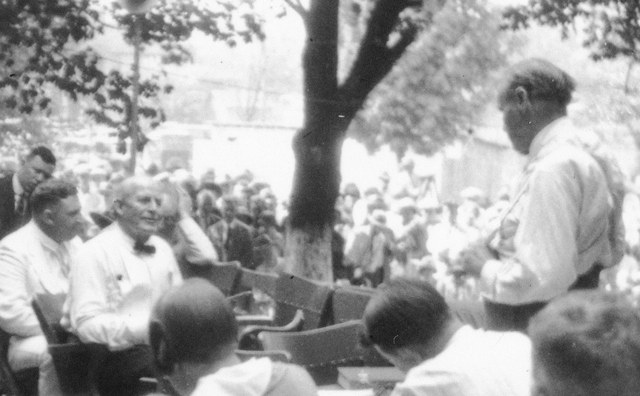
Scopes Monkey Trial

Scopes Monkey Trial
a rel="nofollow" Smithsonian Institution /a from United Stat · No restrictions

1925 evolution trial · July 1925 · Dayton, Tennessee

The Scopes Monkey Trial prosecuted high school teacher John Scopes for violating Tennessee's Butler Act by teaching evolution in public school.

The kit

  • Setup — The Scopes Monkey Trial was organized by George Rappleyea to boost Dayton's economy after Scopes admitted violating the Butler Act.
  • Legal battle — The Scopes Monkey Trial featured Clarence Darrow defending Scopes against prosecutor William Jennings Bryan in America's first live-broadcast court case.
  • Outcome — The Scopes Monkey Trial resulted in a $100 fine that was later overturned because Judge Raulston applied it rather than the jury.
  • Legacy — The Scopes Monkey Trial inspired the fictionalized play Inherit the Wind and gained fame through H.L. Mencken's satirical reporting for the Baltimore Sun.

Runs with

William Jennings Bryan
George
George Rappleyea organized the trial to boost Dayton's economy open card →
Tennessee
prosecuted under Tennessee's Butler Act restricting evolution teaching open card →
John
Judge John Raulston presided and moved proceedings to lawn open card →

The ladder · 15 clues

H

This event was organized by George Rappleyea after its defendant was accused of violating the Butler Act.

H

This legal case prosecuted a violation of the Butler Act, a Tennessee law that placed restrictions on public school curricula.

H

During this event, Dudley Field Malone claimed that there is no such thing as “a duel with the truth.” The veracity of the Book of Genesis was questioned in this event, which responded to a violation of the Butler Act.

H

This event was organized by George Rappleyea who believed, regardless of the outcome, it would boost the Dayton economy.

H

Bryan was the prosecutor in this “trial of the century”, where the defendant was accused of unlawfully teaching evolution.

H

Jo Viens and Joe Mendi performed slapstick comedy outside of this event, which was moved to a lawn after John Raulston feared a floor collapse.

H

One argument during this event concerned whether the length of a word on a ten-foot-long sign measured one and a half feet long or merely one foot long.

M

William Jennings Bryan finished arguing this case just before his death on July 25th, 1925. name this trial in which a high school teacher was accused of violating the Butler Act by teaching evolution.

M

It pitted William Jennings Bryan against Clarence Darrow, who was defending a teacher from Dayton, Tennessee. name this 1925 trial that debated the lawfulness of teaching evolution.

M

Bryan served as prosecutor in this 1925 case, fictionalized in Inherit the Wind, that saw the namesake teacher fined $100 for teaching evolution in Tennessee.

M

During this trial, Dudley Field Malone declared that there is never a duel with the truth.

M

The defense in this trial was partially funded by H. L. Mencken who coined its most famous name.

E

William Jennings Bryan and Clarence Darrow argued over whether or not a Tennessee teacher was guilty of misconduct in this trial dealing with the teaching of evolution.

E

This case was covered by the Baltimore Sun by H.L. Mencken, who left before its prosecutor was questioned about his belief in the Bible. name this 1925 court case in which Clarence Darrow sparred with William Jennings Bryan over evolution

E

This case was triggered as a result of an intentional violation of the Butler Act, with Clarence Darrow facing off against William Jennings Bryan.

10 more clues from the record
H

To cover this proceeding, WGN Radio spent over a thousand dollars a day on telephone lines in the first-ever live court broadcast.

H

The play Inherit the Wind is a highly-fictionalized account of this case and premiered during the Second Red Scare, and H. L. Mencken gained fame for his satirical reporting on this case.

H

In the prelude to this event, George Rappleyea attempted to hire H.G. Wells, but Wells refused as he had no legal training.

H

Judge John Raulston denied a motion to prevent Lemuel Cartwright from opening this case with a prayer.

H

The punishment in this case was overturned by Grafton Green because it was applied by a judge, rather than a jury.

H

Trial where he claimed Darwinism was a hypothesis while arguing against Clarence Darrow.

H

The central figure of this event had planned to work as a Ford salesman during the time of this event, and told reporter William Hutchinson that "I was doing something else" the day he was alleged to have violated the Butler Act.

H

Charles Hubbard Judd, Kirtley Mather, and Winterton Curtis were among the experts who submitted written briefs for this case, though only Maynard Metcalf was able to make his case orally.

H

This event began after a reported violation of the Butler Act. :Name this event where one man was embarrassed after being asked where Cain got his wife. It was reported on by H.L. Mencken, who mocked “backward” people.

H

Frequent picketing outside the court building was led by Thomas Theodore Martin during arguments for this case, whose lead counselors were Thomas Stewart and Arthur Garfield Hays.

Watch out: Inherit the Wind—the play is highly fictionalized and premiered during the Second Red Scare, not a documentary account
#1791 · General · Level 1

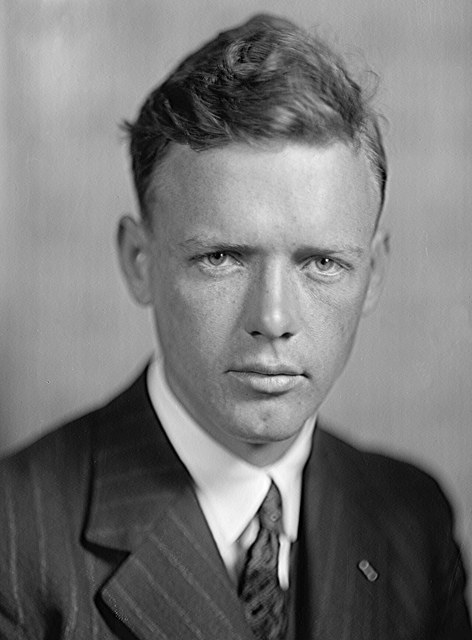
Charles Lindbergh

Charles Lindbergh
Harris & Ewing · Public domain

American aviator · 1902–1974 · United States

Charles Lindbergh won the Orteig Prize in 1927 for the first solo nonstop transatlantic flight aboard the Spirit of St. Louis.

The kit

  • Rise — Charles Lindbergh became the first Time Man of the Year after flying from New York to Le Bourget, Paris, earning the Orteig Prize.
  • Achievements — Charles Lindbergh co-invented the perfusion pump with Alexis Carrel and co-authored "The Culture of Organs" on creating an artificial heart.
  • Conflicts — Charles Lindbergh served as spokesman for the America First Committee, opposing U.S. entry into World War II and accepting the Order of the German Eagle.
  • Legacy — Charles Lindbergh's twenty-month-old son was kidnapped and killed by Bruno Richard Hauptmann in a highly publicized 1932 case.

Runs with

America
led America First Committee opposing U.S. entry into World War II open card →
St. Louis
piloted the Spirit of St. Louis on transatlantic flight open card →
Paris
landed at Le Bourget airfield in Paris open card →
Richard
son murdered by Bruno Richard Hauptmann in 1932 open card →

The ladder · 15 clues

H

Along with Alexis Carrel, this man invented a device that could be used to preserve organs outside of the body called the perfusion pump.

H

In the Phillip Roth novel The Plot Against America, this man defeats FDR in the 1940 presidential election and allies the U.S. with Nazi Germany.

H

With Alexis Carrel, this man authored “The Culture of Organs,” outlining the creation of an artificial heart.

H

This man became the first ever Time Man of the Year after successfully completing a trip to Le Bourget that earned him the Orteig prize.

H

This celebrity served as the public face of the America First Committee, which pressured the government of Franklin D. Roosevelt to remain neutral during the Second World War.

H

This man, who made a famous nonstop solo flight across the Atlantic Ocean, was a supporter of America First and was also accused of being an anti-Semitic Nazi supporter.

H

Secretary of War Henry Stimson claimed that this spokesman for the America First Committee spoke like Joseph Goebbels [[GUHR-bulls]].

M

The Orteig Prize was won by, what pilot of the Spirit of St. Louis, an aviator who made the first nonstop solo flight across the Atlantic?

M

Bruno Richard Hauptmann was executed for kidnapping and murdering this man's son.

M

A speech by this man, given on behalf of America First, claimed that the Roosevelt administration was a war agitator.

M

His expedition to aid China after a flood is documented by the book North to the Orient.

M

This man was spokesperson of the America First Committee that attempted to halt the US’s entry into World War II.

E

This man first rose to fame for his feats on The Spirit of St. Louis. name this man who completed the first solo transatlantic flight.

E

American aviator whom they outfitted for his flight on the Spirit of St. Louis.

E

In a highly publicized 1932 case, Richard Hauptmann kidnapped, ransomed, and killed this man's infant son. name this man who made the first solo, non- stop transatlantic flight aboard the Spirit of St. Louis.

10 more clues from the record
H

This man resigned his rank of colonel after he was compared to Clement Vallandigham for a speech in which he blamed the British, Jews, and the presidency for pushing towards war.

H

This man once received a note with two blue circles surrounding a red circle after Bruno Hauptmann targeted his family.

H

This man’s autobiography, titled We, did not refer to the Ryan aircraft on the cover, but actually to his financial backers.

H

This man, at a dinner hosted by Hugh Wilson, controversially accepted the Order of the German Eagle from Hermann Goring.

H

This person was the first Time Man of the Year and supported the America First Committee after resigning from the Army Air Force.

H

This man won a prize from Raymond Orteig and used his fame to promote airmail.

H

This man accomplished an action that Noel Davis and Stanton Wooster died trying to do.

H

This man’s exile to Europe was reported by Lauren Lyman.

H

A piece of wood left over from the construction of a ladder used at the crime scene helped convict Bruno Hauptmann, who kidnapped and accidentally killed this man’s twenty-month-old son.

H

After noting the “organized vitality” of the German economy and population under Hitler’s leadership, this spokesman for American First testified before the House Foreign Affairs Committee against the Lend-Lease Act.

Watch out: Bruno Richard Hauptmann (the kidnapper and murderer of Lindbergh's son, not Lindbergh himself)
#1999 · US Civil Rights Figures and Events · Level 1

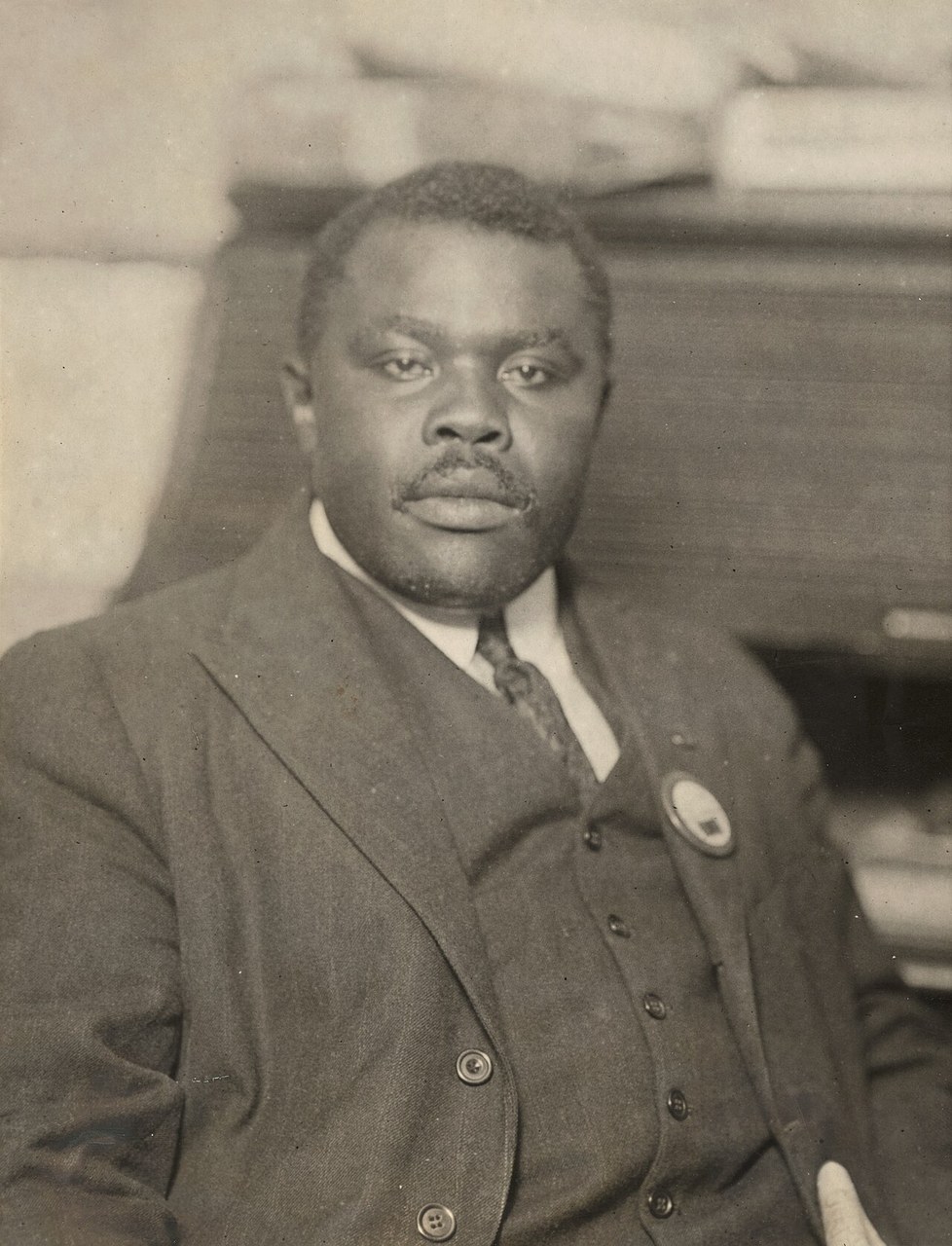
Marcus Garvey

Marcus Garvey
Keystone View Company, restored by Creator:Adam Cuerden · Public domain

Jamaican Black nationalist leader · 1887–1940 · Jamaica, Harlem

Marcus Garvey founded the Universal Negro Improvement Association in 1914 and championed the Back-to-Africa movement through his Black Star Line shipping company.

The kit

  • Rise — Marcus Garvey founded the Universal Negro Improvement Association in Jamaica in 1914 to build schools and promote Black self-sufficiency.
  • Achievements — Marcus Garvey established the Black Star Line shipping company to transport African goods and repatriate Black people to Africa, purchasing vessels like the SS Yarmouth.
  • Conflicts — Marcus Garvey was called the 'most dangerous enemy of the Negro race' by W.E.B. Du Bois due to his anti-integration stance and separatist ideology.
  • Death & succession — Marcus Garvey died in 1940 of a stroke supposedly triggered by reading his own unfavorable obituary and is worshiped as a prophet by Rastafarians.

Runs with

Africa
promoted repatriation to Africa via Black Star Line open card →
Jamaica
born in Jamaica, founded UNIA there in 1914 open card →
Newspaper
published Negro World newspaper starting 1914 open card →
Harlem
promoted Pan-Africanism on Harlem street corners open card →

The ladder · 15 clues

H

This Black activist made a pro-Jim Crow speech shortly after meeting with Imperial Wizard pro tempore Edward Young Clarke.

H

This man denounced “one of the bloodiest outrages against mankind” in his speech on the “Conspiracy of the East St. Louis Riots.” This man founded a company that purchased the SS Yarmouth; another of his ships, the SS Shadyside went on the “cruise to nowhere.” J. Edgar Hoover sought the deportation of this man, who co-founded a newspaper with Amy Ashwood named the Negro World, which advocated for his group, the UNIA. name this supporter of the “Back to Africa” movement from Jamaica.

H

This man was deported after he was accused of mail fraud during his purchase of the SS Yarmouth.

H

Two followers of this man, Fred Dryer and William Shakespeare, were convicted in the 1922 murder of Reverend James Eason, who this man had expelled from the UNIA.

H

This man led a parade of 50,000 through the streets of New York City after a 1920 international convention at Liberty Hall.

H

Beginning in 1914, this man publisihed the Negro World newspaper in the United States, which helped popularize the Harlem Renaissance.

H

This man, who was called the “most dangerous enemy of the Negro race” by W.E.B. Du Bois, is worshiped as a prophet of God by Rastafarians.

M

This man’s Black Star Line planned voyages to Liberia. name this Jamaican-American champion of the “Back to Africa” movement.

M

Madame C.J. Walker backed this man’s personal propaganda newspaper, the Negro World.

M

Chandler Owen led a movement against this man after he met with KKK Grand Wizard Edward Young Clarke in Atlanta.

M

Malcolm X’s family left Omaha due to threats against Earl and Louise’s work with the UNIA founded by this Jamaican-born activist, who chartered the Black Star Line and preached Pan-Africanism in Costa Rica and Harlem.

M

Jamaica has a long history of black political activity, in which perhaps no figure is more famous than this native son who founded the Negro World newspaper in the 1920s and promoted a “back to Africa” movement.

M

This figure often promoted his ideology on street corners in Harlem, and this figure often sparred with the NAACP due to his anti-integration stance. what Jamaican orator pushed for Black separatism with the Back-to Africa movement?

E

He founded the Black Star Line to promote his mission as the founder of the Universal Negro Improvement Association. name this Jamaican native who promoted the Back-to-Africa movement.

E

In 1914, this man founded the Universal Negro Improvement Association to build schools in Jamaica. This man incorporated the Black Star Line, a shipping company designed to ship African goods and to repatriate Black people to Africa. A key figure in the Back- to-Africa movement this Black nationalist leader from Jamaica.

10 more clues from the record
H

He founded the Universal Negro Improvement Association in in 1914, but it really took off after he moved to two years later. :Name this black nationalist leader, who argued in his Negro World newspaper that blacks should return to .

H

He was the most important proponent of the ‘back-to-Africa’ movement in the 1920’s and 1930’s. FTPE, identify:The name of the above-referenced founder of the UNIA-ACL and publisher of The Watchman and The Black Man Magazine.

H

This Jamaican advocate for Black nationalism died in 1940 of a stroke supposedly triggered by reading his own, unfavourable, obituary. He is regarded as a prophet in the Rastafari movement.

H

To infiltrate a group founded by this person, J. Edgar Hoover sent the first Black federal agent, James Wormley Jones.

H

This person aimed to support a self-sufficient economy by creating the Negro Factories Corporation.

H

This man likely inspired the character of Ras the Destroyer in Ralph Ellison's Invisible Man .

H

This founder of the Negro World was jailed in 1923 on charges of mail fraud.

H

This man published an editorial excoriating Edwin Killroe, for which he was charged with libel.

H

This leader founded an organization with the motto "One God!

H

This person was convicted in the Orion affair.

Watch out: W.E.B. Du Bois (NAACP leader who opposed Garvey's separatism)