World War II
global conflict · 1939–1945 · worldwide
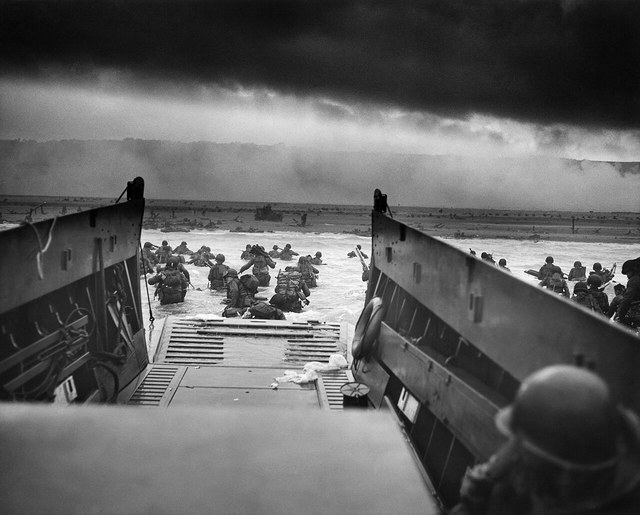
World War II was a global conflict during which the Lend-Lease Act supplied military aid and Canadian troops captured Juno Beach.
The kit
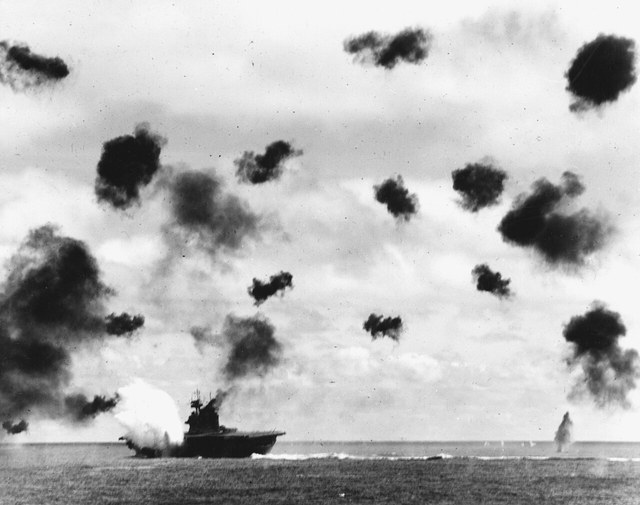
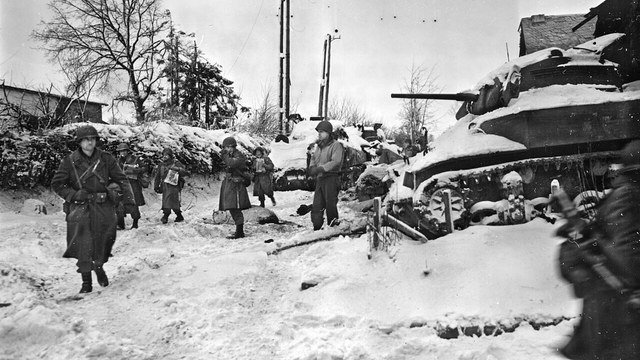
- Major battles — World War II included the Battle of El Alamein in Egypt, the Battle of the Bulge where MacAuliffe declared "Nuts!", and Monte Cassino.
- Pacific theater — World War II saw Joe Rosenthal photograph the flag-raising on Iwo Jima's Mt. Suribachi and Natives guide wounded down the Kokoda Trail.
- Home fronts — World War II prompted Canada's second Conscription Crisis over men refusing overseas service, called "Zombies," during Mackenzie King's third term.
- Cultural impact — World War II inspired Slaughterhouse Five about the Dresden bombing, From Here to Eternity ending with Pearl Harbor, and Penderecki's commemorative piece.
Runs with
American Railway Union
Strategic Hamlet Program
Pacific
The ladder · 15 clues
During this war, the Lend-Lease Act allowed the United States to provide military supplies to one side.
Men from one country who refused to fight overseas during this war were known as "Zombies," leading to the second Conscription Crisis.
A text written in a prison in Zakopane [zah-ko-pahn-eh] during this war was used for the second movement of Henryk Gorecki’s Symphony of Sorrowful Songs.
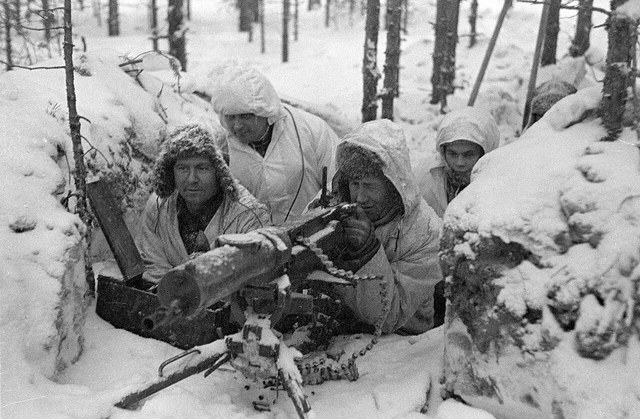
During this conflict, V.J. Oinonen captured a photo of his regiment hoisting the Finnish flag at the three nation cairn.
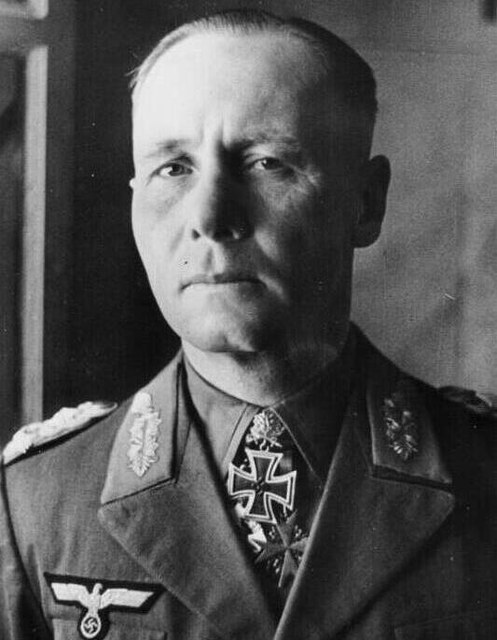
During this conflict, the "Desert Fox" Erwin Rommel lost the Battle of El Alamein in Egypt.
Natives who aided one side in this war were hailed as "Fuzzy Wuzzy Angels" for guiding wounded men down the Kokoda Trail.
An Akimel O’odham soldier in this conflict named Ira Hayes was sent to Vella Lavella and fought at a battle modeled on the Battle of Peleliu.
Mackenzie King’s third term as prime minister included the duration of this war. name this war during which Canadian troops captured Juno Beach on D-Day.
One book set during this war, Slaughterhouse Five, is named for a prison in Dresden whose bombing in this war is described.
War in which the Texas 36th Infantry fought in the battles of Salerno and Monte Cassino.
Was overwhelmed by the Blitzkrieg at the start of what war?
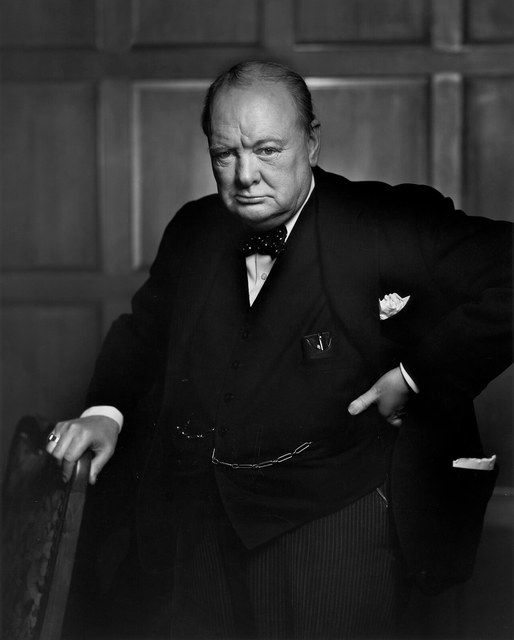
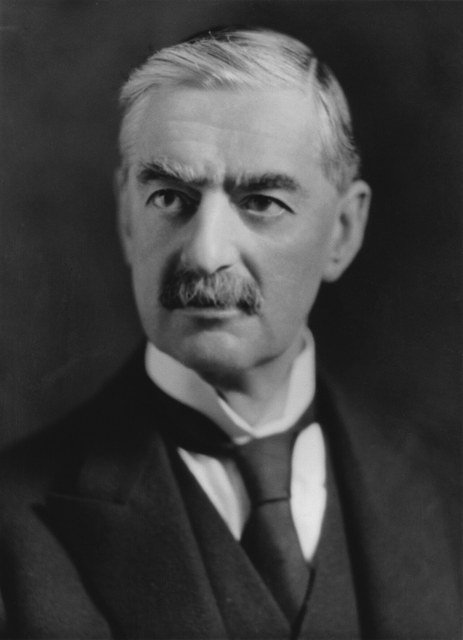
War in which he served as Prime Minister of the UK.
Photographer Joe Rosenthal depicted soldiers in this war raising a flag above Mt. Suribachi. name this war, the setting of the photo Raising the Flag on Iwo Jima.
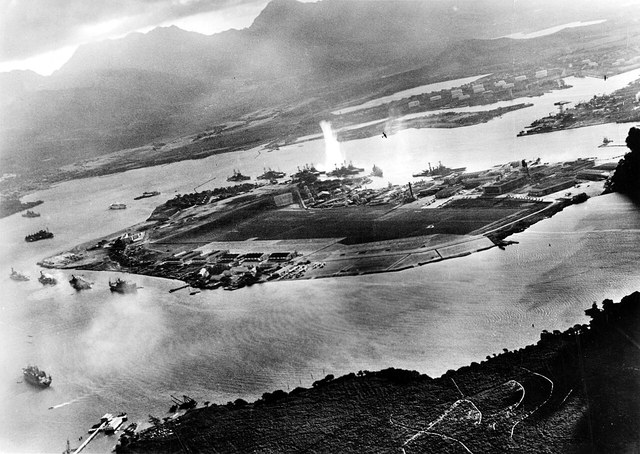
The novel From Here to Eternity ends with the start of this war, in which the Hawaii-based characters experience the attack on Pearl Harbor. name this 1940s war.
Yevgeny Khaldei took a photo during this conflict of Russian man hoisting a flag above a parliament building.
10 more clues from the record
General Anthony MacAuliffe famously declared "Nuts!" after being demanded to surrender at the Battle of the Bulge in this war.
A memoir about an Indigenous group stationed at Camp Elliott during this war was written by Chester Nez.
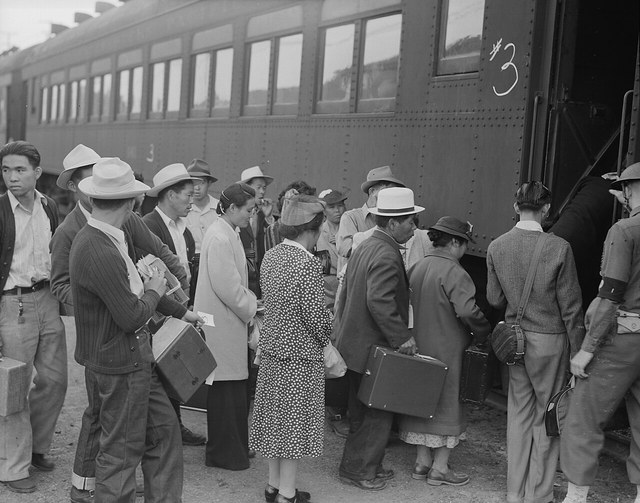
Apaches unloaded beds during this conflict at sites including Poston and Gila River.
During this war, a piece scored for violin, cello, piano and clarinet was premiered in a POW camp; that piece was Olivier Messiaen's [mess-ay-en's] Quartet for the End of Time. Twelve-tone composer Anton von Webern was accidentally killed during this conflict while breaking curfew.
A piece inspired by this war begins with a tone cluster for fifty-two strings and was originally called 8 Minutes, 37 Seconds by Krzysztof Penderecki [krish-toff pen-der-etz-kee].
One book set during this war is about a soldier named Billy Pilgrim who is “unstuck in time,” allowing him to have flashbacks to his past experiences.
Following this war, Krzysztof Penderecki [[kuh-SHEE-shtoff pen-deh-RETS-kyee]] wrote a piece to commemorate the destruction of one city during it.
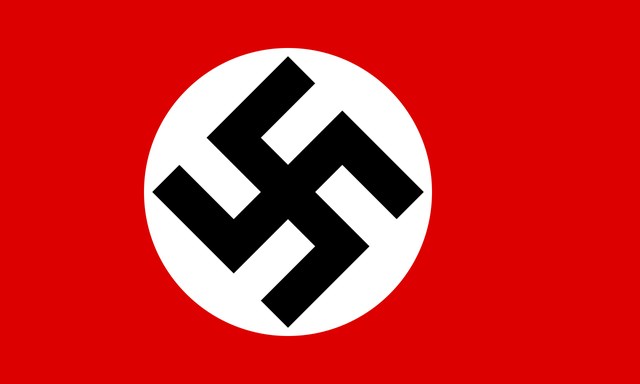
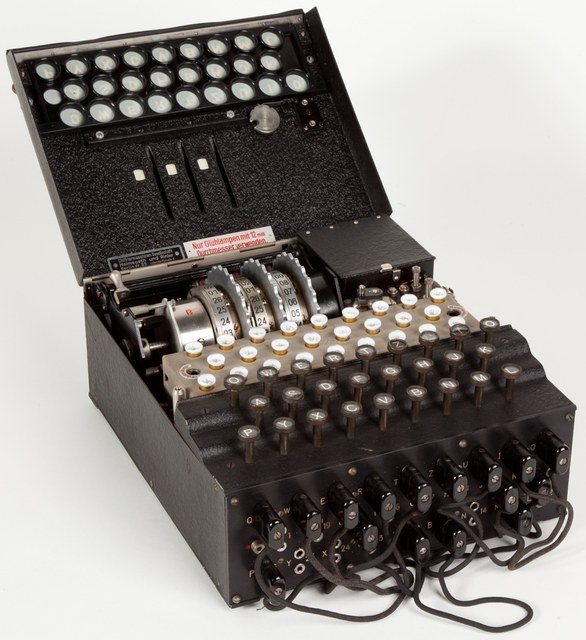
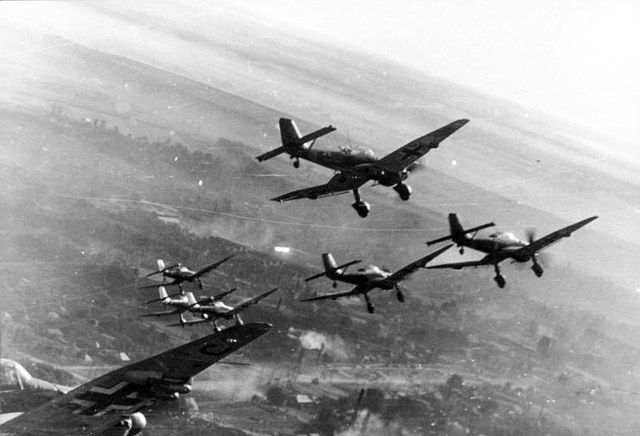
One military in this war had two rival commands called the OKW and OKH, and an intelligence service called the Abwehr.
The legitimacy of Robert Capa’s story regarding his "Magnificent Eleven" photographs of this war has been questioned by historians.
During this conflict, the French navy was destroyed at the Battle of Mers el-Kebir to prevent it from falling into enemy hands.