Herbert Hoover
31st U.S. President · 1929–1933 · United States
Herbert Hoover led the U.S. Food Administration during World War One and served as president during the onset of the Great Depression.
The kit
- Rise — Herbert Hoover created 'meatless Monday' and 'wheatless Wednesdays' while heading the U.S. Food Administration during World War One.
- Achievements — Herbert Hoover was appointed by Calvin Coolidge to oversee relief efforts after the Great Mississippi Flood of 1927.
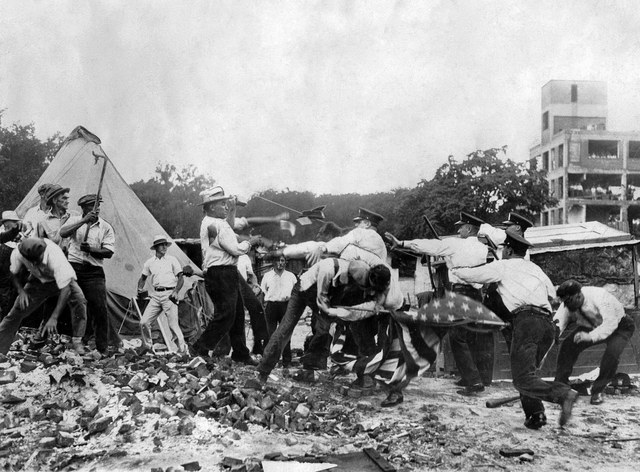
- Conflicts — Herbert Hoover ordered Douglas MacArthur to confront the protesting Bonus Army at Anacostia Flats, hindering his reelection chances.
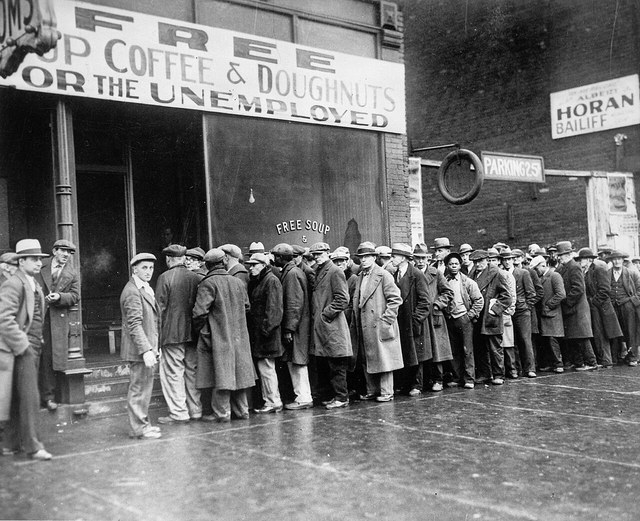
- Legacy — Herbert Hoover's name became attached to shantytowns called 'Hoovervilles' after the stock market crashed on Black Thursday in 1929.
Runs with
Great Depression
Bonus Army
Douglas MacArthur
the Presidency
The ladder · 15 clues
This man created “meatless Monday” and “wheatless Wednesdays” while head of the US Food Administration during World War One.
This politician oversaw the response to the Great Mississippi Flood, although that effort did not fall under his role as Secretary of Commerce.
This president’s government passed a law outlawing yellow-dog contracts co-sponsored by George Norris and Fiorello LaGuardia.
This man's secretary of state, Henry Stimson, stated the United States would not recognize territorial gains made through force.
This politician issued a namesake Moratorium in an attempt to give Germany more time to catch up on reparation payments.
A game named for this man was often played by him and the “Medicine Ball Cabinet” on the White House Lawn.
Argentine anarchist Severino Di Giovanni attempted to assassinate this man by blowing up his train.
This politician was later appointed to lead the U.S. Food Administration and ordered Douglas MacArthur to confront the Bonus Army, hindering his chances of reelection.
The Smoot-‐Hawley Tariff was signed by this man, who promised “a chicken in every pot” during his presidential campaign.
This man won election to his highest office by promising a “chicken in every pot and a car in every garage” in a race against Al Smith. name this president during the Great Depression
This man was appointed by Calvin Coolidge to oversee relief efforts after the Great Mississippi Flood of 1927.
Douglas MacArthur was dispatched to the Anacostia Flats to disperse the protesting Bonus Army by this politician.
Shantytowns became known as this president’s “villes” after an economic downturn. name this president who faced the beginning of the Great Depression.
The Smoot-Hawley Tariff was signed by this President, whose term in office saw the start of the Great Depression, leading to his electoral defeat in 1932.
During this man’s administration, the stock market crashed as part of Black Thursday. name this Republican President who oversaw the start of the Great Depression before being succeeded by Franklin Roosevelt.
10 more clues from the record
Douglas MacArthur ignored this president's order to halt the tear-gassing and eviction of the Bonus Army camp under the guise that the veterans planned to overthrow the government. Shantytowns during the early Great Depression were named for this president.
As the leader of one governmental agency, this man claimed “whatever their politics, they shall be fed!” and refused to deny relief for the Soviet Union.
This man was appointed by Harry Truman to chair a commission eliminating federal inefficiencies.
Future US President trapped in China during the rebellion while working as a mining engineer.
This politician struck a deal with Robert Moton to gain African-American support after gaining popularity from his plan for flood relief in Mississippi.
Though the Clark Memorandum was written during his predecessor's administration, this man attempted to implement it by withdrawing troops from Nicaragua and Haiti.
This man vetoed George Norris’s Muscle Shoals Bill, though it later became part of the Tennessee Valley Authority.
This man and his wife would frequently converse in Mandarin to foil eavesdroppers, and this former engineer authored a widely read textbook on the Principles of Mining.
This US president was scolded by Southern politicians in 1929 after Oscar De Priest's wife, Jessie, was invited to the White House for tea with his First Lady, Lou.
This President signed an Agricultural Marketing Act that created a Federal Farm Board, a plan opposed to the controversial-yet-popular McNary-Haugen plan.