Florence
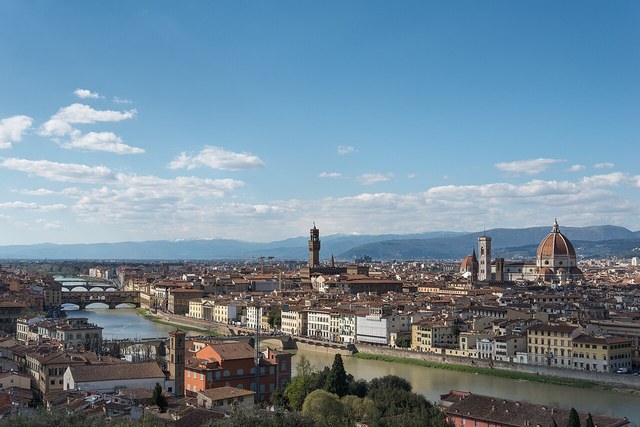
Italian city-state · medieval–Renaissance era · Tuscany, on Arno River
Florence was a Tuscan city-state dominated by the Medici family and site of the Pazzi Conspiracy and Ciompi Revolt.
The kit
- Rise — Florence passed the Ordinances of Justice banning ancient nobility from politics and became dominated by merchant families.
- Conflicts — Florence lost the Battle of Montaperti to Siena after betrayal by Bocca degli Abati during Guelph-Ghibelline wars.
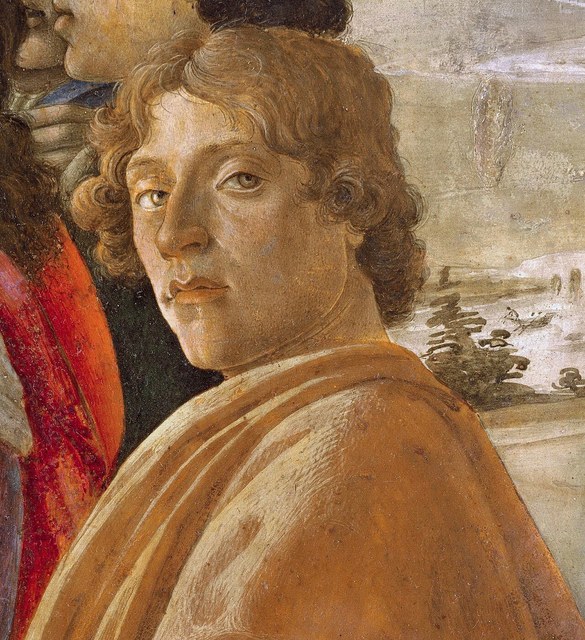
- Medici rule — Florence was ruled by the Medici family including Lorenzo the Magnificent, who patronized Botticelli and commissioned the Uffizi.
- Religious upheaval — Florence saw Girolamo Savonarola's Bonfire of the Vanities burning art after Charles VIII's invasion seemed to fulfill prophecies.
Runs with
Medici Family
San Lorenzo
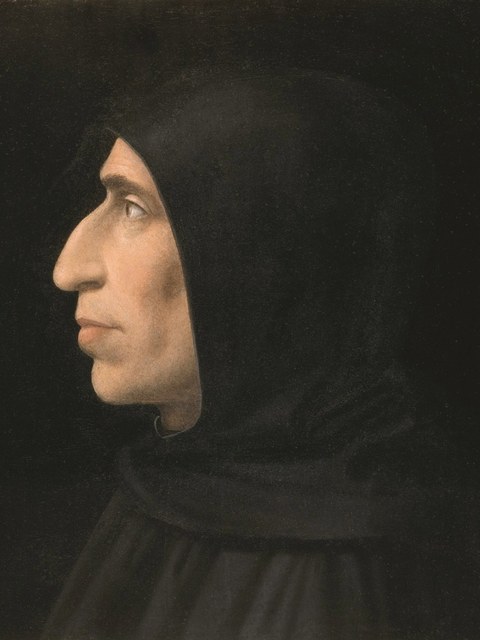
Girolamo Savonarola
The ladder · 15 clues
The Albizzi family came to power in this city after Michele di Lando led a rebellion of wool carders, the Revolt of the Ciompi [“Chee-om-pi”].
This city was ruled by the Albizzi family following a 1378 revolt by carders of wool. name this Tuscan city home to Savonarola and the Medici.
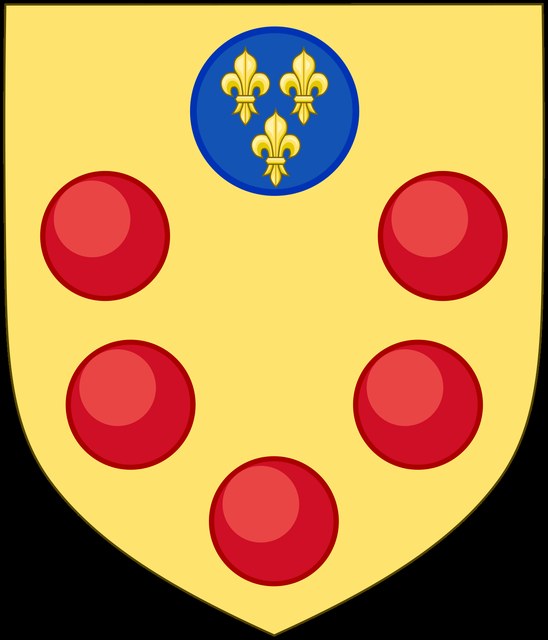
The Medici family dominated 15th century politics in this Italian city-state.
Supporters of the Pope plotted the Pazzi Conspiracy to overthrow this city’s ruling family.
It was betrayed by Bocca degli Abati in a battle against its archrival Siena, leading to its defeat at Montaperti.
As papal vicar, Angevin royal Robert the Wise intervened in a war in this city between Guelphs and Ghibellines.
In the Battle of Montaperti, Siena’s Ghibellines defeated this city’s Guelphs.
Girolamo Savonarola ruled briefly in this Tuscan city-state that was ruled by the Medici.
Michele [mik-ay-lay] di Lando was the first leader of a group of angry wool workers in this city during the Revolt of the Ciompi.
That event in this city was the Pazzi Conspiracy.
Later, this city fought the War of the Eight Saints against Pope Gregory XI, leading to the end of the Avignon Papacy.
Another museum in this city holds La Primavera and The Birth of Venus by Sandro Botticelli, who primarily worked in this city.
Sandro Botticelli was patronized by a leader of this city known as Lorenzo the Magnificent. name this Italian city ruled by the Medici family.
In this city, a campaign to burn art in what was known as the Bonfire of the Vanities was overseen by the Dominican friar Girolamo Savonarola.
A family of art patrons in this city included Lorenzo the Magnificent and Cosimo I, who commissioned this city’s Uffizi Gallery. name this Italian city once controlled by the Medici family.
10 more clues from the record
This city lost one battle after the Count d’Arras led a charge of knights crying “Saint George” and a traitor chopped off the hand of its standard-bearer.
A coin struck in this city with a fleur de lis on one side and John the Baptist on the other became the most popular coin for transactions in Europe in the 14th century.
A popular republic was declared in this city after an invasion by Charles VIII of France seemed to fulfill earlier prophecies.
Giuliano, a member of this city’s ruling family, died as part of an assassination attempt by the Pazzi family.
This city was the site of the Pazzi conspiracy, and much of its art and literature was destroyed in the Bonfire of the Vanities, ordered by the monk Savonarola.
A powerful family that ruled this city included men like Lorezno the Magnificent. :Name this Italian city once ruled by the Medici family. This city is the most populous one in Tuscany.
The Signoria was the legislative body of this city-state, the site of the Ciompi Revolt and the Pazzi Conspiracy.
Michele di Lando led an uprising of wool workers in this city in the 14th century known as the Ciompi . :Name this city on the Arno River that is home to the Uffizi Gallery.
This city passed a law called the “Ordinances of Justice” which largely banned its ancient nobility from political participation.
Paolo Uccello painted the defeat of a Sienese force by this city in The Battle of San Romano. Bandinelli depicted Neptune overlooking his oceanic domain in a fountain outside this city’s Palazzo Vecchio [[pah-LAH-tsoh VECK-yoh]].