Babylon
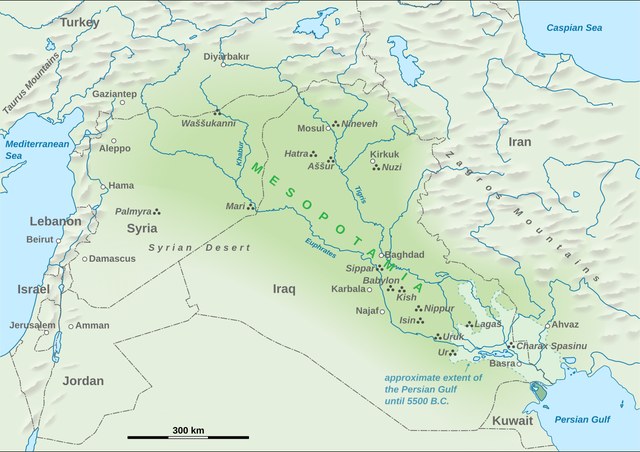
Mesopotamian city-state · c. 1894 BC–539 BC · southern Mesopotamia (modern Iraq)
Babylon was a Mesopotamian city-state that served as capital of multiple empires and housed the Hanging Gardens and Ishtar Gate.
The kit
- Rise — Babylon began as a small Akkadian settlement and grew under the Amorite dynasty in the 18th century BC.
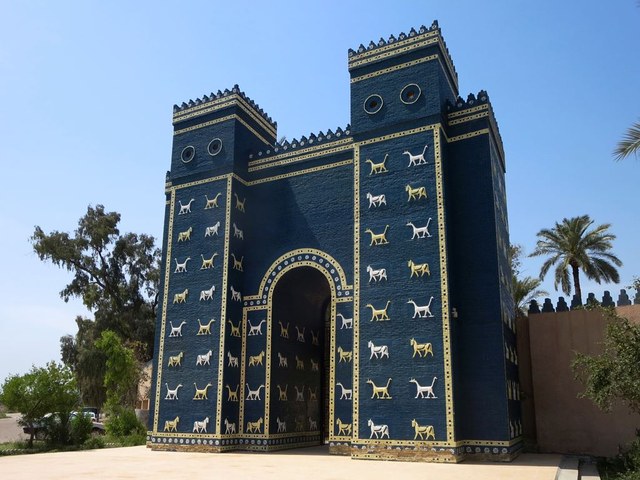
- Achievements — Babylon was home to the Ishtar Gate, the ziggurat Etemenanki dedicated to Marduk, and the Hanging Gardens built for Queen Amytis.
- Conflicts — Babylon was sacked by Mursili I, leading to Kassite control, then destroyed by Sennacherib before Esarhaddon rebuilt it.
- Legacy — Babylon was where Alexander the Great died in 323 BC, centuries after serving as capital of empires under Hammurabi and Nabopolassar.
Runs with
Hammurabi
Cyrus the Great
Nebuchadnezzar II
The ladder · 15 clues
Etemenanki was a ziggurat constructed in this city that was home to the arched blue Ishtar Gate.
A set of remains decorated with aurochs and blue bricks that was relocated from this city was reconstructed in the Pergamon Museum in Berlin.
This city was conquered by the Persians after Nabonidus lost the Battle of Opis.
Esarhaddon rebuilt this city after the assassination of his father who supposedly had it sacked and razed, Sennacherib.
A now-ruined building in this city named Etemenanki may have been destroyed by Sennacherib.
Robert Koldewey excavated a structure in this city that contained reliefs of lions, aurochs, and dragon-like mušḫuššu.
This city began as a small Akkadian settlement and grew under the Amorite dynasty in the 18th century BC.
A ruler of this city, who won the Battle of Carchemish, destroyed the First Temple during a siege of Jerusalem that marked the beginning of a “Captivity” named for this city.
An ancient wonder in this city was dedicated to Queen Amytis.
In 323 BC, this city was where Alexander the Great met his death.
The Ishtar Gate was commissioned by this city’s king Nebuchadnezzar II, who deported Jews in this city’s namesake Captivity.
A 7th and 6th century BC empire based in this city grew under Nabopolassar and ended when Nabondius was defeated by Cyrus the Great.
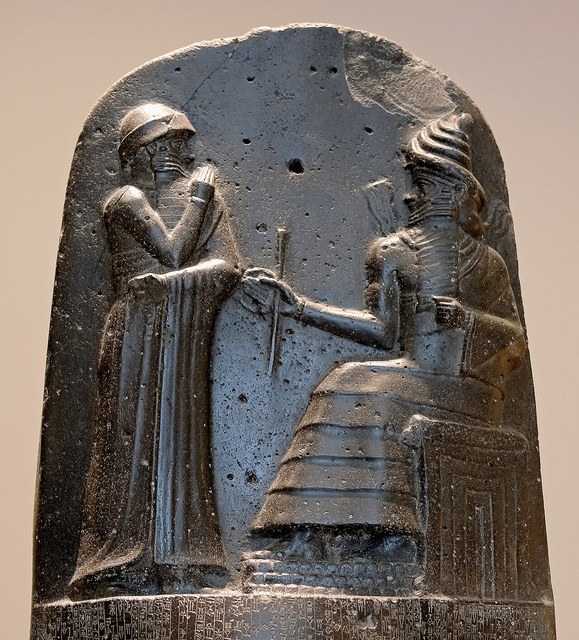
Home to the Hanging Gardens, name this Mesopotamian city-state whose most famous ruler promulgated the Code of Hammurabi.
A famous law code was written by this city’s ruler Hammurabi. name this ancient Mesopotamian city that shares its name with an empire.
Nebuchadnezzar II ruled from this Iraqi city that legendarily housed the Hanging Gardens.
10 more clues from the record
Etemenanki was a terraced temple in this city that was dedicated to the god Marduk.
Over a millennium after this city was founded, it was chosen by Nabopolassar as the capital of a new empire.
One construction in this city was covered with lapis lazuli and adorned with aurochs and dragons, symbolizing Adad and Marduk.
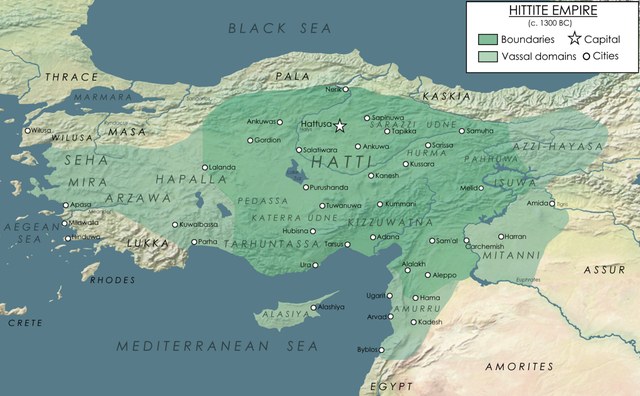
This city’s sack by Mursili I led to the Kassite dynasty taking control over this city.
The eastern “wing” of the Fertile Crescent is this part of Mesopotamia south of Assyria. It’s the namesake of two major Mesopotamian Empires, one of which was home to some Hanging Gardens in its capital.
A structure once found on this city’s Processional Way contains reliefs of aurochs, bulls, and dragons called mushussu.
It was also conquered by Sennacherib but reunified under Nabopolassar and banded together with the Medes to destroy the Assyrian empire.
The hypothesized First Sealand dynasty broke away from an empire ruled from this city after it was sacked by Muršili I .
A massive temple in this city called the Etemenanki reached its greatest splendor when this city was ruled by the Chaldaeans.
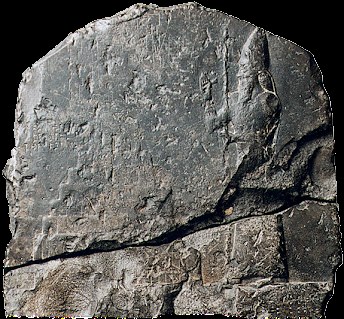
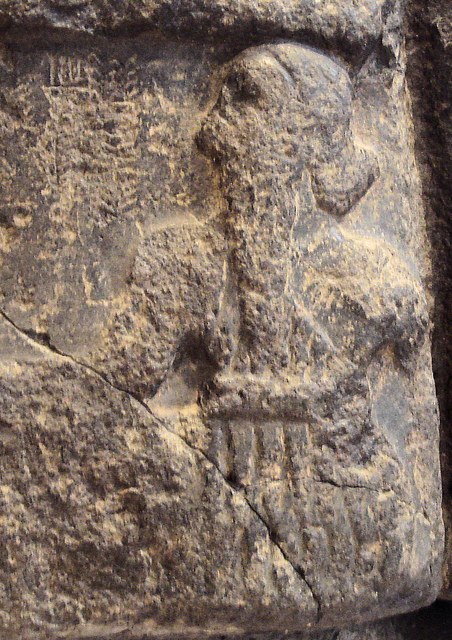
A basalt stele from this city depicts a ruler receiving divine inspiration from the sun god, Shamash.