The 1648 Codex · study package

Modern Countries — Africa

25 terms drawn from across the corpus, in study-list order. Art and cross-links point back to the home category cards.

#43 · Modern Countries · Level 1

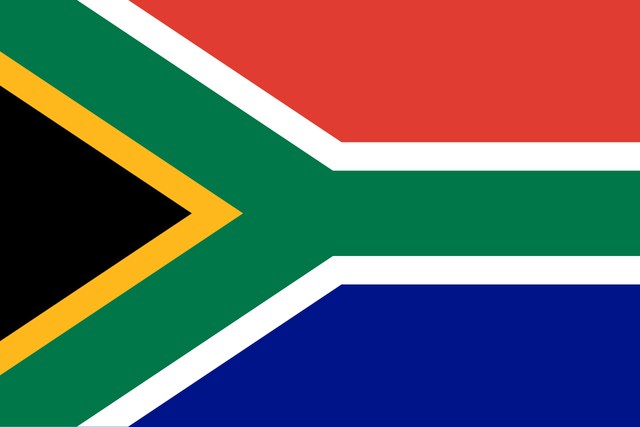
Egypt

Egypt
See i b File history /b /i below for details. · Public domain

North African country · ancient to present · Nile River valley, North Africa

Egypt is a North African country centered on the Nile River, site of ancient civilization and modern Arab republic.

The kit

  • Ancient & colonial — Egypt was known as a khedivate after Muhammad Ali took control and later saw the Urabi Revolt against European interests.
  • Mid-20th century — Egypt's Free Officers Movement overthrew King Farouk in 1952, bringing Gamal Abdel Nasser to power in Cairo.
  • Conflicts — Egypt fought the Yom Kippur War to regain Sinai and later signed the Camp David Accords under Anwar Sadat.
  • 21st century — Egypt experienced Tahrir Square protests in 2011 that ousted Hosni Mubarak, followed by a 2013 coup against Mohamed Morsi.

Runs with

Nanda EmpireBakumatsu Period
Cairo
Cairo is Egypt's capital, site of Free Officers rule and Tahrir Square protests open card →
Mamluks

The ladder · 15 clues

H

The murder of domesticated pigeons in this country by British officers caused the Denshawai incident.

H

The Urabi Revolt was an attempt to liberate this country from European interests.

H

This country was known as a khedivate after it was taken over by an Albanian ruler named Muhammad Ali.

H

One archaeological site in this country was known as KV62, and that site was contained within this country's Valley of the Kings.

H

A ruler of this modern-day country won the Battle of Raphia against Antiochus III.

H

An object from this country is the subject of the Lettre à Monsieur Dacier.

H

Country where he established the most famous city named Alexandria.

M

In this country, Farouk I was overthrown by the Free Officers Movement led by Muhammad Naguib.

M

A leader of this country shared the 1978 Nobel Peace Price with Menachem Begin for agreeing to the Camp David Accords.

M

Sadat was the head of this country which fought the Yom Kippur War to regain the Sinai Peninsula from Israel.

M

Nasser led this country after overthrowing King Farouk. Nasser also nationalized the Suez Canal Company in this country.

M

Alexander founded and names numerous cities in his conquered lands, including Alexandria on the Nile River delta in what is now this country.

E

The Free Officers Movement triggered a republican revolution in this north African country where Gamal Abdel Nasser ruled from Cairo.

E

Protests in this country's Tahrir Square in 2011 led to the ousting of long-time president Hosni Mubarak.

E

Country that underwent the overthrows of Hosni Mubarak and Mohamed Morsi.

10 more clues from the record
H

The exile of Saad Zaghlul and his Wafd Party associates to Malta sparked this country’s 1919 revolution.

H

British forces captured Mahmoud Fehmy in this country and attacked their opponents at Kassassin.

H

One opera set in this country includes an offstage chorus singing Psalm 104 and is the final entry in the "Portrait Trilogy." Another opera set in this country was commissioned by Ismail Pasha to celebrate the opening of the Khedival Opera House and features the title princess singing "O patria mia." This country is the setting of a Philip Glass opera about a pioneering monotheistic ruler and a Verdi opera in which the title princess is buried alive with Radames. Name this ancient civilization, the setting of Aida and Akhnaten.

H

Had a 2013 coup d’etat remove Mohamed Morsi from power in Cairo?

H

Modern African country where civilization developed around the Nile River.

H

Sisi led a coup against Mohamed Morsi in this North African country.

H

One campaign in this country was accompanied by scientists called the 150 “savants”.

H

Home country of Nobel laureate Mohamed ElBaradei, who briefly became Vice President after a coup against Mohamed Morsi.

H

Elongated figures were emphasized in the Amarna period of this country’s art.

H

The United Kingdom and France invaded this country in Operation Musketeer after signing the secret Sevres Protocol.
Watch out: Students may confuse Egypt's multiple modern leaders: Nasser, Sadat, Mubarak, Morsi, and Sisi
#52 · Modern Countries · Level 1

South Africa

South Africa
Flag design by Frederick Brownell /a , image by Wikimedia Co · Public domain

African nation · independence 1931; apartheid 1948–1994 · southern tip of Africa

South Africa is an African nation with three capitals that practiced apartheid until electing Nelson Mandela president in 1994.

The kit

  • Colonization & conflicts — South Africa saw the British drive out Dutch settlers in two Boer Wars, the second ending with the Treaty of Vereeniging.
  • Apartheid system — South Africa's Afrikaans-speaking white minority created apartheid, formalized by Daniel Malan in 1948 and enforced through pass laws.
  • Resistance & activism — South Africa imprisoned Nelson Mandela for 20 years at Robben Island before electing him president after apartheid ended.
  • International pressure — South Africa's Springboks rugby team toured New Zealand and the U.S. in 1981 despite the Gleneagles Agreement condemning the country.

Runs with

Apartheid
policy created by South Africa's white minority, formalized 1948 open card →
Nelson Mandela
imprisoned 20 years, elected South Africa's president 1994 open card →
Zulu Kingdom
South Africa suppressed Zulu anti-British rebellion in 1906 open card →
Second Boer War
fought in South Africa, ended with Treaty of Vereeniging open card →

The ladder · 15 clues

H

The Vela Incident occurred southeast of this country and may have been caused by one of its scientific programs.

H

This nation benefitted from the U.S. policy of "constructive engagement" as it was led by a politician called the "Big Crocodile".

H

Mahatma Gandhi began his career as an activist in this country, fighting for the civil rights of Indian immigrants.

H

The Cape of Good Hope lies at the tip of this African nation whose capitals include Bloemfontein, Pretoria, and Cape Town.

H

The Second Boer war was largely fought in this modern-day country, where the Afrikaans-speaking Boers mainly settled from the Netherlands.

H

Lesotho is completely surrounded by this country, which was governed by an "apartheid" regime before it elected Nelson Mandela president in 1994.

H

The Boer Wars took place in what would become this country, which imprisoned Nelson Mandela for 20 years at Robben Island, and later elected him president.

M

The British drove Dutch settlers out of this country over the course of two Boer Wars.

M

Riots against the pass laws led to this Sharpeville Massacre in this nation, where Desmond Tutu led the Truth and Reconciliation Commission.

M

The song “Sun City” protested this country, where Paul Simon broke a cultural boycott to record Graceland in its townships.

M

Many Indian laborers came on 25-­‐year fixed contracts to this country’s city of Durban.

M

This country suppressed a 1906 anti-British rebellion by the Zulu people. name this country that fully gained its independence from Britain in 1931 and splits its government between three capitals, including Cape Town.

E

An Afrikaans-speaking white minority created the policy of apartheid that Nelson Mandela opposed in this country on the tip of Africa.

E

Nelson Mandela fought racial oppression in this country that practiced Apartheid.

E

A writer from this nation told of the struggles of pastor Stephan Kumalo and of black-white relations in Cry, the Beloved Country. name this home nation of anti-Apartheid activist Alan Paton.

10 more clues from the record
H

Despite the Gleneagles Agreement condemning this country, their Springboks rugby team were allowed to tour New Zealand and the United States in 1981.

H

One war in this country ended with the signing of the Treaty of Vereeniging [[veh- REEN-uh-ying]], which gave the British control of the Transvaal and Orange Free State.

H

Under the Natives Resettlement Act of 1954, this country’s government forced evictions in suburbs like Sophiatown.

H

Country where Daniel Malan formalized apartheid in 1948?

H

During this country’s Border War, this country’s forces fought against SWAPO.

H

The Treaty of Vereeniging ended the Second Boer War, which took place in this modern-day country. Its more recent leaders include Jacob Zuma, Thabo Mbeki, and Nelson Mandela.

H

Wars around the Tugela River in this modern-day country became known as the Mfecane .

H

The states of Natal, Cape Colony, the Orange Free State, and Transvaal were united by the British to form this modern commonwealth.

H

Hendrik Verwoerd engineered a series of oppressive laws in this country.

H

An early prime minister of this country was Jan [yahn] Smuts, who served as a military commander in this country’s war against Great Britain under the leadership of Paul Kruger.

Watch out: Lesotho is completely surrounded by South Africa, not part of it
#55 · Modern Countries · Level 1

Ethiopia

Ethiopia
Drawn by User:SKopp · Public domain

East African country · ancient to present · Horn of Africa

Ethiopia is an East African country with capital Addis Ababa, ruled by the Solomonic Dynasty into the 20th century.

The kit

  • Churches — Ethiopia is home to churches carved into rock near Lalibela in the 1100s.
  • Solomonic Dynasty — Ethiopia was ruled by the Solomonic Dynasty from Gondar, whose members included Tewodros II and Haile Selassie.
  • Italian invasion — Ethiopia defeated Italian invaders at the Battle of Adowa under Emperor Menelik II.
  • Communist era — Ethiopia was controlled by the communist Derg regime led by Mengistu Haile Mariam until a 1991 civil war.

Runs with

Italy
invaded Ethiopia but lost at Adowa open card →
Menelik II
defeated Italy at Adowa as emperor open card →
Eritrea
Aksumite Empire
preceded Zagwe and Solomonic dynasties open card →

The ladder · 15 clues

H

In this country, churches were built into the rock near Lalibela in the 1100s.

H

The easternmost portion of this country was invaded in the 1977 Ogaden War.

H

According to legend, many churches in this modern-day country were burned down during a revolt by a Jewish princess named Judith.

H

One ruler of this modern day country married Taytu Betul after succeeding Yohannes IV.

H

When one of its rulers took hostages, Robert Napier led an expedition that won the battle of Magdala, during which that ruler killed himself.

H

One ruler of this modern-day country imported electric chairs; upon learning that this country had no electricity, he used one as his throne.

H

A ruler of this country fulfilled a prophecy saying he would be king by eating the head of a rooster; that man, Yekuno Amlak, restored a ruling family whose last ruler was Dil Na’od.

M

This country is home to churches cut into the rock near the town of Lalibela.

M

Hamid Idris Awate led a struggle for independence against this country, where Mengistu Haile Mariam led the communist Derg military junta.

M

This country, which was once controlled by the communist Derg regime, fought a 17-year civil war that ended in 1991 with it losing its access to the Red Sea.

M

This country was ruled from Gondar in the Solomonic Dynasty, whose members included Tewodros II.

M

Country led by Emperor Haile Selassie, who defended it against Italy.

E

The Solomonic Dynasty lasted into the 20th century as rulers of this African country with capital Addis Ababa.

E

Haile [”highly”] Selassie once led this east African country with capital Addis Ababa.

E

This empire defeated Italian invaders in the Battle of Adowa under its Emperor Menelik II. name this Christian African empire which governed a country whose capital is Addis Ababa.

10 more clues from the record
H

One leader of this country proclaimed “death to the EPRP” and smashed bottles filled with blood on the floor.

H

Captured British nationals in this country were freed by the forces of Robert Napier, leading to the suicide of Emperor Tewodros II.

H

One of this country’s emperors committed suicide after the Battle of Magdala during a British expedition led by Robert Napier.

H

Following that empire’s decline, this country was ruled by the Zagwe dynasty.

H

The Zemene Mesafint or “Era of the Princes” in this country resulted from the murder of Iyasu the Great, who ruled from Gondar.

H

Susenyos I was deposed after trying to convert this empire to Catholicism. :Name this Christian empire in East Africa ruled by the Solomonic dynasty. It was known in the west as Abyssinia.

H

One Communist regime in this country was led by Mengistu and was known as the Derg, and one of its dynasties claimed descent from the Biblical king Solomon.

H

A civil war in this country began after the Spaniard Pedro Páez and other Jesuits converted this country’s ruler Susenyos I to Catholicism.

H

The Jesuit Pedro Páez wrote a two volume history of this country, where the Oromo people migrated from south to north in the 16th century.

H

This modern-day country is home to a series of churches carved into rock at Lalibela.

Watch out: Abyssinia (Western name for the same country)
#1435 · Modern Countries · Level 3

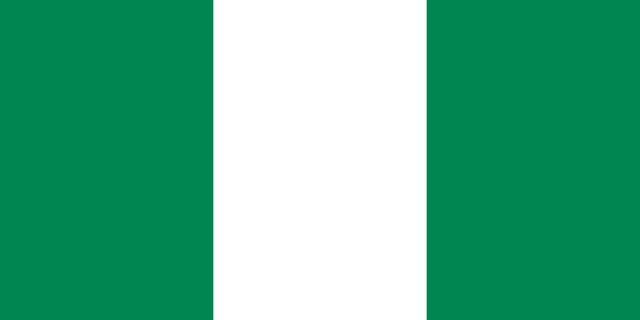
Nigeria

Nigeria
Jon Harald Søby /a . · Public domain

West African country · independence 1960 · West Africa, Gulf of Guinea

Nigeria is Africa's most populous country, formed from British protectorates consolidated by Frederick Lugard, with capital moved from Lagos to Abuja in 1991.

The kit

  • Pre-colonial & colonial — Nigeria's north was controlled by Hausa kings and Usman dan Fodio's Sokoto Caliphate, while obas ruled the south.
  • Independence & leaders — Nigeria gained independence under leaders like Nnamdi Azikiwe, and later saw military rule under Yakubu Gowon and Sani Abacha.
  • Biafran War — Nigeria's civil war over Biafran secession ended with Gowon's "no victim, no vanquished" speech and inspired Doctors Without Borders' founding.
  • Culture & activism — Nigeria produced writers Chinua Achebe and Wole Soyinka, and activist Ken Saro-Wiwa, executed for protesting Royal Dutch Shell's operations.

Runs with

Nanda Empire
no connection evident in clues open card →
Republic of Biafra
Biafra's attempted secession sparked Nigeria's civil war open card →
Africa
Nigeria is Africa's most populous country open card →
Terracotta
Nok terracotta heads were found in Nigeria open card →

The ladder · 6 clues

H

Royal Dutch Shell was sued by people from this country after Ogoniland protesters, including Ken Saro-Wiwa and the Ogoni 9, were killed.

H

This modern-day country’s borders were set by Frederick Lugard, who consolidated a “northern” and “southern” protectorate.

M

One author from this country led the MOSOP movement and was executed by this country’s government for protesting its relationship to Royal Dutch Shell.

M

Sani Abacha, whose government ordered the hanging of activist Ken Saro-Wiwa.

E

In 1991, this country moved its capital from the port city of Lagos. name this most populous country in Africa, with capital Abuja.

E

That civil war in this country led Bernard Kouchner and others to establish Doctors Without Borders.

10 more clues from the record
H

A city in this country’s northwest was once the seat of Usman dan Fodio’s Sokoto Caliphate.

H

Another contemporary author from this country set her novel Half a Yellow Sun during its civil war, and wrote We Should All Be Feminists in 2014.

H

African nation whose Biafran War inspired their establishment.

H

One leader of this country, Yakubu Gowon, gave a speech proclaiming “no victim, no vanquished” at the end of its civil war.

H

In this country, an archaeologist observed a farmer using a Nok terracotta head as a scarecrow.

H

Obas ruled this country’s south while Hausa kings controlled its north. name this modern-day country home to the Igbo and Yoruba people.

H

Identify the African country based on the event from the 1990s. :In 1991, this West African country moved its capital from Lagos to Abuja.

H

Olauduh Equiano was born here, and Nnamdi Azikiwe led an independence movement here.

H

Some of this country’s most famous writers include Chinua Achebe [shin-wa UH-sheh-bay] and Wole Soyinka, and a civil war broke out in this country when the region of Biafra attempted to secede.

H

A precolonial state based in this modern country was founded by Usman dan Fodio.

Watch out: Olaudah Equiano was born in Nigeria, not in the Caribbean where he was enslaved
#1441 · Modern Countries · Level 3

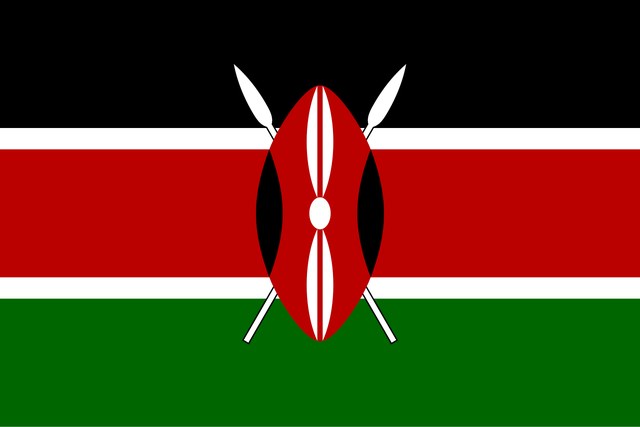
Kenya

Kenya
User:Pumbaa80 · Public domain

East African country · independence 1963 · East Africa, capital Nairobi

Kenya is an East African country that gained independence from Britain in 1963 after the Mau Mau Rebellion.

The kit

  • Independence struggle — Kenya was the site of the Mau Mau Rebellion against British rule, which led to the trial of the Kapenguria Six nationalists.
  • Early leadership — Kenya elected Jomo Kenyatta as its first president in 1964, who promoted the Harambee doctrine of "pulling together."
  • Political developments — Kenya's KANU party was founded by a Mau Mau leader, and later leader Daniel arap Moi had a stadium named for him in Kasarani.
  • Environmental activism — Kenya was home to an activist who founded the Green Belt Movement and launched the Billion Tree Campaign.

Runs with

Mau Mau Uprising
rebellion that challenged British colonial rule open card →
Jomo Kenyatta
first president elected 1964 open card →
Land
White Highlands farm owners in Happy Valley Set open card →
Gold
Goldenberg Scandal involved subsidized gold open card →

The ladder · 6 clues

H

This country subsidized possibly non-existent gold in the Goldenberg Scandal.

H

An activist from this country founded the Billion Tree Campaign and led the Green Belt Movement.

M

The neighborhood of Kasarani is home to a stadium named for this country’s second president, Daniel arap Moi [moh-ee].

M

The Mau Mau Rebellion challenged British rule of this East African country with capital Nairobi.

E

The KANU party was founded in this country by a prominent leader of the Mau Mau Uprising. name this African country whose first president was Jomo Kenyatta.

E

This country that was the site of the Mau Mau Rebellion became independent in 1963 and elected Jomo Kenyatta as its first president a year later.

10 more clues from the record
H

This country was the adopted home of Hugh Cholmondeley [chum-lee], the man who first coined the term “white hunter” for safari hunting westerners; he belonged to this country’s scandalous white Happy Valley Set.

H

This modern-day country was home to a group of European social elites called the Happy Valley Set; that group included many farm owners in its White Highlands and its last governor, Evelyn Baring.

H

A leader of this country imprisoned opposition leader Oginga Odinga, who founded this country’s Forum for the Restoration of Democracy.

H

The trial of a group of nationalists from this country known as the “Kapenguria Six” took place under the governorship of Evelyn Baring.

H

The kipande system forced natives in this country to work and the Kapurenga 6 were a group of nationalists in this country.

H

The Mackinnon-Sclater Road spanned this country and was replaced in the early 20th century by a railway described as the “Lunatic Line.” This country’s city of Port Florence was developed as the western terminus of that railway; the city is now named Kisumu.

H

The first president of this country followed a doctrine of "pulling together" called Harambee.

H

A dispute over this country’s north caused the Shifta War.

H

During a show trial in this country, Rawson Macharia accused one leader of making him drink human blood.

H

General China was part of one uprising in this nation, which was put down by Operation Anvil.

Watch out: Daniel arap Moi was Kenya's second president, not its first (Jomo Kenyatta was first)
#1446 · Modern Countries · Level 3

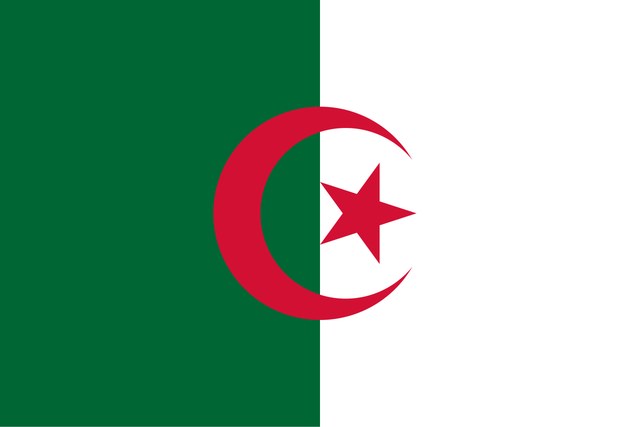
Algeria

Algeria
Original: /div National Liberation Front of Algeria /div Vec · Public domain

North African country · independence 1962 · North Africa

Algeria was a French colony that won independence in 1962 through an eight-year war that toppled France's Fourth Republic.

The kit

  • Independence war — Algeria's FLN (National Liberation Front) fought France from 1954-1962, employing civilian bombings in the Cafe Wars against European settlers.
  • French repression — Algeria experienced the Sétif and Guelma massacre (1945, 45,000 Muslim deaths) and the 1961 Paris Massacre where Maurice Papon drowned over 40 Algerians off Saint-Michel Bridge.
  • Military tactics — Algeria was divided into a grid by Raoul Salan's quadrillage system, while France conducted Operation Jumelles against the Kabyle people using SDECE intelligence.
  • Post-independence — Algeria gained independence through the Evian Accords (1962), after which Ahmed Ben Bella became first president while loyalist Harkis were murdered by independence forces.

Runs with

France
colonial power defeated in eight-year war open card →
Charles de Gaulle
targeted by OAS paramilitary assassination attempts open card →
Africa
North African nation, independence inspired continent open card →
Paris
site of 1961 massacre of Algerians open card →

The ladder · 6 clues

H

A group of ethnically European individuals born in what is now this country was given a name translating to “black foot.” A paramilitary organization affiliated with this country called the OAS attempted to assassinate another country’s leader, Charles de Gaulle.

H

This country was divided into a grid by Raoul Salan’s quadrillage system during its war of independence.

M

African country where Ahmed Ben Bella fought for independence from the French.

M

North African country whose war for independence led to the collapse of the French Fourth Republic.

E

In 1963, Ahmed Ben Bella was elected as the first president of this country following an eight-year war for independence from France.

E

This country’s FLN won its independence in the Evian Accords. name this North African former French colony.

10 more clues from the record
H

Radio Cairo reported that 45,000 Muslims died in this country during the Sétif and Guelma massacre.

H

In a 1961 massacre orchestrated by Maurice Papon, over 40 people from this country were driven off the Saint-Michel Bridge and drowned.

H

This country’s independence movement led to the fall of the French Fourth Republic in 1958. :Name this African country eventually recognized by the Evian Accords in 1962.

H

Following this country’s independence, many of its loyalist Harkis were murdered. :Identify this country. The use of torture in this nation was denounced by the Manifesto of the 121.

H

Members of this country’s tribes were originally intended to be members of zouave [] regiments.

H

North African nation whose FLN fought a civil war with the French in the 1950s and 1960s.

H

The Blum-Violette proposal granted citizenship to some people from this country.

H

This country was the site of Operation Jumelles [[joo-MEHL], during which the SDECE carried out Operation Blue Bird against the Kabyle [[kah-BEEL]] people.

H

A plaque on the Saint-Michel bridge commemorates a massacre of people from this country ordered by Maurice Papon; that was the Paris Massacre of 1961.

H

This country’s rebel leaders carried out civilian bombings in the Cafe Wars.

Watch out: Pieds-noirs ('black feet') were European-born Algerians, not indigenous Muslims fighting for independence
#1451 · Modern Countries · Level 3

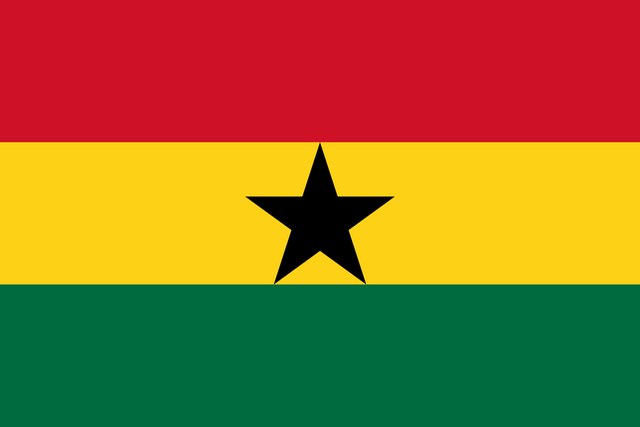
Ghana

Ghana
Theodosia Okoh · Public domain

West African nation · independence 1957 · West Africa, capital Accra

Ghana was the first sub-Saharan African country to gain independence from colonial rule, formerly known as the Gold Coast.

The kit

  • Independence — Ghana won independence under Kwame Nkrumah, who founded the Convention People's Party and fought colonization through Positive Action.
  • Colonial history — Ghana was a British colony called the Gold Coast where the Ashanti fought several wars including the War of the Golden Stool.
  • Post-independence — Ghana experienced coups including Operation Cold Chop in 1966 led by Emmanuel Kwasi Kotoka and Joseph Arthur Ankrah deposing Nkrumah.
  • Legacy — Ghana's flag was partially inspired by Marcus Garvey's shipping line and the country is the birthplace of Kofi Annan.

Runs with

Nanda Empire
no connection stated in clues open card →
Gold
colonial name Gold Coast reflected region's gold wealth open card →
Kwame Nkrumah
first president who led independence movement open card →
Ashanti Empire
Ashanti Kingdom based here, fought British open card →

The ladder · 6 clues

H

Operation Cold Chop deposed a ruler of this country who was part of the Big Six and founded the Convention People’s Party.

H

Koumbi Saleh served as the capital of an empire named for this country.

M

Country, known as the colonial Gold Coast, whose independence was won by Kwame Nkrumah.

M

This was the first sub-Saharan African country to gain independence from a colonial power.

E

West African country, once a British colony known as the Gold Coast, where the Ashanti fought several wars.

E

Kwame Nkrumah led this country formerly known as the Gold Coast with capital Accra.

10 more clues from the record
H

An empire situated in this modern day country was overthrown by the Sosso people after taking its capital at Koumbi Saleh.

H

This country was governed by flight lieutenant Jerry Rawlings following a 1981 coup against the Convention People's Party.

H

A leader of this country created the "National Reconstruction," including Operation Keep Right to encourage driving on the right.

H

A leader of this country fought colonization through Positive Action and modified a Biblical phrase for his saying “seek ye first the political kingdom.” Rebels in what is now country were led by Yaa Asantewaa against the British Empire in the War of the Golden Stool.

H

This country was home to the Ashanti Kingdom and is the birthplace of Kofi Annan.

H

In 1966, the leader of a modern country with this name met with Zhou Enlai while Emmanuel Kwasi Kotoka and Joseph Arthur Ankrah led Operation Cold Chop, a coup d’etat.

H

Operation Feed Yourself was a program of agricultural self-suficiency implemented by the National Redemption Council following a coup against the government of Kofi Busia.

H

Nkrumah [“nuh-kroo-mah”] was the first president of this nation, formerly known as the Gold Coast. In his revolutionary days, Nkrumah was imprisoned at Fort James in this nation’s capital of Accra.

H

15. Identify these West African empires FTPE.The historian al-Bakri visited it and described its gold wealth in great detail. This first of the three great trading empires succumbed to Almoravid incursions in the 13th century.

H

Its flag was partially inspired by a shipping line created by Marcus Garvey.

Watch out: An ancient empire shared this country's name and had its capital at Koumbi Saleh before falling to the Sosso people.
#1452 · Modern Countries · Level 3

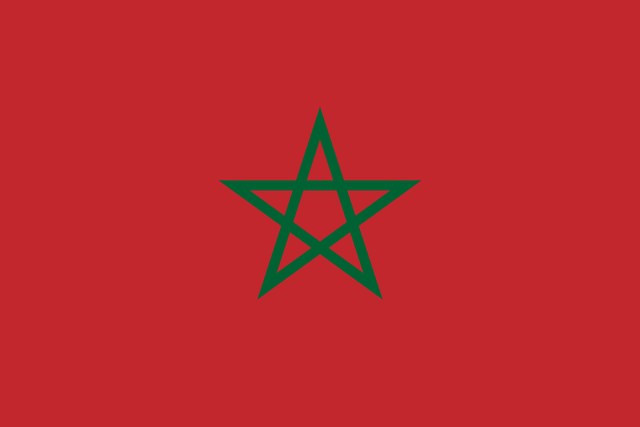
Morocco

Morocco
Denelson83 /a , Zscout370 · Public domain

North African kingdom · independence 1956 · northwest Africa

Morocco is a North African kingdom ruled by the Alaouite dynasty since the 1600s, with capital at Rabat.

The kit

  • Rise — Morocco's Alaouite dynasty took power in the 1600s, succeeding the Saadi dynasty of Ahmad al-Mansur who ruled from Marrakesh.
  • Conflicts — Morocco triggered the 1911 Agadir Crisis when Germany sent the gunboat Panther, resolved by the Treaty of Fez recognizing French dominance.
  • Achievements — Morocco defeated the Songhai Empire at the Battle of Tondibi under Sultan Ahmad al-Mansur in the late 16th century.
  • Legacy — Morocco organized the 1975 Green March to seize Western Sahara and has ongoing disputes over Spanish-held Ceuta and Melilla.

Runs with

Spain
fought Morocco in the Rif War using mustard gas after the Disaster at Annual open card →
Nanda Empire
no connection shown in clues open card →
France
gained dominance over Morocco via Treaty of Fez after Agadir Crisis open card →
Songhai Empire
fell to Moroccan invasion at Battle of Tondibi under Ahmad al-Mansur open card →

The ladder · 6 clues

H

Another occurrence in this country led to the contentious Mansion House speech in which Lloyd George claimed that England preferred honor to peace.

H

Abd el-Krim led anti-colonial resistance in this country during the Rif War.

M

An army from this modern-day country defeated a Southern neighbor at the Battle of Tondibi, and this country declared independence under a king of its Alaouite Dynasty, which succeeded the Saadi dynasty of King Ahmad al-Mansur. name this country whose kings often ruled from the city of Marrakech.

M

Spain fought forces from this country in the Rif War, and the treaty of Fez resolved the Agadir crisis here by recognizing French dominance. :Name this country.

E

A “Crisis” named for this country was triggered when the German gunboat Panther was sent to Agadir.

E

The Rif Republic was founded in this North African country that administers most of the Western Sahara and whose capital is Rabat.

10 more clues from the record
H

The Songhai Empire fell to an invasion by this country to its north. The Sultan of this country at that time was Ahmad al-Mansur, who ruled from Marrakesh.

H

This country's Alaouite [[ah-LOO-ite]] dynasty took power in the1600sandincludesitsrulersince1999,MohammadVI[[sixth]].This country organized the 1975 "Green March" to seize land claimed by the Spanish Polisario Front and has ongoing territorial disputes with Ceuta [[SYOO-tuh]] and Melilla [[meh-LEE-yah]], the only Spanish cities on Africa's mainland.Fortenpoints, name this country that occupies most of Western Sahara.

H

The Algeciras [[AL-jeh-SEE-rahs]] Conference resolved a diplomatic incident in this country.

H

The Istiqlal Party advocated for the independence of this country which was secured under the rule of Mohammed V. This country was home to the Republic of the Rif, which was defeated by a European coalition in 1927.

H

It's not Italy, but under King Hassan II, this country's "Years of Lead" saw extreme political repression.

H

A coup attempt in this nation was foiled by the king grabbing a radio and saying “Stop firing!

H

The 9th-century noblewoman Fatima al-Fihri founded this kingdom’s University of al-Qarawiyyin under its first sharīfī royal dynasty, the Idrisids.

H

At the Algeciras Conference, the Tangier Crisis between France and Germany over it was resolved.

H

Damasio Berenguer used mustard gas during a war in this country after a defeat for his country, the Disaster at Annual.

H

This modern-day country fought against its eastern neighbor in the 1963 Sand War over mineral resources.

Watch out: Nanda Empire
#1460 · Modern Countries · Level 3

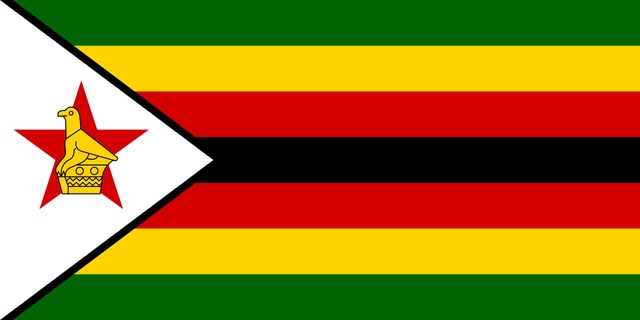
Zimbabwe

Zimbabwe
See i b File history /b /i below for details. · Public domain

Southern African nation · independence 1980 · southern Africa, capital Harare

Zimbabwe is a southern African nation that gained independence in 1980 through the Lancaster House Agreement ending the Bush War.

The kit

  • Rise — Zimbabwe achieved independence when the Lancaster House Agreement ended the Bush War against Ian Smith's forces.
  • Conflicts — Zimbabwe experienced the Gukurahundi ethnic cleansing carried out by the North Korea-trained Fifth Brigade against Matabele populations.
  • Achievements — Zimbabwe's flag depicts eight soapstone birds unearthed at Great Zimbabwe, the archaeological site that gives the country its name.
  • Legacy — Zimbabwe suffered hyperinflation under ZANU-PF rule and launched Fast Track land reforms seizing property from white farmers.

Runs with

Robert Mugabe
led ZANU-PF to power and ruled Zimbabwe open card →
Cecil Rhodes
his British South Africa Company defeated Lobengula in First Matabele War open card →
American Railway Union
Land
Fast Track Reforms seized land from white minority open card →

The ladder · 6 clues

H

The Lancaster House Agreement granted this country its independence following the Second Chimurenga.

H

This country cleared out numerous slum areas during Operation Drive Out Trash.

M

This country gained independence in the Lancaster House Agreement which ended the Bush War it fought against forces loyal to Ian Smith.

M

The Great Enclosure is part of that site that partly names this modern-day country. This country’s flag depicts eight soapstone birds unearthed at that site.

E

This country saw hyperinflation under the leadership of ZANU-PF. what African country with capital at Harare is led by Robert Mugabe?

E

Morgan Tsvangirai’s [chong-ghee-rai’s] Movement for Democratic Change currently opposes this country’s ruling party, ZANU-PF. name this African country currently led by Robert Mugabe.

10 more clues from the record
H

A modern country with this name gained its independence when the Lancaster House Agreement was signed by Ian Smith.

H

While exploring this modern-day country, Diogo de Alcacova encountered the Kingdom of Ucalanga.

H

The Movement for Democratic Change opposes a one-party rule in this country.

H

A North Korea-trained military unit called the Fifth Brigade carried out an ethnic cleansing in this country during a period known as the Gukurahundi .

H

One leader of this country gave cattle and buffaloes to a witch doctor who said she would make gasoline out of rocks.

H

Sanctions against this country were partially circumvented by the passage of the Byrd Amendment, which allowed the U.S. to import its chromite ore.

H

Under Rhodes, the British South Africa Company defeated Lobengula in the First Matabele War, which took place in what is now this country.

H

In this modern-day country, the Matabele Wars grew out of resistance against British colonial rules.

H

A "Bush War" in this country ended with the rise of the ZANU-PF and its leader Robert Mugabe.

H

This country began to clear out slum areas in 2005 in Operation Drive Out Rubbish, years after launching “Fast Track Reforms” that seized land from minority white populations.

Watch out: Rhodesia (the country's colonial name before independence in 1980)
#1470 · Modern Countries · Level 3

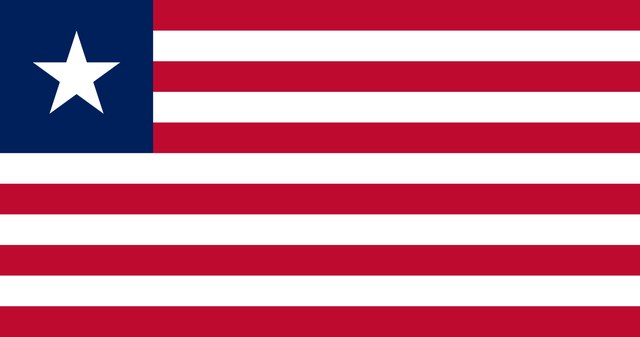
Liberia

Liberia
Government of Liberia · Public domain

West African nation · founded 1820s · West Africa, capital Monrovia

Liberia is a West African nation founded by freed American slaves resettled by the American Colonization Society.

The kit

  • Founding — Liberia was settled by free blacks brought on ships like the Nautilus, organized by Robert Finley's colonization group.
  • True Whig era — Liberia's True Whig Party ruled for over a century, with presidents William Tubman and Joseph Jenkins Roberts.
  • Civil wars — Liberia endured civil war after Charles Taylor overthrew Samuel Doe in 1989, following Doe's 1980 coup against William Tolbert.
  • Recent leaders — Liberia elected Africa's first female head of government, Ellen Johnson Sirleaf, in 2005 and soccer star George Weah in 2018.

Runs with

Charles
Charles Taylor sparked 1989 civil war open card →
William
William Tolbert led True Whig Party open card →
Whig PartyJames Monroe

The ladder · 6 clues

H

One leader of this country issued Decree 88A, and that man overthrew the regime of William Tolbert, the final leader of the True Whig Party.

H

A leader from this country was supported by the song “He killed my ma, he killed my pa, I’ll vote for him.” This country was led for much of the 1980s by a man who was tortured and executed in 1990 by Prince Johnson on live television, Samuel Doe.

M

Another leader of this country, Joshua Blahyri, believed himself to be invincible to bullets, and was thus known as General Buck Naked.

M

The Libyan-trained Charles Taylor overthrew Samuel Doe in this country, sparking a 1989 civil war.

E

This country elected Africa’s first female head of government, Ellen Johnson Sirleaf, in 2005.

E

The American Colonization Society helped thousands of free blacks immigrate to what is now this West African country with capital Monrovia.

10 more clues from the record
H

The world’s largest rubber plantation is in this country’s city of Harbel.

H

In 2018, this nation elected its most accomplished soccer player of all time, George Weah [[WEH-uh]], as president.

H

William Tubman and Joseph Jenkins Roberts served as presidents of this country, which has a capital named for the fifth American president. name this West African country founded by freed slaves from the United States.

H

Contract slavery was carried in this country under the True Whig Party.

H

One leader of this country was filmed having his ears cut off while warlord Prince Johnson drank a Budweiser.

H

The Christy Commission investigated forced labor in this country.

H

Settlers of this country were brought by the ship Nautilus, which was built for a group founded by Robert Finley.

H

The film Pray the Devil Back to Hell depicts how white-clad women assembled in a fishmarket in this country’s capital and threatened a sex strike, led by WIPNET activist Leymah Gbowee.

H

One president of this nation was videotaped as his ear was cut off by Prince Johnson, and he came to power after disemboweling his predecessor in his bed.

H

One leader of this country was expelled from their own party after supporting an opposing party’s candidate in general elections, instead of their then vice-president.

Watch out: Joshua Blahyi (General Buck Naked) was a warlord, not a national leader
#1488 · Modern Countries · Level 3

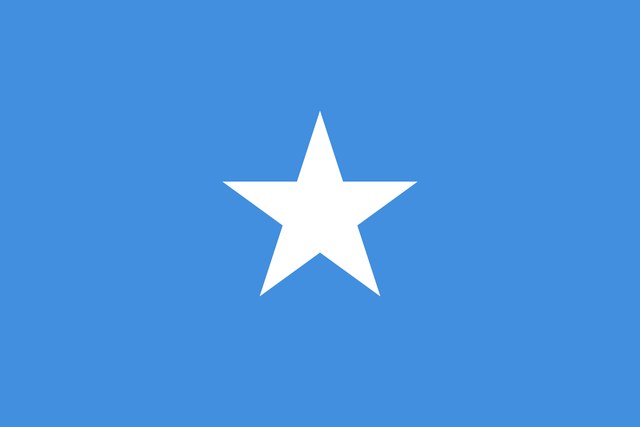
Somalia

Somalia
see upload history · Public domain

East African nation · 1960–present · Horn of Africa

Somalia is an East African nation that has experienced civil war, foreign intervention, and piracy since the late 1980s.

The kit

  • Cold War era — Somalia was led by Siad Barre, who created the Guulwaade cult of personality and switched Cold War allegiances after the Ogaden War.
  • Civil war & intervention — Somalia's civil war began in 1988, and Siad Barre's overthrow led to UN intervention under Security Council Resolution 794.
  • Battle of Mogadishu — Somalia's capital Mogadishu saw a disastrous 1993 U.S. mission against Mohamed Farah Aidid in which two Black Hawk helicopters were shot down.
  • Piracy & instability — Somalia has been the source of maritime piracy in the Gulf of Aden and was governed by the Islamic Courts Union until defeated at Jilib.

Runs with

Africa
located on the Horn of Africa open card →
Ethiopia
invaded Ethiopian Ogaden region in the Ogaden War open card →
Pirates
source of pirate attacks in Gulf of Aden open card →
American Railway Union

The ladder · 6 clues

H

One leader of this country created the “Guulwaade” cult of personality; that leader of this country effectively switched sides in the Cold War after the Soviet Union failed to support his invasion of a neighboring country in the Ogaden War.

H

In civil war since 1988, this nation has received much media attention for its problems of maritime piracy in the Gulf of Aden area. :Name this nation on the Horn of Africa.

M

The overthrow of Siad Barre led to the Battle of Mogadishu.

M

Wadaad's writing was an orthography created for this country's language, and the Dervish State was established in this modern-day country during the Mad Mullah Revolt.

E

A disastrous mission in this country's capital involved two Black Hawk helicopters being shot down. name this country where the U.S. fought the Battle of Mogadishu.

E

In 1993, when the US invaded this country’s capital to fight Mohamed Farah Aidid, two Black Hawk helicopters were shot down. name this country on the Horn of Africa where the Battle of Mogadishu took place.

10 more clues from the record
H

Security Council Resolution 794 began UN intervention in this country after the overthrow of Siad Barre.

H

A leader of this country created new settlements in the Jubba region to deal with the “Lingering Drought” and was victorious at Jijiga against another country’s Derg regime.

H

This country’s Islamic Courts Union administers sharia law. :Name this country on the Horn of Africa, which was once led by a Transitional Federal Government that had little control over piracy.

H

The Canadian Airborne Regiment was disbanded after a teenager in this country was beaten to death by two of its members.

H

Traders in this modern-day country carried cinnamon and other spices on beden ships from the Adal Sultanate’s ports of Zeila and Berbera.

H

Operation Linda Nchi [en-chee] was a military operation in this country that led to the capture of its city Kismayo.

H

The Islamic Courts Union ruled much of this modern-day nation until its defeat at the Battle of Jilib.

H

This country’s region of Puntland declared itself autonomous in 1998. :Name this lawless country on the horn of Africa which has been the source of many pirate attacks over the last decade.

H

This nation was the site of the Battle of Baidoa, and it was the last country in which Lufthansa Flight 181 landed in after being hijacked.

H

A massive scandal ensued after Canadian troops in this country - possibly in a state of Mefloquine psychosis - tortured and murdered Shidane Arone.

#1490 · Modern Countries · Level 3

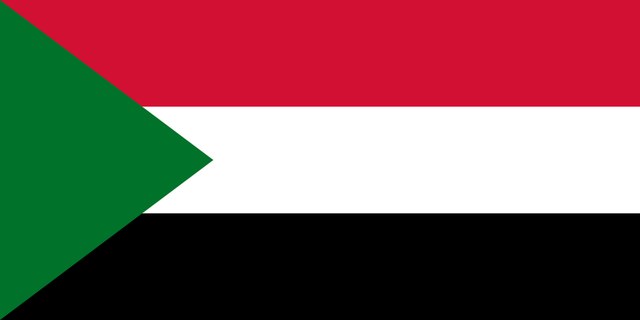
Sudan

Sudan
See i b File history /b /i below for details. · Public domain

Northeast African country · ancient Kush to present · Northeast Africa, south of Egypt

Sudan is a Northeast African country that hosted the ancient Kingdom of Kush and gained independence from Britain and Egypt in 1956.

The kit

  • Ancient history — Sudan was home to the Kingdom of Kush, which moved its capital from Napata to Meroe in the 6th century BC.
  • Mahdist revolt — Sudan experienced the Mahdist uprising in which Muhammad Ahmad's forces killed Charles "Chinese" Gordon at Khartoum before British reconquest.
  • British reconquest — Sudan was reconquered by Britain after Horatio Kitchener defeated the Mahdists at the Battle of Omdurman in 1898.
  • Modern independence — Sudan became independent from Egypt and Britain in 1956, and its southern portion seceded to form South Sudan in 2011.

Runs with

Nanda Empire
no connection shown in clues open card →
Egypt
Sudan gained independence from Egypt and Britain in 1956 open card →
Muhammad
Muhammad Ahmad led the Mahdist revolt in Sudan open card →
Songhai Empire
no connection shown in clues open card →

The ladder · 6 clues

H

A kingdom in this modern country moved its capital from Napata to Meroe [mare-oh-ee] in the 6th century BC; Piye and Kashta were rulers of that ancient Kingdom of Kush.

H

The death of Chinese Gordon in this country nowhere near China prompted Herbert Kitchener to seek revenge against its Mahdists at the Battle of Omdurman.

M

The Justice and Equality Movement are fighting the Janjaweed in this African country led by Omar al-Bashir F whose Southern neighbor seceded in 2011.

M

This country was reconquered by the British after Horatio Kitchener was victorious at the Battle of Omdurman.

E

In this country, the Battle of Omdurman reasserted British control and ended the Mahdist revolt. name this country where Charlie Gordon died defending Khartoum.

E

Nubia was located in the center of what is now this country that in 2011 saw its southern portion became a new nation. name this African country with capital at Khartoum.

10 more clues from the record
H

The name Candace is derived from the title for queens who ruled a kingdom in this modern-day country.

H

Country that became independent from Egypt and Britain in 1956, and whose southern portion declared its own independence in 2011.

H

This country was the site of a military intervention after radicals ambushed William Hicks.

H

”Chinese” Gordon’s death in this country, which faced the Mahdist uprising, was a severe blow to Gladstone’s political career.

H

This region was the site of a coup by Omar al-Bashir.

H

In this country, SPLA leader John Garang was named First Vice President shortly before his death in a helicopter crash.

H

In this country, the forces of Muhammad Ahmad were besieged by Charles “Chinese” Gordon in the Mahdist Wars.

H

The Mahdi revolted against British and Egyptian rule in this modern-day country. His forces defeated Slatin Pasha in this country’s region of Darfur.

H

Ismail al-Azhari was the first prime minister of this country, where the Anyanya rebels fought a civil war from 1955 to 1972 that was ended by the Addis Ababa Agreement.

H

A decade after Garnet Wolseley’s unsuccessful expedition against Mohammad Ahmad in this country, that revolt was finally crushed by Herbert Kitchener at the Battle of Omdurman.

Watch out: Charles Gordon is called "Chinese" Gordon despite dying in Sudan, not China
#1495 · Modern Countries · Level 3

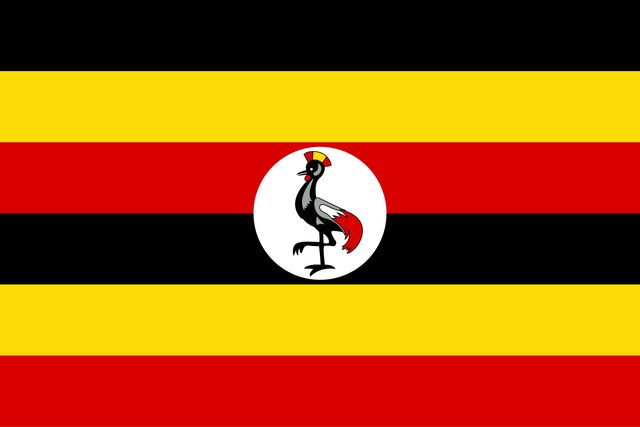
Uganda

Uganda
a rel="nofollow" tobias · Public domain

East African nation · independent 1962 · East Africa, capital Kampala

Uganda is an East African nation that gained independence in 1962 and endured decades of authoritarian rule and civil conflict.

The kit

  • Independence — Uganda became independent in October 1962 with Mutesa II as president and Milton Obote as prime minister.
  • Political turmoil — Uganda experienced the Battle of Mengo Hill in 1966 when Milton Obote assaulted the Kabaka's palace.
  • Dictatorships — Uganda was ruled by Idi Amin after 1971 and Milton Obote after 1980, both deposing each other.
  • Modern era — Uganda's Yoweri Museveni took power in 1985 after the Luwero War and Tito Okello's brief coup.

Runs with

Idi Amin
ruled Uganda after **1971 coup**, faced Entebbe Raid, expelled Asian population open card →
Milton Obote
served as Uganda's **first prime minister** and president in two separate periods open card →
Tanzania
dictator
Uganda endured **authoritarian rule** under Amin, Obote, and others open card →

The ladder · 6 clues

H

In 1976 Israeli Defense Forces staged a rescue of passengers of a hijacked Air France plane at Entebbe airport in this country. :This took place in what African country with capital Kampala?

H

In 1966, one leader of this country led an assault against Kabaka in the Battle of Mengo Hill.

M

The place of origin of the Lord’s Resistance Army, identify this modern country home to Joseph Kony, Milton Obote, and Idi Amin.

M

The Nakivubo Pronouncement, which supported the “Move to the Left”, was issued by this country’s ruler Milton Obote.

E

After helping to topple the reigns of Milton Obote and Idi Amin, Yoweri Museveni became this country’s leader in 1985. name this country with capital Kampala.

E

Milton Obote was removed from power in this country by a man who faced the Entebbe Raid. name this African country that was led by Idi Amin.

10 more clues from the record
H

It became independent in October 1962, and its first president was Mutesa II. :Name this African nation whose first prime minister was Milton Obote.

H

This country once banished 90 percent of its Indian population after all Asians were ordered to be expelled.

H

As a British protectorate, this country was ruled by leaders called “Kabakas,” one of whom was “King Freddie.” Joseph Kony leads an insurgency in this nation.

H

This modern-day country contains a still-extant kingdom whose king, or Kabaka, is Muwenda Mutebi II.

H

One king in this modern-day country, who was exiled after taking the presidency, was nicknamed "King Freddy".

H

After a power struggle, this country’s first leader removed the ceremonial president Edward Mutesa II.

H

The next president of this country wrote a pamphlet titled The Common Man’s Charter.

H

This country’s districts of Kiboga, Nakaseke and other members of the Luwero triangle experienced heavy fighting during one war.

H

After this country's Luwero War in the 1980s, short-ruling president Tito Okello was replaced with a leader of the National Resistance Army.

H

A 1985 coup in this country was led by Tito Okello and Bazilio Okara-Okello, and this country’s first prime minister was Benedicto Kiwanuka.

Watch out: Confusing Milton Obote's two separate periods as leader (1962-1971 and 1980-1985)
#1496 · Modern Countries · Level 3

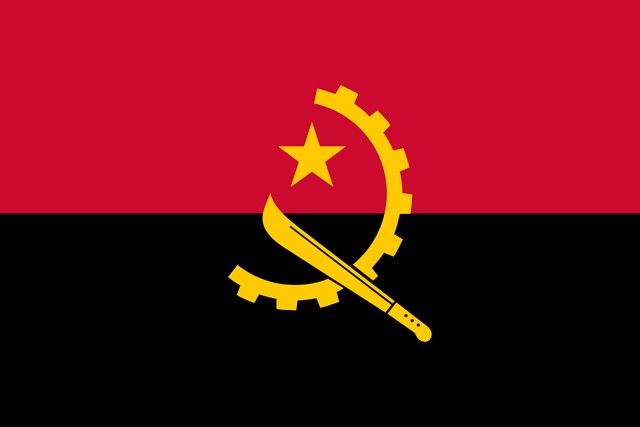
Angola

Angola
Original: /div Henrique de Carvalho Santos /div Vector: /div · Public domain

Southern African country · independence 1975 · southern Africa, north of Namibia

Angola is a former Portuguese colony whose 1975 independence immediately sparked a 27-year civil war between MPLA and UNITA.

The kit

  • Independence — Angola gained independence from Portugal through the Alvor Agreement in 1975, with capital at Luanda.
  • Civil war factions — Angola's civil war pitted Agostinho Neto's MPLA against Jonas Savimbi's UNITA and Holden Roberto's FNLA.
  • Foreign intervention — Angola saw Cuban troops sent by Fidel Castro and South African forces fighting at the Battle of Cuito Cuanavale.
  • War's end — Angola's civil war ended in 2002 when Jonas Savimbi was killed, leading to a ceasefire between MPLA and UNITA.

Runs with

Portugal
colonial power until 1975 Alvor Agreement open card →
Cuba
sent troops under Castro during civil war open card →
Kingdom of Kongo
historical kingdom in northern Angola region open card →
Africa
located in southern Africa north of Namibia open card →

The ladder · 6 clues

H

This country was the site of the Battle of Cuito Cuanavale.

H

In this country, people including Jeremiah Chitunda were killed in the Halloween Massacre, which occurred in response to the Bicesse Accords.

M

This country which gained independence by the Alvor Agreement is currently led by Jose Eduardo dos Santos. name this former Portuguese colony north of Namibia whose capital is Luanda.

M

During this country's civil war, Holden Roberto’s FNLA and Jonas Savimbi’s UNITA fought against Agostinho Neto’s MPLA.

E

Following independence from Portugal in 1975, this country immediately entered a civil war between the MPLA and UNITA.

E

This country’s civil war ended when Jonas Savimbi was killed in 2002, after which the MPLA and UNITA agreed to a ceasefire. name this southern African country where fighting broke out after Portugal withdrew from Luanda.

10 more clues from the record
H

While the U.S. were tied up by the Clark Amendment, Fidel Castro notably sent troops to intervene in one conflict in this country.

H

A 27-year civil war in this country was fought between the factions of UNITA and Jose Eduardo dos Santos’s MPLA. name this African country ruled from Luanda.

H

During this country's war for independence, Jonas Savimbi and Agostinho Neto fought against Portugal. the MPLA has governed from Luanda in which country?

H

South Africa secretly intervened in this country during Operation Savannah, and the Alvor Agreement was signed between opposing sides from this country in which the battle of Quifangondo was fought.

H

A scandal involving illegal shipments of arms to this country involved Charles Pasqua, Jean-Christophe Mitterand, and several French writers and artists.

H

The Ovimbundu cities of Kuito and Huambo in this country were destroyed during a conflict which included the Battle of Cuito Cuanavale.

H

This country operates the state-owned Endiama diamond company and has been locked into a protracted independence conflict with FLEC .

H

One force here was provided military aid in Operation IA Feature, which prompted congress to pass the Clark Amendment.

H

One leading political group in this country signaled its changing affinity for Communism by adding and then dropping the phrase “party of labor” from its name.

H

South African Defense Forces repeatedly entered this country, fighting in the Battle of Cuito Cuanavale [[KWEE-toh kwah- nah-VAH-leh]].

Watch out: Students may confuse Angola's MPLA with Mozambique's FRELIMO, both Marxist liberation movements in former Portuguese Africa.
#1498 · Modern Countries · Level 3

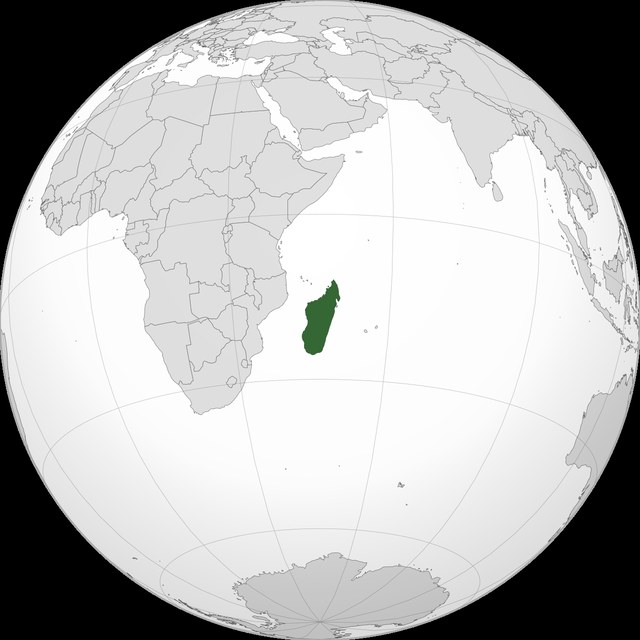
Madagascar

Madagascar
M.Bitton · CC BY-SA 4.0

Island nation · settled ~500–1500 CE; French colony 1896–1960 · off southeast coast of Africa

Madagascar is an island nation off Africa's southeast coast, settled by Austronesians from Indonesia and later colonized by France.

The kit

  • Settlement & language — Madagascar was settled by Austronesians sailing outrigger canoes from Indonesia, whose descendants speak Malagasy, the national language.
  • Merina Kingdom — Madagascar's Merina Kingdom was ruled by Queen Ranavalona I, who employed engineer Jean Laborde to build modern foundries and munitions factories.
  • French colonization — Madagascar became a French colony after the Franco-Hova War, when Queen Ranavalona III ceded Diego-Suarez port to France.
  • Pirate colony — Madagascar hosted Libertatia, a legendary pirate utopia led by James Mission that used a language derived from Malagasy.

Runs with

Africa
island off Africa's southeast coast open card →
France
French colony governed from Antananarivo open card →
Mozambique
neighboring nation across Mozambique Channel open card →
Christianity
Welsh missionary David Jones transliterated Malagasy open card →

The ladder · 6 clues

H

Jean Laborde served as an engineer for a monarch of this country, Ranavalona I, by building modern foundries for the Merina Kingdom.

H

Human settlement of this country likely originated with Austronesians sailing on outrigger canoes from what is now Indonesia. Following the Franco-Hova War in this nation, Queen Ranavalona III granted the port of Diego-Suarez and the surrounding bay to France.

M

In a namesake charter, Joseph-François Lambert was given control of all natural resources during the reign of Radama II, a king of this country's Merina Kingdom.

M

Prior to the Final Solution, this location was proposed by Franz Rademacher as a destination for European Jews.

E

Malagasy is spoken in this former French colony governed from Antananarivo, an island off the southeast coast of Africa.

E

Queen Ranavalona I governed this East African island nation.

10 more clues from the record
H

In this modern nation, James Mission legendarily led a pirate utopia named Libertalia.

H

This country’s national language was transcribed by the Sorabe alphabet, which was inspired by Arabic and probably developed through contact with Omani traders.

H

Twelve sampy idols were collected in this country by its King Ralambo .

H

Queen Ranavalona was a ruler of this polity, an island nation where Hitler suggested all Jews be deported. Its capital is Antananarivo.

H

Answer the following about piracy in the Indian Ocean, .A pirate colony called Libertatia was founded on this large island, which was settled by migrants from Indonesia whose descendants comprise the Malagasy people.

H

A queen of this country employed Jean Laborde to create munitions factories until he tried to overthrow her.

H

Ida Pfeiffer unwittingly joined a plot against a monarch of this modern-day country who enslaved many andevo and was assisted by Jean Laborde.

H

This country’s seventeenth century pirate colony of Libertatia used a language derived from Malagasy, a native language of this country.

H

A king of this country legendarily killed a group of soldiers with a single rotten egg empowered by a set of twelve royal idols called the sampy.

H

The Welsh missionary David Jones was instrumental in transliterating the dominant language of this island into Latin script.

Watch out: Mozambique (neighboring mainland African nation on same coast)
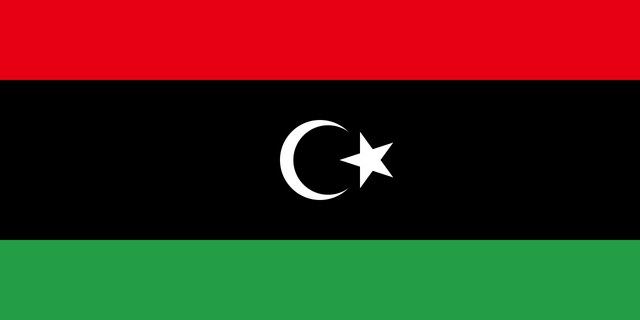
#1507 · Modern Countries · Level 3

Libya

Libya
Various span typeof="mw:File" img src="https://upload.wikime · Public domain

North African country · ancient to present · North Africa, Mediterranean coast

Libya is a North African country led by Muammar Gaddafi until 2011, with capital at Tripoli and major city Benghazi.

The kit

  • Ancient history — Libya's territory included the Roman provinces of Cyrenaica and Tripolitania, and was birthplace of Emperor Septimius Severus.
  • Cold War conflicts — Libya's aircraft were shot down in the Gulf of Sidra Incident after firing on American jets in the 1980s.
  • Terrorism — Libya was targeted in Operation El Dorado Canyon following its bombing of La Belle nightclub in West Berlin.
  • Post-Gaddafi era — Libya saw Ambassador Chris Stevens killed in Benghazi in 2012 after the Arab Spring deposed Gaddafi.

Runs with

Muammar Gaddafi
ruled Libya until 2011 deposition open card →
Egypt
borders Libya to the east open card →
Nanda Empire
Tunisia
borders Libya to the west open card →

The ladder · 6 clues

H

Aircraft from this country were shot down after firing on American jets in the Gulf of Sidra Incident.

H

Ambassador Chris Stevens died in this North African nation whose cities include Benghazi and Tripoli.

M

This country was targeted in Operation El Dorado Canyon following its bombing of the La Belle nightclub, which killed U.S. soldiers in West Berlin.

M

In 2003, this country formally acknowledged its role in the bombing of Pan Am Flight 103 that landed in Lockerbie.

E

Christopher Stevens, a former ambassador to this country, was killed in a 2012 attack in Benghazi. name this African country led until 2011 by Muammar Gaddafi.

E

The National Salvation Government tried to take power in this country after the Arab Spring led to the deposition of Muammar Gaddafi. identify this country that has a capitalat Tripoli.

10 more clues from the record
H

After receiving over $200,000 from this country, Jimmy Carter's brother, Billy, registered as a foreign agent.

H

In October 2014, the city of Derna in this country was occupied by militant members of ISIS.

H

: answer the following about the Garamantes :The Garamantes were based in this modern-day country in Fezzan. This country was composed of the provinces Cyrenaica and Tripolitania, named after its capital of Tripoli.

H

An attack in this country resulted in the death of US ambassador J. Christopher Stevens.

H

This country is home to the Great Manmade River Project, which was intended by Muammar al-Qaddafi to supply water to the coastal cities of Benghazi and Tripoli.

H

The third-century Roman emperor Septimius Severus was born in this modern country’s town of Leptis Magna.

H

The eastern portion of this present-day country was known as Cyrenaica [sir-uh-NEY-ih-kuh] when it was paired with Crete in the name of a Roman province.

H

The Monitor Group consulted for a leader of this country who was blockaded by Operation Odyssey Dawn’s no-fly zone.

H

This nation is home to the Arkenu impact craters which were thought to have formed via double impact during the Jurassic Period.

H

In 2007, six people were extradited from this country to Bulgaria, where President Georgi Parvanov pardoned them for allegedly infecting 400 children in this country with HIV.

Watch out: Tunisia (neighboring North African country also involved in Arab Spring)
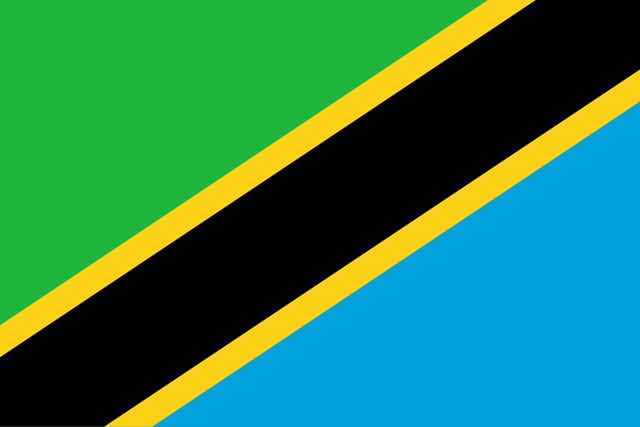
#1528 · Modern Countries · Level 3

Tanzania

Tanzania
Public domain

East African nation · 1964–present · East Africa, south of Kenya

Tanzania is an East African nation formed in 1964 from the merger of Tanganyika and Zanzibar.

The kit

  • Formation — Tanzania was created in 1964 when Tanganyika merged with Zanzibar under President Julius Nyerere.
  • Ujamaa socialism — Tanzania implemented African Socialism through the Arusha Declaration, promoting ujamaa (familyhood) and relocating farmers to communal agricultural settlements in Operation Vijiji.
  • Colonial rebellion — Tanzania was the site of the Maji Maji Rebellion against German cotton quotas, led by Kinjikitile Ngwale who promised bullets would turn to water.
  • Regional conflicts — Tanzania's annexation of Kagera province led to military intervention that defeated and deposed Idi Amin in Uganda in 1979.

Runs with

Julius Nyerere
first president who promoted ujamaa socialism through the Arusha Declaration open card →
Zanzibar
island territory that merged with Tanganyika in 1964 to form Tanzania open card →
Idi Amin
Ugandan dictator defeated and deposed by Tanzanian military intervention open card →
Uganda
northern neighbor invaded by Tanzania after Kagera annexation open card →

The ladder · 6 clues

H

The Chama Cha Mapinduzi party holds power in this country and was once led by a man who promoted “ujaama” with the Arusha Declaration.

H

A rebellion in this modern-day country that was crushed by Gustav Adolf von Gotzen was led by Kinjikitile Ngwale, who spread the belief that bullets would turn into water if warriors consumed a “war medicine” called maji.

M

The annexation of this country’s Kagera province led this country to defeat and depose Idi Amin in neighboring Uganda.

M

The concept of "Ujamaa" was promulgated in the Arusha Declaration, which called for African Socialism in this country. identify this East African country led after independence by Julius Nyerere, whose largest city is Dar es Salaam.

E

Julius Nyerere once led this African country formed in 1964 from the merger of Tanganyika and Zanzibar.

E

The cities of Dodoma and Dar es Salaam dominate, what African country formed from Tanganyika and Zanzibar?

10 more clues from the record
H

Carl Peters’ attempt to implement cotton quotas in this modern day country led to the Maji Maji Rebellion.

H

This country relocated farmers to communal agricultural settlements in Operation Vijiji.

H

In 1974, Julius Nyerere made Dodoma the capital of this nation.

H

Zanzibar merged with Tanganyika in 1964 to form this modern day African republic, whose largest city is Dar es Salaam.

H

Julius Nyerere became president of this country when he united his territorial government with that under the auspices of Oscar Kambona.

H

Answer the following about the Moissy, or the time Comoros had a secret police made up of teenagers. :The Moissy were trained in this country south of Kenya, which is near Mount Kilimanjaro.

H

This country followed the Nyalali Commission by moving to a multi-party system from the single party rule of the CCM.

H

The Ruvuma River forms the southern border of this country, which contains Kalambo Falls and Gombe National Park, as well as Pemba and Mafia Islands.

H

In Seeing Like a State, James C. Scott criticises farmers in Europe for trying to plan nationwide farming in this country.

H

A leader of this country consolidated his base of power by founding the CCM political party and promulgated a brand of socialism whose name translates as “familyhood” or “ujamaa.” In 1998, this country and Kenya suffered bombings at their U.S. embassies.

Watch out: Dodoma is the capital (since 1974), but Dar es Salaam is the largest city
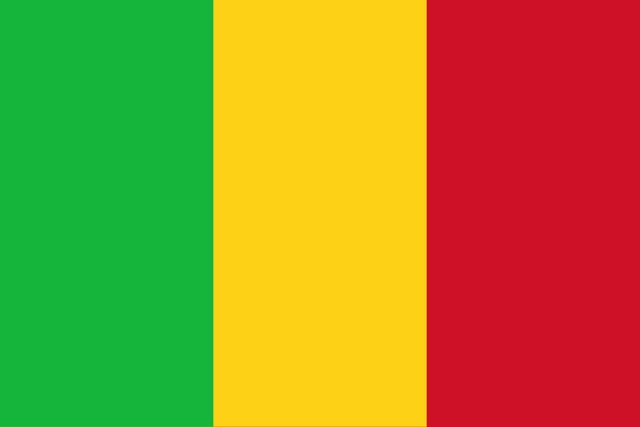
#1555 · Modern Countries · Level 1

Mali

Mali
SKopp · Public domain

West African empire and modern nation · empire 13th–16th century; nation 1960–present · West Africa, capital Bamako

Mali names both a medieval West African empire founded by Sundiata and the modern nation that gained independence from France in 1960.

The kit

  • Founding — Mali was founded when Sundiata defeated the Sosso ruler Sumanguru at the Battle of Kirina and established his capital at Niani.
  • Governance & trade — Mali was governed partly by an assembly called the gbara and controlled major trading cities including Timbuktu, Djenné, and Oualata.
  • Peak — Mali reached its greatest height under Mansa Musa, whose 1324 pilgrimage to Mecca spent so much gold it devastated Cairo's economy.
  • Modern era — Mali became independent from French Sudan in 1960 and has faced Tuareg rebellions seeking to establish Azawad and a 2020 coup against President Keïta.

Runs with

Nanda Empire
no connection shown in clues open card →
Mansa Musa
Mansa Musa ruled Mali at its peak open card →
Timbuktu
Timbuktu was Mali's most important city open card →
Songhai Empire
Songhai largely conquered Mali in the 15th century open card →

The ladder · 15 clues

H

Former member of French West Africa which is named for a medieval African empire led by mansas.

H

This country shares its name with an empire founded by Sundiata. :Identify this modern-day country home to Timbuktu. It has a capital at Bamako.

H

The founder of this empire defeated the Sosso ruler Sumanguru at the Battle of Kirina.

H

By the time of Ibn Battuta’s trip, Oualata was a Saharan caravan city owned by this Empire, whose rulers included Mansa Musa.

H

answer the following about an African kingdom.This kingdom was centered around Niani, and it had rulers who had the title “mansa”. One of the cities in this empire was Timbuktu.

H

The origin of this empire lay in the battle of Kirina, in which Sumanguru Kante of the Soso Kingdom was defeated by its legendary first ruler, Sundiata Kieta.

H

This nation was a colony containing the city of Kayes called French Sudan until Modibo Keita became its first president in 1960.

M

The MNLA lost control of the north of this country to Ansar Dine after attempting to make Azawad an independent Tuareg nation.

M

Name these African empires .This trading empire flourished in West Africa from the thirteenth to the sixteenth century. Its most important city was Timbuktu.

M

Sundiata was the first ruler of this African empire that had its capital at Niani. It was largely conquered by the Songhai in the 15th century.

M

Ibn Battuta also visited this empire, whose King Mansa Musa made a lavish pilgrimage to Mecca in 1324. This empire had major urban centers at Djenne and Timbuktu.

M

This empire was partially governed by an assembly called the gbara whose role was set out in the Kouroukan Fouga.

E

The Ghana Empire once ruled in what is now this arid West African country, the home of Timbuktu and Bamako.

E

Once led by Sundiata, another ruler of this empire spent so much gold on a pilgrimage to Mecca that he devastated the economies of Cairo and Medina.

E

In 2012, Kidal, Gao, and Timbuktu fell in three days to rebels in this West African country whose government rules from Bamako.

10 more clues from the record
H

This empire referred to its territories as the Twelve Tinkurus, or Twelve Doors.

H

Recent protests in this country against its president, nicknamed “IKB,” were sparked by a massacre which left over 100 dead in this country’s Fulani village of Ogassagou.

H

This country was known as French Sudan in the colonial era and it entered into a short-lived federation with Senegal in 1960.

H

Former French colony that faced a Tuareg rebellion aiming to establish the state of Azawad.

H

In 2015, 220 hostages were taken in a terrorist attack on the Radisson Blu in this country’s capital.

H

This country is named for an empire that was founded by Sundiata.

H

Moses Finley once noted ‘‘It will not have escaped notice that I have so far avoided defining what I mean by a city”. Answer, questions on dificult-to-define early cities.Early urbanism in West Africa has been argued to have been self-generated and unfortified rather than state-motivated, exemplified by the Inland Niger Delta sites of Dia and Djenné-djeno in this modern-day country.

H

An August 2020 coup in this country came two months after at least 11 protestors aligned with the M5 were killed by security forces. :Name this Sahel country where president Ibrahim Boubacar Keïta and prime minister Boubou Cissé were ousted and arrested by military officers over accusations of stealing this country’s parliamentary elections.

H

In 1968, Moussa Traoré (MOO-sah tra-OH-ray) overthrew this country’s previous government and declared a military regime on “Liberation Day.” Borgnis-Desbordes (BOR-nee day-BORED) established this country’s fort of Kayes in 1881.

H

Name these African empires .Arising from the state of Kangaba under the leadership of Sundiata Keita, this empire reached its greatest height under Mansa Musa, and its merchant class, the Dyula, became known throughout the Islamic world.

Watch out: Ghana Empire—also ruled this region but predated Mali
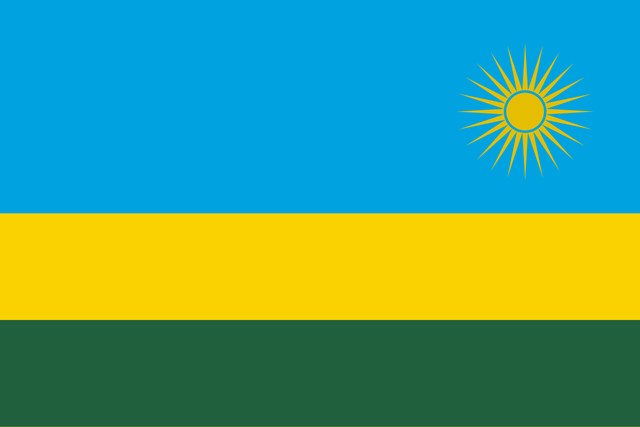
#1577 · Modern Countries · Level 3

Rwanda

Rwanda
Original: /div Unknown /div Vector: /div Zscout370 /a · Public domain

Central African country · independence 1962 · Central Africa

Rwanda is a mountainous Central African nation whose Hutu majority perpetrated a 1994 genocide against the Tutsi minority.

The kit

  • Independence & early rule — Rwanda gained independence from Burundi in 1962 and elected its first president, Grégoire Kayibanda, who persecuted cattle-herding Tutsis.
  • 1994 genocide — Rwanda's president Juvénal Habyarimana was assassinated when his plane was shot down over Kigali Airport in 1994, igniting genocide by Hutus.
  • Genocide execution — Rwanda's genocide was fueled by RTLM radio and Kangura magazine, while the Interahamwe youth militia used machetes to kill hundreds of thousands.
  • Post-genocide leadership — Rwanda's current president Paul Kagame led the RPF that ended the genocide and hopes to transform the nation into the "Singapore of Africa".

Runs with

Tutsi
minority group targeted in 1994 genocide open card →
Belgium
Democratic Republic of the Congo
Rwandan refugees sparked conflict that toppled Mobutu open card →
assassination
Habyarimana killed when plane shot down open card →

The ladder · 6 clues

H

A leader of this country, Juvenal Habyarimana, was assassinated along with the president of Burundi when his plane was shot down.

H

Under his successor, the RTLM radio station and Kangura magazine incited hatred towards that group in this country, referring to them as "tall trees" to be cut down.

M

Paul Kagame took over that group, the RPF, which ended a ceasefire after this country’s president, Juvenal Habyarimana, was shot down above Kigali Airport. name this central African country where hundreds of thousands of Tutsis were killed in a 1994 genocide.

M

The assassination of Juvénal Habyarimana ignited a 1994 genocide in this country. Its main clans are the Hutu, Tutsi, and Twa.

E

The current president of this nation, Paul Kagame, hopes to transform it into the “Singapore of Africa.” A genocide in this nation was perpetrated by the Hutus against the minority Tutsis. name this African nation that experienced a genocide in cities like Kigali.

E

This mountainous country elected Paul Kagame [[kah-GAH-meh]] as president in 2000 and gained its independence from Burundi in 1962. what is this central African country?

10 more clues from the record
H

A United Nations peacekeeping force called UNAMIR failed to prevent a genocide in this country, in which the Hutus attacked the Tutsis.

H

This country’s president Juvénal Habyarimana was killed in 1994 when his plane was shot down. :Name this country where that assassination sparked a barrage of genocidal violence between the Hutu and Tutsi ethnic groups.

H

A youth paramilitary organization in this country that used machetes as its main weapons was known as the Interahamwe.

H

Kangura Magazine and RTLM radio contributed to racism in this country.

H

A rebel group in this country was founded by Fred Rwigyema [we-jay-mah], who was killed on the second day of a civil war in this country.

H

This country's Volcanoes National Park was the base for Dian Fossey and is home to the largest Mountain Gorilla population in the world.

H

This country's first president was Grégoire Kayibanda, who persecuted an ethnic group known for its cattle-herding.

H

A year before an event in this country, the Arusha Accords were signed in a neighboring country.

H

From 2002 to 2012, one workday per week was sacrificed to hear over one million cases in this country's 12,000 gacaca courts. :Identify this country where, on each April 7th, the entire nation begins a 100-day commemoration based on a theme outlined at Amahoro Stadium. In 2000, it fought a Six-Day War with a northern neighbor in a third country's city of Kisangani.

H

The names of a notable radio station and hotel in this country include the French term for “thousand hills.” The Arusha Accords failed to stop a conflict in this country whose refugees sparked a [emphasize] different conflict that toppled Mobutu Sese Seko.

Watch out: Students may confuse Rwanda's 1994 genocide with other African conflicts or misattribute the assassination victim
#1681 · Modern Countries · Level 3

Tunisia

Tunisia
Various Wikimedia Commons' contributors · Public domain

North African country · independence 1956 · North Africa, between Algeria and Libya

Tunisia is the North African country where the Arab Spring began in 2010 and ancient Carthage was located.

The kit

  • Arab Spring — Tunisia became the birthplace of the Arab Spring after produce vendor Mohamed Bouazizi's self-immolation in Sidi Bouzid in 2010.
  • Modern politics — Tunisia was ruled by Zine El Abidine Ben Ali until the Arab Spring and previously by Habib Bourguiba's Neo-Destour Party.
  • Conflicts — Tunisia saw Rommel defeat Lloyd Fredendall at Kasserine Pass during World War II and suffered a 2015 Bardo Museum terrorist attack.
  • Legacy — Tunisia has produced more foreign fighters in Syria than any other country according to The Economist.

Runs with

Carthage
ancient Carthage was built in Tunisia open card →
Africa
northernmost country in Africa open card →
Algeria
bordered on the west by Algeria open card →
Libya
bordered on the east by Libya open card →

The ladder · 6 clues

H

The death of Chokri Belaid [[beh-lah-EED]] in this country led to accusations that the perpetrators were linked to the Ennahda Movement.

H

Modern-day African country where Carthage was built.

M

Country where the Arab Spring began in 2010 with the immolation of a street vendor.

M

In 2015, twenty tourists were killed in a terrorist attack on this country’s Bardo National Museum.

E

The Arab Spring began in this North African country.

E

In this nation, a produce vendor in Sidi Bouzid set himself on fire in 2011, starting a revolution. name this nation ruled by Zine (ZEEN) El Abidine Ben Ali until the Arab Spring.

10 more clues from the record
H

In one battle in this nation, forces led by Lloyd Fredendall were defeated by Erwin Rommel at Kasserine Pass.

H

This nation’s longtime ruling Neo-Destour Party was headed by Habib Bourgiba.

H

During the 1980s in this nation, the Islamic Ennhada movement was violently suppressed.

H

This nation was the location of the event that was the catalyst for Arab Spring. …Name this North African nation that recently voted out its Prime Minister Habib Essid {ESS-EED} with a no-confidence vote in July 2016.

H

The site of Carthage is in which present day African country, whose soccer team is thus known as the Carthage Eagles?

H

According to The Economist, this country has produced more foreign fighters in Syria than any other.

H

Country where Rommel’s tanks won the Battle of Kasserine Pass against inexperienced US troops.

H

In November 2014, Beji Caid Essebsi was elected its president, defeating incumbent Moncef Marzouki.

H

Louis IX died in this modern North African country, bordered by Algeria and Libya, the northernmost country in Africa.

H

A party that has called for a parliamentary system in this country is the Democratic Patriots' Movement.

Watch out: Confusion with other North African Arab Spring countries like Egypt or Libya
#1776 · Modern Countries · Level 3

Senegal

Senegal
Original upload by Nightstallion · Public domain

West African nation · independence 1960 · West Africa, Atlantic coast

Senegal is a Francophone West African nation with capital at Dakar that completely surrounds The Gambia.

The kit

  • Geography — Senegal is bordered by Mauritania to the north via a river sharing its name and contains Africa's westernmost point at Pointe des Alamadies.
  • Colonial history — Senegal's Gorée Island operated a holding center for African slaves awaiting export and features the Door of No Return monument at its House of Slaves.
  • First president — Senegal's first president Léopold Senghor co-founded the Négritude movement with Aimé Césaire and survived an assassination attempt by Moustapha Lo.
  • Separatism — Senegal has faced a secessionist movement in its Casamance region since 1982, led by the MFDC and the Jola ethnic group.

Runs with

Louis
The Medusa wrecked heading to Senegal's colonial capital Saint-Louis open card →
Mali
France
Senegal was a French colony until independence open card →
Nanda Empire

The ladder · 6 clues

H

Leopold Sedar Senghor Airport is in this country, the home of the Serer and Wolof ethnic groups.

H

This nation’s first president survived an assassination attempt by Moustapha Lo and was a founder of the Negritude movement.

M

A holding center for African slaves waiting to be exported operated on this country’s Goree Island.

M

An airport named for this country’s first president, L´eopold Senghor, lies on the narrow Cap-Vert peninsula near the Pointe des Alamadies, the westernmost point of the African continent. name this Francophone African country where Macky Sall holds office in Dakar.

E

The Gambia is surrounded by this former French colony, an African country with capital at Dakar.

E

It is separated from its northern neighbor, Mauritania, by a river sharing its name. name this nation which completely surrounds the Gambia and has capital at Dakar.

10 more clues from the record
H

The MFDC has advocated for the independence of this country’s Casamance region.

H

This nation has faced a secessionist movement in its Casamance region since 1982.

H

The Door of No Return is a monument at its House of Slaves on Gorée Island. name this African nation whose Serer religious tradition was reflected in the name of its president Léopold Senghor.

H

In 2008, this nation’s westernmost region, Kedougou, separated from Tambacounda, which contains this nation’s highest point near Nepen Diakha.

H

The city of Kaolack lies along Saloum River, a major waterway along which mangrove forests have been dying out.

H

The Jola ethnic group has led a decades-long separatist movement in this country’s southern Casamance region.

H

The Medusa was wrecked while heading to this country’s former colonial capital of Saint-Louis, one of this country’s Four Communes that were granted nationality by a law named for Blaise Diagne, who was from this country.

H

One politician from this country authored poetry like his Chants d'ombre as part of a movement he founded with Aimé Cesaire.

H

Another of this country's communes, the island of Gorée, was dominated by mixed race, property owning women known as signares.

H

The Portuguese built a slave trading outpost on Gorée Island in the harbor of what is now this country's capital.

Watch out: Saint-Louis was Senegal's former colonial capital, not Dakar
#1801 · Modern Countries · Level 3

Mozambique

Mozambique
FRELIMO · Public domain

East African nation · independence 1975 · southeastern Africa, capital Maputo

Mozambique is a former Portuguese colony whose post-independence history was dominated by civil war between FRELIMO and RENAMO.

The kit

  • Independence struggle — Mozambique fought Portugal for independence, during which Kaulza de Arriaga commanded Operation Gordian Knot against rebels.
  • Civil war — Mozambique's 15-year civil war pitted the Marxist FRELIMO party against the Rhodesian-founded RENAMO led by Afonso Dhlakama.
  • Peace & politics — Mozambique president Joaquim Chissano signed the Rome Peace Accords with RENAMO in the early 1990s, ending the civil war.
  • Modern era — Mozambique was declared free of landmines in 2015 and joined the Commonwealth despite not being a British colony.

Runs with

Portugal
colonial power until 1975 independence open card →
Madagascar
Rome
site of 1992 Peace Accords open card →
Nanda Empire

The ladder · 6 clues

H

Joaquim Chissano succeeded Samora Michel as president of this country after Michel died in a 1986 plane crash.

H

Kaulza de Arriga commanded Operation Gordian Knot during this country’s war for independence.

M

It's not Rwanda, but this country is a member of the Commonwealth despite not being a British colony.

M

Uria Simango led a Marxist party in this country against the Rhodesian-founded Renamo party.

E

Chissano later signed the Rome Peace Accords with RENAMO leader Afonso Dhlakama, ending a 15-year long civil war in this country. . name this East African country that was declared free of landmines in 2015 and where the FRELIMO party has dominated the government since the country’s 1975 independence from Portugal.

E

The overseas Carnation Revolution prompted a war between RENAMO and FRELIMO in this country, whose flag features an AK-47. name this former Portuguese colony, an African country with capital at Maputo.

10 more clues from the record
H

The Rome Accords ended a civil war in this country that was fought between Afonso Dhlakama’s right-wing rebel organisation and a president who died in a plane crash in 1986.

H

This country signed the Nkomati Accord to end foreign support for a right-wing rebel group led by Afonso Dhlakama.

H

Joaquim Chissano led this site of Operation Gordian Knot, an attempt to stop one of its major rebel groups.

H

Investors cannot legally purchase land in this country, but its government has given away millions of acres for soybean farming via the ProSAVANA project.

H

A party in this state included "Dragons of Death" and FICO groups and that party uses "zebra lists" in which every third person must be a woman.

H

Eduardo Montane, a history professor at Syracuse University, led a party in this country that Samora Machel would soon govern.

H

This country's capital, nicknamed the "City of Acacias," was once named after explorer Lourenco Marques.

H

An artist from this country created a throne and "tree of life" made out of guns.

H

This country's politics have been dominated by the opposing RENAMO and FRELIMO groups.

H

A militant group in this country forced citizens into its ranks with the “Gandira” method.

Watch out: Capital Maputo was formerly named after explorer Lourenço Marques, not always called Maputo
#1909 · Modern Countries · Level 3

Eritrea

Eritrea
Unknown author Unknown author · Public domain

East African nation · independent 1993 · Red Sea coast

Eritrea is an East African nation that gained independence from Ethiopia in 1993 after a 29-year armed insurgency.

The kit

  • Independence — Eritrea secured independence through a UN-supervised referendum in 1993, ending 29 years of armed struggle by the EPLF.
  • Italian colonial era — Eritrea as an Italian colony featured a 71-kilometer cableway that reached the Red Sea Flotilla base at Massawa.
  • Ancient history — Eritrea contains Africa's oldest mosque, the Mosque of the Companions, and ruins of the ancient town of Koloe at Qohaito.
  • Recent conflicts — Eritrea fought Ethiopia in the Badme War in the late 1990s, ending with a 2018 peace treaty.

Runs with

Ethiopia
gained independence from Ethiopia in 1993, making Ethiopia landlocked open card →
Red Sea
borders the Red Sea; hosted Italian Red Sea Flotilla at Massawa open card →
Haile Selassie I
Africa
home to Africa's oldest mosque, the Mosque of the Companions open card →

The ladder · 6 clues

H

This modern country is home to Africa's oldest mosque, the Mosque of the Companions, and much of its territory was once ruled by the Bajag and Medri Bahri kingdoms.

H

A UN-supervised referendum led to this country’s formal independence in 1993, resulting in a nationalist one-party state.

M

Set free by the UNOVER referendum this is this Red Sea-bordering nation that gained independence from Ethiopia in 1993.

M

When it was still an Italian colony, a 71-kilometer cableway crossed what is now this country to reach the base of the Red Sea Flotilla, which was scuttled until the ships were raised at Massawa.

E

This country secured its independence from Ethiopia in 1993 after a 29 year armed insurgency by the EPLF, headed by Isaias Afwerki.

E

With a capital known as "Little Rome," what is this East African country, officially independent since 1993?

10 more clues from the record
H

This East African country became independent in 1993, causing Ethiopia to become landlocked in doing so.

H

The Qohaito ruins in this country are thought to be associated with the ancient town of Koloe, while its lowest elevation is near Kulul in the Denakil Depression.

H

In 1994, then-US President Bill Clinton called this country’s president, Isaias Afwerki, “a renaissance African leader.” Reporters Without Borders rates this country lowest in the world on its Press Freedom Index, and until 2018 this country was at war with Ethiopia. name this East African country, whose capital is Asmara.

H

The Medri Bahri kingdom ruled this country before its conquest by a southern neighbor, after which it fell under the control of General Oreste [[or-REST-eh]] Baratieri of the Italian Empire.

H

The Kingdom of Daʿamat was a likely indigenous state in this modern-day country that controlled cities including Matara and Qohaito.

H

In the late 1990s, this country fought against its southern neighbor in the Badme War, which was followed by the Second Afar Insurgency.

H

The Gash Group flourished in the neolithic period in this country, where excavations have been conducted at Sembel.

H

Alemseged Tesfai's Two Weeks in the Trenches is a collection of essays, stories, and plays based on the author's own experiences in the war of independence for this country, which lasted from 1961 to 1991. :Name this country on the Red Sea, which saw its Christian-dominated namesake People's Liberation Front secure its independence from Ethiopia in 1991.

H

Troops from this country are suspected of aiding Ethiopian forces in a civil war against the Tigray People’s Liberation Front. :Identify this country which signed a 2018 peace treaty with Ethiopia to end a border conflict dating back to this country’s independence in 1993.

H

For centuries, this country’s highlands were controlled by a Christian state some historians contend was the only republican polity in Africa at the time, which was led by a “Sea King” and called Medri Bahri.

Watch out: Students may confuse Eritrea's independence leader Isaias Afwerki with Ethiopian leaders
#1925 · Modern Countries · Level 3

Namibia

Namibia
SVG by Vzb83~commonswiki /a et al. · Public domain

Southern African nation · independence 1990 · southwestern Africa

Namibia is a southern African nation that gained independence from South Africa in 1990 after decades of occupation.

The kit

  • German colonization — Namibia became a German possession in 1884 after Adolf Lüderitz founded a colony in 1882, governed as German South West Africa.
  • Herero genocide — Namibia was the site of the Herero and Namaqua genocide committed by German colonial troops in the early 1900s.
  • Geography — Namibia contains the Caprivi Strip, a corridor added to access the Zambezi River, and has the Orange River as its southern border.
  • Independence — Namibia gained independence in 1990 under the SWAPO party, with Sam Nujoma inaugurated as first president and Windhoek as capital.

Runs with

Germany
colonized Namibia from 1884, committed Herero genocide open card →
Africa
located in southwestern Africa open card →
South Africa
occupied Namibia until 1988, granted independence 1990 open card →
Nanda Empire

The ladder · 6 clues

H

Germany’s African colonial history includes its genocide of the Herero people in this modern-day country in southwest Africa.

H

Modern-day country where colonial Germans committed a genocide of the Herero and Namaqua people.

M

The Herero genocide occurred in this modern day African nation, which was occupied by South Africa until 1988. In 1990, Sam Nujoma was inaugurated as the first president of this country,

M

Former German colony which became independent from South Africa in 1990.

E

Desert nation in which the Germans committed the Herero Genocide, formerly known as South West Africa.

E

The Caprivi Strip is part of this country whose southern border is the Orange River and which gained control of Walvis Bay in 1994 from its former ruler, South Africa. name this arid nation in southwestern Africa where Hage Geingob [HA-gey GINN-gob] leads from Windhoek.

10 more clues from the record
H

This country was once governed as German South West Africa, where German troops committed genocide against the Herero and Namaqua peoples.

H

Supported by the Portuguese, Louis Botha led an invasion of this former colony during the First World War.

H

Otto von Bismarck’s successor added a corridor to this territory allowing it to access the Zambezi River.

H

This nation’s only natural harbor is protected by Pelican Point.

H

From 1893 to 1894, Hendrik Witbooi attempted to rebel against European colonists in what is now this country. :Adolf Lüderitz founded a colony in this modern day country in 1882, and it officially became a German possession in 1884. Its capital city of Windhoek contains three German castles.

H

During apartheid, some bantustans were established in this modern-day country's Caprivi (cah-PREE-vee) Strip. Two bantustans in what became this country, Namaland and Hereroland, are named for two ethnic groups subjected to a genocide near Windhoek.

H

The Herero people were from this modern-day African country, which gained independence under the SWAPO party. Other ethnics groups from this country include the Namaqua and the Ovambo.

H

A small strip of land in this modern-day country was ceded to Germany in the Heligo-Zanzibar Treaty.

M

Windhoek is the capital of this country formerly ruled by Germany and South Africa.

M

In the late 1990s, Mishake Muyongo of the CANU led an independence movement in this nation’s Caprivi Strip.

Watch out: South West Africa (former colonial name for Namibia)
#1998 · Modern Countries · Level 3

Ivory Coast

Ivory Coast
See i b File history /b /i below for details. · Public domain

West African country · independence 1960 · West Africa, Gulf of Guinea coast

Ivory Coast is a Francophone West African nation whose capital is Yamoussoukro, though its economic center remains the port city of Abidjan.

The kit

  • Leadership — Ivory Coast's first president was Félix Houphouët-Boigny, who built the enormous Basilica of Our Lady of Peace in Yamoussoukro.
  • Civil war — Ivory Coast experienced a civil war in the 2000s that saw Laurent Gbagbo captured after refusing to accept electoral defeat to Alassane Ouattara.
  • French intervention — Ivory Coast saw France destroy its air force in 2004 after nine French peacekeepers were killed in Bouaké during the civil conflict.
  • Economy — Ivory Coast is the world's largest exporter of cacao beans and contains Lakes Kossou and Buyo, created by damming rivers.

Runs with

France
former colonial power that intervened militarily in 2004 and helped oust Gbagbo open card →
Ghana
eastern neighbor that hosted talks to end Ivory Coast's civil war open card →
church
home to Basilica of Our Lady of Peace, possibly world's largest church open card →
Louis
explorer Louis Gustave Binger ended expedition at Grand-Bassam open card →

The ladder · 6 clues

H

This country is home to the Basilica of Our Lady of Peace, which may be the largest church in the world and is located in its capital, though this country’s economic capital and main port is Abidjan. name this Francophone West African country whose capital is Yamoussoukro.

H

Laurent Gbagbo led this West African country home to Yamoussoukro and Abidjan.

M

The Dukoukoue massacre occurred during this country’s civil war, which saw the capture of Laurent Gbagbo.

M

This country’s first president was Felix Houphouet Boigny.

E

More recently, France helped Alassane Ouattara oust this country’s president Laurent Gbagbo. name this country whose capital was moved from Abidjan to Yamoussoukro.

E

This country’s enormous Basilica of Our Lady of Peace was built under Président Félix Houphouët-Boigny . what West African country’s current leader Alassane Ouattara governs from Yamoussoukro?

10 more clues from the record
H

In 2004, Jacques Chirac ordered the destruction of this country's air force after 9 French peacekeepers were killed in Bouaké.

H

General Robert Gu´e¨ı [GAY-ee] seized power in this nation for nine months but eventually lost D in an election to the only opposition leader allowed, Laurent Gbagbo [BAHG-boh].

H

While a French colony, this nation's capital of Grand-Bassam was temporarily abandoned after an outbreak of yellow fever in favor of the city of Bingerville.

H

Explorer Louis Gustave Binger [banh-zhay] ended an expedition in this modern day country’s settlement of Grand Bassam.

H

The Linas-Marcoussis Agreement failed to end a civil war in this country which began after the RDR’s candidate was disqualified by the FPI’s leader.

H

Henri Konan Bédié ruled this country after the death of its longtime first president Felix Houphouët-Boigny.

H

A leader of this nation hosted Jean Bedel-Bokassa after French paratroopers toppled his regime.

H

This country is home to the Vridi Canal.

H

This country’s large Lakes Kossou and Buyo were created by damming its Bandama and Sassandra Rivers. :Name this country of sub-Saharan Africa, the largest exporter of cacao beans in the world. Its capital is Yamoussoukro. Talks to end an early-2000s civil war in this country took place in its Eastern neighbour, Ghana.

H

identify these African countries going through difficult political times.This country’s 2005 elections were delayed until 2010, when Laurent Gbagbo (LAR-rent BAG-bow) refused to accept his defeat to Alassane Ouattara (ah-lah-SAH-nay wah-TAR-ah).

Watch out: Abidjan is the economic capital and main port, but Yamoussoukro is the official capital