The 1648 Codex · study package

Subnational Regions — Europe

8 terms drawn from across the corpus, in study-list order. Art and cross-links point back to the home category cards.

#112 · Subnational Regions, Provinces, and Territories · Level 1

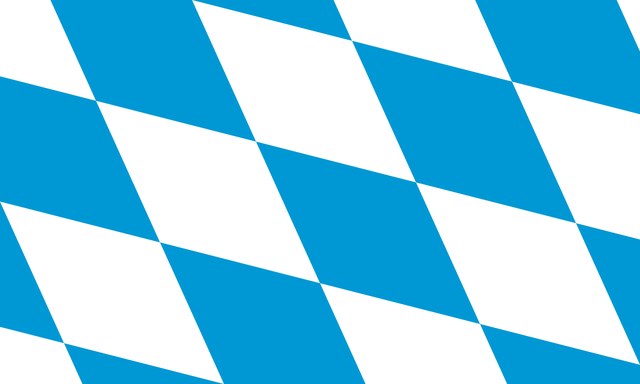
Bavaria

Bavaria
diese Datei: Jwnabd · Public domain

Southern German state · independent kingdom 1806–1871 · southern Germany

Bavaria is Germany's largest state by area, a Catholic region ruled by the Wittelsbach dynasty for seven centuries until 1918.

The kit

  • Rise — Bavaria became an independent kingdom in 1806 and remained so until German unification in 1871.
  • Conflicts — Bavaria's War of Succession, also called the "Potato War," began in 1777 after Maximilian Joseph's death and ended with the Treaty of Teschen.
  • Rulers — Bavaria's "Mad King" Ludwig II built Neuschwanstein Castle, patronized Richard Wagner, and drowned mysteriously near Lake Starnberg in 1886.
  • Legacy — Bavaria was the only state to protest signing the 1949 Basic Law establishing West Germany, though it agreed to follow it.

Runs with

Munich
Munich served as Bavaria's capital open card →
Germany
Bavaria is Germany's largest state by area open card →
Joseph IISaint Stephen I of Hungary

The ladder · 15 clues

H

A succession war named for this area began on the death of Maximilian Joseph in 1777 and was also known as the "potato war." Motifs from Wagner (pr.

H

After being denied membership from this state’s Thule Society, Anton Arco-Valley assassinated Kurt Eisner, a leader of this state’s Soviet Republic. Ashkenazi Jews were targeted during the 1819 Hep-Hep riots in this state.

H

This region’s ruler once perished mysteriously on a walk near Lake Starnberg, leaving his palace Herrenchiemsee incomplete.

H

Nuremberg is the largest city in the northern part of this largest state of Germany by area.

H

The Merovingian kingdom extended as far east as what is today this largely Catholic German state, an independent kingdom from 1806 to 1871, whose largest city is Munich.

H

A war over the electorate that ruled this region was ended by the Treaty of Teschen.

H

Hundreds of this region’s peasants were killed on Christmas 1705 in the Sendling night of murder.

M

The Wittelsbach kings were rulers from this region, which faced a “Potato War” that is also known as this region’s war of succession.

M

Three kings named Maximilian from the House of Wittelsbach ruled this region.

M

The Landshut War of Succession was fought between rival duchies in this location, which was officially neutral in the Schmalkaldic War.

M

Region of southern Germany in which Kurt Eisner established a Bolshevik state centered on Munich.

M

One king of this state, ruled by the Wittelsbachs, was declared mad due to his artistic patronage, including supporting Richard Wagner and building Neuscwhanstein [noysh-von-shtein] Castle.

E

A Wagner-loving ruler of this kingdom built Neuschwanstein [NOYSH-van-stein] Castle. name this kingdom that “Mad King” Ludwig II ruled from Munich.

E

Its “Mad King,” Ludwig II, built Neuschwanstein [noysh-van-stein] castle in this region and allied with Austria against Prussia. name this southern region of Germany, governed from Munich.

E

The 1918 Anif declaration ended seven centuries of Wittelsbach rule over this German state that saw “Mad King” Ludwig II’s rule from its capital at Munich.

10 more clues from the record
H

The monarchy in this region was replaced by a republic after the Anif declaration.

H

The ceding of lands held by Charles Theodore, a ruler of this region, led to this region's namesake war of succession.

H

A king of this place built the castle of Neuschwanstein and patronized Richard Wagner.

H

To prevent a coup against a ruler of this region, Esperanza de Saráchaga attacked the conspirators with an umbrella.

H

This polity was governed by Luitpold after one leader who was treated by Dr. Gudden mysteriously drowned.

H

According to Amos Elon, pogroms beginning in this kingdom inspired an Eduard Gans-led movement that aimed to normalize Judaism in German culture, Wissenschaft des Judentums; those pogroms were the Hep-Hep riots.

H

People from this kingdom dominated the early army and regency of the Greek King Otto I, whose father ruled this kingdom until he abdicated after riots triggered by Lola Montez’s perceived influence on his cabinet.

H

Southern German Free State whose city of Munich adopted the first beer purity laws in the 16th century.

H

This state was the only one to protest the signing the 1949 Basic Law, but agreed to follow it anyway.

H

The Treaty of Teschen resolved an 18th century war over succession in this kingdom that was nicknamed the Potato War.
Watch out: Confused with other German states or Austrian regions due to shared Catholic culture and Habsburg conflicts
#113 · Subnational Regions, Provinces, and Territories · Level 1

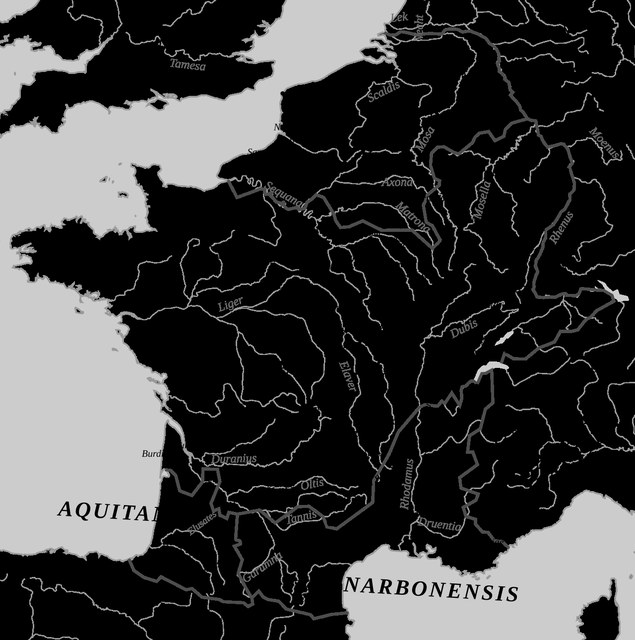
Gaul

Gaul
Feitscherg · CC BY-SA 3.0

Ancient region of Western Europe · c. 390 BC–5th century AD · Modern France and surrounding areas

Gaul was an ancient region of Western Europe, mostly modern France, conquered by Julius Caesar in the 50s BC.

The kit

  • Geography — Gaul was famously described as divided into three parts in Caesar's commentaries on his conquest campaigns.
  • Roman conquest — Gaul saw Julius Caesar defeat Vercingetorix at the Siege of Alesia using circumvallation and contravallation fortifications in 52 BC.
  • Earlier conflicts — Gaul was home to Brennus, who led forces to victory at the Allia River and sacked Rome in 390 BC.
  • Later history — Gaul became the site of the breakaway Gallic Empire under Postumus in the third century AD, eventually suppressed by Aurelian.

Runs with

Julius Caesar
conquered Gaul in the 50s BC, defeating Vercingetorix at Alesia open card →
France
Gaul comprised most of modern France open card →
Rome
sacked by Brennus from Gaul in 390 BC; later conquered the region open card →
Clovis I

The ladder · 15 clues

H

The rebellious governor Postumus created a breakaway empire named for this region that was eventually suppressed by Aurelian.

H

During a conflict in this region, one commander was baited into aiding the Aedui and was promptly defeated at the battle of Gergovia.

H

Ambiorix led a rebellion during a war in this region, which contained administrative centers at Narbo Martius and Lugdunum.

H

It was said to be divided into three parts in a set of commentaries.

H

Julius Caesar defeated Vercinegetorix in this region of Europe, now southern France.

H

A text about this region that describes the wicker-man sacrifice begins by noting its division into three parts.

H

Vercingetorix attempted to push Julius Caesar’s forces out of this region, an ancient territory of Western Europe now mostly located in France.

M

Vercingetorix was defeated at Alesia in this region, the subject of a set of commentaries by Julius Caesar.

M

Brennus led people from this region to victory against Rome at the Allia River before sacking the city in 390 BC.

M

A general won a battle in this region by constructing both a circumvallation and a contravallation and fighting from in between the two.

M

conquered by Julius Caesar in a series of namesake wars in the 50s BC?

M

The Arverni’s resistance in this region broke after an enemy used the tactics of circumvallation and contravallation at the siege of Alesia.

E

The Battle of Alesia was fought in this region where Vercingetorix clashed with Julius Caesar. name this region which composes much of Modern France.

E

This region was divided into Cisalpine and Transalpine sectors and was conquered by Julius Caesar in 50 BC.

E

This region was the site of a battle where circumvallation was used to starve out the defenders of Alesia.

10 more clues from the record
H

This region is the subject of a work that notes it is “as a whole divided into three parts.” During the siege of a Mandubii city in this region, one commander ordered the construction of a walls to complete a circumvallation.

H

A war in this region was ended at the Siege of Alesia when the Romans captured the Avernian chief Vercingetorix [ver-sin-GET-oh-ricks].

H

In a 52 BC battle in this region, the attacking side built a wall around a besieged town, then built another wall around themselves.

H

This region was the site of Ambriox’s revolt in which the Romans were told an army was about to cross the Rhine.

H

In this region, contravallation and circumvallation fortifications were built around a city held by Commius.

H

In the third century BC, a group of people from this region settled in the Anatolian region of Galatia.

H

In this region, the Battle of Gergovia allowed some natives to keep their independence.

H

This province was home to the last Roman rump state, the Kingdom of Soissons.

H

One account told of this region’s practice of burning a large effigy with people inside, known as the “wicker man.” Ariovistus was a warchief in this province, where the Aedui revolted shortly before the siege of Gergovia.

H

A group of people in what would become this province led by Brennus probably threw the Gold of Tolosa into lakes because they thought it was cursed. This province included modern-day France.

Watch out: Galatia (Anatolian region settled by people from Gaul in third century BC)
#119 · Subnational Regions, Provinces, and Territories · Level 1

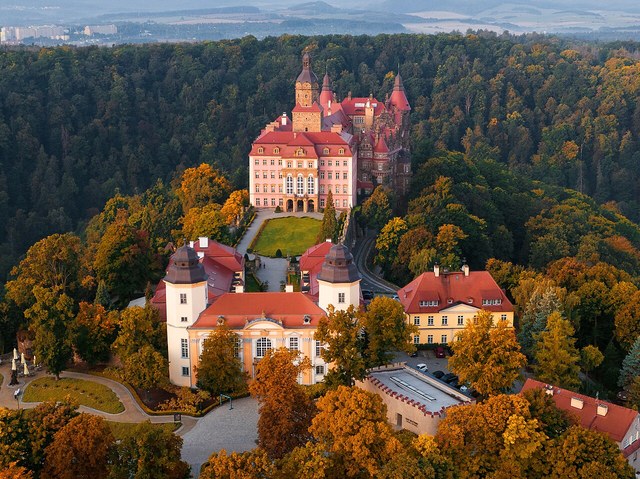
Silesia

Silesia
Lukaszmalkiewicz.pl · CC BY-SA 4.0

Central European region · medieval to modern · modern Poland, Czech Republic, Germany

Silesia was a mineral-rich Central European region whose 1740 Prussian invasion by Frederick the Great triggered the War of the Austrian Succession.

The kit

  • Medieval rule — Silesia was controlled by the Piast Dynasty as a duchy and passed from Bohemia to Poland to Hungary by 1469.
  • Prussian conquest — Silesia was invaded by Frederick the Great in 1740, violating the Pragmatic Sanction and sparking the War of the Austrian Succession against Maria Theresa.
  • Prussian retention — Silesia's control was established by Prussia at the Battle of Leuthen during the Seven Years' War after Maria Theresa failed to recapture it.
  • 20th-century partition — Silesia was awarded to Poland after Wojciech Korfanty's 1921 uprising culminating at the Battle of Annaberg, with its capital Breslau renamed Wrocław.

Runs with

Frederick the Great
War of the Austrian Succession
began with Frederick's 1740 invasion of Silesia open card →
Maria Theresa
lost Silesia to Frederick despite attempts to recapture it open card →
Prussia
seized Silesia from Austria in 1740s, retained it through Seven Years' War open card →

The ladder · 15 clues

H

Frederick the Great's 1740 occupation of this region triggered the War of the Austrian Succession.

H

The East Operation Group formed during one conflict in this region that included the Battle of Annaberg.

H

Wojciech [[VOH-chek]] Korfanty led an uprising in this region which culminated in the Battle of Annaberg against the Freikorps of the Weimar Government.

H

Mojmir I established the Great Moravian Empire in this region, and after a conflict in this region, the Duke of Brunswick surrendered Breslau to Charles of Lorraine.

H

Wilhelm von Bruddenbrock’s cavalry was routed at the Battle of Chotusitz during a subconflict named for this region, which also included the Battle of Mollwitz.

H

saw what productive province of her realm invaded by Frederick the Great, sparking the aforementioned war?

H

Though it is not Transylvania, a voivoideship in this region was granted control of Teschen and Ratibor in the 1920s.

M

The War of the Austrian Succession began with King Frederick II of Prussia’s invasion of this region, violating the Pragmatic Sanction.

M

A conflict ended by the Treaty of Aix-la-Chapelle began after this region was invaded by Frederick the Great. name this region at the center of the War of the Austrian Succession.

M

The Pragmatic Sanction failed to prevent an invasion of this mineral rich region, contested by Maria Theresa and Frederick the Great.

M

The Treaty of Versailles stipulated that the inhabitants of the Upper part of this region had to hold a plebiscite, involving an invasion of the southeastern Cieszyn (SEE-zin) subregion before being resolved by the Spa Conference.

M

FTP, identify this European territory famously ceded by Maria Theresa to Frederick II of Prussia.

M

This region’s capital was the city of Breslau, now known as Wrocław .

E

Frederick won this mineral rich Austrian province in the war. Nowadays, it is split between Poland, the Czech Republic, and Germany.

E

This region was awarded to Poland after an uprising in 1921, which changed this region’s capital’s name from Breslau to Wroclaw.

10 more clues from the record
H

German miners expelled from this region were relocated to the Ruhr Valley by the West German government.

H

Germans were expelled from this region after World War II, when it was awarded to Poland.

H

The Prussian victory at the Battle of Leuthen [LOY-tun] established control over this region during the Seven Years’ War. :Name this rich mining region won by Prussia during the War of the Austrian Succession.

H

This region was first inhabited by the Lygii and the Silingii, and Frederick Barbarossa appointed its first dukes, Boleslaw the Long and Henry the Bearded, who defeated the Tatars at Wahlstatt in 1241.

H

The most famous ruling family of this region were the Piasts, who somehow managed to retain rule as this area passed from Bohemia to Poland and then to Hungary in 1469.

H

Many of Maria Theresa’s troubles started in this affluent Bohemian province, which was invaded by Prussia at the start of the War of the Austrian Succession. She failed to recapture it in the Seven Years War.

H

This region, whose large cities include Katowice and Ostrava, was, by 990 CE, under the control of a nation that would control it until it became a duchy under a the Piast Dynasty.

H

The Auschwitz concentration camp was located in the upper part of this historical region, which was split between Germany and Poland following an inconclusive 1921 plebiscite.

H

A duke of this region called Henry II the Pious was killed in a battle fought against invading Mongols at Legnica (leg-NIT-zuh).

H

During one uprising in this region, a group called the “Werewolves” under Peter von Heydebreck (high-duh-BRECK) captured the Annaberg.

Watch out: Transylvania (also a mineral-rich region contested by European powers)
#120 · Subnational Regions, Provinces, and Territories · Level 1

Normandy

Normandy
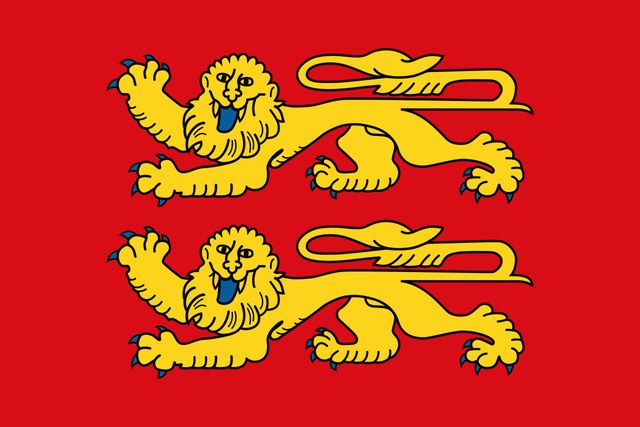
Saebhiar · Public domain

Region of northern France · granted to Vikings 911; major role 1066, 1944 · northern France, east of Brittany

Normandy is a region of northern France granted to Viking leader Rollo in 911 and later ruled by William the Conqueror.

The kit

  • Viking origins — Normandy was granted to Viking leader Rollo by Charles the Simple in the Treaty of Saint-Clair-sur-Epte to deter further raids.
  • Medieval power — Normandy was ruled as a duchy from Rouen and became the base for William the Conqueror's 1066 invasion of England.
  • Norman expansion — Normandy produced adventurers like the Hauteville family who conquered Sicily and William Iron-Arm who fought in southern Italy.
  • D-Day invasion — Normandy was the site of the Allied D-Day landings in 1944, chosen despite being farther than Pas-de-Calais.

Runs with

France
northern region granted away by Charles the Simple, later reclaimed by Philip II Augustus open card →
William the Conqueror
Duke of Normandy who launched 1066 invasion of England from this region open card →
D-Day
Allied amphibious landings occurred on five beaches in this region in 1944 open card →
Vikings
granted to Viking Rollo after raids; became Christianized under his rule open card →

The ladder · 15 clues

H

In 1066, a force from this region invaded England. name this region of north France that William the Conqueror came from.

H

French region where the Allies landed on D-Day.

H

During the Middle Ages it was ruled by Richard the Fearless, who was held captive as a child by Louis IV, but escaped and later introduced feudalism to it.

H

Men from this region led by the Hauteville family took over the dukedom of Sicily.

H

The region of France that contains all five invasion beaches?

H

Duchy, once led by William the Conqueror, that Louis the Sixth tried to recover from England.

H

A woman named Emma hailed from this region and married Ethelred the Unready.

M

Royal control over this region ended during the Treaty of Saint-Clair-Sur-Epte, which granted Rollo this region after the Vikings promised not to attack more villages.

M

Charles the Simple of France granted this region to the Viking Rollo to deter further incursions.

M

This region was ruled from Rouen. :Name this Duchy that became Christian under Rollo. It became part of northern France under Philip II Augustus.

M

Roger II, the nephew of Robert Guiscard who established the Kingdom of Sicily, came from this region of France, as did William the Conqueror.

M

William Iron-Arm and Drogo were half-brothers of an adventurer from this region who fathered Bohemond of Taranto.

E

Region of northern France where the D-Day landings occurred.

E

Viking-settled region of northern France ruled by William the Conqueror.

E

A duke of this region wed Matilda of Flanders and launched an invasion that culminated in the 1066 Battle of Hastings and conquest of Anglo-Saxon England. name this region of north France, the home of William the Conqueror.

10 more clues from the record
H

Charles the Simple granted this region as a namesake duchy to the Viking Rollo.

H

The departments of Seine-Maritime and Eure form the upper portion of what French region this was given in the Treaty of Saint-Claire-sur-Epte to the first duke of this region, Rollo.

H

To support an invasion of this region, underwater pipeline was laid in Operation Pluto and deception measures were taken in Operations Quicksilver and Fortitude South.

H

William Iron Arm travelled from this region to South-Central Italy to fight the Lombards and eventually captured the city of Amalfi.

H

Coastal region of France east of Brittany where motte-and-bailey castles were first developed.

H

This region is the subject of a myth where Robert the Devil discovers he is Satan’s son.

H

A duchy of this name was ruled by a monarch nicknamed “Longsword” and founded by his father, Rollo.

H

Allied soldiers were often unable to maneuver due to hedgerows in this region.

H

This region was considered an unlikely target because the Pas-de-Calais was closer.

H

This region was relinquished by Henry III in the 1259 Treaty of Paris.

Watch out: Pas-de-Calais (closer to England but Normandy was chosen for D-Day)
#121 · Subnational Regions, Provinces, and Territories · Level 1

Republic of Genoa

Republic of Genoa
See i b File history /b /i below for details. · Public domain

Italian maritime republic · 11th–18th centuries · Ligurian coast, northwest Italy

The Republic of Genoa was a powerful Italian maritime republic that rivaled Venice for Mediterranean trade dominance and established Black Sea colonies including Caffa.

The kit

  • Rise — The Republic of Genoa signed the Treaty of Nymphaeum with Michael VIII Palaeologus in 1261, gaining Byzantine trade concessions for fifty ships.
  • Conflicts — The Republic of Genoa defeated Pisa at the Battle of Meloria but later lost the War of Chioggia to Venice.
  • Colonies — The Republic of Genoa controlled Caffa on the Black Sea, where Jani Beg's army launched plague-infected corpses, introducing the Black Death to Europe.
  • Legacy — The Republic of Genoa was the birthplace of Christopher Columbus and lent its name to blue jean cloth worn by sailors.

Runs with

Venice
fought and lost the War of Chioggia to Venice open card →
Bank
founded the Bank of Saint George to consolidate war debts open card →
Corsica
Christopher Columbus
birthplace of explorer Christopher Columbus open card →

The ladder · 15 clues

H

The Bank of Saint George consolidated war debts incurred by this city following the War of Chioggia.

H

Enrico Dandolo hailed from Venice this fought the War of Chioggia with what rival Italian port city, the home of Andrea Dorea.

H

It’s not in the Latin Empire, but this city signed with Michael VIII Palaeologus the 1261 Treaty of Nymphaeum, and it won decisively at the Battle of Meloria.

H

The Fieschi family led a conspiracy against one military leader from this city that ended in the murder of thathat leader’s nephew.

H

A 1930 opera based on a man born in this city had a libretto written by Paul Claudel.

H

In 935, the Fatimid Caliphate’s navy sacked this city, whose leaders included a First Crusade member with the sobriquet “mallet head.” The Bank of Saint George was founded in this city, which helped France win the Barbary Crusade against Mahdia.

H

This city briefly captured the Tower of the Flies to gain control of Acre harbor during the War of Saint Sabas.

M

Italian republic given the city of Caffa by the Golden Horde.

M

Jani Beg instructed his army to launch infected corpses into Caffa, one of this city’s Black Sea colonies, introducing the Black Death to Europe.

M

Mercantile republic, the birthplace of Christopher Columbus.

M

That Verdi opera is named for the first doge of this city, Simon Boccanegra.

M

Benedetto Zaccaria helped this city defeat Pisa at the Battle of Meloria, but it later lost the War of Chioggia to a different rival.

E

This Ligurian city’s fleet was led at the Battle of Lepanto by Andrea Doria. name this city on the northwest coast of Italy, the birthplace of explorer Christopher Columbus.

E

Christopher Columbus hailed from this maritime Italian rival of Venice.

E

A consul of this city founded the current ruling family of Monaco, the House of Grimaldi. name this Ligurian city that was the birthplace of Christopher Columbus.

10 more clues from the record
H

Its Black Sea colony of Caffa may have been the starting point of the Black Plague, and it later lost much of its maritime power in the War of Chioggia [key-oh-jee-ah].

H

At the Battle of Crecy, rain ruined the crossbow strings of mercenaries from this city.

H

This city's Jewish Ghisolfi family helped found the Bank of St. George, which was granted control over colonies in Gazaria and the Taman Peninsula.

H

It’s not Rome, but one leader of this city, who took the title of “perpetual censor,” reformed its constitution to create the alberghi.

H

After this city won the Battle of Curzola, Marco Polo was kept as a prisoner of this city.

H

Michael VIII [[the eighth]] signed the Treaty of Nymphaeum [[nim-FAY-um]] with this polity, allowing trade concessions within the Byzantine Empire in exchange for fifty ships to push his claim to the throne.

H

This city almost ended an Aragonese invasion after winning the Battle of Ponza to lift the siege of Gaeta.

H

After this city soundly defeated an opposing fleet at Curzola, the opposing admiral, Andrea Dandolo, committed suicide.

H

Another historical opera by Verdi, Simon Boccanegra, focused on a Doge of what city-state?

H

Sailors often wore “Blue Jean” cloth from this city, which lost the War of Chioggia.

Watch out: Venice (rival Italian maritime republic that defeated Genoa in the War of Chioggia)
#123 · Subnational Regions, Provinces, and Territories · Level 1

Kingdom of Bohemia

Kingdom of Bohemia
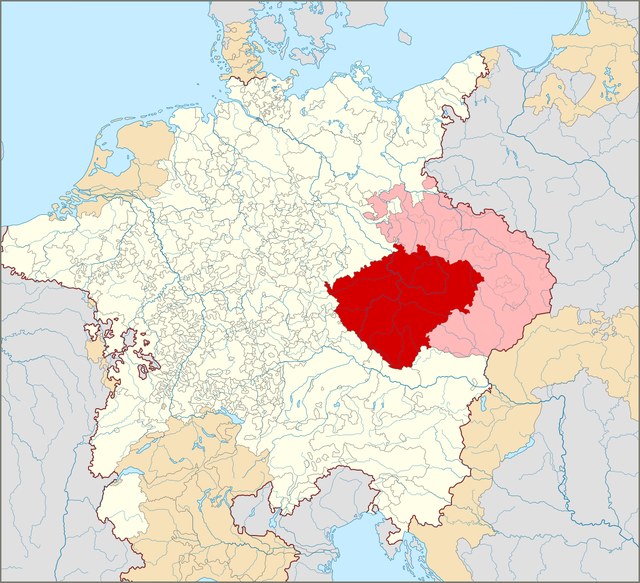
Sir Iain /a span typeof="mw:File" img src="https://upload.wi · CC BY-SA 4.0

Central European kingdom · c. 1198–1918 · modern Czech Republic

Kingdom of Bohemia was a Central European state ruled by the Přemyslid and Luxembourg dynasties with its capital at Prague.

The kit

  • Rise — Kingdom of Bohemia grew from Great Moravia territory and converted to Christianity under the Přemyslid Dynasty, recognized by the Golden Bull of Sicily for Ottokar I.
  • Achievements — Kingdom of Bohemia provided the Habsburgs with silver from Kutná Hora and was the only kingdom among Holy Roman Empire electors.
  • Conflicts — Kingdom of Bohemia's Protestant revolt began with the Second Defenestration of Prague in 1618, sparking the Thirty Years' War and ending at White Mountain.
  • Legacy — Kingdom of Bohemia entered personal union with Austria in 1526 after the Luxembourg dynasty replaced the Přemyslids in 1306.

Runs with

Prague
capital city and site of defenestrations open card →
Roman Emperor
Bohemian kings were Holy Roman electors open card →
Silver
mined at Kutná Hora for Habsburgs open card →
Charles

The ladder · 15 clues

H

This kingdom’s “Iron and Golden King” lost this kingdom’s Adriatic coastline and his life in the Battle of Marchfeld.

H

A revolt in this region began after fears it would lose the toleration granted to it in the “Letter of Majesty” of Rudolf II; that revolt featured an early capture of Pilsen by the forces of Ernst von Mansfeld.

H

Agnes, a queen of this kingdom, founded the religious order Knights of the Red Cross with the Red Star.

H

This region’s Premyslid dynasty was replaced by the House of Luxembourg in 1306.

H

The House of Luxembourg ruled this kingdom under the Blind King John, who died at the Battle of Crecy.

H

The Golden Bull of Sicily recognized Ottokar I as king of this kingdom’s Premyslid Dynasty.

H

A “Treaty on the Establishment of Peace throughout Christendom” was penned by a ruler of this region named George of Poděbrady .

M

Two Austrian agents were tossed out a window in this kingdom in an event that began the Thirty Years’ War. name this kingdom in the modern-day Czech Republic.

M

A revolt by Protestants in this state started the Thirty Years War. name this monarchical Central European state whose capital was Prague.

M

Rebels in this kingdom were inspired by the teachings of Jan Hus.

M

The king of Hungary and Croatia, Sigismund, forced a ruler of this kingdom, Wenceslaus IV, to abdicate as Holy Roman Emperor to expand his own influence.

M

The Council of Constance condemned a heretic movement in this state led by Jan Hus.

E

Frederick V lost the Battle of White Mountain in this region, where a Second Defenestration in its capital sparked the Thirty Years War.

E

A ruler of this region, Frederick the Winter King, was defeated by Count Tilly at the Battle of White Mountain near its capital, which was earlier the site of an incident in which 2 Catholic ambassadors were tossed out of a window. name this Czech region whose capital is Prague.

E

The execution of a preacher at the Council of Constance led to the namesake Hussite Wars in this region. name this central European region that makes up most of the Czech Republic.

10 more clues from the record
H

27 leaders of one revolt named for this historic region were executed in the Old Town Square of its capital. :Name this historic region in which Protestants revolted against Holy Roman Emperor Ferdinand II in 1618. That revolt began after two of the emperor’s representatives were defenestrated in this historic region’s capital.

H

This region’s Catholic nobles formed the Union of Green Mountain to contest George Podebrad’s claim to this region’s kingdom, which he contested with Hungarian King Matthias Corvinus.

H

The city of Konigsberg was named in honor of a ruler from this region, Ottokar II, who led this region to complete defeat at the hands of Rudolf I at the Battle on the Marchfeld.

H

Its ruler was the only king among the electors of the Holy Roman Empire, and it often served as the site of the Empire’s capital city.

H

After the end of the Premyslid line, Charles IV rebuilt the Hradcany district surrounding a massive castle in this kingdom’s capital city.

H

Kingdom that provided the Habsburgs with silver from the town of Kutná Hora. It came under a personal union with Austria in 1526.

H

This state grew out of the territory of Great Moravia and was first ruled by the P˘remyslid Dynasty.

H

An uprising in this kingdom was led by generals including Prokop the Shaven and John the One-Eyed.

H

This kingdom, which converted to Christianity under the Premyslid Dynasty, was defeated at the Battle of White Mountain.

H

That king, Ottokar II, is buriedFwith many other kings of this region in St. Vitus Cathedral.

Watch out: Frederick V (Winter King) ruled Bohemia briefly, not Frederick II of Prussia
#126 · Subnational Regions, Provinces, and Territories · Level 1

Alsace-Lorraine

Alsace-Lorraine
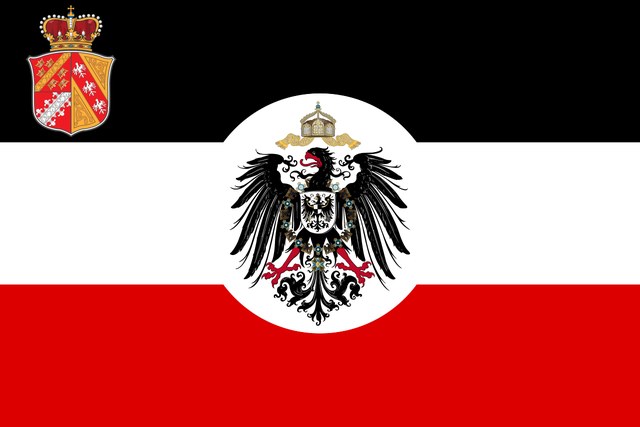
Drawing created by David Liuzzo · Attribution

Disputed border region · annexed 1871, returned 1919 · France-Germany border, Rhine

Alsace-Lorraine was a border region annexed by Germany after the Franco-Prussian War and returned to France after World War I.

The kit

  • Geography — Alsace-Lorraine contained 80 percent of France's iron ore deposits and included cities like Strasbourg, Nancy, Metz, and Colmar.
  • Franco-Prussian War — Alsace-Lorraine was ceded to Germany under the Treaty of Frankfurt, with residents given one year to relocate to France.
  • German rule — Alsace-Lorraine saw the Zabern Affair protests against Prussian military authority, leading to Theobald von Bethmann-Hollweg's censure.
  • Legacy — Alsace-Lorraine became the focus of French revanchism, championed by populist Georges Boulanger, and was reclaimed at Versailles in 1919.

Runs with

Franco-Prussian War
ceded to Germany after this war under Treaty of Frankfurt open card →
France
lost region in 1871, regained it at Versailles in 1919 open card →
Germany
annexed region in 1871, held until World War I open card →
Otto von Bismarck

The ladder · 15 clues

H

A brief republic was declared in this region following its transfer after World War I by the Soviet of Strasbourg. name this region named for two French provinces on the Rhine, annexed by Germany after the Franco-Prussian War.

H

Insults aimed at inhabitants of this region led to protests against the military known as the Zabern Affair, which caused the resignation of Theobald von Bethmann-Hollweg.

H

This territory was home to the southernmost Franconian dialects but also included a Romance speaking zone around Metz.

H

Men from this region conscripted into the German Army became known as malgré-nous.

H

The territory formed from two border regions that was annexed by Germany from its western neighbor?

H

Otto removed Conrad the Red as duke of this region.

H

It was divided into western and eastern sections by the Treaty of Meerssen, and it was split for good into Upper and Lower portions after the death of Bruno the Great. :Name this territory oft-disputed between East and West Francia, ruled first as a kingdom by a namesake grandson of Louis the Pius, and later ruled as a duchy.

M

Nancy was the capital of this region, which would become paired with Alsace after the Franco-Prussian war.

M

The eldest son of Louis the Pious claimed this region between France and Germany as part of the Treaty of Verdun.

M

The city of Colmar was once part of this region which lay west of Baden-Württemberg.

M

“Revanchism” was termed due to French desire to take back this region.

M

This other house intermarried into the Habsburg line after the Pragmatic Sanction in 1713, when Maria Theresa married Francis of this house, and other members governed Parma, Tuscany, and even Mexico under a Maximillian.

M

Most of France’s iron deposits were located in this region, which names the cross used as a symbol by the Free French. A duke of this region became Holy Roman Emperor after marrying the subject of the Pragmatic Sanction.

M

This French région borders the Saarland, and has traditionally been passed back and forth between Germany and France depending on who has won the most recent war between the two.

M

Bethmann Hollweg was censured while presiding over the Zabern Affair in this region. One and a half million residents of this region gained German citizenship under the Treaty of Frankfurt.

9 more clues from the record
H

The northern part of Middle Francia was split into upper and lower duchies with this name in 959. Annexed by France in 1766, it, together with much of Alsace, was partially re-annexed by Germany after the Franco-Prussian War.

H

At the time of their transfer, these two territories contained 80 percent of France's known iron ore deposits. :Name these two territories that France ceded to the Germans after its defeat in the Franco-Prussian War.

H

The War of Polish Succession ended in Stanislaw Leszcynski gaining this territory in exchange for French support of the Pragmatic Sanction. Following Leszcynski’s death, this territory with capital at Nancy became French.

H

World War I ended with many land exchanges. :At the Treaty of Versailles, France took back this territory along the border with Germany. Its capital is Strasbourg.

H

Residents of these two regions were given a year to move to France under the Treaty of Frankfurt. :Name these two territories that were taken from France following the Franco-Prussian War.

H

The Zabern affair in this region in 1913 occurred when two regiments of Prussian soldiers arbitrarily put it under martial law.

H

The flag of this region is known as the Rot un Wiss and dates back to the 11th-century rule of Duke Gerard the Wonderful.

H

The revanchist cause for this territory was the key issue for populist leader Georges Boulanger.

M

Nancy and Metz are located in what region, part of which was lost to Germany along with Alsace?

Watch out: Lorraine alone (Nancy was capital of Lorraine before it was paired with Alsace)
#1943 · Subnational Regions, Provinces, and Territories · Level 3

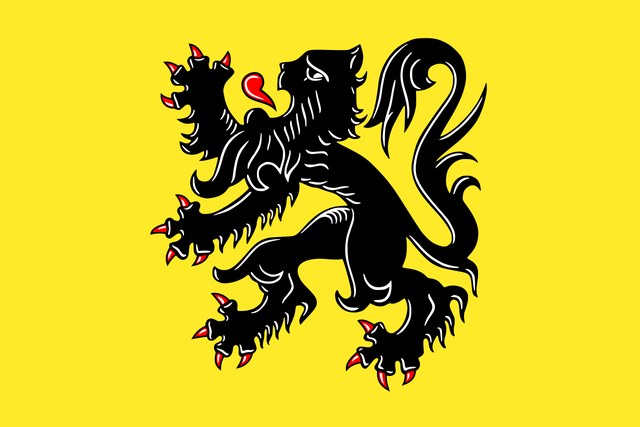
Flanders

Flanders
Tom Lemmens · CC0

Belgian region · medieval to present · northern Belgium

Flanders is the Dutch-speaking northern region of Belgium that became wealthy through medieval wool manufacturing and trade with England.

The kit

  • Rise — Flanders was first ruled by Baldwin Iron Arm, granted the territory by Charles the Bald after marrying his daughter Judith.
  • Achievements — Flanders became the hub of European wool manufacturing by importing high-quality British wool and producing cloth in wealthy towns like Bruges and Ghent.
  • Conflicts — Flanders defeated Philip IV's forces at the Battle of the Golden Spurs, asserting its independence from France in the early 14th century.
  • Legacy — Flanders combines with Wallonia to form Belgium, and its World War One fields are commemorated in poetry and the Pilgrimage of the Yser.

Runs with

Wool
imported British wool for cloth production open card →
Belgium
forms northern Dutch-speaking half of country open card →
Philip
defeated his forces at Golden Spurs open card →
William the Conqueror

The ladder · 6 clues

H

This region raised a peasant army that defeated Philip IV's forces at the Battle of the Golden Spurs.

H

It asserted its independence from France by winning the Battle of the Golden Spurs.

M

The largest population of Belgium resides in this Dutch-speaking northern region of the country, and a poem from World War One is titled after this region’s fields.

M

Belgian region, the hub of European wool manufacturing due to its ability to import high quality British wool.

E

This region is located north of Wallonia. name this region that occupies the northern half of Belgium where Dutch is spoken.

E

During the Spanish Fury, thousands of civilians in this region were killed in the city of Antwerp.

10 more clues from the record
H

The first count of this region was Baldwin Iron Arm, who was granted this territory by Charles the Bald.

H

A count from this region was killed by the Erembald family while praying. This region contains the cities of Bruges and Antwerp and combines with Wallonia to form a country.

H

The legal status of this region’s language was established by the Equality Law, and the Pilgrimage of the Yser commemorates soldiers from this region who died in World War I. This region contains the exclaves of Baarle-Hertog and Voeren, and this cloth-producing region profited from the wool trade with nearby England.

H

Alongside with neighboring Brabant and Hainaut, this region forced Mary of Burgundy to sign the Great Privilege.

H

This territory passed to Burgundian control after the marriage of Margaret of Dampierre to Philip the Bold.

H

An administrator of this region married Judith, the daughter of Charles II, and was known as “Iron-Arm.” Rival factions called the Leliaerts and the Clauwaerts dominated the social milieu of this region, which signed the Treaty of Athis-sur-Orge and ceded Orchies and Douai after a disastrous loss to France.

H

In 1127, Louis VI of France plotted for the leadership of this region to pass to William Clito, who quickly died of a gangrenous wound, after the previous ruler of this region, Charles the Good, was hacked to death in the church of St. Donatian.

H

During the French Revolutionary Wars, this region lent its name to a campaign that included the Battle of Caesar’s Camp. :Name this region that gives its name to a 1792 to 1795 campaign during the War of the First Coalition. This region’s port of Bruges historically traded wool with England.

H

Philip IV sent Robert II of Artois to subdue this region in an expedition that lost the Battle of the Golden Spurs. In the Middle Ages, the wool industry made this region’s towns of Bruges and Leuven wealthy.

H

This region’s wool trade with England led to its rising cloth industry, as witnessed in towns such as Ghent and Bruges. Its name was eventually applied to the Dutch-speaking portion of Belgium.

Watch out: Wallonia (the French-speaking southern region of Belgium, often confused with Flanders)