The 1648 Codex · study package

Modern Countries — South America

10 terms drawn from across the corpus, in study-list order. Art and cross-links point back to the home category cards.

#42 · Modern Countries · Level 1

Brazil

Brazil
Raimundo Teixeira Mendes · Public domain

South American country · independence 1822 · eastern South America

Brazil is the largest South American country, independent from Portugal since 1822, last Western nation to abolish slavery in 1888.

The kit

  • Independence — Brazil's independence was declared at the Cry of Ipiranga by its first emperor Pedro I in 1822.
  • Territorial expansion — Brazil acquired the rubber-tree-rich State of Acre from its neighbor through the Treaty of Petropolis.
  • Abolition — Brazil became the last Western Hemisphere nation to abolish slavery when Princess Isabel passed the Golden Law in 1888.
  • Modern development — Brazil tried to kickstart its economy under Juscelino Kubitschek's 'Fifty Years of Progress in Five' program.

Runs with

Portugal
gained independence from Portugal in 1822 open card →
Rio de Janeiro
capital until 1960, replaced by Brasilia open card →
Slavery
last to abolish in Western Hemisphere, 1888 open card →
Getúlio Vargas
led through WWII under Estado Novo regime open card →

The ladder · 15 clues

H

In the Treaty of Petropolis, this country acquired territory from its neighbor that would become the rubber-tree-rich State of Acre.

H

This country tried to kickstart its economy under the “Fifty Years of Progress in Five” program of Juscelino Kubitschek.

H

In 1888, this country’s Princess Imperial emancipated all of its slaves with the Golden Law.

H

The Duke of Caxias led this nation’s forces to victory over Paraguay in the War of the Triple Alliance.

H

Along with the US Fourth Corps, soldiers from this country were victorious at the Battle of Monte Castello, and a cemetery dedicated to soldiers from this country is in the Tuscan city of Pistoia.

H

The Rua Tuonelero incident led to the suicide of one president of this country.

H

This empire fought the Cisplatine War over the status of the Banda Oriental [or-ee-en-TALL], and it decisively defeated Francisco Solano Lopez in the War of the Triple Alliance.

M

Slavery in this country was abolished in the 1888 Golden Law. name this South American country ruled by the Emperor Pedro II.

M

A European-inspired Estado Novo period in this country marked the end of “coffee with milk” politics.

M

The first leader of this country gave the Cry of the Ipiranga, starting its war of independence.

M

Until 1960, Rio de Janeiro was the capital of this South American country.

M

This country’s independence was announced at the Cry of Ipiranga by its first emperor, Pedro I. name this South American country once led from Rio de Janeiro.

E

Uruguay and Argentina joined the War of the Triple Alliance against Paraguay after it declared war on this largest country in South America.

E

Led through World War Two under Getulio Vargas's Estado Novo regime this is this Allied South American power.

E

This country became the last in the Western Hemisphere to abolish slavery when its Princess Isabel passed the Golden Law.

10 more clues from the record
H

A ruler of this country declared independence through the Fico, or “I am Staying” speech.

H

After the Civil War, thousands of pro-slavery southerners founded the city of Americana in this country, where they became known as confederados.

H

The bandeirantes crossed the Tordesillas line and led settlement expeditions on behalf of this modern-day country. They added the Mato Grosso region, among others, to their homeland.

H

The Inconfidência Mineira resulted in a man named Tiradentes’s quartering in the Minas Gerais region in this nation.

H

A “conservative regression” dominated late 1830s politics in this country, where the Balaiada took place.

H

The Cry of Ipiranga declared this country’s independence from Portugal, and in 1960 it moved its capital from Rio de Janeiro. name this country whose modern capital is Brasilia.

H

The first ruler of this country fought the Confederation of the Equator and supposedly declared its independence with the Cry of Ipiranga.

H

A composer from this country who wrote a series of Chˆoros [SHO-roos] and took inspiration from Bach for his Bachianas was commissioned to write his Third Symphony, subtitled “War,” as a celebration of the Treaty of Versailles.

H

A religion that developed in this country exclusively uses oral tradition and syncretizes the Orishas of Yoruban belief with the vodun of West Africa. That faith of this country, Candomblé, is practiced by the povo de santo and incorporates aspects of Roman Catholicism, this country's majority religion.

H

Portuguese-speaking country, ruled by Pedro I, that claimed the Cisplatine Province, now Uruguay.
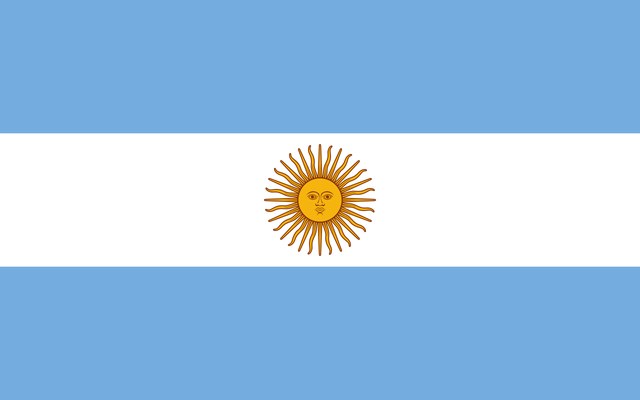
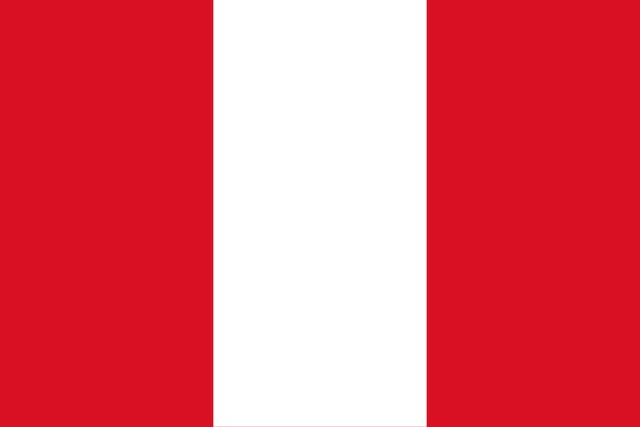
Watch out: Rio de Janeiro was Brazil's capital until 1960, not currently
#54 · Modern Countries · Level 1

Argentina

Argentina
Manuel Belgrano · Public domain

South American nation · independence 1816 · southern South America

Argentina is a South American nation ruled from Buenos Aires that experienced military dictatorship and state terrorism in the late twentieth century.

The kit

  • Independence — Argentina declared independence at the Congress of Tucuman following the May Revolution of 1810 after British invasions of its capital.
  • Expansion — Argentina carried out the Conquest of the Desert, which killed or displaced much of the indigenous population in its south.
  • Perón era — Argentina was led by Juan Perón, supported by the descamisados or 'shirtless ones,' whose wife Evita was extremely popular.
  • Dirty War — Argentina experienced the Dirty War in the 1970s-80s, when Jorge Videla's junta purged leftists and attacked students in the Night of the Pencils.

Runs with

Dirty War
period of state terrorism in the 1970s-80s under military junta open card →
Falklands War
fought war with Britain over these islands after Dirty War open card →
Juan Domingo Perón
president supported by descamisados, married to Eva Perón open card →
Falkland Islands
fought Britain over these islands in 1982 open card →

The ladder · 15 clues

H

In this country, Alberto Nisman was killed for investigating the 1994 bombing of a Jewish Community Center.

H

In this country, students were attacked in the Night of the Pencils during Jorge Videla’s presidency.

H

One leader of this country carried out the Conquest of the Desert, which killed or displaced much of the indigenous population in its south.

H

A dictator of this country was ousted after his defeat at the Battle of Caseros to Justo Urquizo, who in turn was defeated by Bartolomeo Mitre.

H

Left-wing Montoneros were killed at the Ezeiza Airport during a rally for a returning leader of this country who had been supported by the descamisados, or “shirtless ones.” In the 1970s and 80s, this country experienced a period of state terrorism called the Dirty War.

H

A military junta in this nation fought against the Montoneros and committed the Trelew [truh- LEW] massacre as part of its Process of National Reorganization, actions protested against by the mothers of the Plaza del Mayo.

H

One ruler of this country had a secret police force whose name meant “The Ear of Corn,” the Mazorkas.

M

Jorge Videla ordered a purge of leftist opponents in this country during the Dirty War.

M

The Dirty War took place in this country, formerly led by Juan Perón. This country fought a war with Britain over the Falkland Islands.

M

The 1973 Ezeiza Massacre was perpetrated against the Montoneros in this country.

M

Juan Perón was president of this South American country, where many Nazi war criminals were allowed to resettle.

M

This nation, along with Brazil and Uruguay, defeated Paraguay in the War of the Triple Alliance.

E

One leader attempted to run for office with his extremely popular wife Evita on the ticket. name this country where Juan Peron ruled from Buenos Aires.

E

Rival country to the south that opposed him from Buenos Aires across the Rio de la Plata.

E

After the death of ​ ​ that man’s wife, Eva, this country entered a period of state terrorism known as the “Dirty War” and fought the Falklands War with Great Britain. name this country whose president Juan Perón ruled from Buenos Aires.

10 more clues from the record
H

This nation’s May Revolution of 1810 came about after the 1806 and 1807 invasions of its capital, and its independence was declared at the Congress of Tucuman.

H

A French-born pirate who fought for this country captured Monterey, California for six days and was named Hippolyte Bouchard [[ee-poh-LEET boo- SHARD]].

H

Lewis Jones led a fleet of Welsh settlers to the southern region of this nation, founding a colony along the Chubut River that grew into the city of Puerto Madryn.

H

In this country’s win over England at the 1986 World Cup, the “Hand of God” scored one goal for Diego Maradona. name this country whose soccer team, led by Lionel Messi, placed second in the 2014 World Cup.

H

The Generation of ‘80 dominated this country’s government until the Saenz Pena Law guaranteed universal male suffrage.

H

One leader of this country, Justo Jose de Urquiza [[uhr-KEE-zah]] fought Manuel Oribe [[oh-REE-beh]] and beat Juan Manuel de Rosas at Caseros [[kah-SEH-rohs]].

H

This country experienced the Infamous Decade after the overthrow of Hipolito Yrigoyen.

H

After Hipólito Yrigoyen was ousted, this country was ruled by a political coalition known as the Concordancia during “the Infamous Decade”.

H

Members of this country’s military were absolved from prosecution by the Law of Due Obedience.

H

Mario Kempes led this country to a 1978 World Cup win as the host nation.

#60 · Modern Countries · Level 1

Peru

Peru
David Benbennick · Public domain

South American country · 1821–present (independence) · western South America, Pacific coast

Peru is a South American country that was home to the Incan Empire and earlier civilizations including Norte Chico and Chavín.

The kit

  • Ancient civilizations — Peru was home to the Norte Chico civilization at Caral, the Chavín culture with its Lanzón Stela, and the Nazca desert glyphs.
  • Incan period — Peru contained the Incan capital at Cuzco and Machu Picchu before Francisco Pizarro captured the ruler at Cajamarca.
  • War of the Pacific — Peru and Bolivia fought Chile in the War of the Pacific in the late 19th century.
  • Modern conflicts — Peru experienced the Shining Path insurgency led by Abimael Guzmán and hyperinflation before autocratic President Alberto Fujimori ended the crisis.

Runs with

Incan Empire
capital at Cuzco, conquered by Pizarro open card →
Nanda Empire
War of the Pacific
fought alongside Bolivia against Chile open card →
Pacific
located on Pacific coast open card →

The ladder · 15 clues

H

This country fought a month-long conflict with Ecuador in 1995 known as the Cenepa War.

H

The Norte Chico civilization lived in this modern day country, which built the city of Caral.

H

Luis Sánchez Cerro won a controversial 1931 presidential election over Víctor Haya de la Torre, the founder of this country’s leftist APRA party.

H

One group in this nation suffered after the capture of its leader Abimael Guzmán and conducted the Lucanamarca massacre in the province of Huanca Sancos.

H

That civilization often depicted a “Staff God,” which spread to other cultures from this country such as the Chavin [“cha-VEEN”].

H

Art featuring the spider-like “Decapitator God” was produced by a culture in this country that built Huaca del Sol.

H

An archaeological site in this country includes the intricately carved stone Lanzón Stela built by the Chavín people.

M

Abimael Guzman led the Shining Path guerrillas in this country, which fought against the presidency of Alberto Fujimori. name this South American country that was home to the Incan civilization.

M

This country where the Norte Chico civilization lived was also where a ruler was captured after throwing Friar Valverde’s Bible at Cajamarca. This country is the location of giant Nazca glyphs drawn in the desert sands.

M

This country and its neighbor Bolivia fought Chile in the War of the Pacific. name this South American country, the home of the Inca.

M

This country's Lucanamarca massacre was carried out by a Maoist group founded by Abimael Guzmán named Shining Path.

M

An anti-government faction in this country took over its Japanese embassy in 1996; that group, the MRTA, is named for an older revolutionary in this country, Tupac Amaru.

E

The Shining Path insurgency was concurrent with hyperinflation and a severe debt crisis in this country, ended by its autocratic President Alberto Fujimori.

E

The communist Shining Path guerrilla group fought in this country against president Alberto Fujimori.

E

The modern-day country with capital Lima that was home to the Incan empire?

10 more clues from the record
H

Alan García, a former president of this country, committed suicide in 2019 before he could be arrested for his involvement in the Odebrecht [[OH-duh-brekt]] scandal.

H

Jose Bustamante became president of this country with the assistance of the APRA.

H

One president of this country was known as “el Chino” despite being of Japanese origin.

H

One civilization from this modern-day country used shicra-bags to reinforce structures at Caral.

H

During this country’s rule by the Cambio 90 party, Vladimir Montesinos operated the SIN secret police.

H

That empire in this country had its capital at Cuzco and was conquered by Francisco Pizarro. name this modern-day country where the Incas built Machu Picchu.

H

The Band of Holes appears on a plateau in this country.

H

This country’s communist party was founded by Jose Mariategui.

H

In this country, controversy over an American oil company’s claims to the La Brea oil fields led to a military coup against president Fernando Belaúnde.

H

NOTE TO MODERATOR: “VRAEM” rhymes with “frame” A terrorist group in this country had its headquarters in a region called VRAEM and was temporarily led by Comrade Artemio.

Watch out: Confusing Peru with Bolivia as Chile's opponent in the War of the Pacific (both fought together against Chile)
#62 · Modern Countries · Level 1

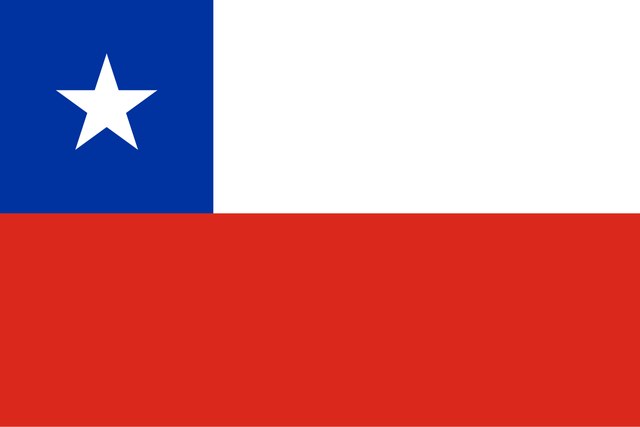
Chile

Chile
See i b file history /b /i below for details. · Public domain

South American nation · independence 1810–1818 · western South America, Pacific coast

Chile is a South American nation that gained independence under Bernardo O'Higgins and endured Augusto Pinochet's 1973–1990 dictatorship.

The kit

  • Independence — Chile's independence movement began in 1810 and was led by Bernardo O'Higgins, who fought alongside José de San Martín.
  • War of the Pacific — Chile expanded its coastal territory through the War of the Pacific fought against Peru and Bolivia.
  • Allende overthrow — Chile's democratically-elected Salvador Allende was overthrown in a 1973 coup by American-backed Augusto Pinochet at La Moneda Palace.
  • Pinochet dictatorship — Chile's DINA secret police executed dissidents in the Caravan of Death and assassinated Orlando Letelier in Washington DC.

Runs with

Mapuche
native Mapuche killed conquistador Pedro de Valdivia open card →
Pacific
expanded territory through War of the Pacific open card →
Augusto Pinochet
Pinochet led military dictatorship from 1973 open card →
Salvador Allende
Allende overthrown at La Moneda Palace in 1973 open card →

The ladder · 15 clues

H

The assassination of Orlando Letelier was accomplished in Washington DC, with US aid, by this country’s DINA secret police as part of Operation Condor.

H

This South American nation expanded its coastal territory through the “War of the Pacific,” which it fought against its neighbors Peru and Bolivia.

H

In this country, Gabriel Gonzales Videla outlawed Communism with the Ley Maldita.

H

The Battle of Chacabuco led to the independence of this modern-day country, where one of its early heads of state fought alongside Jose de San Martin.

H

Grove and fellow Marxists formed this nation's Partido Socialista, which was overthrown in 1973 after the seizure of Moneda [[moh-NEH-dah]] Palace.

H

In this country, Gui Bonsiepe designed an operations room in accordance with Gestalt psychology.

H

A leader of this country created a complex system of telex machines in Operation Cybersyn, a plan to aid his economic planning.

M

The DINA secret police operated in this country where the Caravan of Death executed political dissidents.

M

Augusto Pinochet [[pee-noh-SHEH]] took power in a 1973 coup in this South American nation.

M

During a coup d'état, a socialist leader of this country gave a defiant speech before committing suicide at the La Moneda Palace.

M

This country was led through a military dictatorship by Augusto Pinochet. name this South American country.

M

This country was the site of the Baltimore Crisis, in which two American sailors were stabbed after one of them spit on a photo of Arturo Prat.

E

In this country, the democratically-elected Salvador Allende [ah-YEHN-day] was overthrown by the American-backed Augusto Pinochet.

E

Augusto Pinochet led, what South American country led from Santiago.

E

Long live the workers!” This country was home to La Moneda Palace where Salvador Allende (pr. eye-­‐EN-­‐day) lived before being deposed by the military dictator Augusto Pinochet. name this skinny South American country which has seen relative political stability in its capital of Santiago over the past three decades.

10 more clues from the record
H

The Seguro Obrero Massacre took place in this country in response to an attempted 1938 National Socialist coup.

H

In this country, Project Fubelt led to the murder of Rene Schneider, while another general from this country, Carlos Prats, was assassinated with a car bomb.

H

Pedro de Valdivia was killed by native Mapuche in this country, which won a war caused by a tax on saltpeter mining.

H

Answer the following about South American independence movements, :This country’s independence movement from Spain was led by Bernardo O’Higgins.

H

Mariano de Osorio aided the colonial “reconquista” of this country for Spain following the Royalist victory at the Disaster of Rancagua.

H

European potatoes may also originate from an island governorate of this former Spanish colony. Amédée-François Frézier introduced Europe to the giant strawberries grown by this country’s cattle-raiding Mapuche people.

H

A dissident from this country, Orlando Letelier, was killed by a car bomb in Washington D.C. A leader of this country was supported by the Schneider Doctrine and was the subject of the CIA's Project Fubelt.

H

After the Disaster of Curalaba, colonizers of this country gradually abandoned settlements in the Destruction of the Seven Cities.

H

On the so-called “Day of National Dignity,” one leader of this country passed a law to nationalize its copper industry.

H

The independence movement in this South American nation began in 1810 and one leader of that movement in this nation was Bernardo O’Higgins.

Watch out: La Moneda Palace was the site of Allende's suicide, not Pinochet's headquarters
#1448 · Modern Countries · Level 3

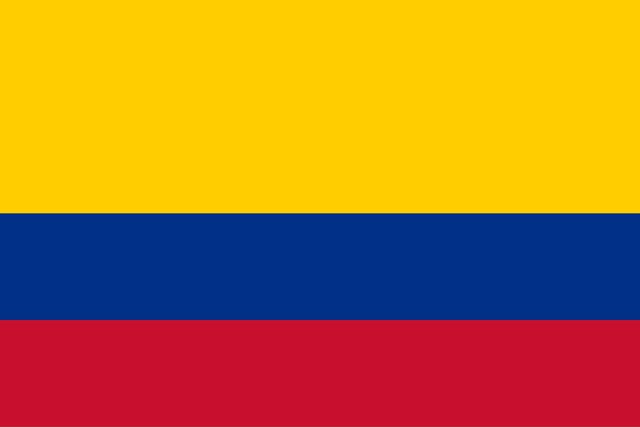
Colombia

Colombia
See i b File history /b /i below for details. · Public domain

South American country · 1819–present · northwestern South America

Colombia is a South American country whose capital Bogotá was center of New Granada and site of decades-long civil conflicts.

The kit

  • Thousand Days' War — Colombia's Liberal and Conservative parties fought the Thousand Days' War, ended by Wisconsin and Neerlandia treaties.
  • La Violencia — Colombia suffered La Violencia, a decade-long civil war sparked by the 1948 assassination of Jorge Eliécer Gaitán.
  • National Front — Colombia's Liberals and Conservatives agreed to the National Front power-sharing arrangement from 1958 to 1974.
  • FARC peace deal — Colombia's president Juan Manuel Santos won the 2016 Nobel Peace Prize for brokering peace with FARC guerrillas.

Runs with

Panama
Panama separated from Colombia's northern department in 1903 open card →
assassination
Jorge Eliécer Gaitán's 1948 assassination triggered La Violencia open card →
Panama CanalSimón Bolívar

The ladder · 6 clues

H

The assassination of Jorge Eliecer Gaitan in this country led to a 1950s civil war known as La Violencia.

H

One organization in this country grew out of the Southern Bloc, which had earlier governed the Marquetalia Republic. The Pact of San Carlos initiated this country's National Front following Gustavo Pinilla's dictatorship. Jorge Gaitán's murder sparked a ten-year period of unrest in this country; bandoleros terrorized this country during that period, La Violencia.

M

In 2016, this country’s president won the Nobel Peace Prize for brokering a peace deal that this country’s people rejected in a referendum.

M

The assassination of liberal presidential candidate Jorge Eliécer Gaitán in 1948 set off a 10 year period of violence in this country.

E

Its current president, Juan Manuel Santos, has worked to establish peace with the guerilla group FARC.

E

In 1903, this country’s northern department separated to become Panama. name this South American country whose capital is Bogota.

10 more clues from the record
H

This country’s 19th of April movement is often called M19, and laid siege to its Palace of Justice in an attempt to try President Belisario Betancur.

H

In this country, a decade-long civil war between Liberals and Conservatives was known as La Violencia.

H

In this country, the Wisconsin and Neerlandia treaties ended the Thousand Days War.

H

This country’s Liberal and Conservative parties agreed to trade off the presidency in a 16-year period called the National Front.

H

In this country, the 19th of April Movement formed after the possibly fraudulent election of Misael Pastrana as president.

H

Gonzalo Jiménez de Quesada conquered the Muisca in this country, leading to a colony called New Granada.

H

Shortly after becoming a republic, this country’s Liberal Party and Conservative Party fought each other during the Thousand Days’ War.

H

Alberto Lleras Camargo was the first Liberal leader to take power in this country’s power sharing agreement from 1958 to 1974, the National Front.

H

The M-19 guerrilas became active in this country after Gustavo Rojas Pinilla lost a 1970 election.

H

The state of Cundinamarca [koon-deen-uh-mark-uh] was set up in this modern-day country, whose capital was recaptured at the end of the “Foolish Fatherland” period.

Watch out: M-19 and FARC are distinct guerrilla groups in Colombia
#1455 · Modern Countries · Level 3

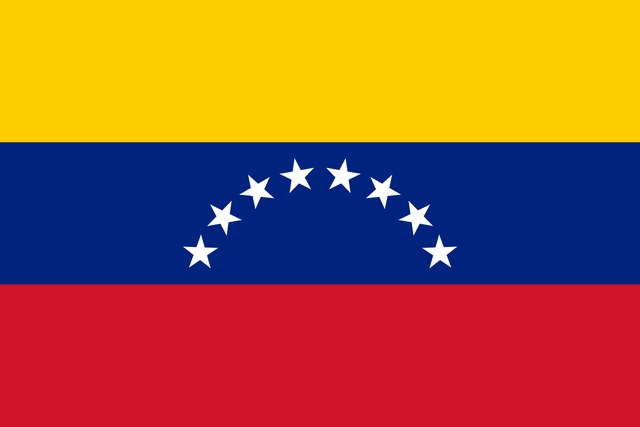
Venezuela

Venezuela
Various, see i b File history /b /i below for details. · Public domain

South American country · independence 1823 · northern South America

Venezuela is a South American country with the world's largest proven oil reserves that gained independence at the Battle of Lake Maracaibo.

The kit

  • Independence — Venezuela gained independence from Spain after the Battle of Lake Maracaibo in 1823, following earlier failed attempts by Francisco de Miranda.
  • Oil economy — Venezuela experienced an economic boom caused by oil as a founding member of OPEC that lasted until the 1980s.
  • Democratic era — Venezuela's leading parties signed the Punto Fijo Pact after ousting Marcos Pérez Jiménez, with Rómulo Betancourt becoming the Father of Democracy.
  • Modern leadership — Venezuela is currently led by Nicolás Maduro, who was chosen by a socialist who died in 2013.

Runs with

Hugo Chávez
Simón Bolívar
issued Decree of War to the Death during Venezuelan independence struggle open card →
Grover Cleveland
Petroleum
Venezuela holds largest proven oil reserves, discovered in 1914 open card →

The ladder · 6 clues

H

This country’s leading parties signed the Punto Fijo Pact after the ouster of Marcos Pérez Jiménez , promising to uphold the Betancourt Doctrine.

H

Erastus D. Culver accidentally diplomatically recognized this country's first president José Antonio Páez.

M

South American member with the largest proven oil reserves, once led by Hugo Chavez.

M

That leader of this country sheltered Juan Bosch, prompting Rafael Trujillo to order an assassination attempt.

E

country currently led by Nicolas Maduro, chosen by a socialist who died in 2013.

E

Simon Bolivar’s Decree of War to the Death primarily pertained to this country. name this South American country that gained independence after the Battle of Lake Maracaibo.

10 more clues from the record
H

A brackish inlet in this country was home to a 1914 oil discovery and an 1823 naval battle that earned this country’s independence from Spain.

H

This country suffered an outburst of violence known as the sacudon in 1989 after the election of the rightist president Carlos Andres Perez.

H

Francisco de Miranda failed to earn the independence of this country, which was later won at the Battle of Carabobo.

H

The British Legions under Miguel de la Torre lost to Jose Antonio Paez, who led this nation’s forces at the Battle of Carabobo.

H

From 1945 to 1948, it was led by the Democratic Action party in a period called “El Trienio Adeco.” The so-called “Father of Democracy” in this country was longtime president Romulo Betancourt.

H

An economic boom caused by oil in this founding member of OPEC lasted until the 1980’s.

H

Domingo de Monteverde led troops against this nation at the battle of La Victoria.

H

One leader of this country had a namesake doctrine of denying diplomatic recognition to regimes that used force to come to power, although it was reversed by later successor Rafael Caldera.

H

Following atrocities committed by the enemy, an independence fighter from this country issued the Decree of War to the Death.

H

During the Wars of Independence, Jose Tomas Boves fought for Spanish control of this country by commanding its grassland cowboys, the llaneros.

Watch out: Battle of Carabobo also secured Venezuelan independence but came before Lake Maracaibo
#1481 · Modern Countries · Level 3

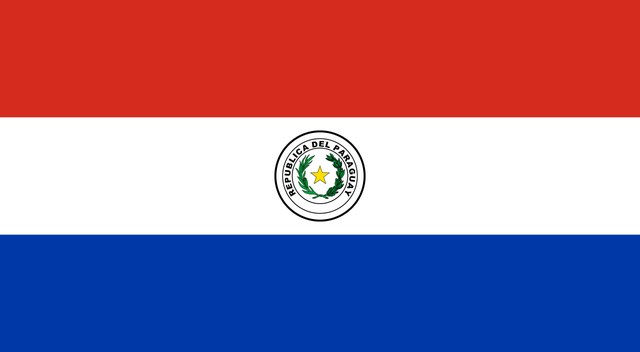
Paraguay

Paraguay
Republica del Paraguay · Public domain

South American nation · independence 1811 · landlocked, central South America

Paraguay is a landlocked South American nation whose capital Asunción was established in 1617.

The kit

  • Early dictatorships — Paraguay fell under José de Francia's regime with its "hairy feet" secret police soon after independence.
  • War of the Triple Alliance — Paraguay lost over half its adult male population in the War of the Triple Alliance under Francisco Solano López.
  • Military conflicts — Paraguay's forces routed an army in the Campo Vía pocket led by German WWI veteran Hans von Kundt.
  • Modern era — Paraguay was ruled by Alfredo Stroessner, who gave refuge to exiled Juan Perón and Anastasio Somoza.

Runs with

Paraguayan War
devastating 1864-70 conflict against Brazil, Argentina, and Uruguay open card →
Rutherford B. Hayes
Francisco Solano López
president who led Paraguay during Triple Alliance War open card →
Bolivia

The ladder · 6 clues

H

Soon after independence, this country fell under the domination of the "hairy feet" secret police of José de Francia.

H

This country entered a prolonged military buildup under its presidents, Carlos Lopez and Gaspar de Francia.

M

Under the regime of Francisco Solano Lopez, this country lost over half its adult male population in a 19th century war against three other South American countries in the War of the Triple Alliance.

M

This nation faced a Triple Alliance of Brazil, Argentina, and Uruguay while led by Francisco Solano López. name this South American nation whose capital was established in 1617 in Asunción.

E

This country was ruled by the eccentric Francisco Solano Lopez when it lost the majority of its male population to the War of the Triple Alliance. identify this country which has developed oddly due to its landlocked position in South America.

E

It was where the exiled Juan Peron and Anastasio Somoza fled to. name this South American country led by Alfredo Stroessner.

10 more clues from the record
H

Eliza Lynch was a mistress to a ruler of this country who lost the fort of Humaita .

H

Fulgencio Yegros was the first man to hold the role of "consul" in this country.

H

The indigenous Guarani language is the most widely spoken language in this country. During the rule of Alfredo Stroessner, this country’s Aché people were openly massacred and enslaved.

H

This other South American nation governs most of the Gran Chaco from its capital of Asuncion (ah-SOON-see-ohn).

H

In another war, forces from this nation routed an army in the Campo Vía pocket led by German World War I veteran Hans von Kundt.

H

One leader of this country delayed a shipment from England until he could learn English and read the ship's books, which he did for all incoming ships.

H

In a speech on the Senate floor, Huey Long supported the war effort of this country and accused Standard Oil of backing its northwestern neighbor.

H

Rafael Franco led this country during the short-lived Febrerista Revolution, which overthrew Eusebio Alaya and his general José Félix Estigarribia.

H

Prior to her involvement in the Civil War, the USS Water Witch was involved in a diplomatic incident after being fired upon by a fort in this country.

H

Like its southern neighbor, this country also has a Colorado Party, which dominated national politics until 2008.

Watch out: Bolivia (Paraguay's northwestern neighbor in the Gran Chaco region)
#1535 · Modern Countries · Level 3

Bolivia

Bolivia
See i b file history' /b below for details. · Public domain

South American country · 1825–present · central South America

Bolivia is a landlocked South American nation named for Simón Bolívar that lost its Pacific coastline in the War of the Pacific.

The kit

  • Geography — Bolivia shares Lake Titicaca with Peru and has two capitals, Sucre and La Paz.
  • Territorial losses — Bolivia lost its coastline to Chile after the War of the Pacific following dictator Hilarión Daza's saltpeter tax.
  • Chaco War — Bolivia ceded the Gran Chaco region to Paraguay in 1935 after its defeat in the Chaco War.
  • Modern conflicts — Bolivia experienced the Gas War in October 2003 over President Gonzalo Sánchez de Lozada's proposed gas trade plan.

Runs with

War of the Pacific
Bolivia lost its coastline to Chile in this 1879–1884 conflict open card →
Pacific
Bolivia lost access to this ocean after the War of the Pacific open card →
Che Guevara
Che Guevara died in Bolivia in 1967 while leading the Ñancahuazú Guerrilla open card →
Chile
Chile gained Bolivia's coastal territory including Arica and Tacna open card →

The ladder · 6 clues

H

Modern South American country which is named for Simón Bolívar

H

A proposed gas trade plan by this country’s President, Gonzalo Sanchez de Lozada, led to the “Gas War” in October 2003.

M

This country also lost the ports of Arica and Tacna in a war over a nitrate-rich coastal region that left it landlocked.

M

This former owner of the State of Acre was the site of a Spanish colonial mint near the silver mines of Potosi, and it lost much of the Gran Chaco in a war with Paraguay. name this “plurinational” country in South America that shares Lake Titicaca with Peru and whose two capitals are Sucre and La Paz.

E

This country lost the Chaco War as well as the War of the Pacific. name this South American country whose navy was confined to Lake Titicaca after it lost its coastline.

E

In 1935, this country ceded the Gran Chaco region to Paraguay following its defeat in the Gran Chaco War. name this landlocked South American country which is home to La Paz and Sucre.

10 more clues from the record
H

Following its defeat in the War of the Pacific, this nation became landlocked after ceding its only maritime department to Chile.

H

Guevara died in what country this also sheltered Klaus Barbie, who may have helped capture Guevara.

H

This country's dictator Hilarión Daza sparked a war by instituting a saltpeter tax, leading to this country losing its coastline in the Treaty of Ancón.

H

That loss along with others led this country’s President Daniel Salamanca to remove General Hans Kundt from command.

H

The United Restoration Army defeated this country in the War of the Confederation, in which it lost control of its northern neighbor.

H

You are only going to kill a man.” While leading this country’s Ñancahuazú Guerrilla against René Barrientos, Che Guevara died here.

H

Czechoslovak military advisers were hired by this country to assist the German confidante Hans Kundt after the disastrous battle of Campo Via.

H

This country’s Foreign Minister Mariano Baptista signed an 1874 treaty settling its western border, but this country reneged on the agreement a year later.

H

Prisoners of war in this country built the Unduavi-Yolosa highway in the 1930s, which is one-way and has an extremely high fatality rate.

H

This country lost land in a war that has been theorized as a proxy conflict between Royal Dutch Shell and Standard Oil.

Watch out: Students may confuse Bolivia with Paraguay, its opponent in the Chaco War
#1553 · Modern Countries · Level 3

Ecuador

Ecuador
President of the Republic of Ecuador, first uploaded by Dene · Public domain

South American country · independence 1809–1830 · northwestern South America

Ecuador is a South American country that declared independence in 1809 and hosted the 1822 Guayaquil Conference between Bolívar and San Martín.

The kit

  • Geography — Ecuador contains Quito, the second highest world capital after La Paz, located in the Andes.
  • Independence era — Ecuador hosted the Guayaquil Conference, a secret 1822 meeting between José de San Martín and Simón Bolívar.
  • Rise — Ecuador was the first South American nation to call for independence in 1809 during Spanish colonial rule.
  • Leaders — Ecuador was led by Eloy Alfaro during the Liberal Revolution of 1895 and by Gabriel García Moreno.

Runs with

Peru
fought the 1981 Paquisha War over a land dispute open card →
Simón Bolívar
met José de San Martín at the Guayaquil Conference in 1822 open card →
Gran ColombiaPacific

The ladder · 6 clues

H

This country was led by Eloy Alfaro, who led the Liberal Revolution of 1895.

H

During a conflict with police, one leader of this country said, “If you want to kill the president, here he is, kill him if you have the guts." This country faced 2019 anti-austerity demonstrations at Carondelet [[kah-ROHN-deh-let]] Palace.

M

The second highest world capital after La Paz is this country’s city of Quito.

M

Incan Emperor Tupac Yupanqui built Cuenca in what is now this country in order to rival Cuzco.

E

Jose de San Martin and Simon Bolivar held a secret meeting in this country’s city of Guayaquil. name this modern-day country where the Canari once ruled from Quito.

E

Gabriel Garcia Moreno and Eloy Alfaro were leaders of this country, where Mechor Aymerich lost an 1822 battle to Antonio Jos´e de Sucre on the slopes of the Pichincha Volcano. Jos´e de San Martin met Sim´on Bol´ıvar in this country that hosted the Guayaquil Conference and, in Spanish rule, included the autonomous Real Audiencia de Quito.

10 more clues from the record
H

Though not Chile, this country's Santa Elena Province was the home of the Valdivia culture, which succeeded the Las Vegas culture.

H

In 2016, an earthquake in this country devastated the provinces of Manabi and Esmaraldas.

H

A land dispute between this country and its eastern neighbor led to the 1981 Paquisha War.

H

Manuela Saenz was born in what is now this modern-day country. Forces led by Antonio José de Sucre defeated Spanish royalists at the battle of Pichincha in what is now this modern-day country.

H

In this modern-day country, Stephen Rosain used LIDAR to uncover the cities of Kilamope and Sangay in its Upano Valley.

H

A pair of skeletons known as the Amantes de Sumpa were found buried together in a cemetery belonging to this country’s Las Vegas culture.

H

This country’s Las Vegas culture preceded a culture that Betty Meggers falsely claimed had contact with the Jōmon, the Valdivia culture.

H

After a 1972 coup, this country implemented a "Return to the Constitution Plan.” One party in this country was named "Alfaro Lives, Dammit!” In 2017, this country's president, Lenín Moreno, succeeded Rafael Correa. name this South American nation, the first to call for independence in 1809.

H

In a letter to Pope Pius IX [ninth], a leader of this country noted that Masonic Lodges, “instigated by Germany, are vomiting against me all sorts of atrocious insults and horrible columnities;” that leader of this country predicted his own assassination, which came by machete at the hands of Faustin Rayo.

H

This country defaulted on $3 billion of debt in 2008 under a president who also supported a 2011 lawsuit judgment demanding $19 billion from Chevron; that president is Rafael Correa.

Watch out: Valdivia culture (in Ecuador's Santa Elena Province, not Chile)
#1574 · Modern Countries · Level 3

Uruguay

Uruguay
See i b File history /b /i below for details. · Public domain

South American nation · independence 1825–1828 · between Brazil and Argentina

Uruguay is a South American nation whose capital Montevideo was the site of prolonged civil wars between the Colorado and Blanco parties.

The kit

  • Independence — Uruguay's founding fathers, the Thirty-Three Orientals led by Juan Antonio Lavalleja, secured independence from Brazil's Cisplatina province in 1825.
  • Civil conflicts — Uruguay experienced years of civil war between the Colorado and Blanco parties, including a nine-year siege of Montevideo by Manuel Oribe.
  • Tupamaros — Uruguay's communist guerrilla group, the Tupamaros led by Raul Sendic, prompted President Juan María Bordaberry to dissolve Parliament in the 1970s.
  • World Cup — Uruguay both hosted and won the first World Cup in 1930, and eliminated England from the 2014 tournament with a 2-1 victory.

Runs with

Brazil
absorbed Uruguay as Cisplatina province before independence open card →
Paraguayan WarArgentina
Giuseppe Garibaldi
made his home in Montevideo, fought for Colorado party open card →

The ladder · 6 clues

H

In this country, a national holiday on May 18th celebrates the Battle of Las Piedras, where José Artigas commanded troops fighting for its independence.

H

England was eliminated from the 2014 World Cup after a 2-1 group stage loss to this team, which both won and hosted the first World Cup in 1930.

M

Giuseppe Garibaldi fought for the Colorado party in this country surrounded by its allies in the War of the Triple Alliance, Brazil and Argentina.

M

A civil war between this country’s Colorados and Blancos was the cause of the War of the Triple Alliance. name this country where political factions frequently clashed in the capital of Montevideo.

E

Garibaldi made his home in this country’s capital, Montevideo.

E

Its western border is a river named for this country; that river combines with the Parana River to form the Rio de la Plata. name this country southwest of Brazil whose capital is Montevideo.

10 more clues from the record
H

This country’s founding fathers are known as the thirty-three Orientals, a reference to its colonial name, Banda Oriental.

H

Raul Sendic led communist revolutionaries known as the Tupamaros in this country; this country's former president Jose Mujica used to be a Tupamaro.

H

Independence from its neighbors was secured when the 33 orientales of Juan Antonio Lavalleja took power.

H

This country was riven for years by civil war between its Red and White Parties, and a guerrilla group named for an Incan rebel leader operated in this country.

H

The words “LIBERTY OR DEATH” appear on a flag flown by this country’s Thirty-Three Orientals.

H

To combat the urban guerilla group known as the Tupamaros, the Colorado party president Juan María Bordaberry called a state of emergency and later dissolved Parliament.

H

The pocket battleship Admiral Graf Spee hid in this nation's port after being pursued by the British navy, but was ordered to leave after 72 hours by the Hague Convention.

H

Following his decisive victory at Arroyo Grande over Fructuoso Rivera, Manuel Oribe commenced a nine-year naval siege of this country’s capital.

H

Jose Artigas secured independence for this country at the Battle of Las Piedras, only for it to be absorbed into its neighbor’s province of Cisplatina a decade later.

H

After fleeing a death sentence, Garibaldi joined the Colorados during the Ragamuffin War to liberate this country, then known as Rio Grande do Sul.

Watch out: Rio Grande do Sul was the region Garibaldi fought to liberate during the Ragamuffin War, not Uruguay itself