Qing Dynasty
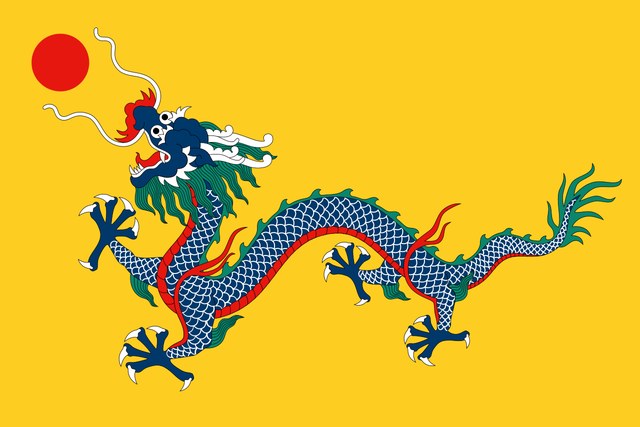
Chinese imperial dynasty · 1644–1912 · China
Qing Dynasty was China's final imperial dynasty, founded by Manchus who overthrew the Ming in 1644 and ruled until 1912.
The kit
- Rise — Qing Dynasty consolidated power when Kangxi, China's longest reigning ruler, put down the Three Feudatories revolt.
- Conflicts — Qing Dynasty lost the Opium Wars against the United Kingdom as part of its century of humiliation.
- Achievements — Qing Dynasty carried out the Ten Great Campaigns under the Qianlong emperor and used the Eight Banners military system.
- Death & succession — Qing Dynasty's last emperor, boy emperor Puyi, was overthrown by Sun Yat-sen in the Xinhai Revolution.
Runs with
China
Puyi
Boxer Rebellion
Kangxi Emperor
The ladder · 15 clues
Power under this dynasty was consolidated when the Three Feudatories revolt was put down by Kangxi, China’s longest reigning ruler.
This dynasty reformed its military with the help of Zeng Guofeng and Li Hongzhang in the Self-Strengthening Movement.
This dynasty signed the Treaty of Nerchinsk to fix borders along the Argun River.
Manchurian dynasty during which the rebellion occurred.
This dynasty was followed by the short-lived reign of the Hongxian Emperor.
This dynasty tried to reform through the Self-Strengthening Movement.
This empire’s forces failed to restore Le Chieu Thong to power in Vietnam after the Tay Son Rebellion.
A man claiming to be the brother of Jesus, Hong Xiuquan [shiu-chwan], led a rebellion against this dynasty from his capital of Nanjing.
During this dynasty, Empress Dowager Cixi initially supported the Boxer Rebellion against Western invaders.
Towards the end of this dynasty, the Hundred Days’ Reform was instituted during the reign of the Guangxu emperor.
The last ruler of this dynasty, the boy emperor Puyi [], was overthrown by Sun Yat-Sen in the Xinhai [[SHIN-"HIGH"]] Revolution.
This dynasty came to power after the Manchus overthrew the Ming in 1644. name this dynasty that ruled until 1912, the last imperial dynasty of China.
During the Xinhai Revolution, the government of Sun Yat-sen replaced this dynasty’s last emperor, Puyi. name this final dynasty of China.
This dynasty lost the Opium Wars against the United Kingdom as part of its “century of humiliation.” name this last imperial dynasty of China.
Near the end of this dynasty, "dowager empress" Cixi [] held effective power. name this final imperial dynasty of China.
10 more clues from the record
This dynasty faced the Revolt of the Three Feudatories, while its “Ever Victorious Army” put down another revolt led by a man who claimed to be Jesus Christ.
The Ten Great Campaigns were carried out by the Qianlong [“CHIN-long”] emperor during this dynasty that used the Eight Banners military system.
The Eight Banners system comprised the military of this dynasty, which was visited by an emissary who refused to perform the kowtow, George Macartney.
It required its subjects to wear their hair in a queue and divided its military into the Eight Banners.
Hong Xiuquan [zhee-oo-choo-ahn] launched a rebellion against this dynasty to establish the “Heavenly Kingdom.” The Dowager Cixi [see-zhee] took power in this dynasty in the aftermath of the Second Opium War.
Final Chinese dynasty, during which Asian piracy reached a peak F
The Arrow War was fought by this dynasty, whose first of “three great emperors” was Kangxi.
This dynasty carried out the Dzungar genocide.
Muslim minorities revolted against this dynasty in the Dungan Revolt, while elements of the New Army did so in the Wuchang Uprising.